Wayfinding for Complex Spaces 

Working with owners architects brand managers facility teams to create clear, intuitive wayfinding systems rooted in strategy, designed with purpose, and built to work in real-world environments.

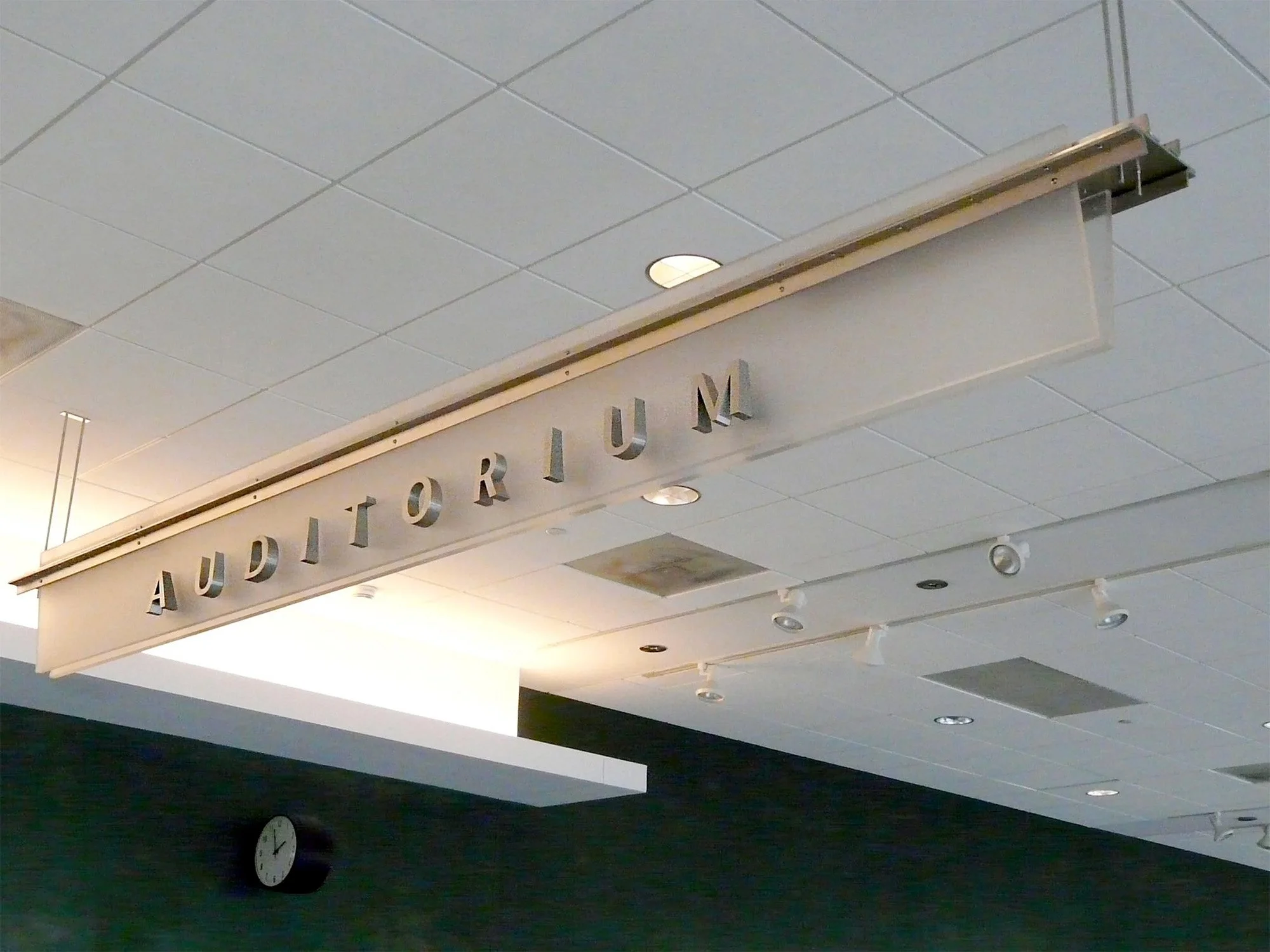
A sign with the word 'AUDITORIUM' hanging from the ceiling of an indoor space.
Lobby area with elevator doors on the left, potted plants, a decorative ornate ceiling with a chandelier, and a reception desk labeled 'The Press 321' in the foreground.

Finding Your Way Shouldn't Be Challenging

  • Complex environments where people struggle to find their way

  • Organizations that need to express their brand identity in their facilities

  • Campuses with growth over time without a cohesive signage strategy

  • Existing signage systems are inconsistent, outdated, or not effective

  • Balancing clarity with architectural, branding, and regulations

New construction projects that need wayfinding should be planned early, not figured out later

Our work begins with understanding people,
places, & processes

Then translating those insights into clear, effective wayfinding systems.

A group of six people gathered around a wooden table, engaging in a discussion or game, with a colorful board in the center. The setting appears to be an office or creative space, with bookshelves, artwork, and large plants in the background.
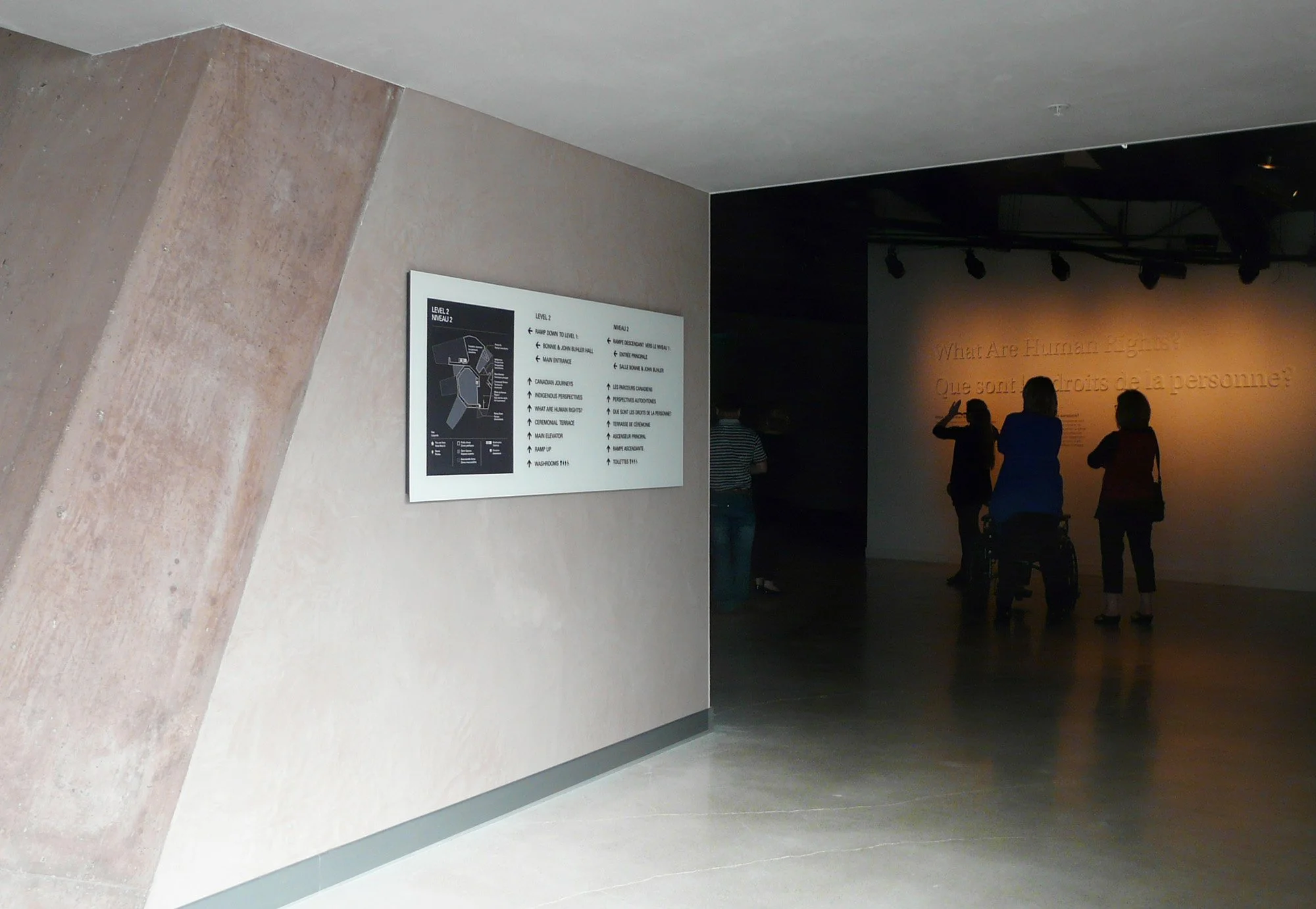
People silhouetted against a wall with a sign that reads 'What Are Human Rights?' in an indoor museum or exhibit space.
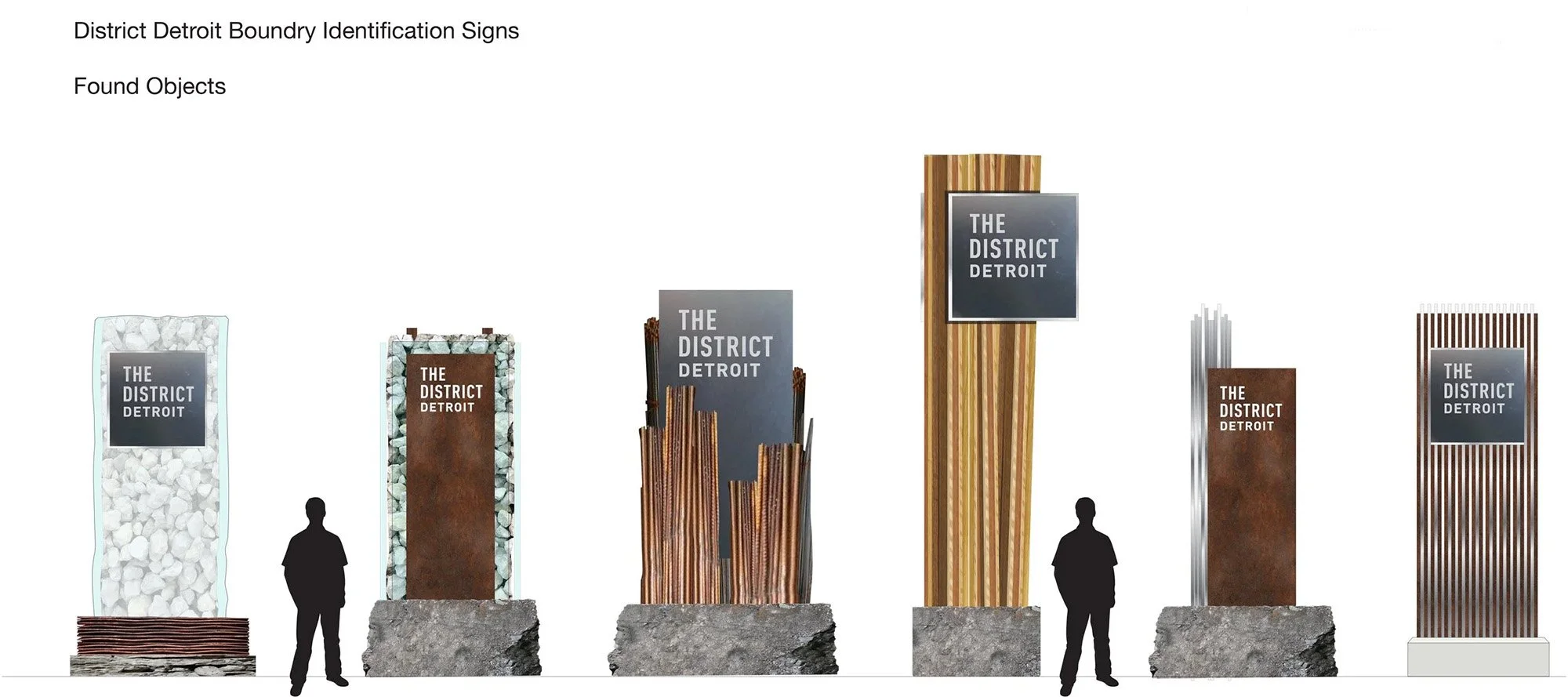
A display of six outdoor signs titled 'District Detroit Boundary Identification Signs', each with different designs and materials, with two human silhouettes for scale.

Wayfinding Strategy & Planning

Stakeholder interviews, behavioral insight, and detailed review of floor plans and site plans come together to define messaging hierarchies, message schedules, and a clear system framework. Most projects start with a thorough site survey.

Signage Program Design

We design cohesive sign families and wayfinding systems that align with architecture and brand balancing clarity, consistency, and a refined visual presence.

Implementation & Support

We prepare comprehensive bid packages and documentation to facilitate accurate execution. When appropriate, we also fabricate and install signage to ensure the system is delivered as intended.

Our Clients

Our work spans healthcare systems, universities, civic environments, performing art centers, mixed-use and residential environments, and cultural institutions each with unique navigation challenges and shared expectations.


  • Gray text spelling 'CRANBROOK' with an arc line above and below
  • Centered logo with circular emblem and the word 'BEDROCK' in gray text.
  • Old Dominion University logo with crown symbol above the university name
  • Henry Ford Health logo in gray text on a white background.
  • Logo of C.S. Mott Children's Hospital, part of Michigan Medicine.
  • SMU Cox School of Business logo in gray on a white background.
  • Logo for The Zekelman Holocaust Center in gray and white text.
  • Logo with the words "Forgotten Harvest" and an image of a wheat stalk intertwined with the text.
  • Logo of Presbyterian Villages of Michigan, featuring a stylized cross symbol and the text 'Presbyterian Villages of Michigan The Foundation'.
  • Gray logo with a family of five holding hands above the text 'UCSF Benioff Children's Hospitals'.
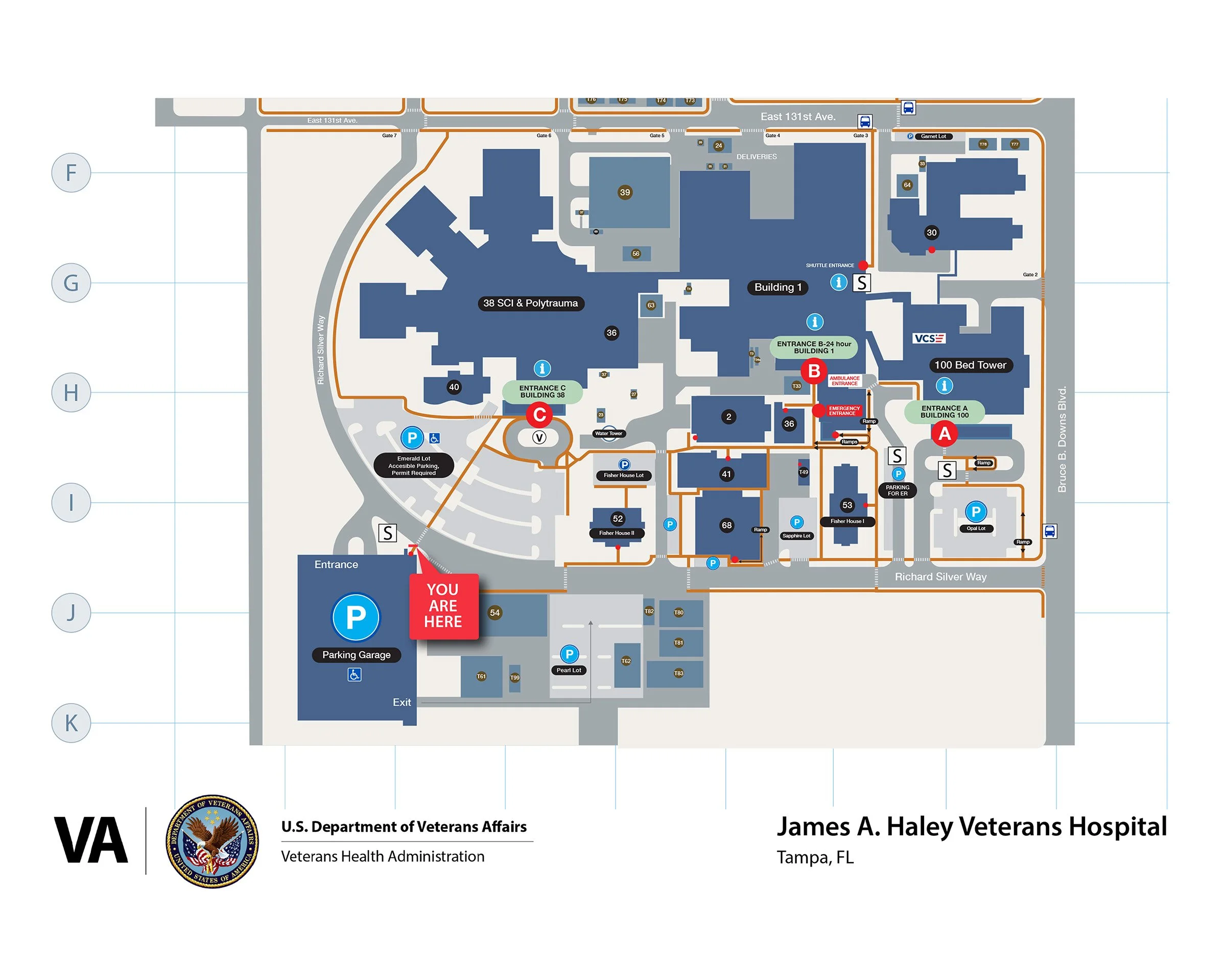
  • U.S. Department of Veterans Affairs logo with large VA letters and gray text
  • Text reading 'MICHIGAN CENTRAL' in bold, gray font on a plain white background.
  • Logo of MD Anderson Cancer Center with the text 'Cancer' crossed out.
  • A logo featuring a stylized letter B with ornate decorative elements, the words 'Book Tower' and 'Detroit' below it.
  • Gray text on a white background reads 'Lawrence Technological University' in a modern font.
  • Logo of Canadian Museum for Human Rights featuring a stylized hand and text
  • Alma College logo featuring a stylized pine cone and pine branch above the text 'ALMA COLLEGE'
  • Logo of the Canadian Museum of History with stylized 'M' and the museum's name in bold gray text.
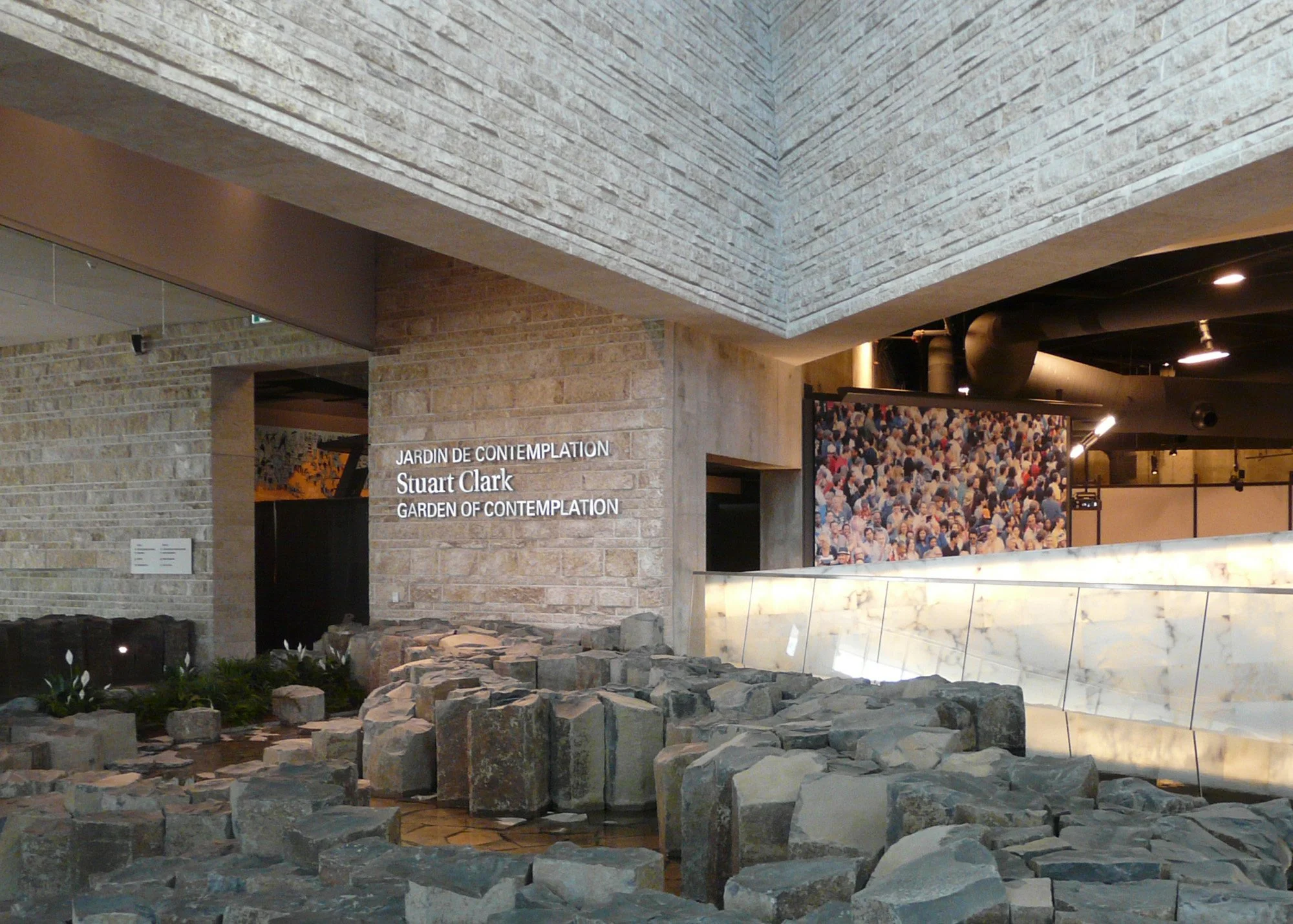
Interior view of the Garden of Contemplation at the San Francisco Museum of Modern Art, featuring rocks, plants, and a large crowd photo display.
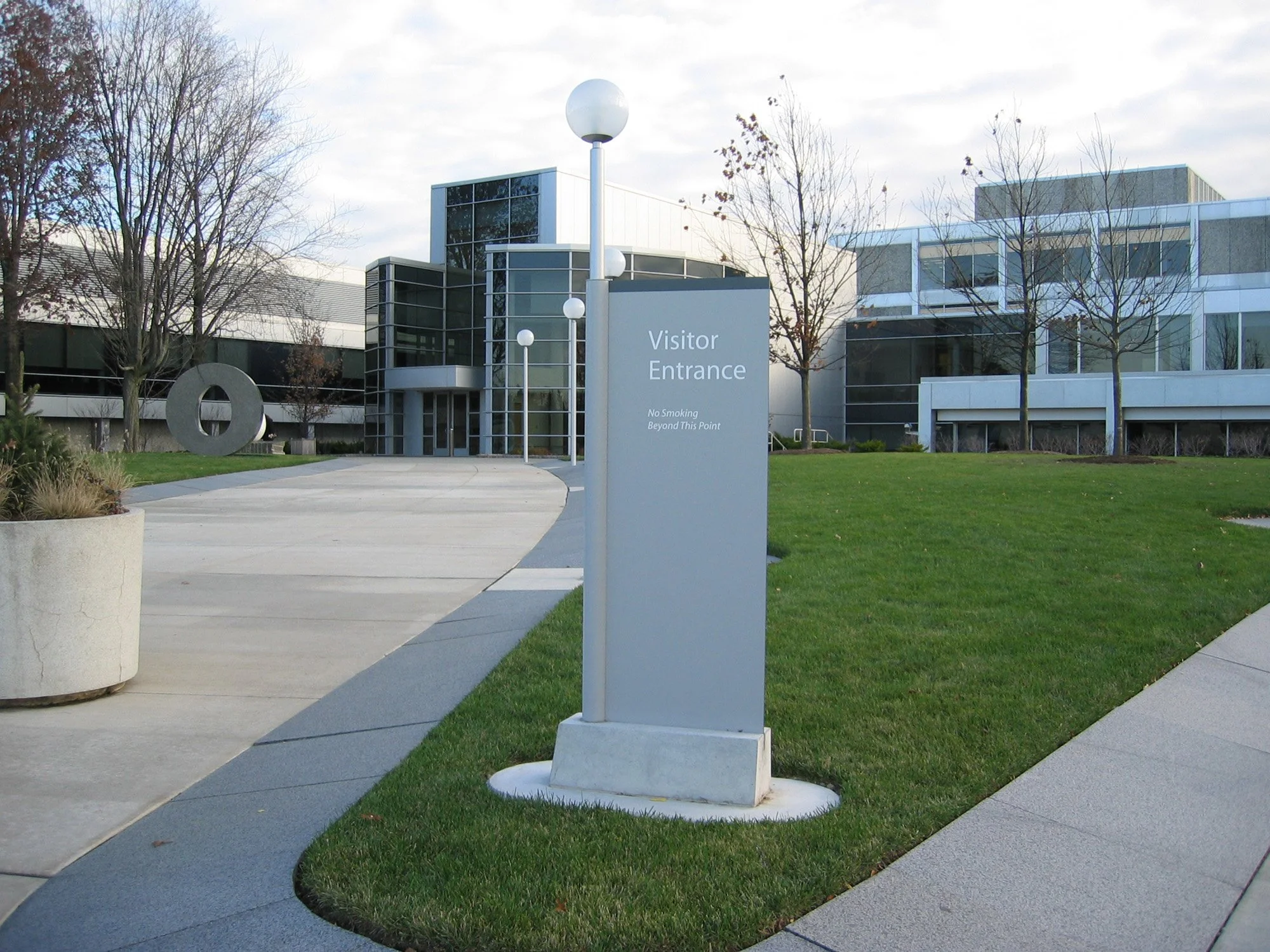
Modern office building with a sign that says 'Visitor Entrance' and a note 'No Smoking Beyond This Point', surrounded by grass, trees, and a concrete walkway.

Working Together

We work alongside your team to bring structure and clarity to complex wayfinding efforts.

1. Align on Goals

We start by understanding your project, your team, and your priorities, so everyone is working from the same page.

2. Create the System

We develop a clear wayfinding framework and design direction that supports how people move through your environment.

3. Support the Build

Whether your project calls for design-bid or a full design-implementation approach, we prepare the documentation or provide turnkey fabrication to bring the system to life.
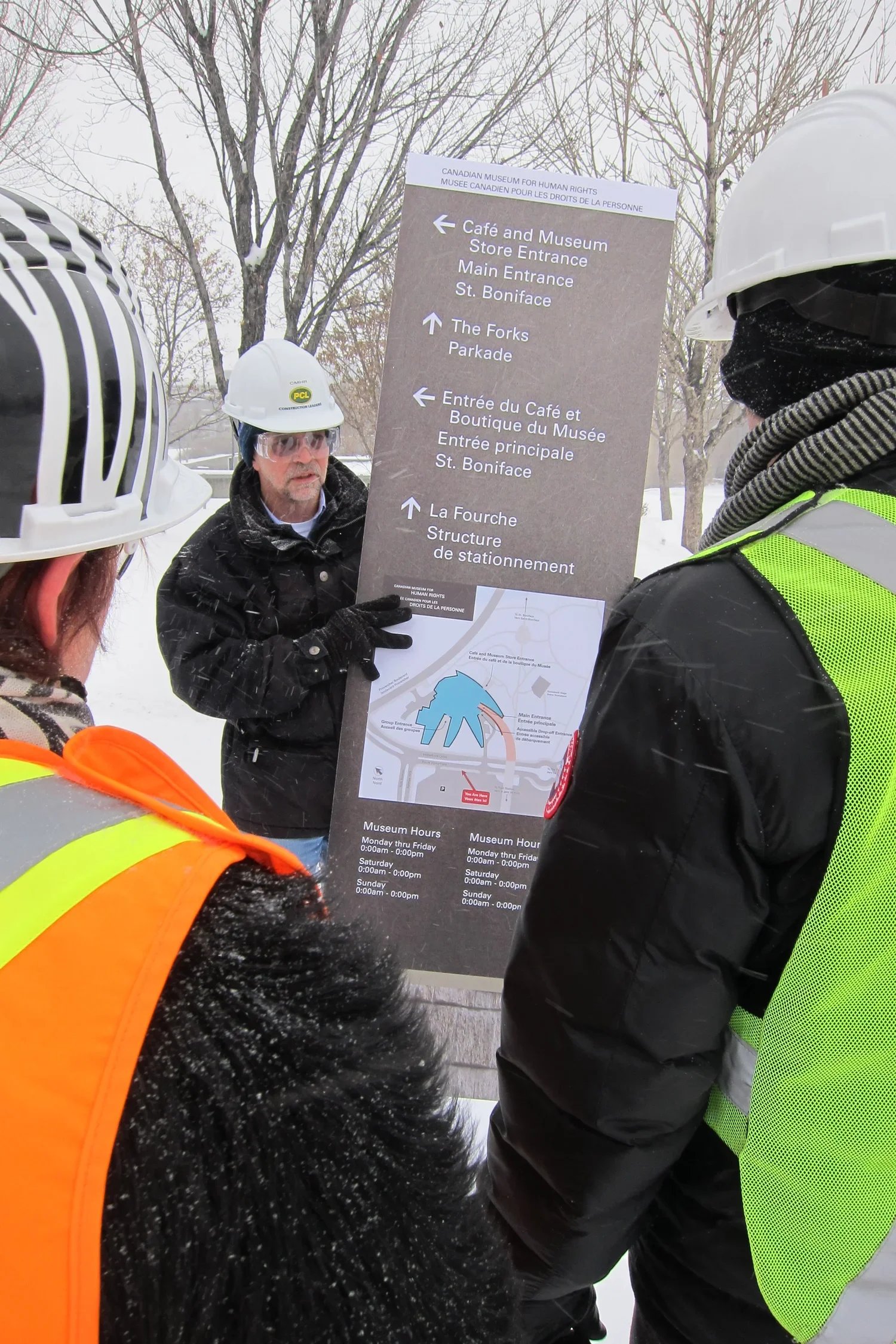
Group of construction workers wearing safety helmets and jackets, holding an information sign outdoors in a snowy environment.

Bringing Clarity to The Places That Matter

We’ve seen the consequences of poorly planned wayfinding, confused visitors, frustrated staff, missed destinations, and spaces that don’t function as intended. Often, it’s not due to lack of effort, but lack of early planning and clear strategy. Nicolson Associates exists to help teams navigate that complexity with confidence, creating systems that support people, operations, and the architecture itself.