

Brand Integration Through Environmental Graphics
A brand must connect directly to its environment, not merely appear on walls and signs. Nicolson Associates creates branded environments that translate organizational identity, history, mission, and story into meaningful physical experiences. We use branded environmental graphics to connect people with a place, carefully evaluating the architecture, interiors, audience needs, and the environment's core purpose.
Our approach identifies what the space needs to communicate, then turns those insights into a clear, cohesive experience.
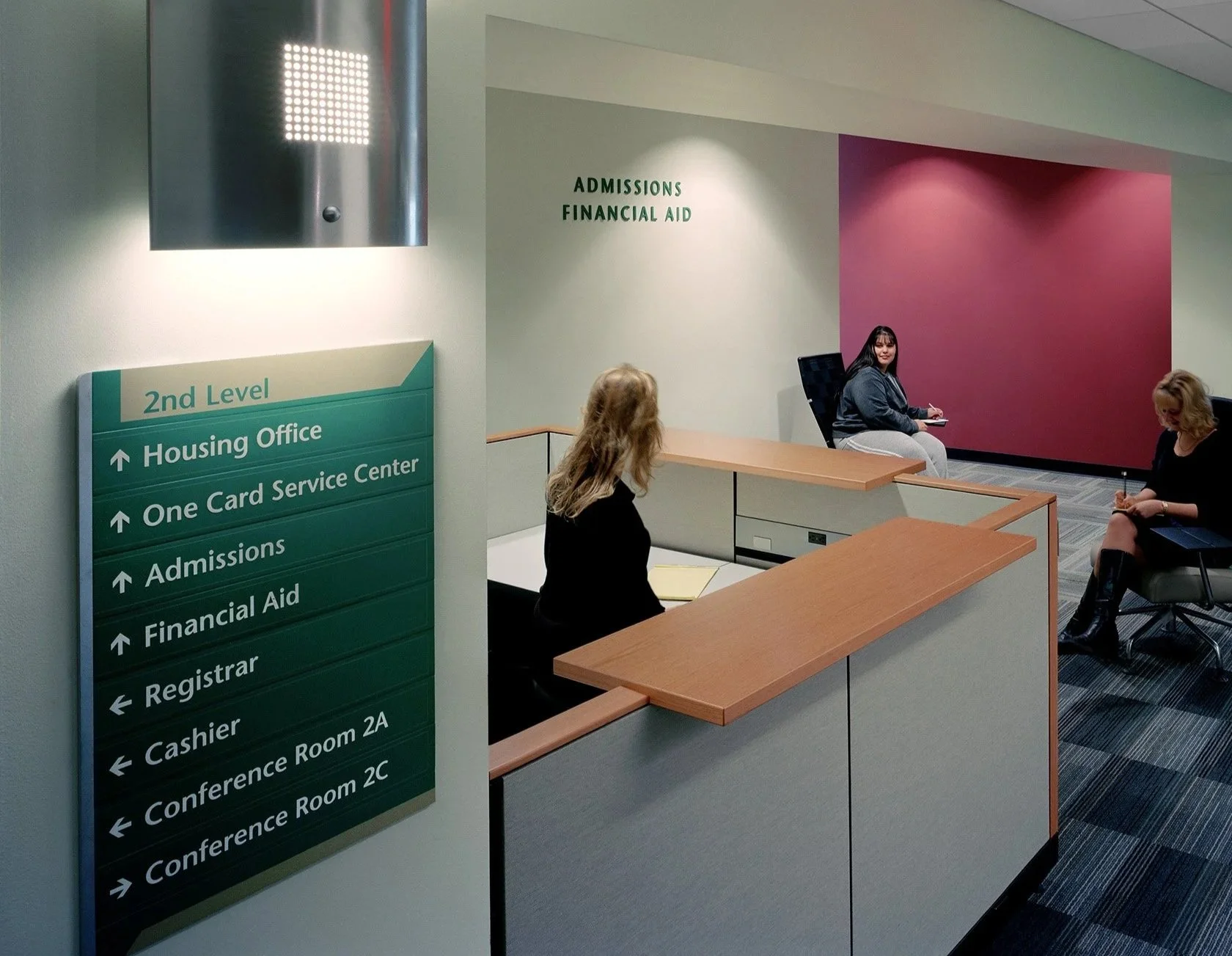
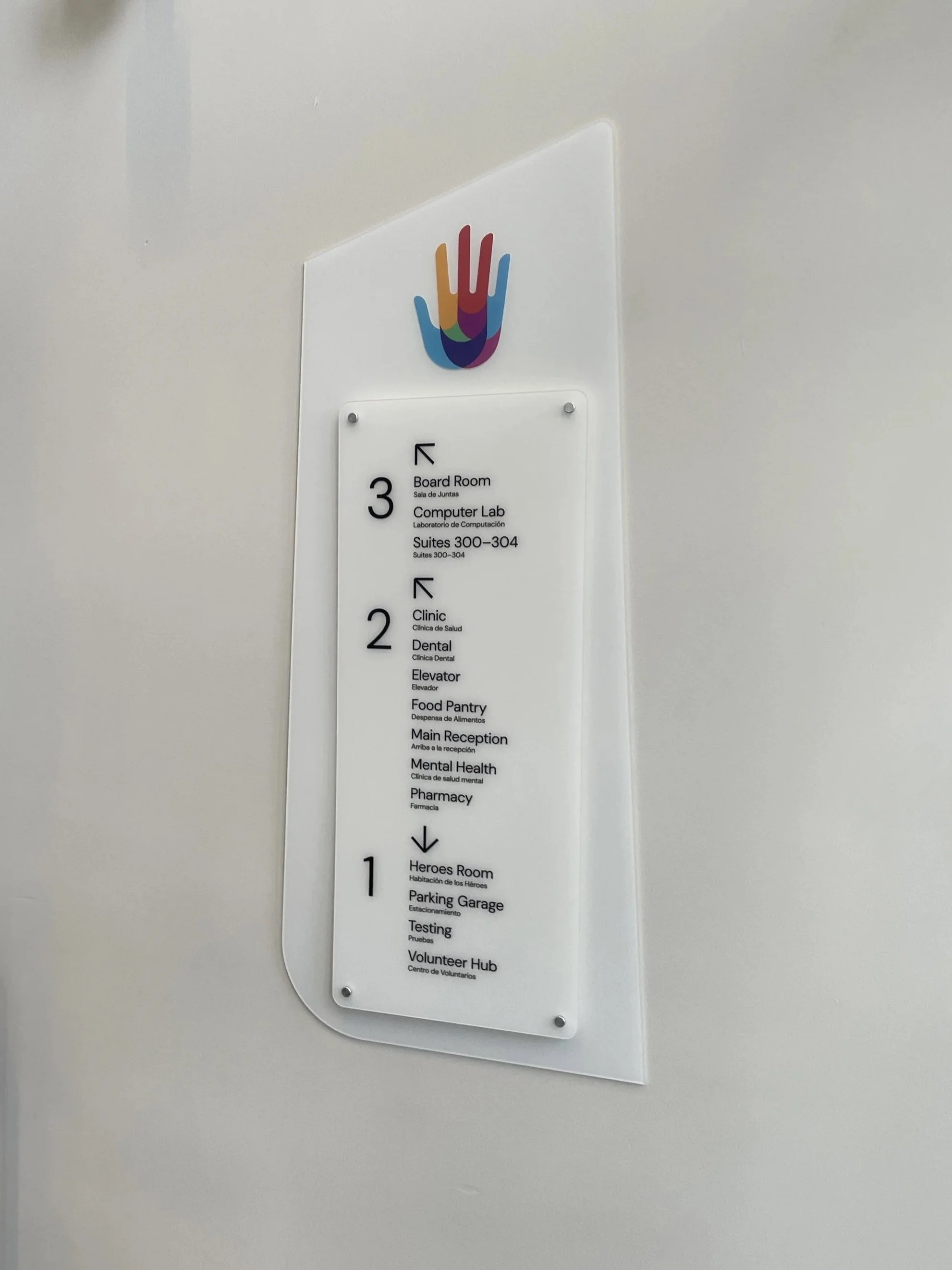
Creating Branded Environments With Purpose
Effective brand integration requires more than slapping logos, colors, or decorative graphics onto a space. We define exactly what people should understand, recognize, remember, or feel as they move through the environment.
A strong branded environment unifies:
Organizational identity
Story and history
Architecture and interiors
Environmental graphics
Key messages
Visitor experience
Sense of place
These elements collaborate to create an experience that connects the audience to both the organization and the physical setting.
Our Approach to Branded Environmental Graphics
We develop branded environmental graphics through a strategy-led process that connects message, audience, and place.
-
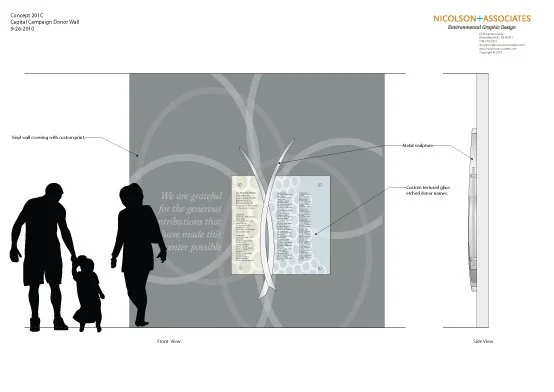
Understand the Environment
We review project goals, user needs, architectural plans, existing conditions, entrances, destinations, and circulation patterns.
-
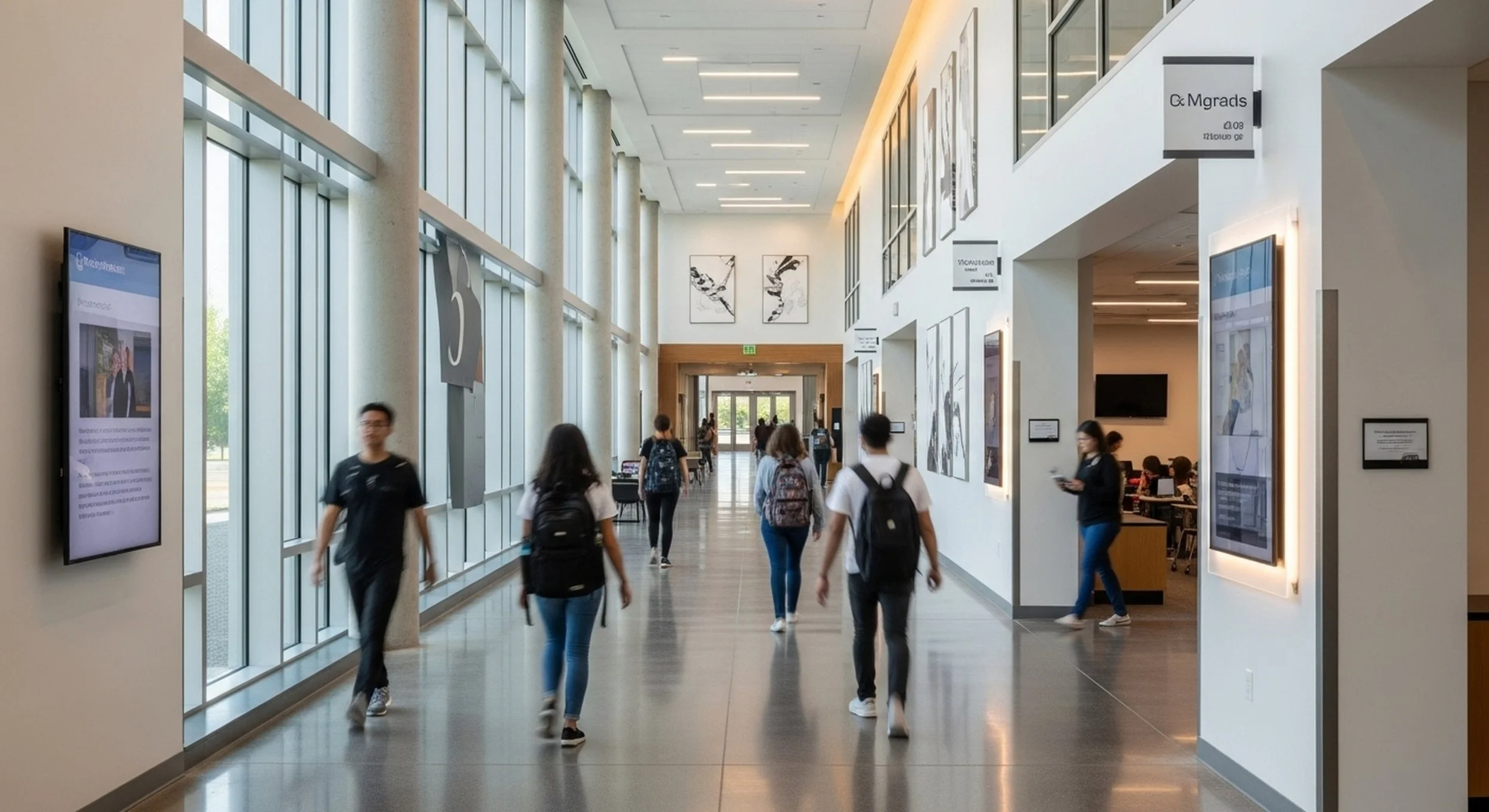
Study How People Move
We identify routes, intersections, decision points, and places where users need direction or confirmation.
-
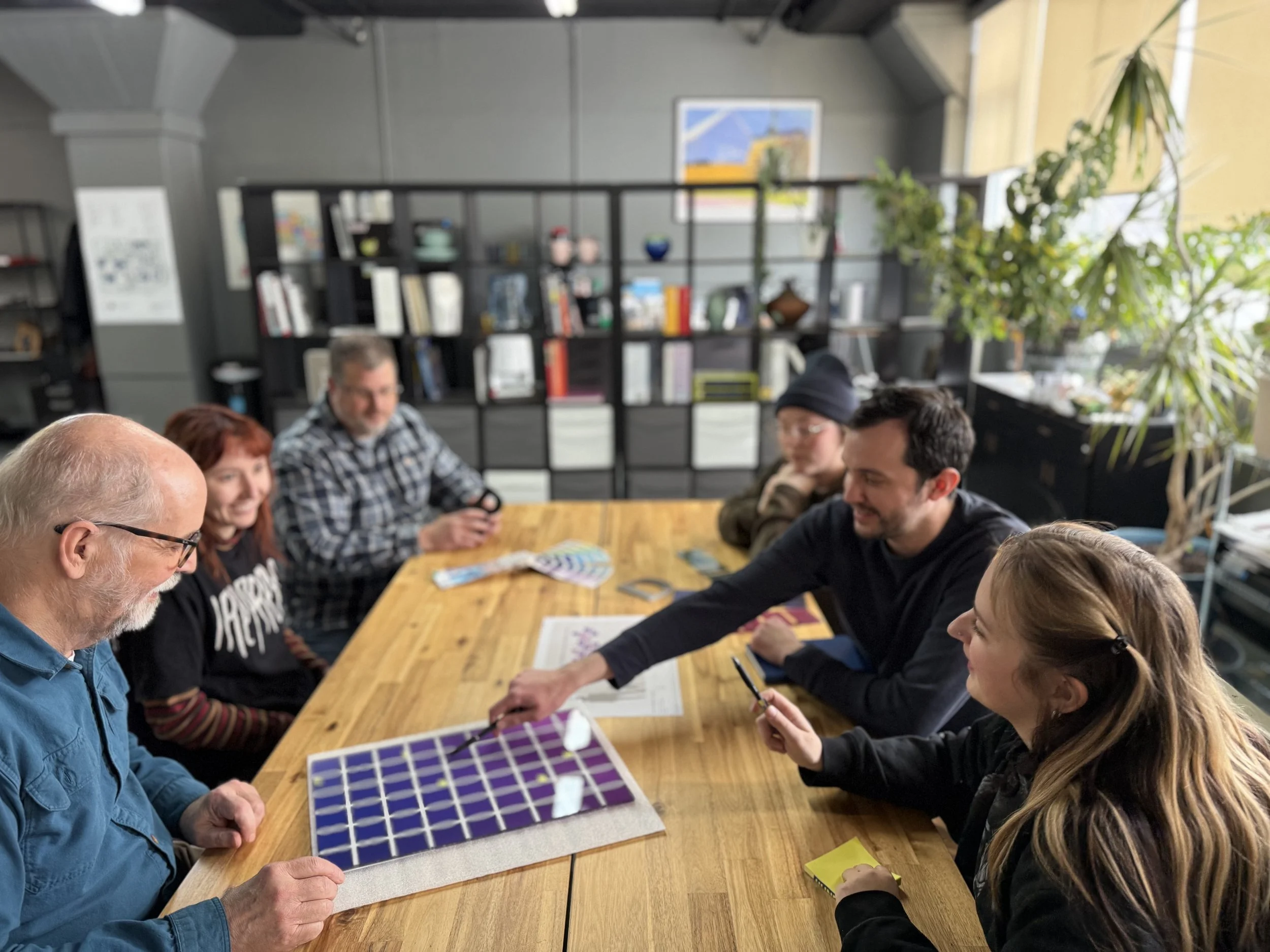
Organize the Information
We establish destination names, message hierarchies, sign types, and sign locations to keep information clear and consistent.
-

Develop the Signage System
We create the visual language, sign families, and architectural signage designs that connect with the surrounding architecture and project identity.
-
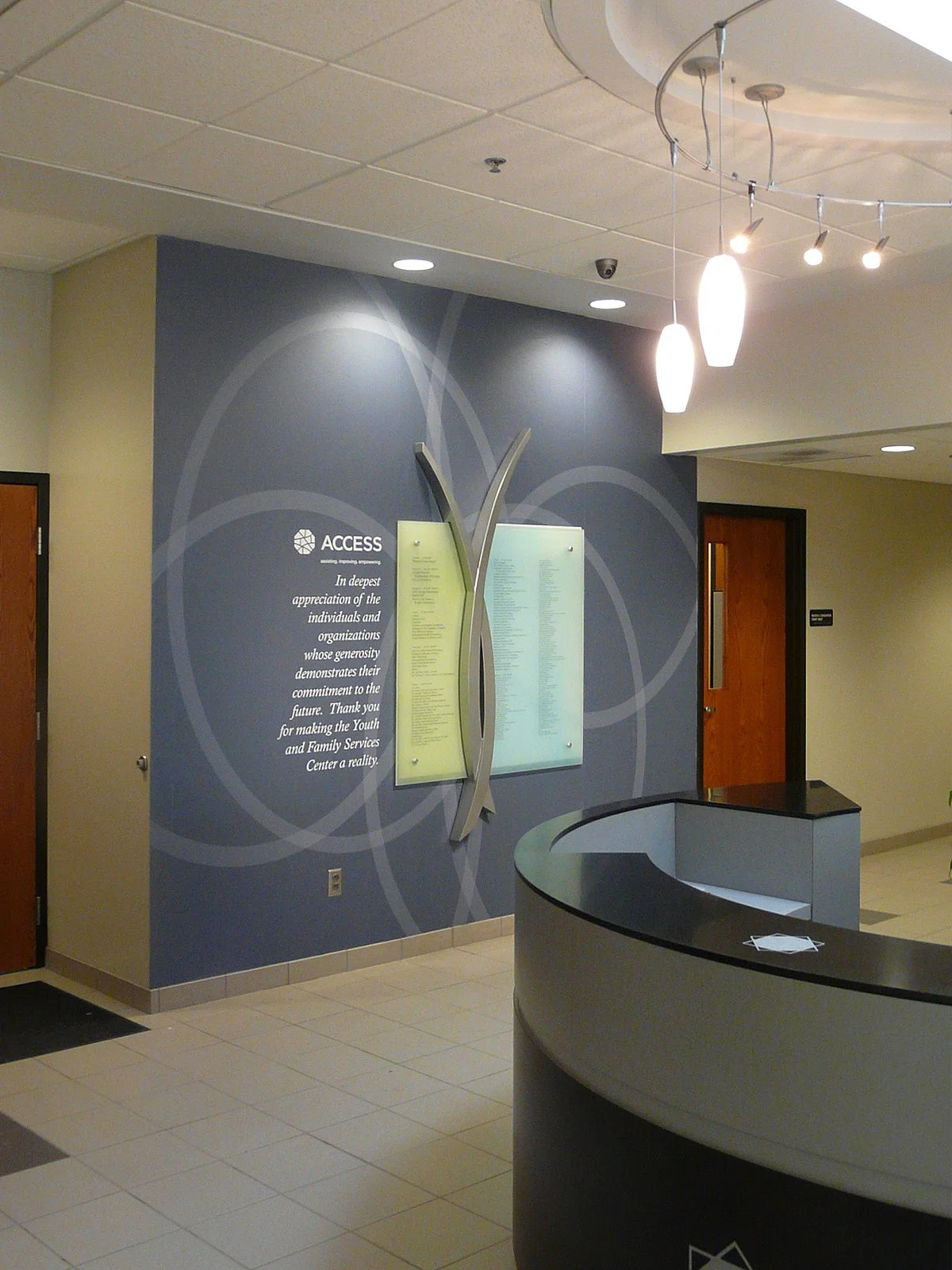
Prepare for Implementation
Depending on the project scope, we support the system with sign location plans, message schedules, design documentation, bid packages, and implementation coordination.

Integrating Brand With Architecture
Successful architectural branding works seamlessly with the built environment rather than competing against it.
Scale, location, sightlines, architectural finishes, lighting, graphics, and surrounding conditions all dictate how people experience branded elements. We evaluate these factors throughout the design process so environmental graphics feel entirely intentional within the space. This approach creates high-impact visual moments where appropriate, while allowing quieter elements to support the overall experience without overwhelming the architecture.
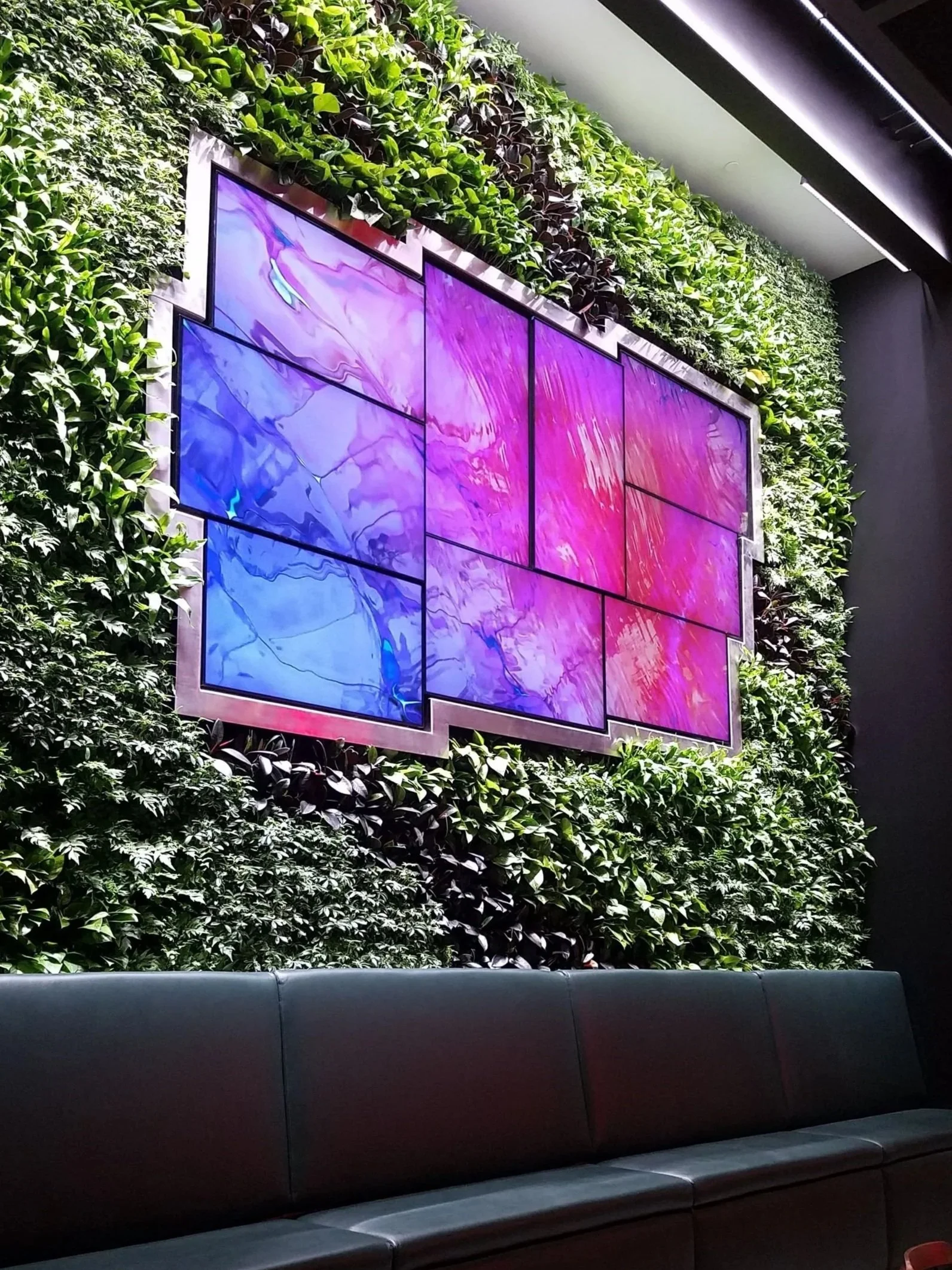
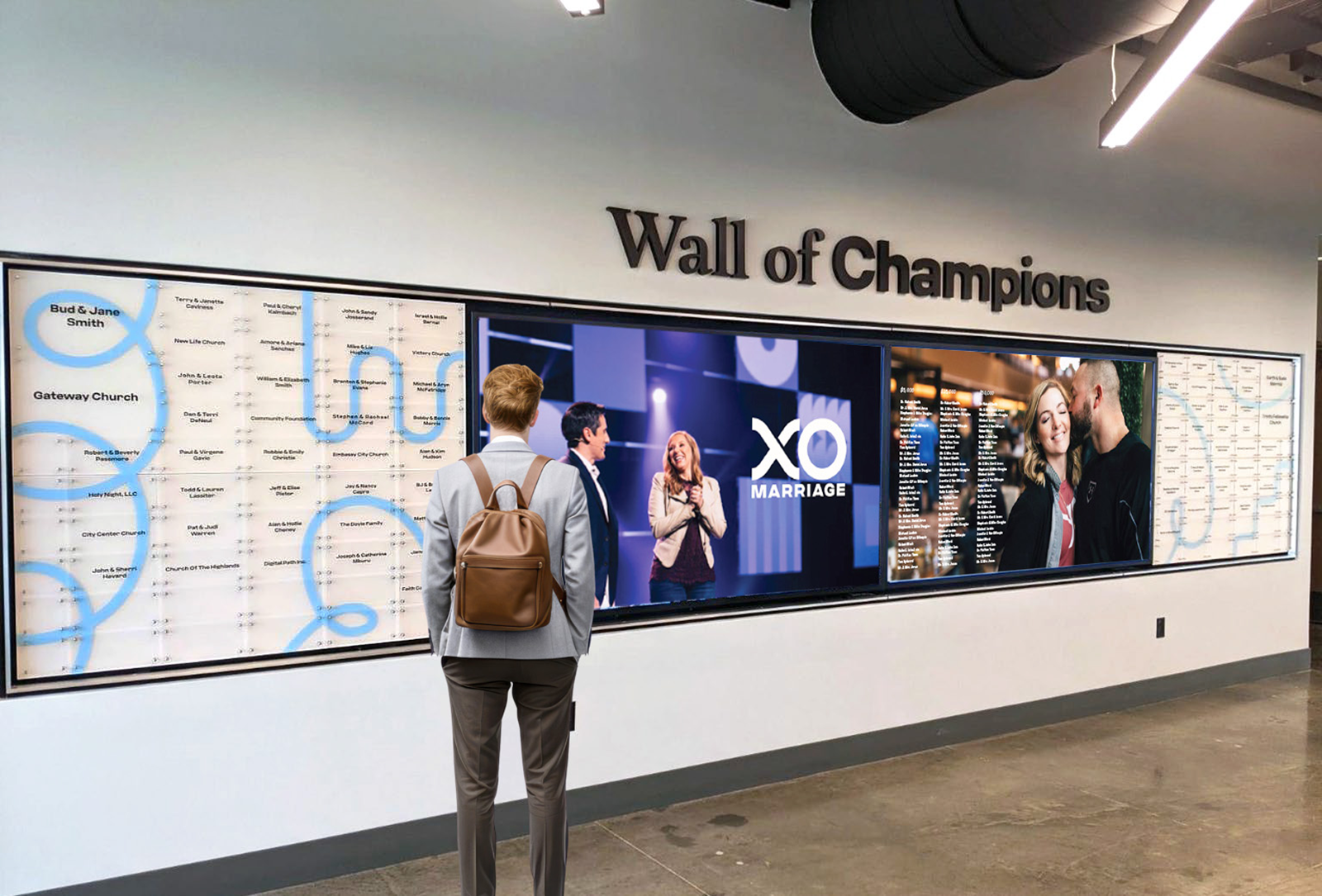
Types of Environmental Brand Experiences
Different environments demand different forms of storytelling and brand expression.
History & Storytelling Environments
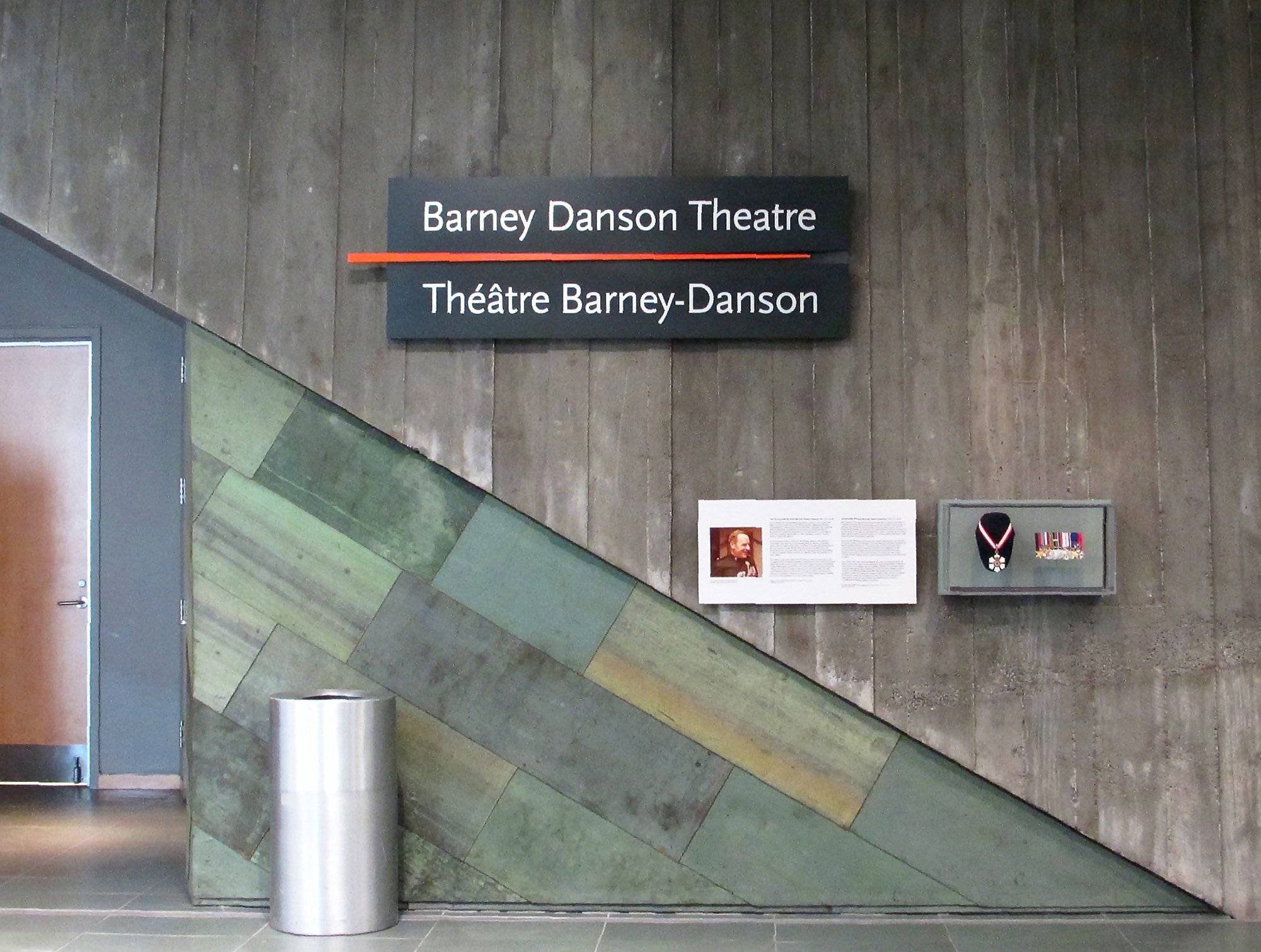
History walls and interpretive displays communicate an organization's legacy, milestones, and people, connecting those stories directly to the surrounding space.
Mission & Identity Graphics
Environmental graphics translate organizational values, mission, and identity into visual experiences that help visitors and employees grasp what the organization represents.
Donor Recognition
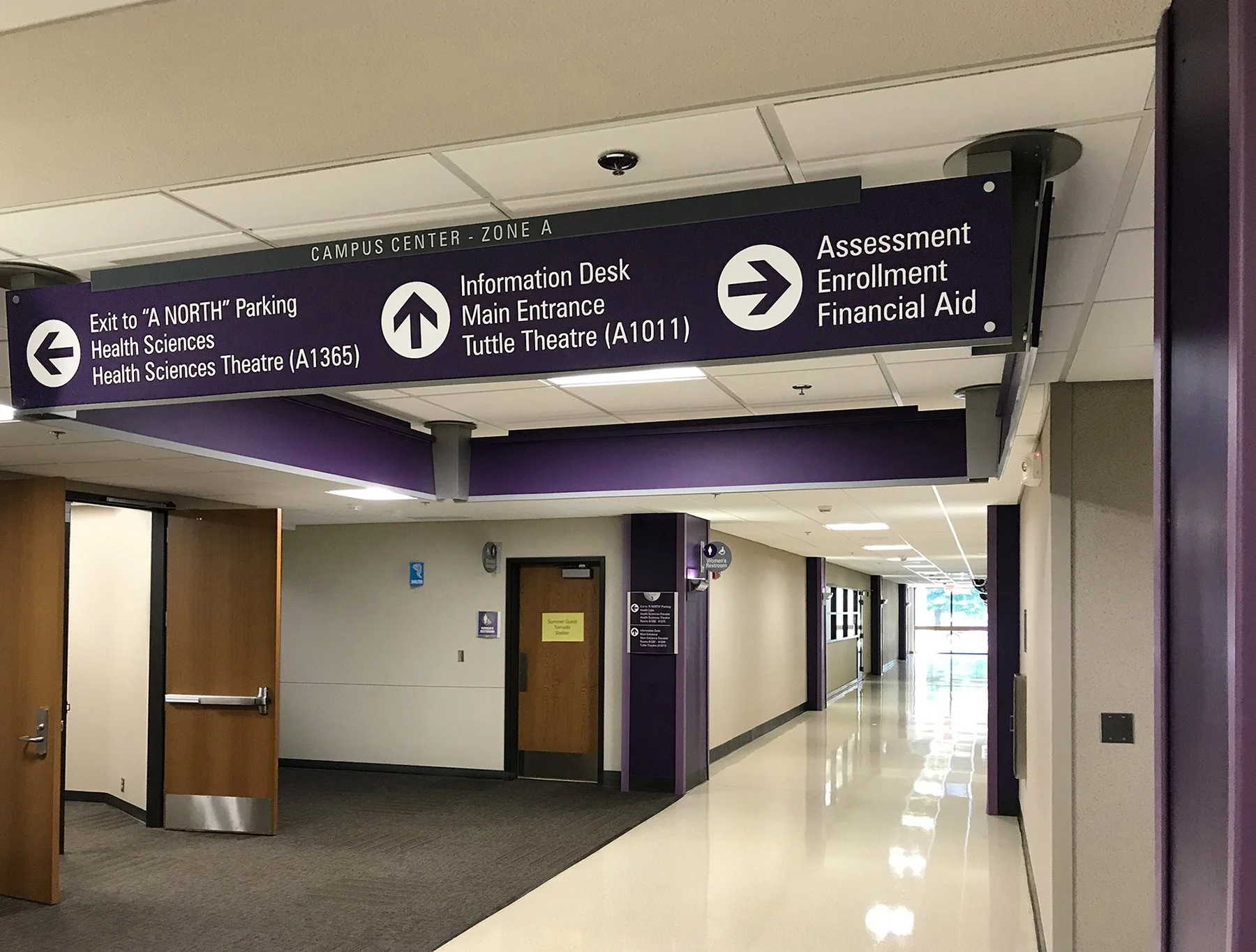
Recognition environments celebrate contributors and communicate the impact of their financial support while respecting the larger architectural context.
Digital & Interactive Experiences
Digital displays and interactive elements support changing content, storytelling, or real-time communication for projects demanding greater flexibility.
Place-Based Graphics
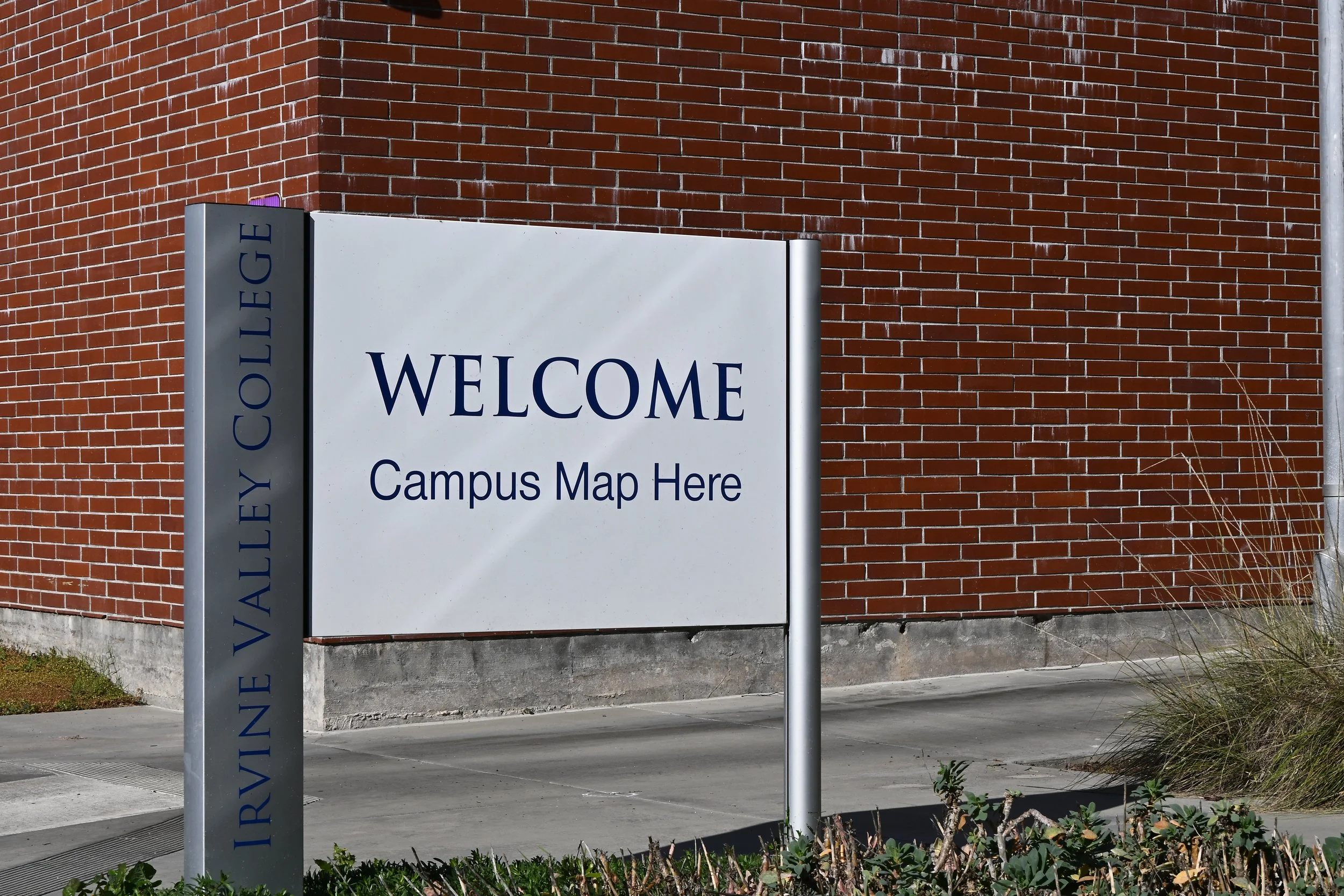
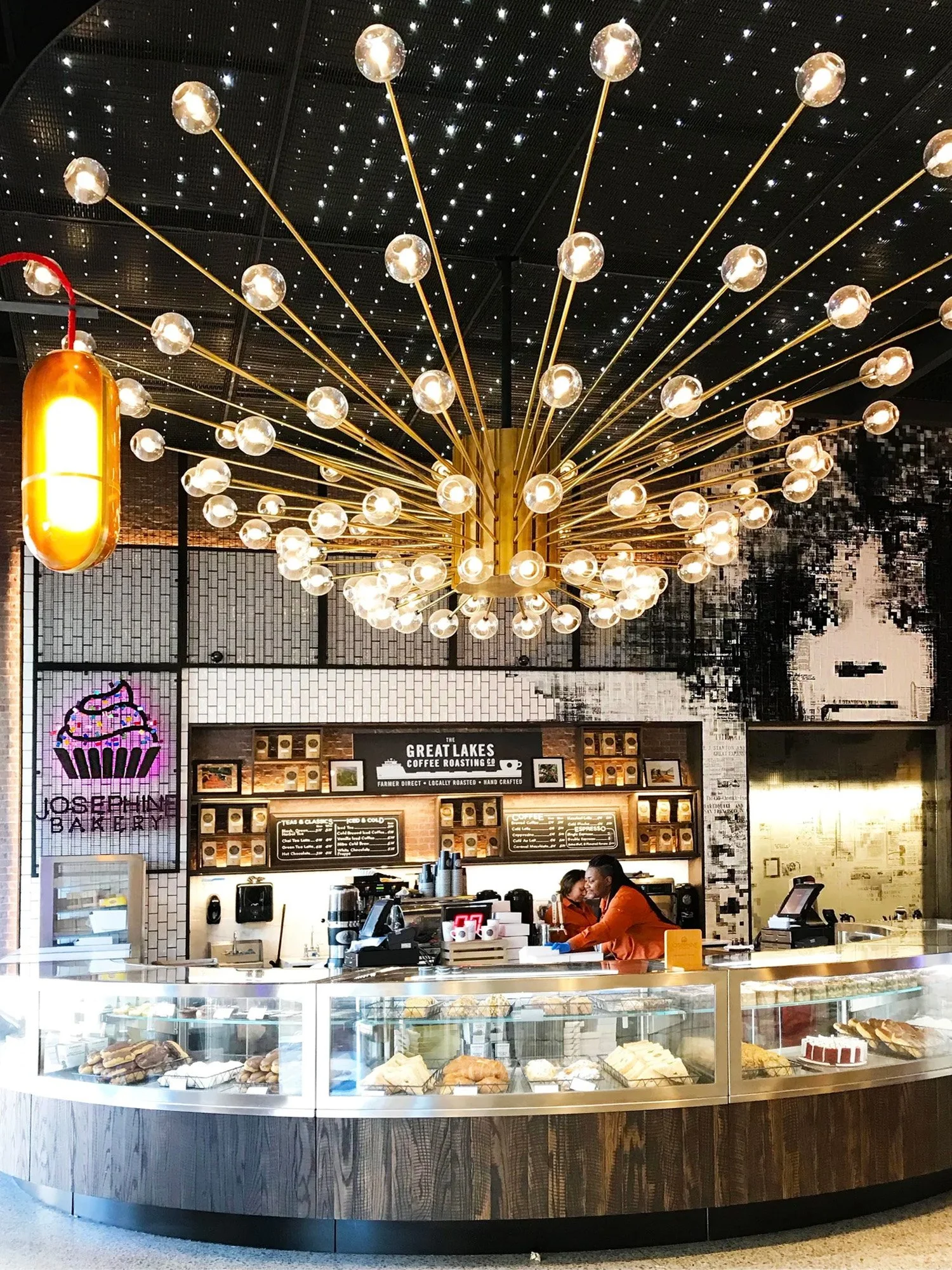
Graphics reinforce the distinct character of a building, institution, campus, or destination by linking visual communication with the history and identity of the specific place.

Designing Around the People Who Experience the Space
Environmental graphics succeed when designers prioritize the audience.
Different groups interact with the same environment in vastly different ways. Employees navigate a space every day, whereas visitors might experience it only once. Students, patients, residents, customers, and community members each bring distinct expectations.
We analyze:
Who uses the environment
What they already know
What stories matter most to them
Where meaningful interactions naturally occur
How much information they can comfortably absorb
How graphics relate to their physical movement through the space
This human-centered approach transforms environmental branding into an immersive experience rather than a random collection of decorative elements.

Creating a Cohesive Experience Across the Environment
A branded environment demands consistency without forcing every surface to look identical.
We establish deliberate relationships between graphics, messaging, typography, imagery, architecture, and spatial context so individual elements feel inherently connected. Content hierarchy also plays a critical role. Some messages command immediate attention. Others reveal themselves gradually as people explore the environment. Organizing these informational layers creates a natural progression and prevents visual overload.
Where Branded Environments Make the Most Impact
Environmental brand integration adds profound meaning to spaces where identity, story, and human connection matter.
Healthcare: Environmental graphics communicate history, mission, community connection, and organizational identity to comfort and orient patients and families.
Higher Education: Universities deploy branded environments to express institutional identity, celebrate achievements, share history, and strengthen campus culture.
Civic & Cultural Institutions: Museums, cultural organizations, performing arts centers, and civic spaces use graphics to share stories that connect visitors with the institution and the region.
Corporate Workplaces: Workplace environments reinforce organizational identity, history, values, and culture for employees, clients, and partners.
Residential & Mixed-Use Environments: Environmental graphics establish distinct character and identity across shared spaces and destinations within large developments.
Historic Properties: Storytelling elements highlight a place's history and significance while fiercely protecting its architectural integrity.
Connecting Environmental Graphics and Wayfinding
Brand expression and navigation often share the same physical footprint.
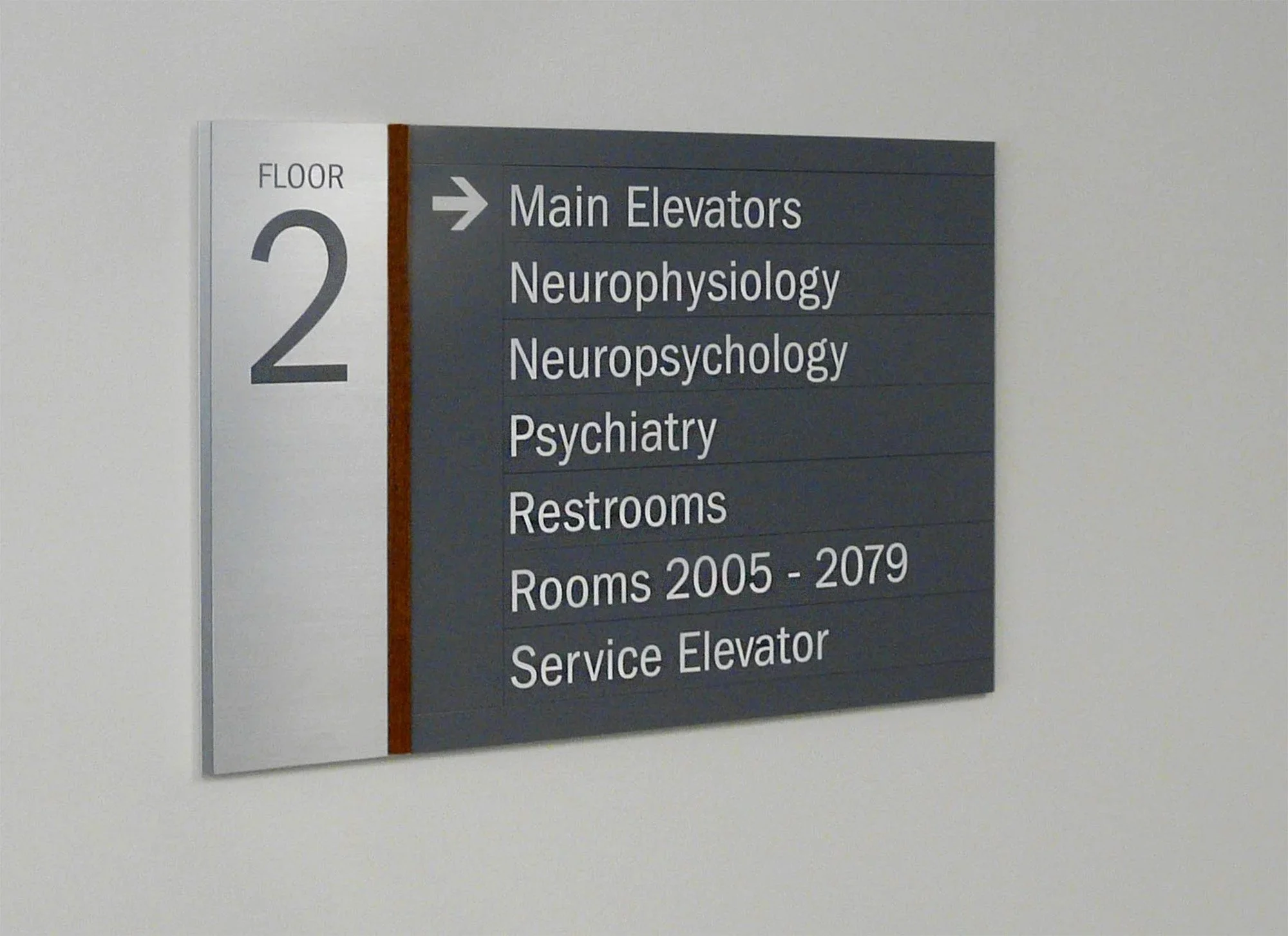
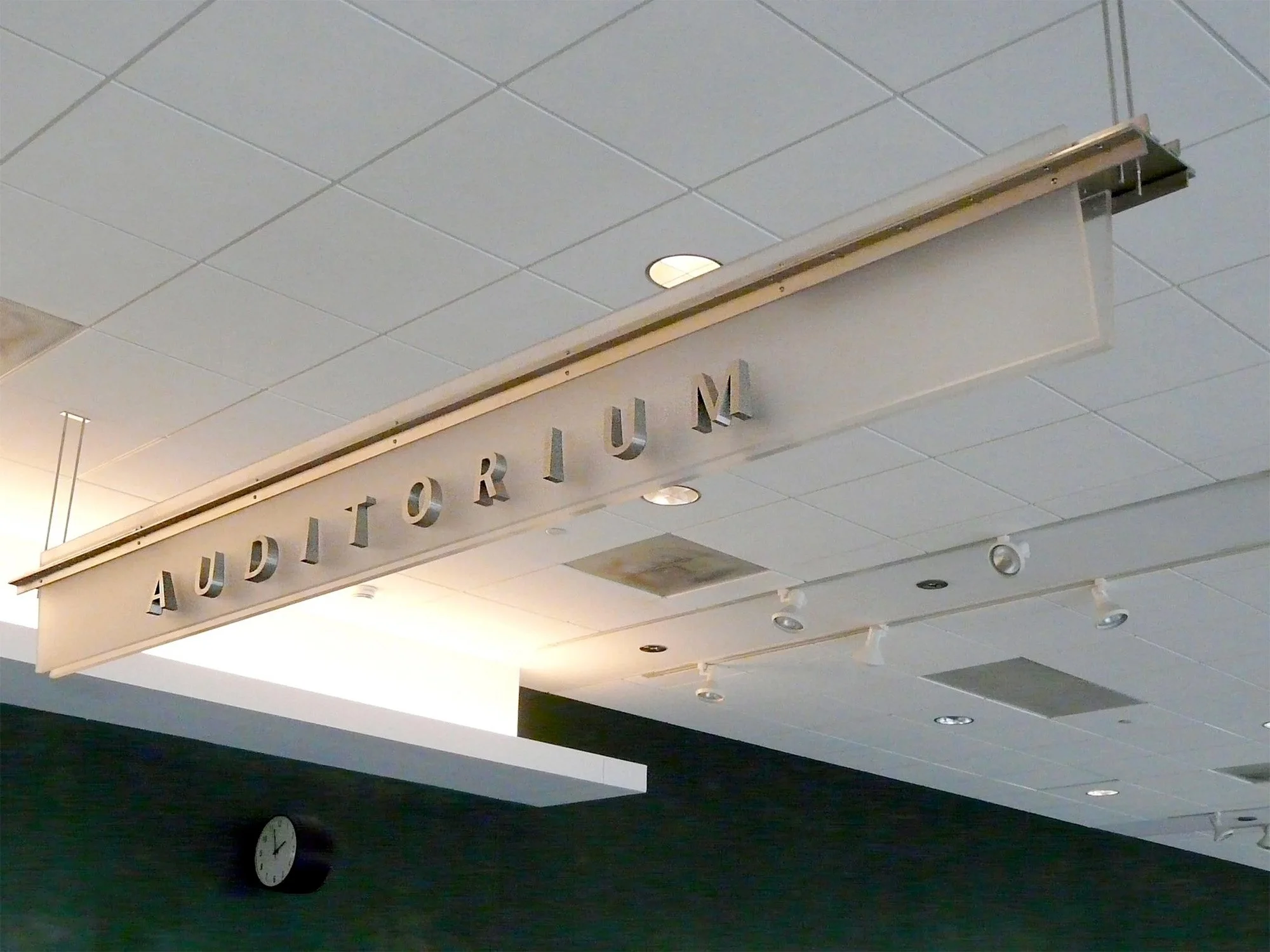
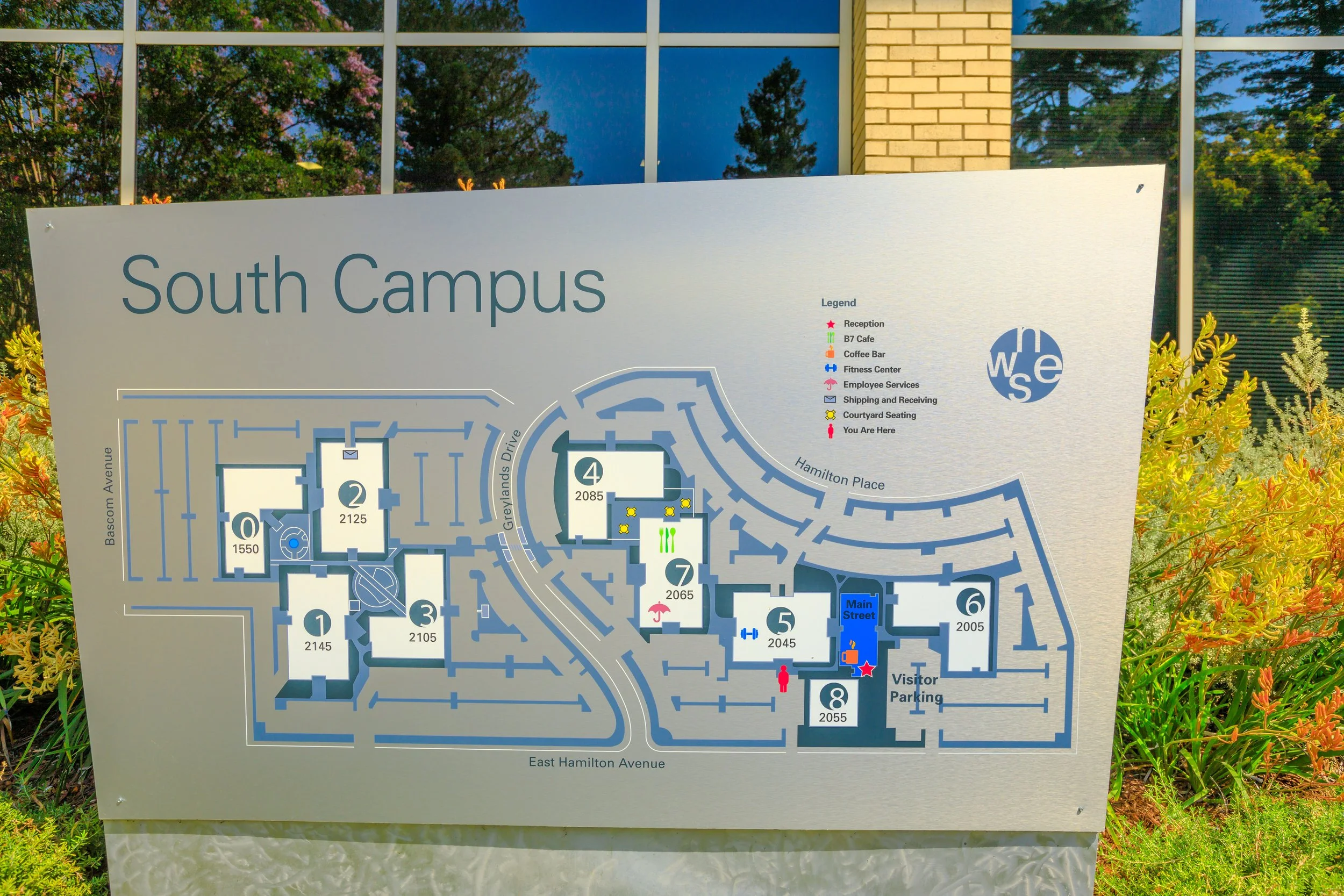
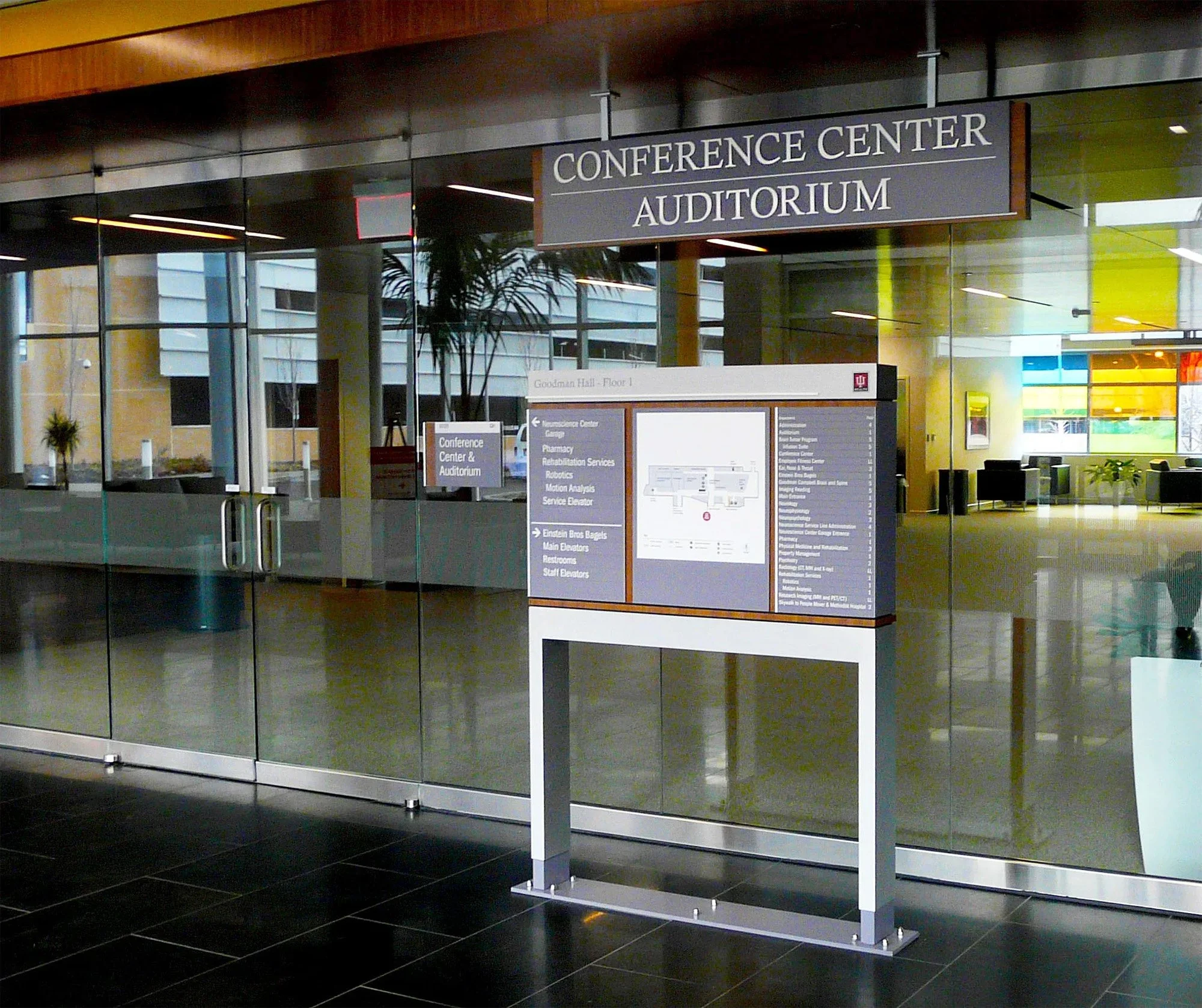
Environmental graphics strengthen identity and sense of place, while wayfinding helps people understand where they are and find their destination. Whenever appropriate, we coordinate these systems so they support, rather than compete with, one another. Typography, visual hierarchy, location, architecture, messaging, and identity all fuse to deliver a cohesive user experience.

From Strategy to Implementation
Powerful environmental graphics require much more than a striking visual concept. We connect strategy, content planning, design, and implementation to ensure each element's original purpose endures throughout the project lifecycle.
Depending on the project, our support includes:
Experiential strategy
Content planning
Messaging hierarchy
Graphic design
Architectural integration
Design documentation
Project coordination
Turnkey design-build delivery
This rigorous process maintains absolute consistency between the initial concept and the final constructed environment.

Why Work With Nicolson Associates?
Nicolson Associates approaches environmental graphics by mastering the relationship between people, story, and place.
We begin by understanding:
What the organization wants to communicate
Who needs to experience the message
Which stories demand emphasis
Where those stories belong spatially
How the architecture influences the user experience
How individual design elements connect across the entire environment
This strategy-led approach allows us to create branded environments that communicate with clear purpose instead of simply filling blank walls.
Frequently asked questions
-
Teams must introduce environmental graphics early enough to coordinate storytelling opportunities, architectural conditions, lighting, finishes, content, and placement. Early collaboration gives designers the necessary flexibility to integrate branded elements seamlessly into the environment.
-
Designers express a brand through compelling stories, typography, imagery, messaging, historical context, spatial moments, and unique visual languages. This approach builds a highly recognizable identity without relying on repetitive logos or overwhelming brand colors.
-
Environmental graphics respond directly to architectural scale, materials, finishes, sightlines, lighting, circulation, and spatial character. Designers coordinate these elements so the graphics complement the physical environment while communicating clearly and effectively.
-
The right content depends entirely on the organization and its audience. Projects typically communicate mission, values, history, major milestones, community impact, organizational identity, donor stories, or other narratives that help people understand the place's significance.
-
Designers map out audience movement, viewing distances, sightlines, architectural opportunities, content importance, and the sequence of the user experience. Strategic placement gives every message a clear purpose rather than merely filling available architectural surfaces.