
Identification Signs & Destination Logic
Identification signage is the final handshake in the user journey. It provides the definitive confirmation that a visitor has arrived at their destination. From tactile room signs in a hospital suite to monumental building identification on a university campus, these signs must balance strict code compliance with brand elegance.
The Psychology of "Arrival"
A successful wayfinding system relies on a "hand-off" between directional signs (the journey) and identification signs (the destination). Effective identification signage delivers:
Immediate Validation: Eliminating the "am I in the right place?" anxiety at the threshold of a room or building.
Architectural Harmony: Utilizing materials and mounting methods that feel native to the building's design, not like stickers applied as an afterthought.
Code Compliance: seamless integration of ADA requirements (Braille, tactile characters, contrast) without sacrificing aesthetic quality.
Identification Solutions by Function
We categorize identification signage into four distinct tiers of information:
-
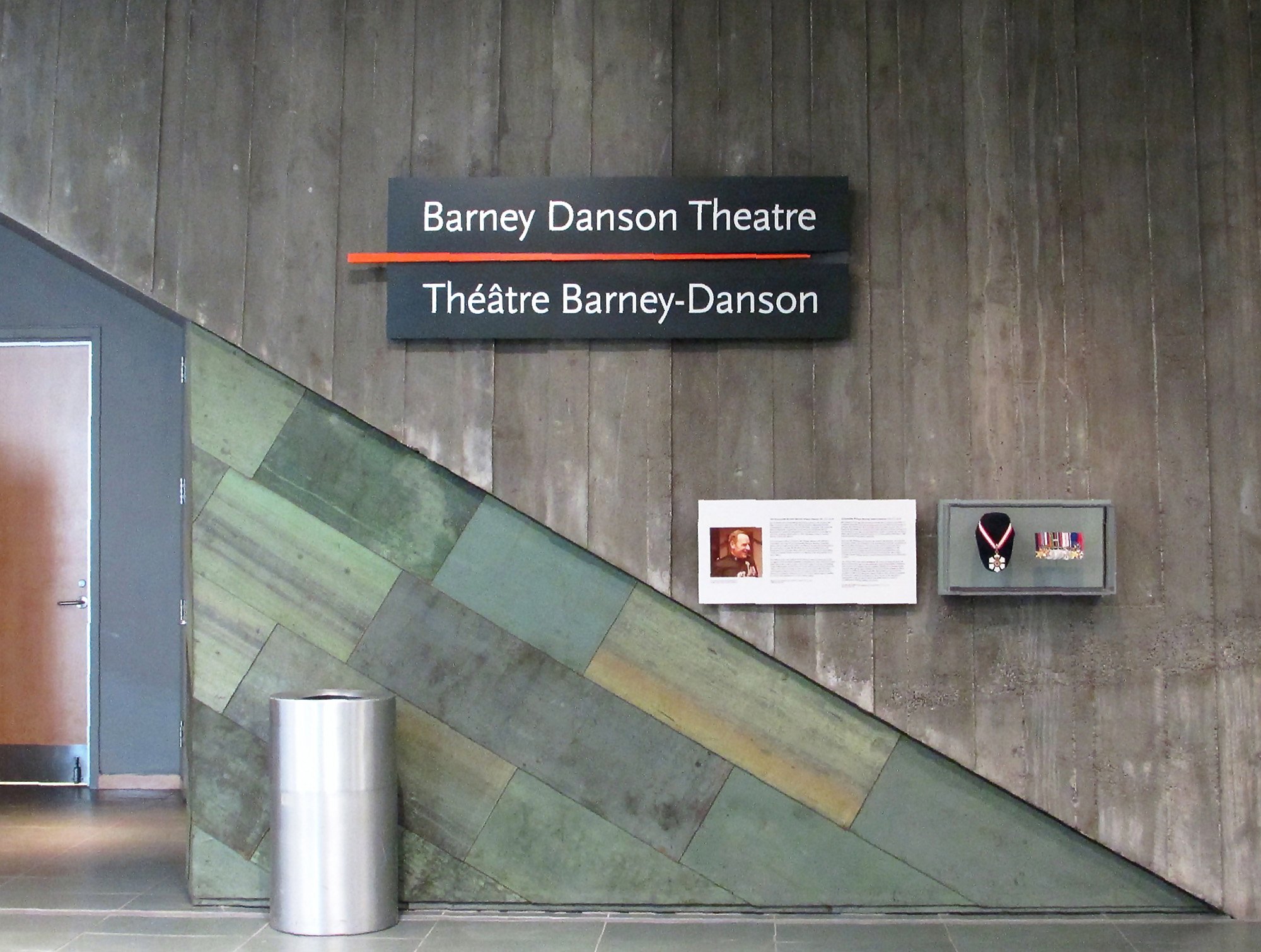
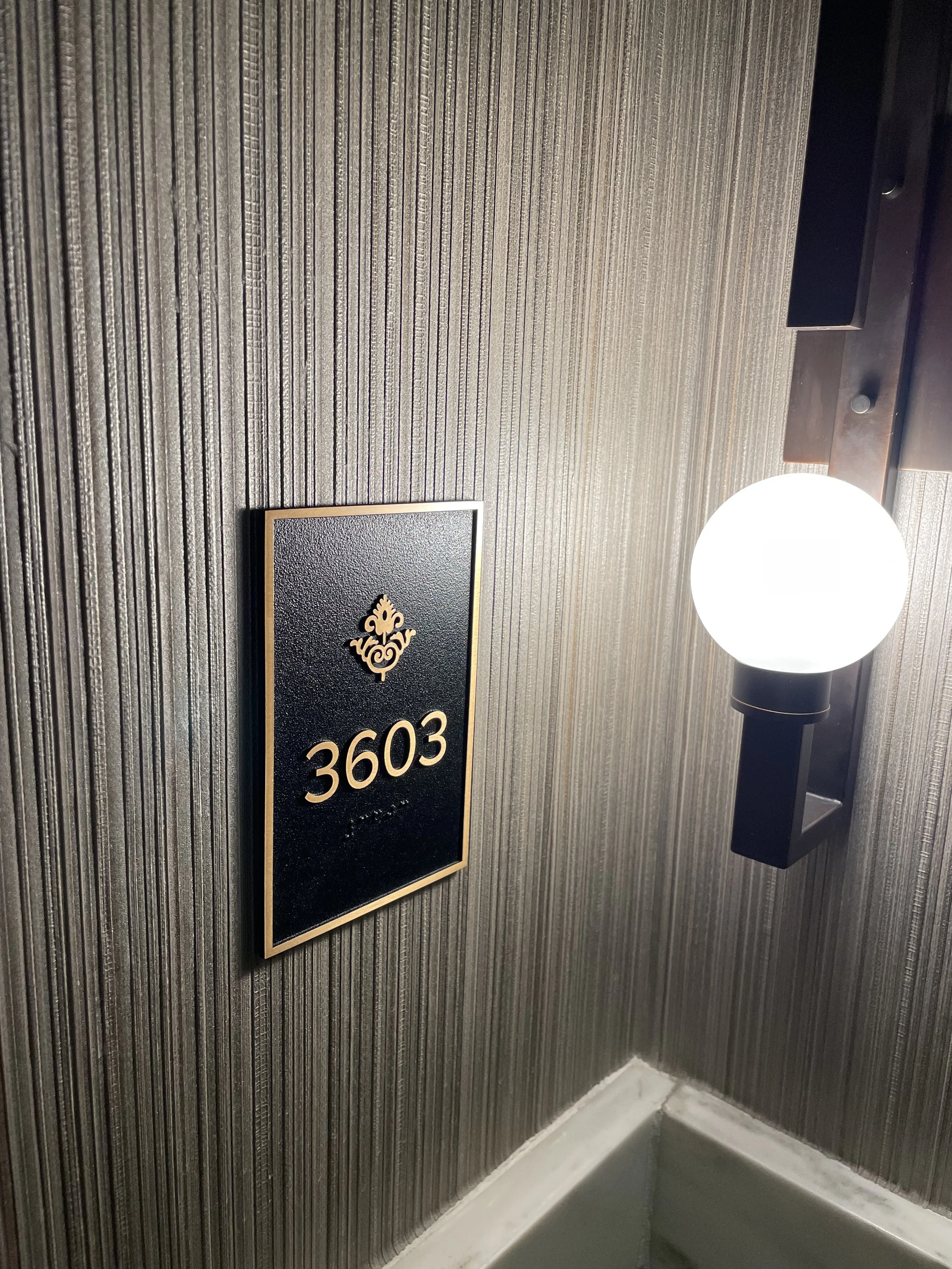
Room & Space Identification
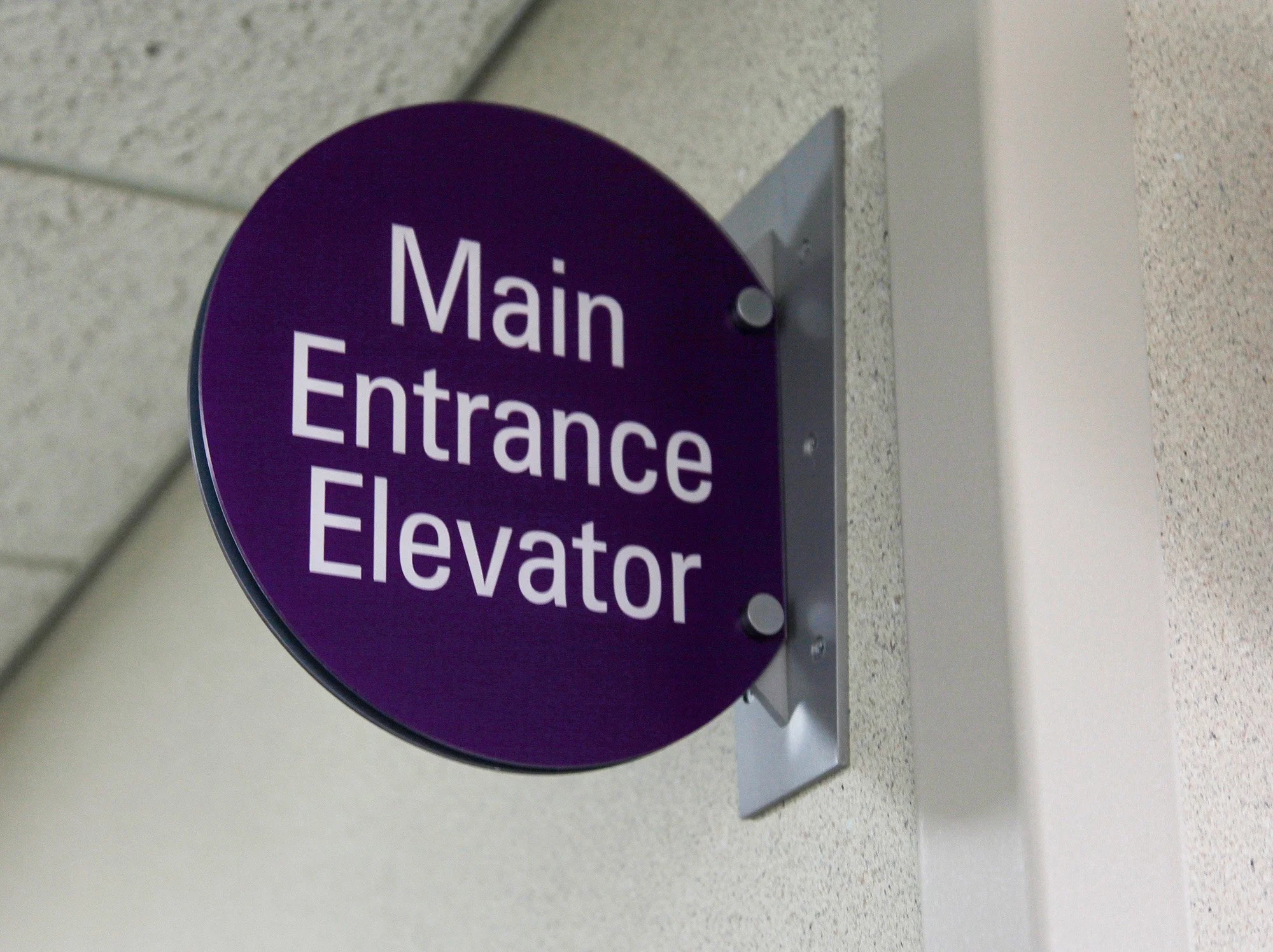
The most granular level of signage. This includes permanent room numbers, workstation IDs, and restroom signage. We design these high-volume signs to be modular, durable, and fully compliant with ADA and local fire codes.
-
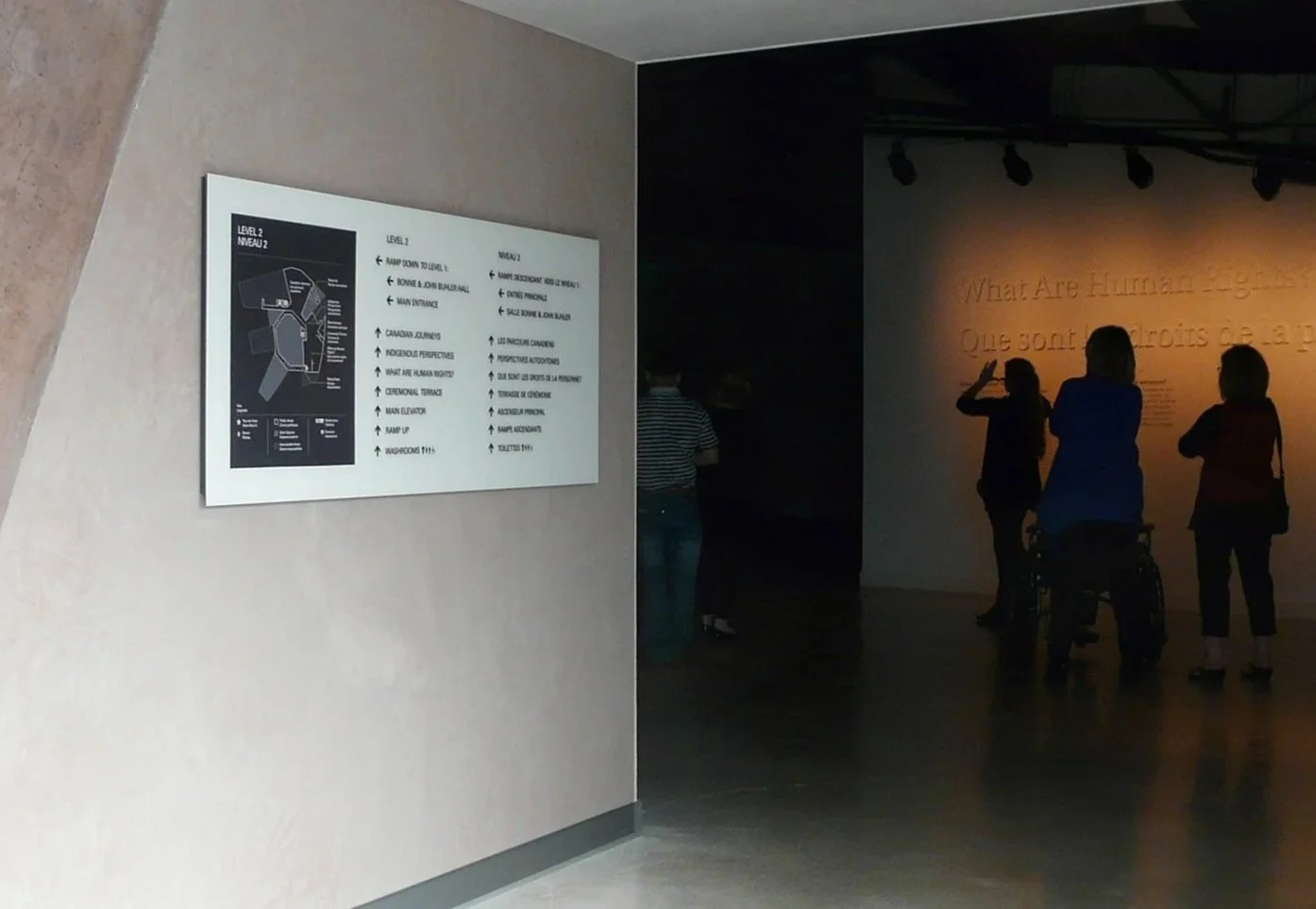
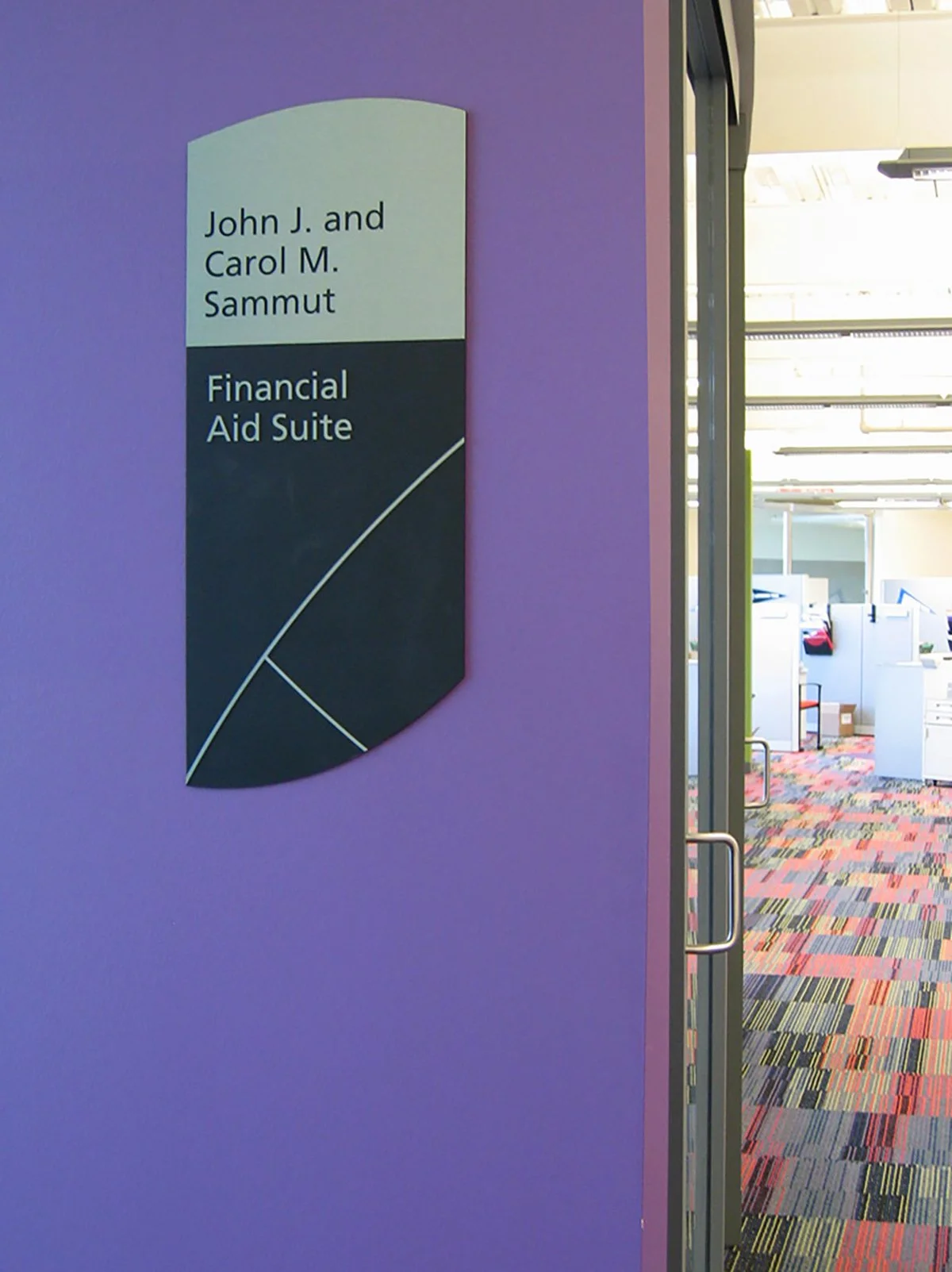
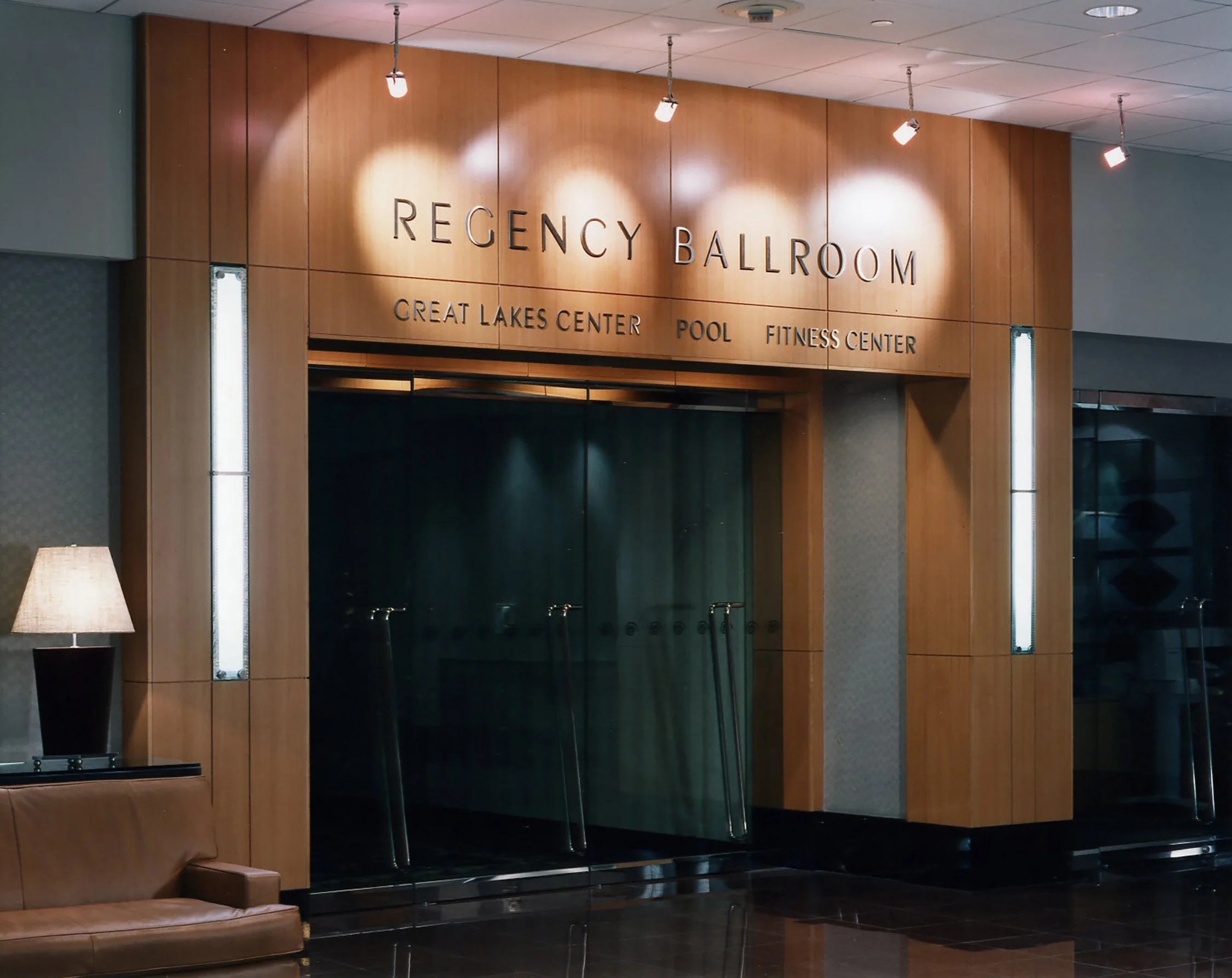
Departmental & Zone ID
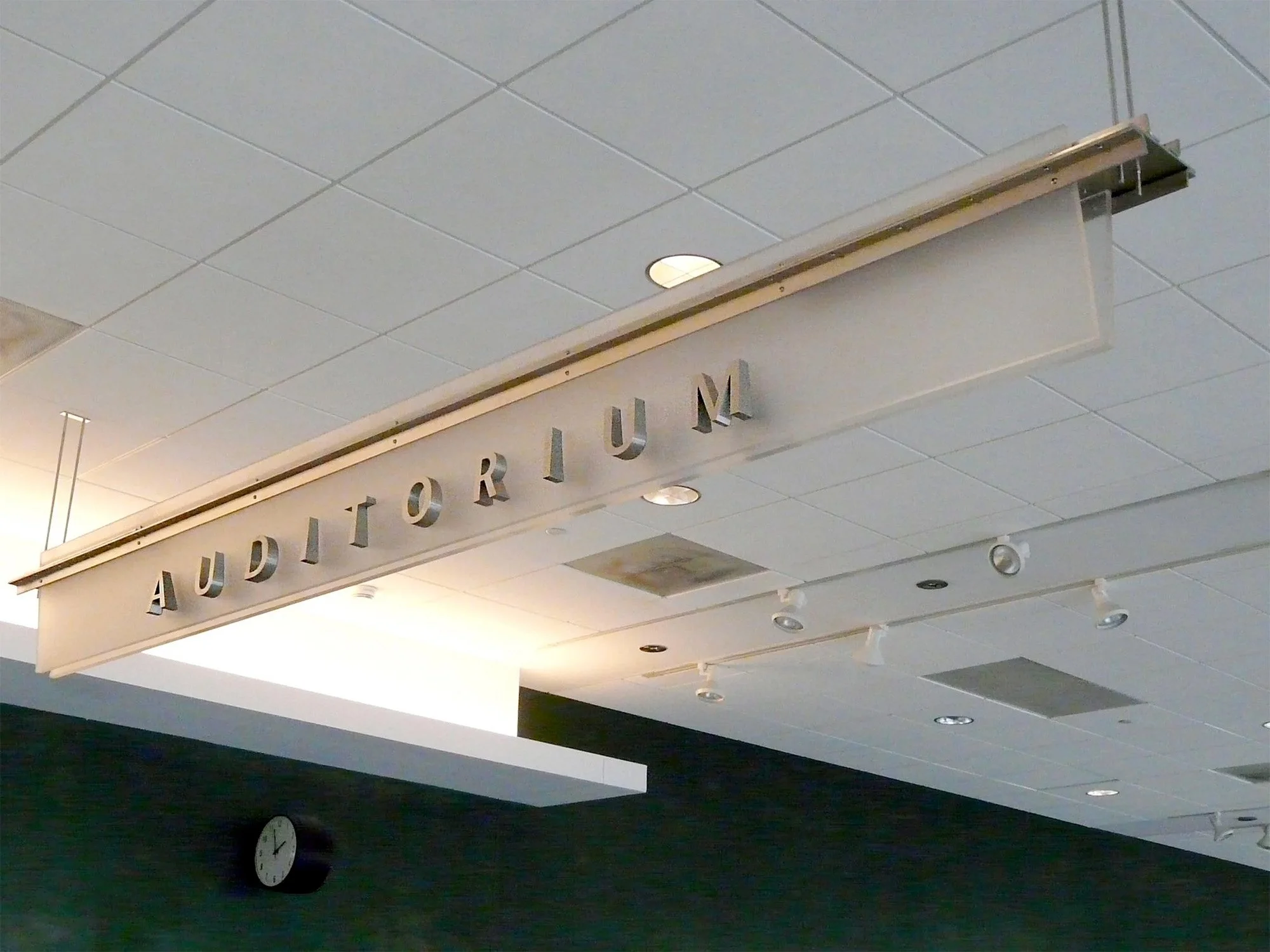
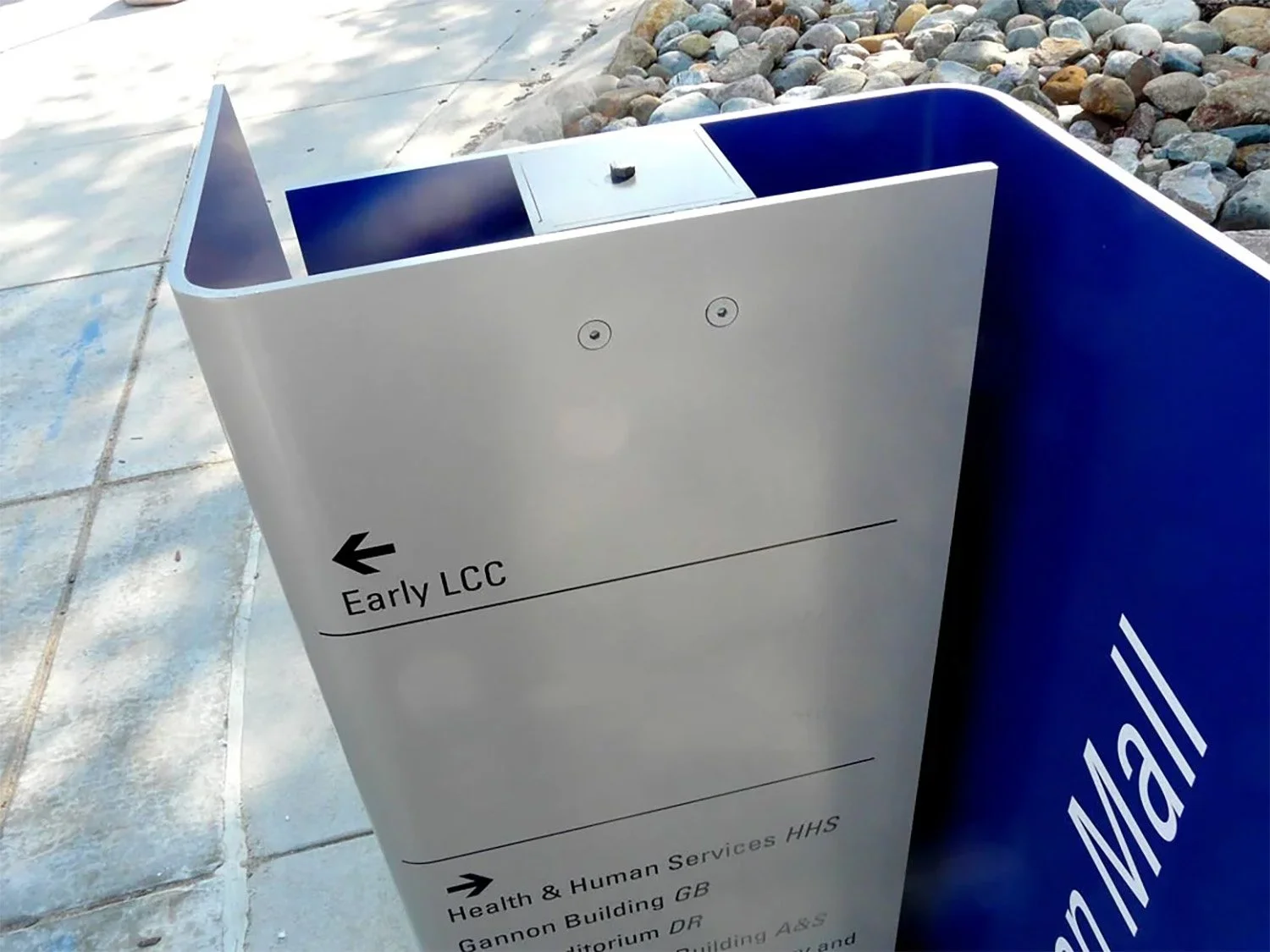
Identifying larger operational areas (e.g., "Oncology," "Human Resources," "North Wing"). These signs often serve as "sub-destinations" that bridge the gap between the main lobby and individual rooms.
-
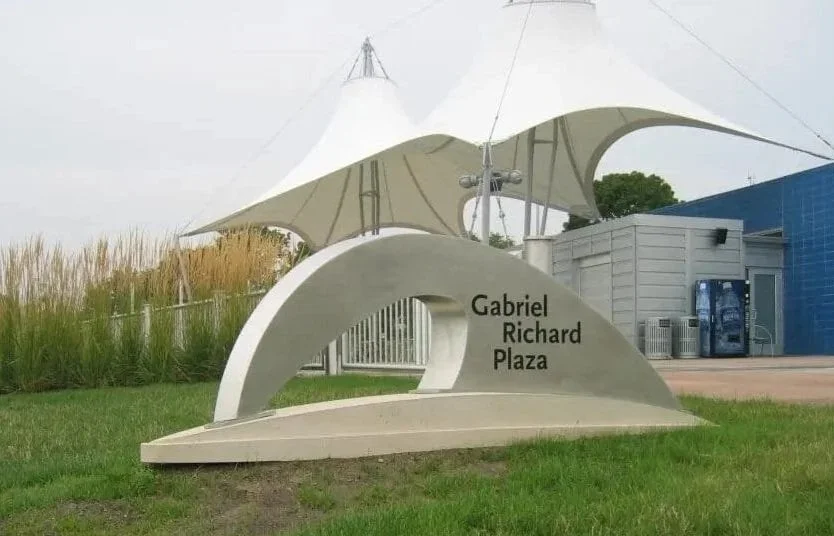
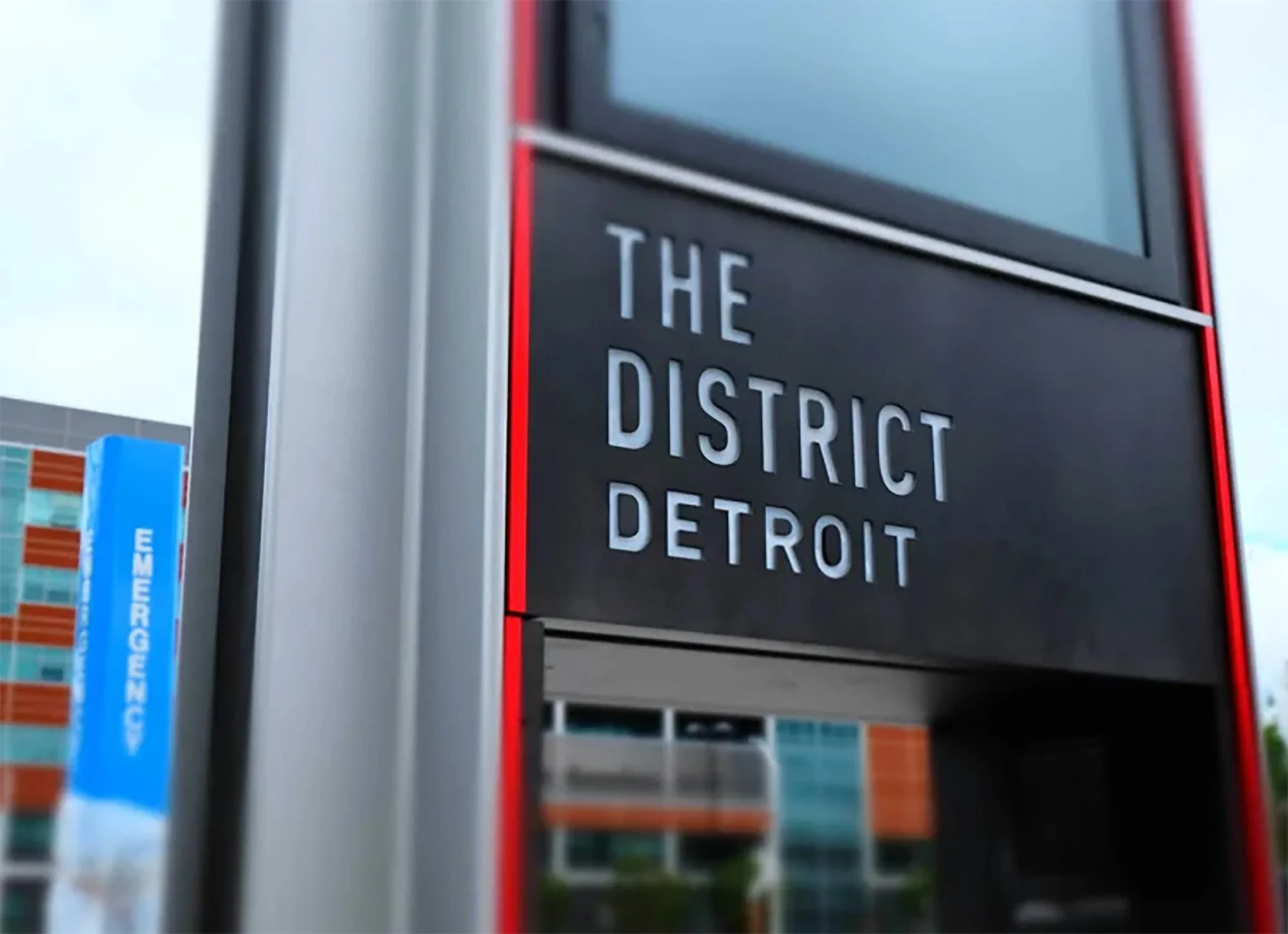
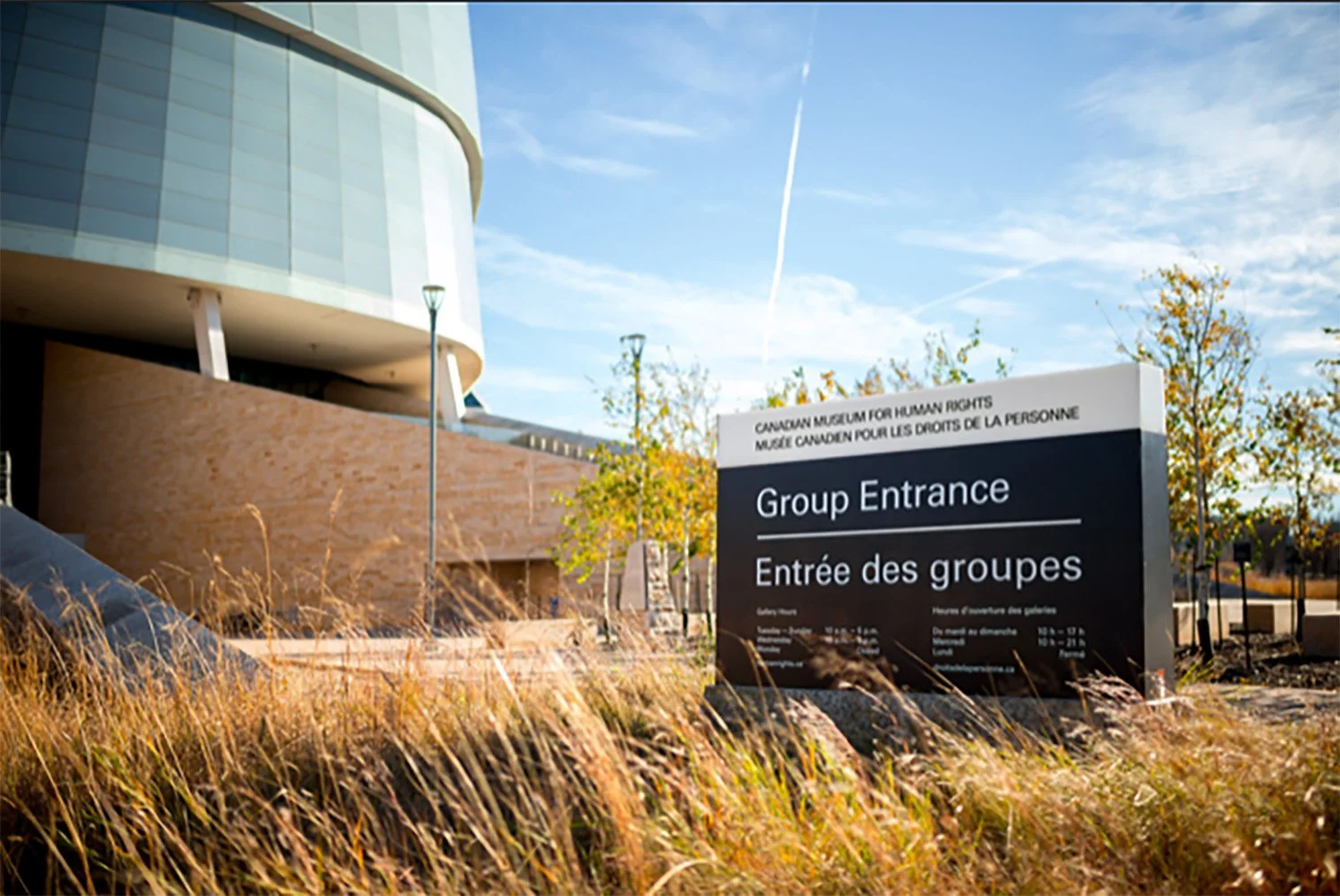
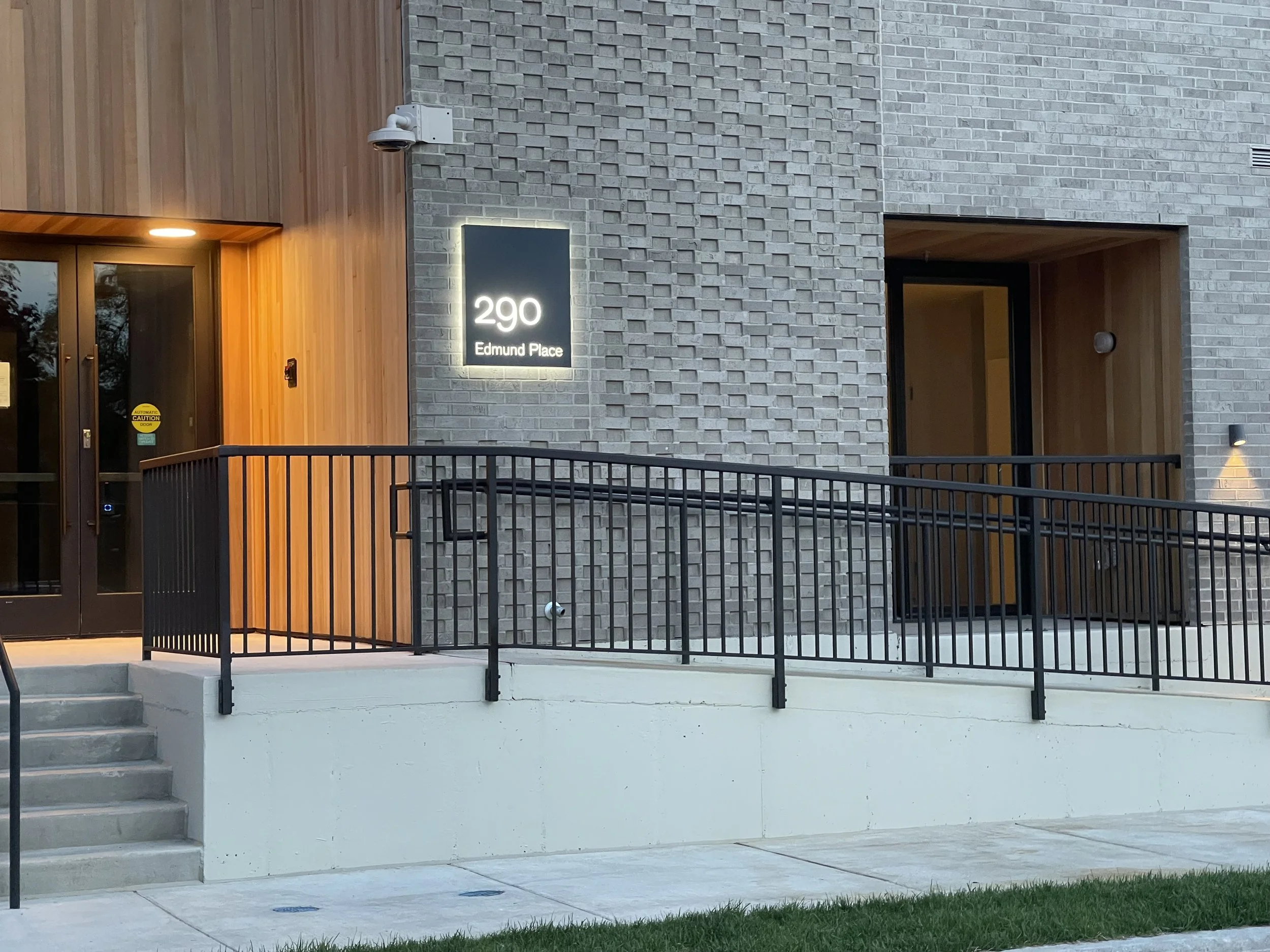
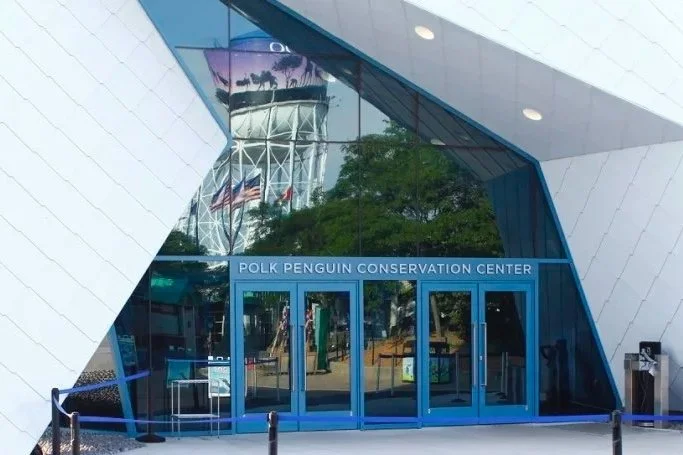
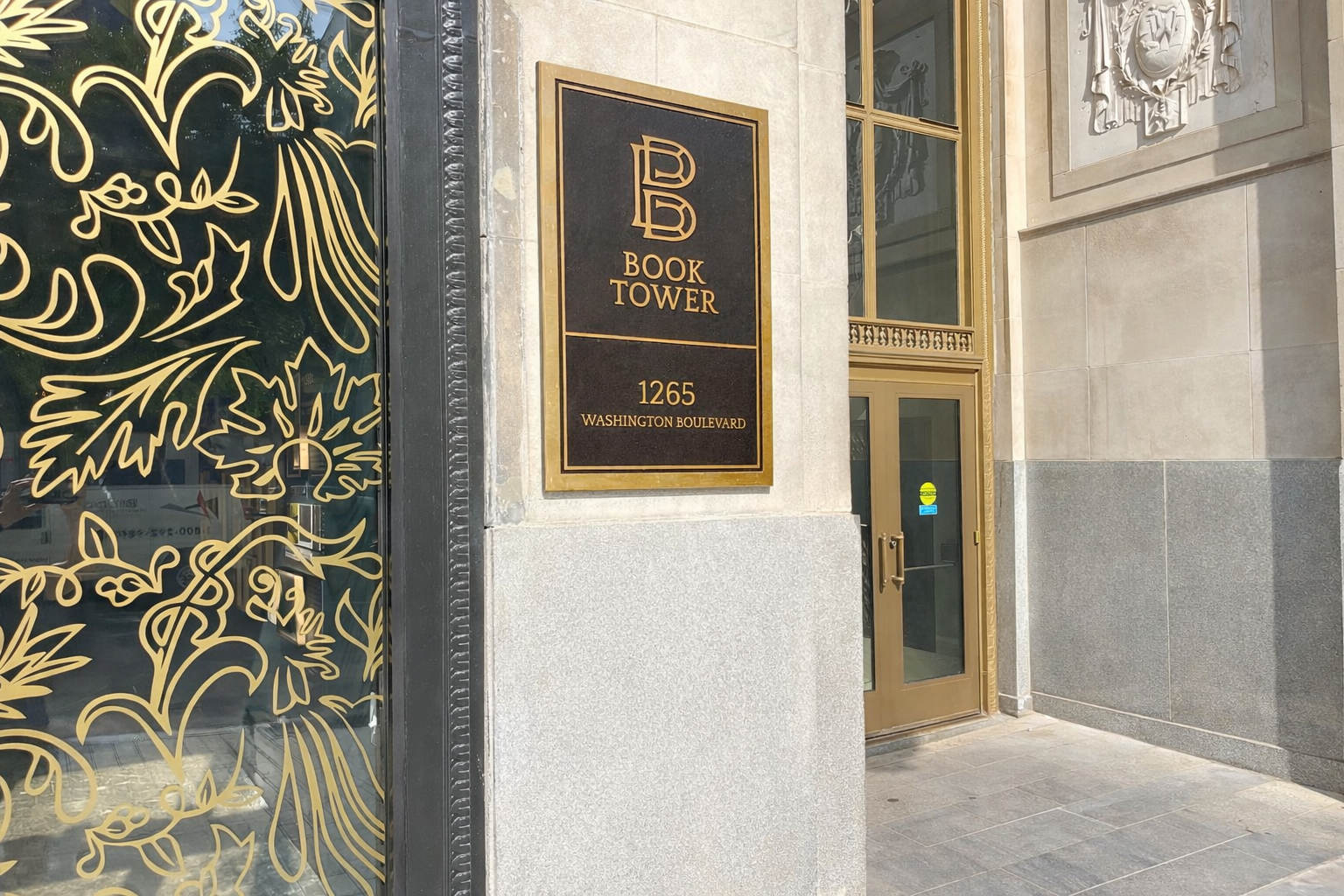
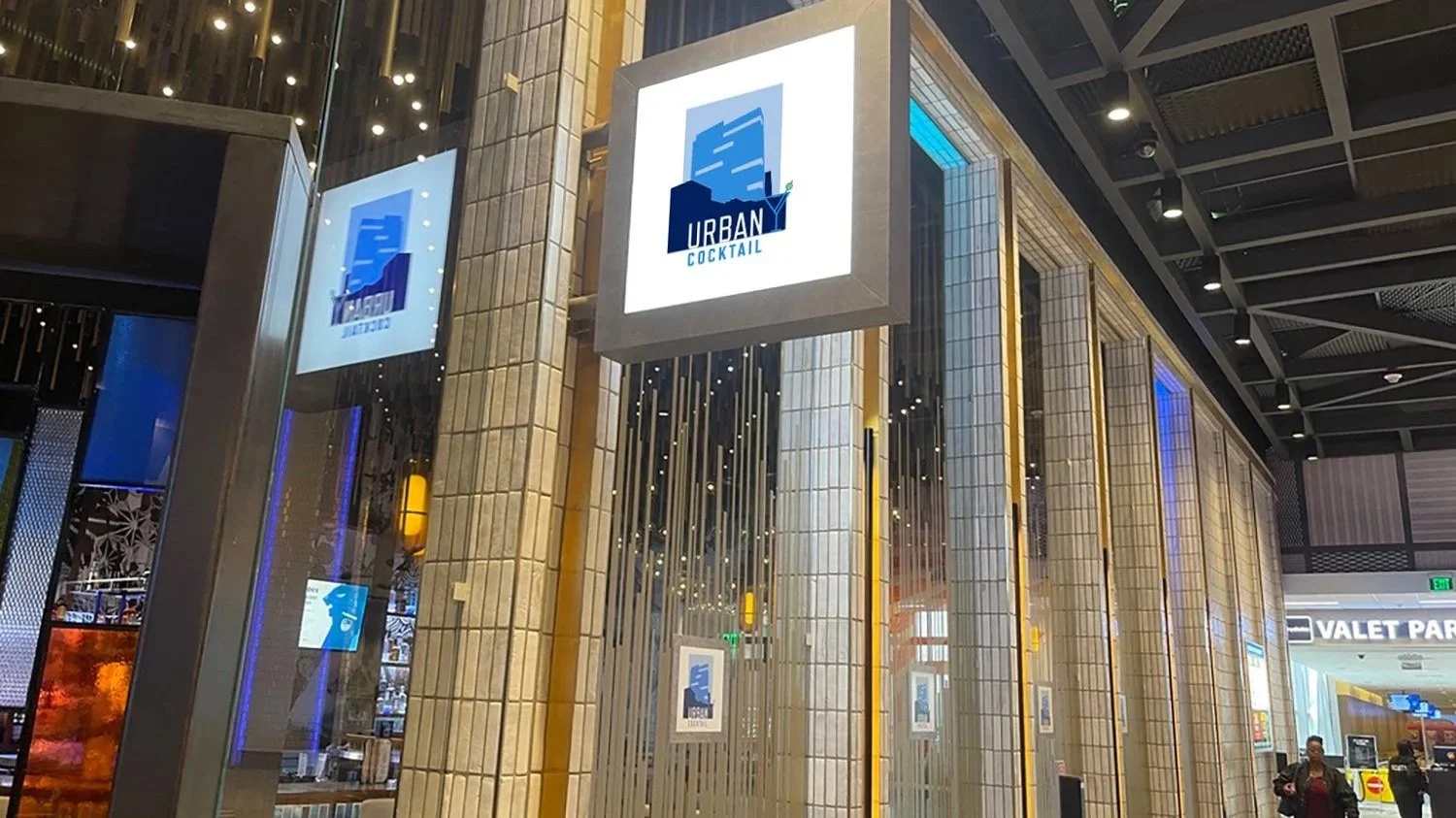
Building & Monument Signage
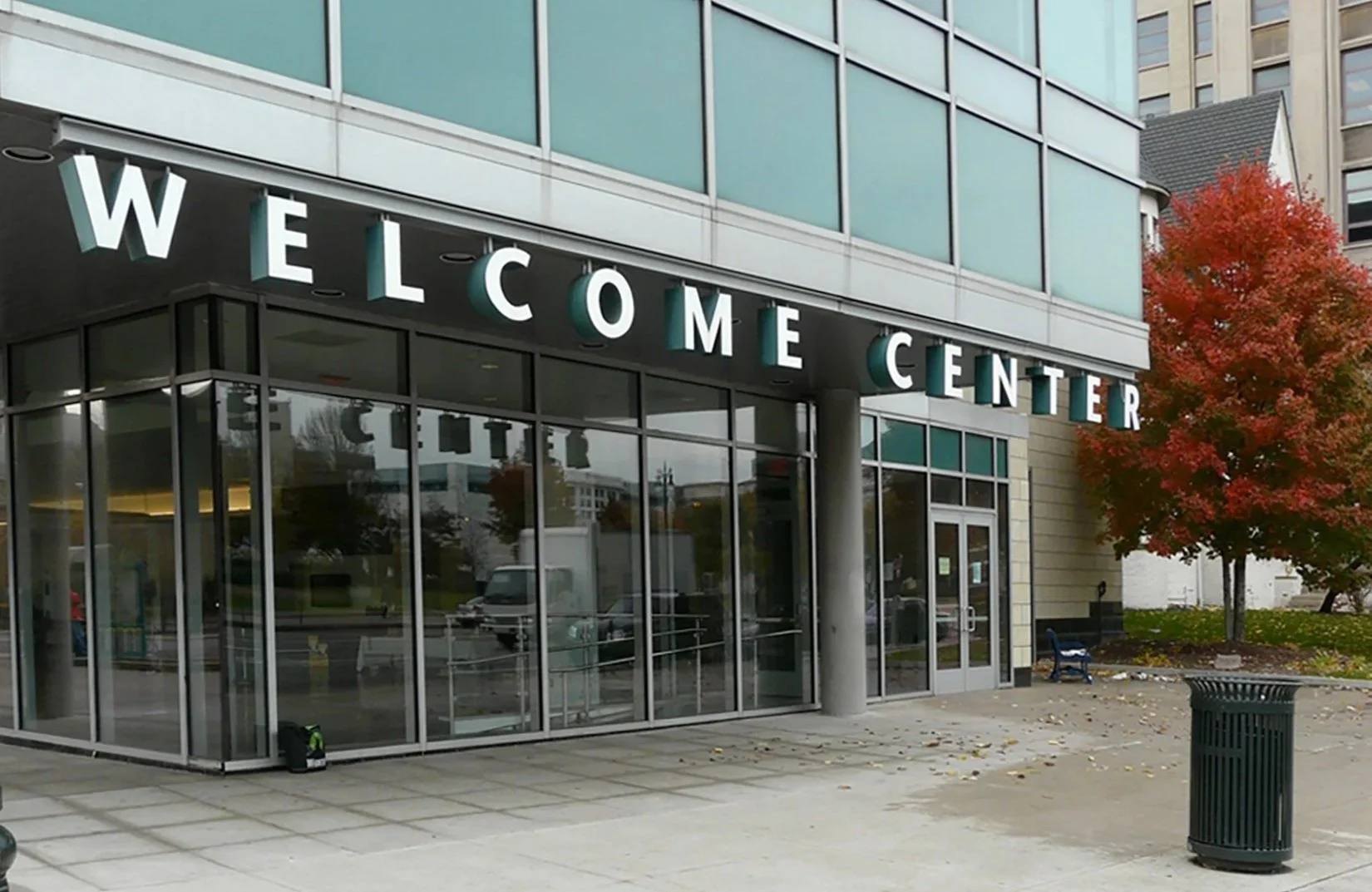
Exterior identification that serves as the site's primary landmark. We specialize in fabricating large-scale architectural letters and monuments that act as the anchor for the entire campus address system.
-
Tenant & Suite ID
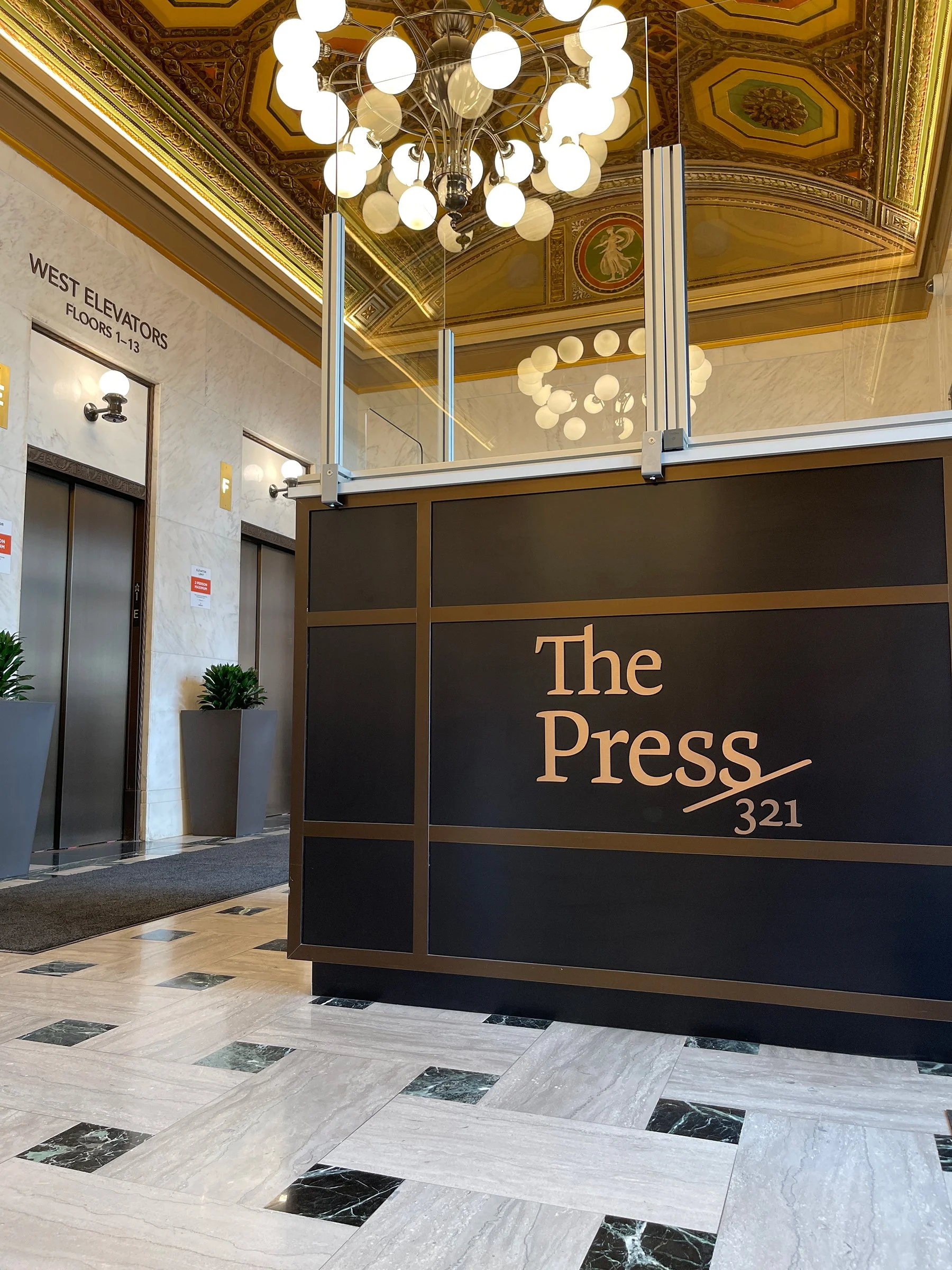
For multi-tenant environments, we design flexible slat or insert systems that allow for easy updates while maintaining a cohesive building standard.
Custom Fabrication vs. Catalog Options
Off-the-shelf signs rarely fit the nuanced needs of a complex facility. Our Design-Build approach enables us to create identification systems that align with your architectural palette.
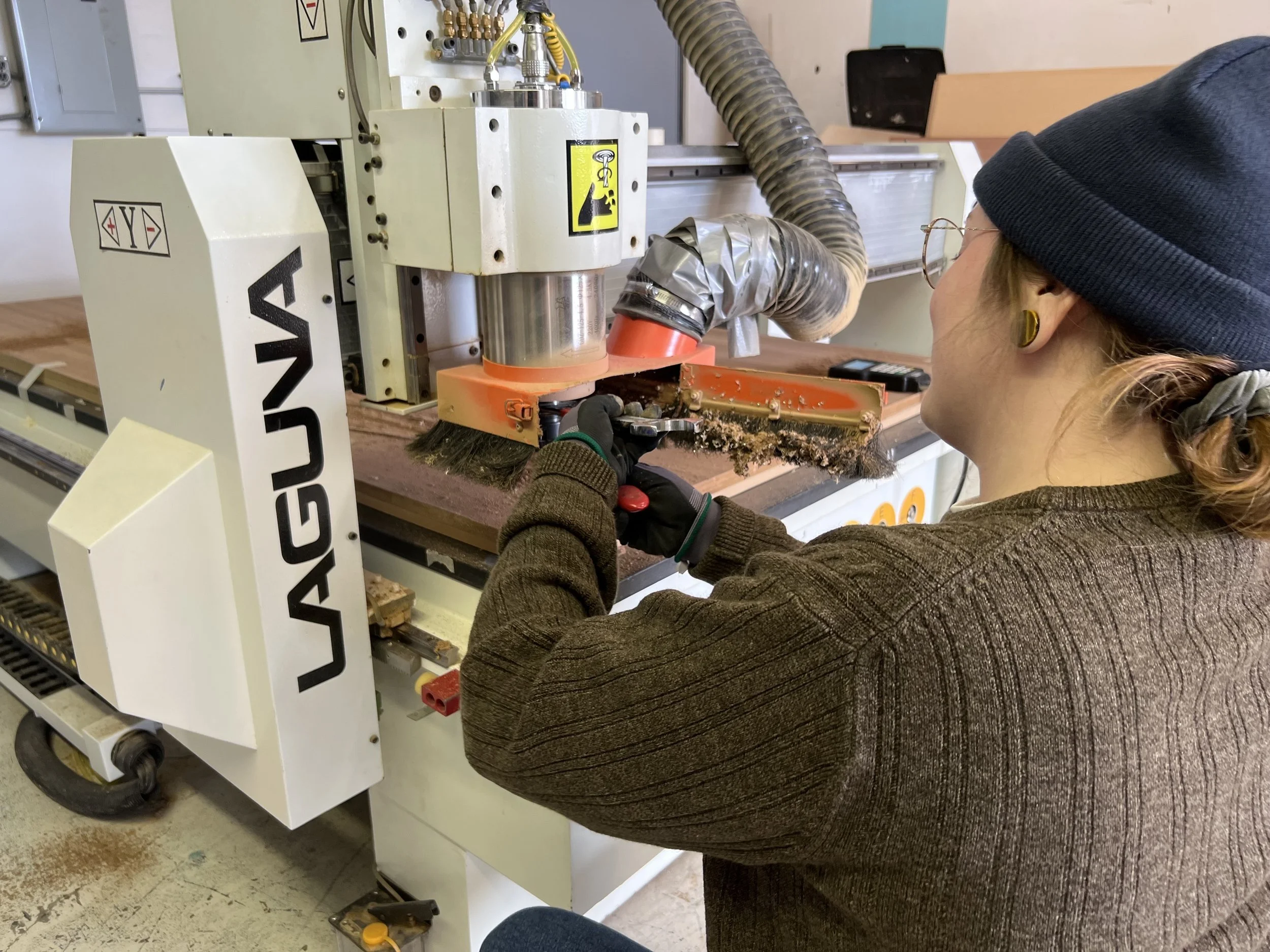
Materiality: We work with photopolymer, etched zinc, acrylic, and fused metal to create tactile signs that are virtually indestructible yet visually refined.
Integrity: We ensure mounting methods are tamper-resistant for schools and public spaces, yet removable for painting and maintenance.
Flexibility: We design systems with interchangeable inserts for rooms with high turnover (e.g., faculty offices), helping protect your investment from obsolescence.

Identification Signage in Practice

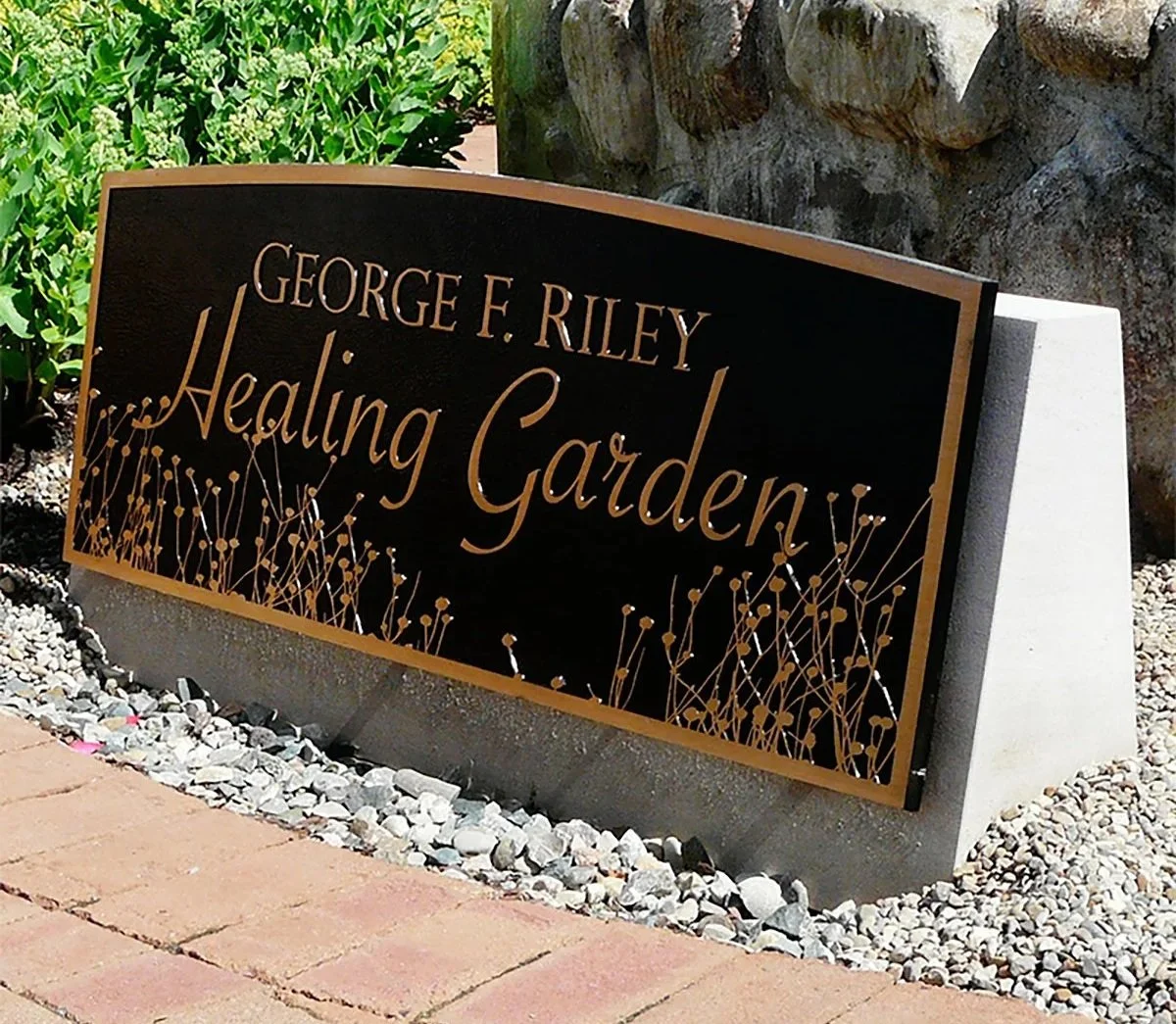
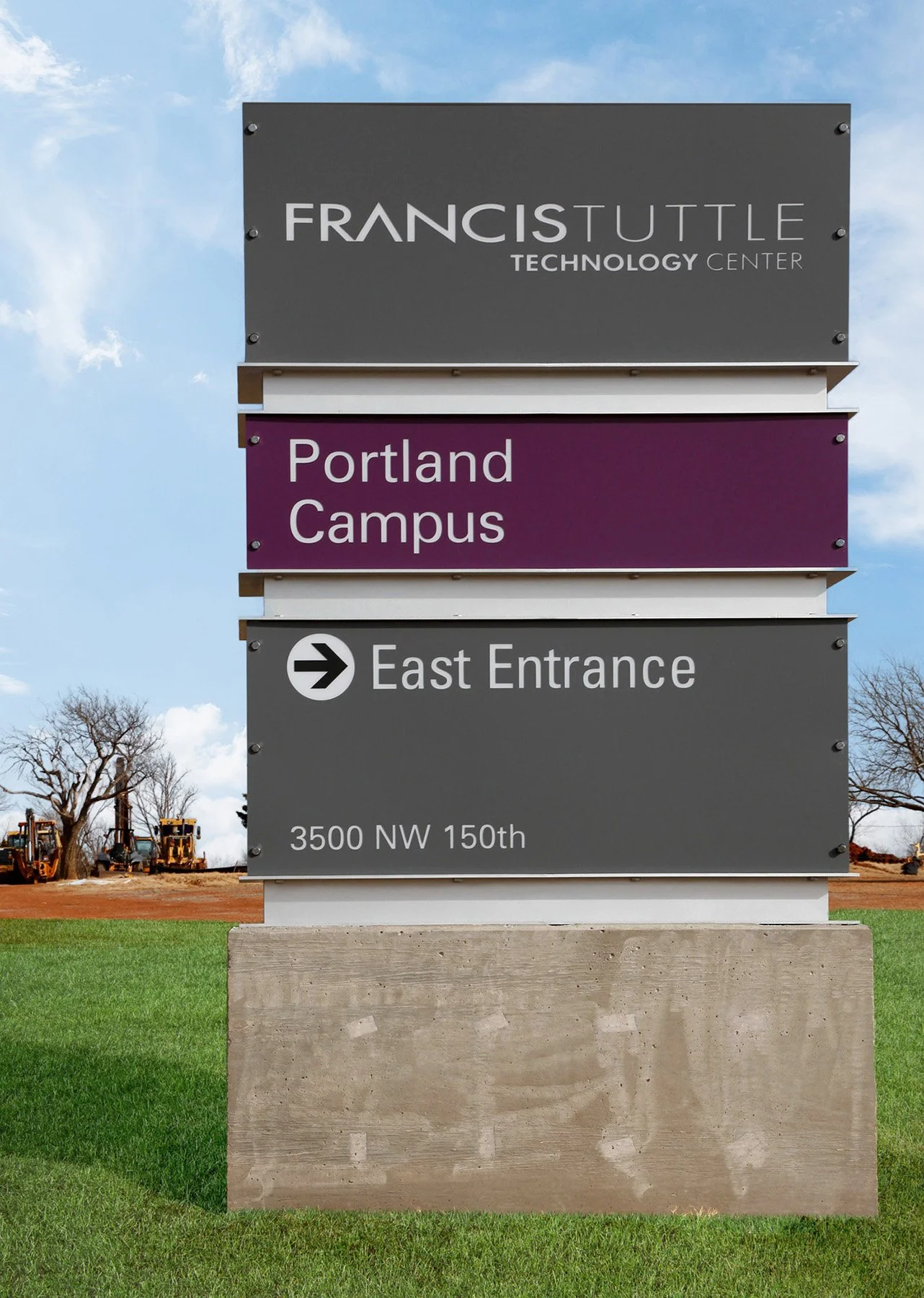
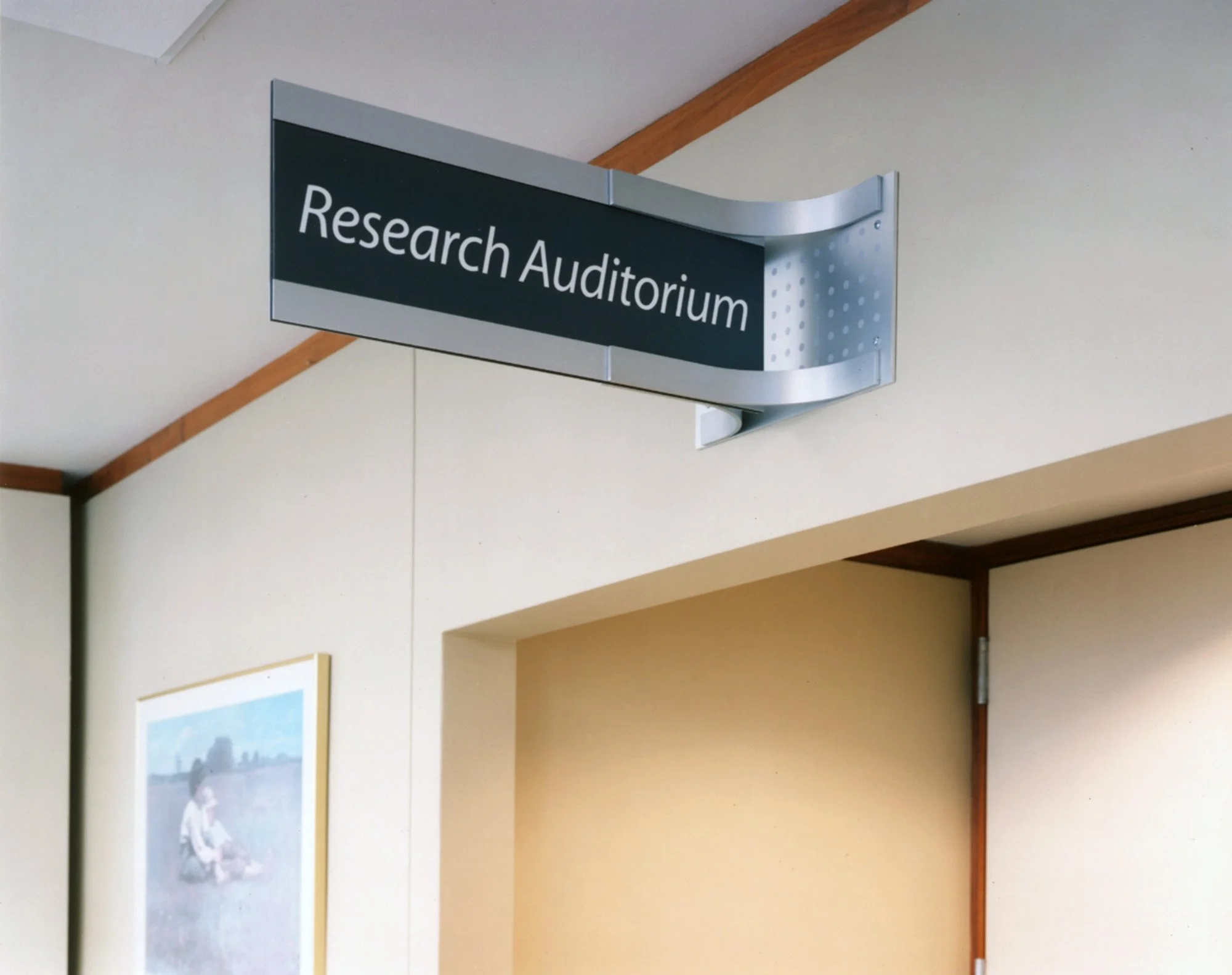
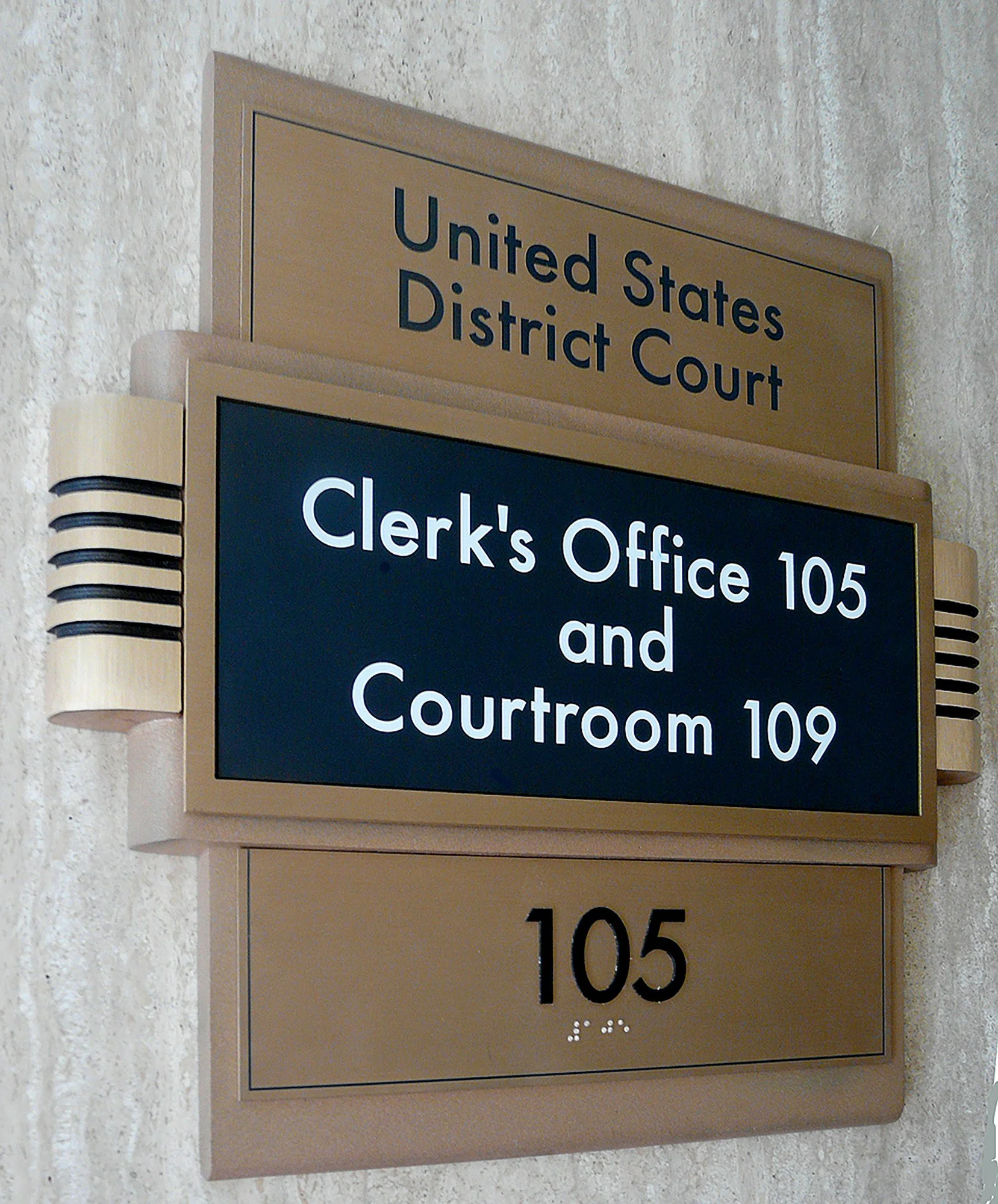
Our Process: From Message Schedule to Mounting
Identification signage often involves thousands of individual data points. We manage this complexity through rigorous planning.
Audit & Programming:
We review architectural floor plans to determine which sign types are required.
Message Scheduling:
We create a detailed database that links each door number to its specific sign type and message, ensuring no room is missed.
Design & Specification:
We detail the typography, Braille translation, and materials used in fabrication.
Installation Management:
We oversee installations to ensure signs are mounted at code-compliant heights and in the correct locations.


Frequently asked questions
-
In the US, permanent room identification signs must meet strict ADA guidelines. This includes raised (tactile) characters, Grade 2 Braille, specific contrast ratios (light-on-dark or dark-on-light), and installation on the latch side of the door within a specific height range (typically 48"-60" AFF). We handle all these technical details for you.
-
Room numbering is a strategic "address system" for your building. We can consult on logical numbering schemes (e.g., zoning by floor and wing) to ensure the room numbers themselves aid in navigation, rather than just being random labels.
-
Yes. For areas with frequent personnel changes, we recommend "window" or "insert" style signs. We design these with a custom paper or acetate insert capability, allowing your facilities team to print and update names in-house without ordering new hardware every time.
-
A Room ID names the space (e.g., "Conference Room A"). Regulatory signs control behavior or provide safety info (e.g., "Maximum Occupancy," "No Smoking," "Stairs"). We typically package these together in a comprehensive Signage Standards Manual for your facility.
-
Yes. As a Design-Build firm, we fabricate and install exterior building identification, including illuminated channel letters, dimensional metal letters, and ground-mounted monument signs.
Looking for identification signage that clearly defines spaces and supports confident navigation?
We design identification signs as part of integrated wayfinding systems—grounded in strategy, planning, and thoughtful execution.