

Wayfinding for New Construction vs. Existing Buildings
How the Process Differs
Wayfinding signage succeeds when planned early. For wayfinding signage in new construction projects, you must integrate navigational strategy while architects are still shaping the layout. For existing buildings, the process starts by identifying what currently confuses visitors. Nicolson Associates guides owners, architects, and facility teams through both scenarios. Our goal remains universal: empower people to navigate with absolute confidence, using distinct strategies tailored to their exact environment.
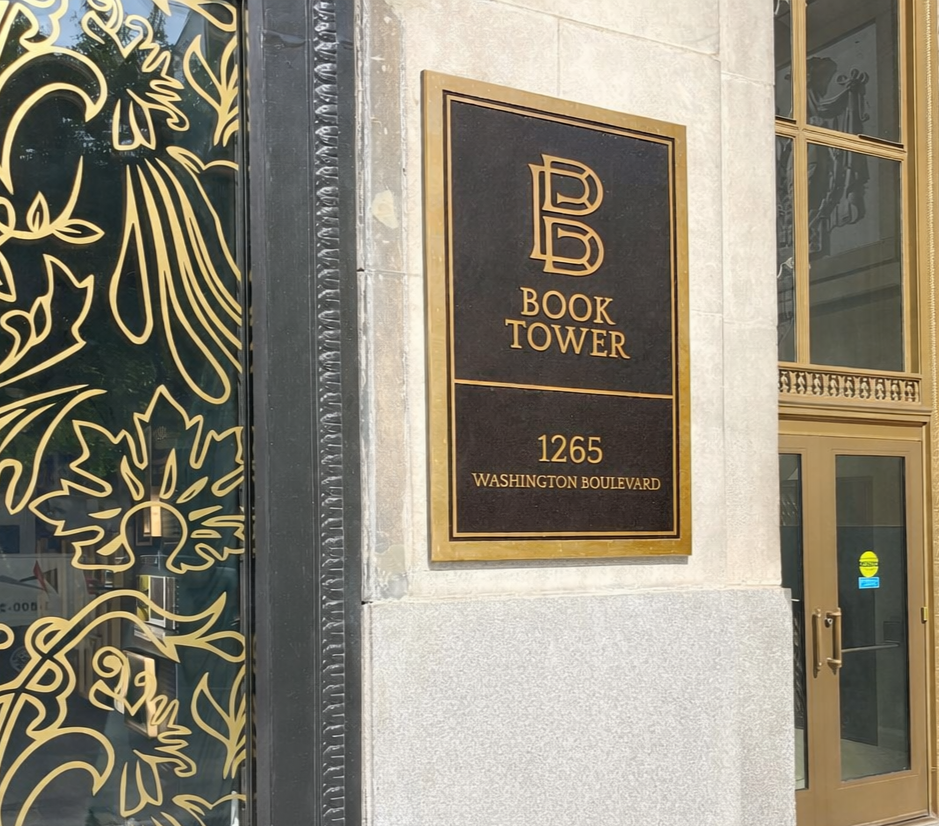
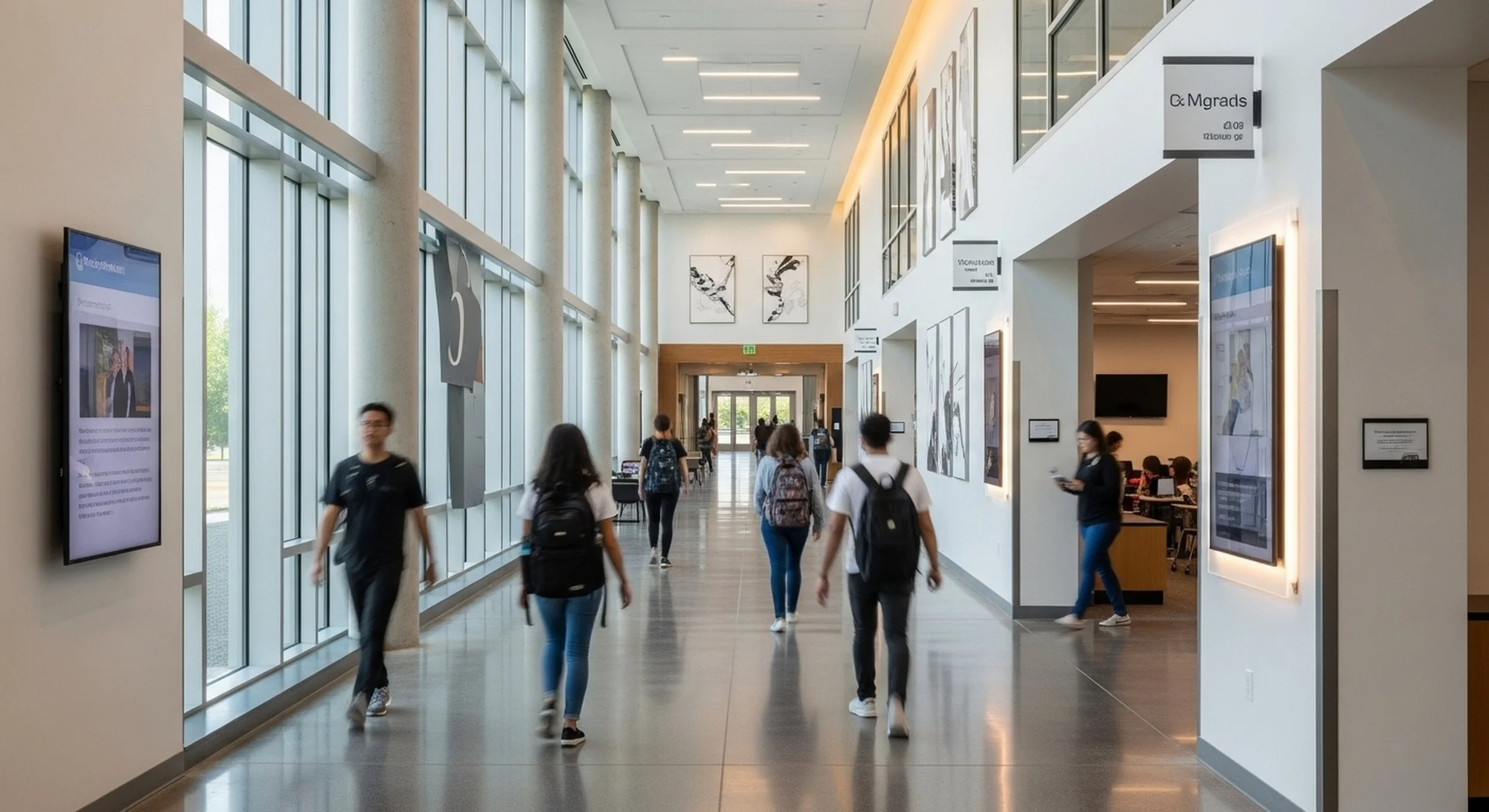
Strategic Comparison: New Builds vs. Renovations
| Strategy Element | New Construction | Building Renovation |
|---|---|---|
| Primary Focus | Pure Integration. | Targeted Correction. |
| The Starting Point | Prediction: We map user movement using architectural drawings, design intent, and project goals. | Evidence: We conduct a rigorous wayfinding audit to observe real human behavior and identify confusing intersections. |
| When to Start | During architectural programming, schematic design, or design development. | Before finalizing design decisions, allowing time to document outdated signs and staff workarounds. |
| Core Execution | Design wayfinding directly into the building’s DNA. Map primary routes and establish naming hierarchies early. | Clean up legacy signage clutter. Establish strict new standards to reset the facility’s message hierarchy. |
| Design Coordination | Lock in sign locations before finalizing walls, lighting, and interior finishes to ensure flawless architectural alignment. | Engineer practical systems that radically improve clarity while strictly respecting structural limits—walls stay put. |
| Budget & Scope | Define the actual budget early, accounting for exterior monuments, parking guidance, and digital displays before construction. | Accommodate operational constraints, phased implementation requirements, and facility budgets without disrupting ongoing operations. |

Procurement Methods: Wayfinding Design-Build vs Design-Bid
Owners must also navigate complex delivery methods. Nicolson Associates actively supports both approaches, adapting seamlessly to your specific procurement requirements.

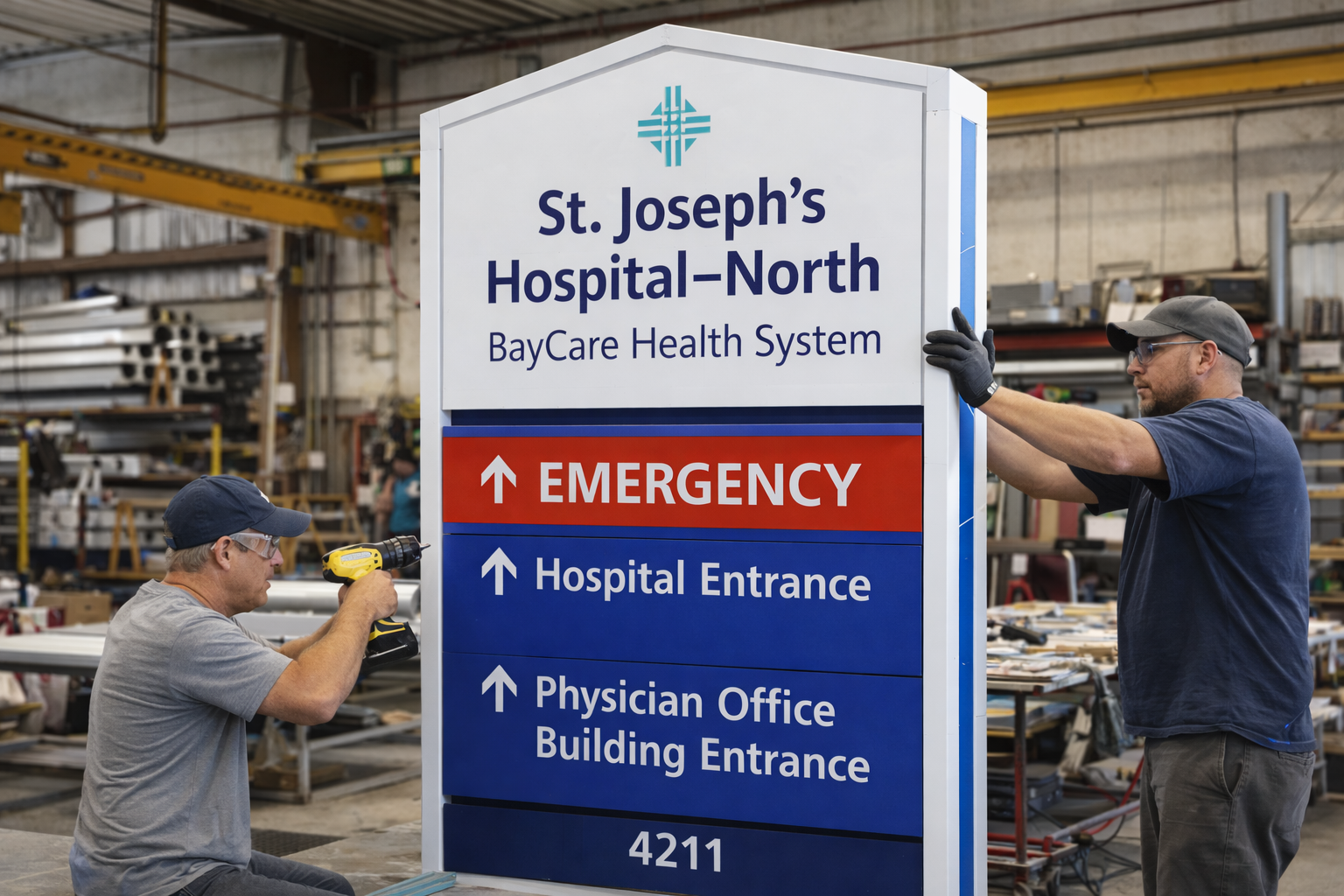
Wayfinding Design-Build
Strategic Advantage:
Tightly connects design and fabrication. This turnkey approach streamlines decisions, controls quality, and accelerates the timeline.
Ideal Project Scenario:
Projects where the owner wants a single expert team to handle everything from concept to installation.
Wayfinding Design-Bid
Strategic Advantage:
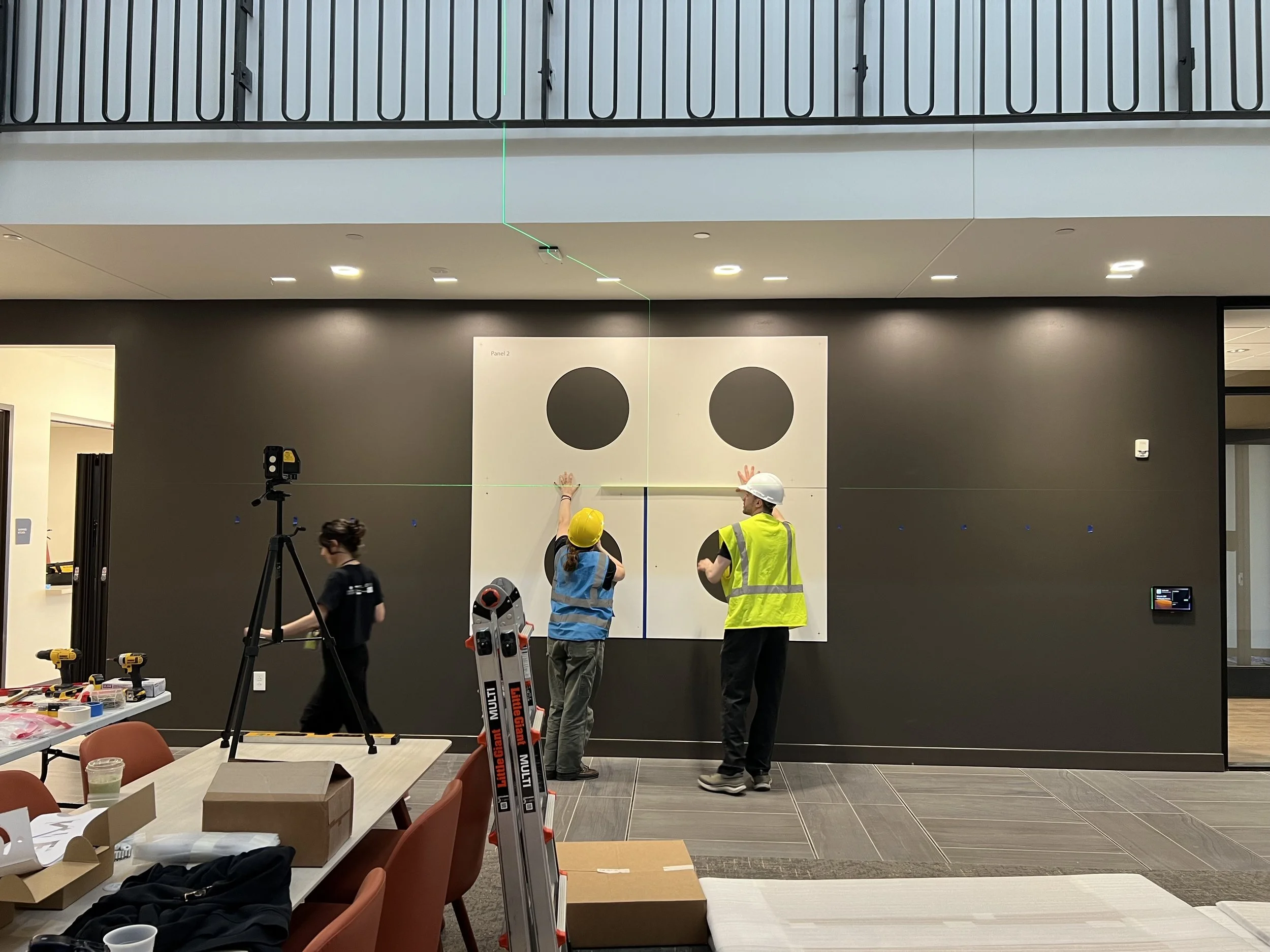
Delivers rigorous design documents and precise specifications before contractors price the project.
Ideal Project Scenario:
Public projects, institutional procurement, and scenarios demanding competitive bidding based on a strictly documented scope.
Secure Your Wayfinding Strategy Today
Do not let navigation become an afterthought. Whether you are designing a new campus from the ground up or untangling an existing environment, Nicolson Associates engineers signage planning for building renovation and new builds that eliminate confusion, empower visitors, and look stunning in your physical space.
Frequently asked questions
-
Wayfinding should be planned early in new construction because sign locations, room names, circulation paths, lighting, wall finishes, elevators, entrances, parking routes, and digital tools all affect how people navigate the building. If signage is added late, the team may have fewer placement options, higher coordination issues, and a less intuitive visitor experience.
-
Signage planning for a renovation starts with what already exists. The consultant reviews current signs, confusing routes, outdated names, staff workarounds, visitor complaints, and operational constraints. The goal is to improve the existing wayfinding system without disrupting daily use of the building or replacing more than necessary.
-
An architect or owner should hire a wayfinding consultant during planning, schematic design, or design development for new construction. For renovations, the consultant should be brought in before signs are ordered or final interior decisions are made. Early involvement helps align navigation, signage, budget, documentation, and implementation.
-
In wayfinding design-build, a single coordinated team can help move the project from strategy and design to fabrication and installation. In a design-bid-build wayfinding project, the consultant prepares drawings, specifications, and message schedules so that fabricators can price the work competitively. Design-build can support speed and coordination, while design-bid is often useful for public or institutional procurement.
-
Yes. An existing wayfinding system can often be improved through a signage audit, message cleanup, better destination hierarchy, updated directories, new decision-point signs, and selective replacement of confusing or outdated signs. A full replacement is not always necessary if the current system has usable components.