

Signage Standards Manuals & Design Guidelines
A signage system requires consistency long after the first project concludes. Nicolson Associates develops signage standards manuals and design guidelines that provide organizations with a clear framework for planning, designing, documenting, and implementing signage across buildings, campuses, and future developments.
We translate an approved signage system into practical, robust standards that empower project teams to make consistent decisions over time.

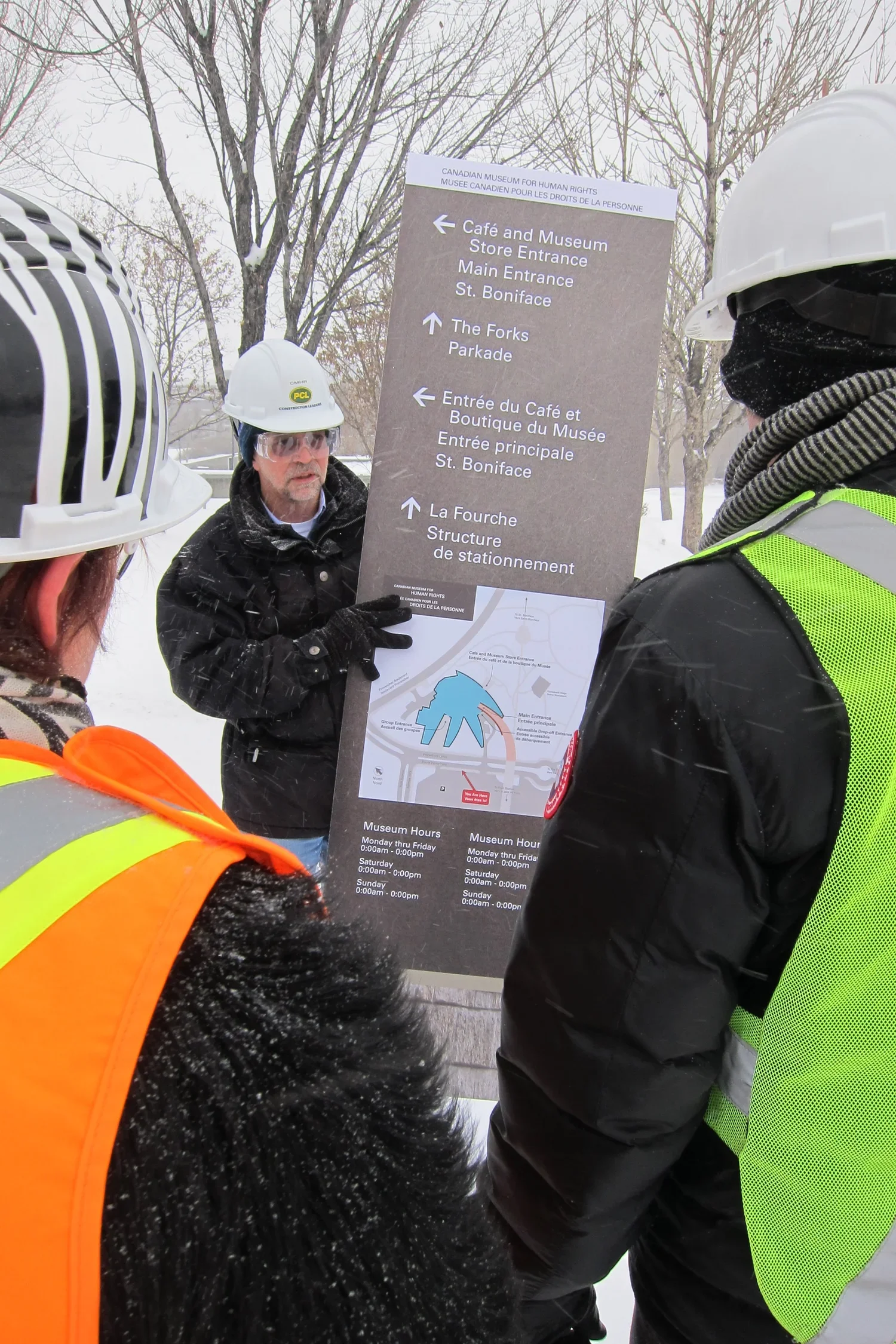
Turn a Signage System Into a Repeatable Standard
Without clear standards, signage gradually becomes inconsistent as different teams, projects, and vendors make isolated decisions. A well-structured signage manual creates a single shared reference for the entire system.
Depending on the project, signage design standards dictate:
Sign types and their specific uses
Typography and visual hierarchy
Colors and graphic elements
Symbols and arrows
Message structure
Sign placement principles
Identification conventions
Wayfinding terminology
Design intent
Documentation requirements
The objective is not to make every sign look identical. Instead, we create enough structure to maintain clarity and consistency while allowing the system to adapt to different environmental conditions.
Our Approach to Signage Standards
We develop guidelines based on the wayfinding strategy, visual system, operational requirements, and the environment's long-term use.
Review the Existing System: We evaluate current signage, wayfinding logic, sign families, messaging, architectural conditions, and existing documentation.
Define the Standards: We determine which elements require rigid rules, including typography, terminology, sign types, visual hierarchy, visual language, and placement principles.
Organize the Sign Family: We document exactly how different sign types function within the larger system and clarify precisely when teams should deploy each one.
Create Practical Guidelines: We translate the design system into clear signage guidelines that architects, facility teams, designers, fabricators, and other project partners easily understand and apply.
Support Future Implementation: We structure the manual so organizations rely on it as a primary reference when renovating spaces, adding destinations, replacing signs, or expanding into new facilities.

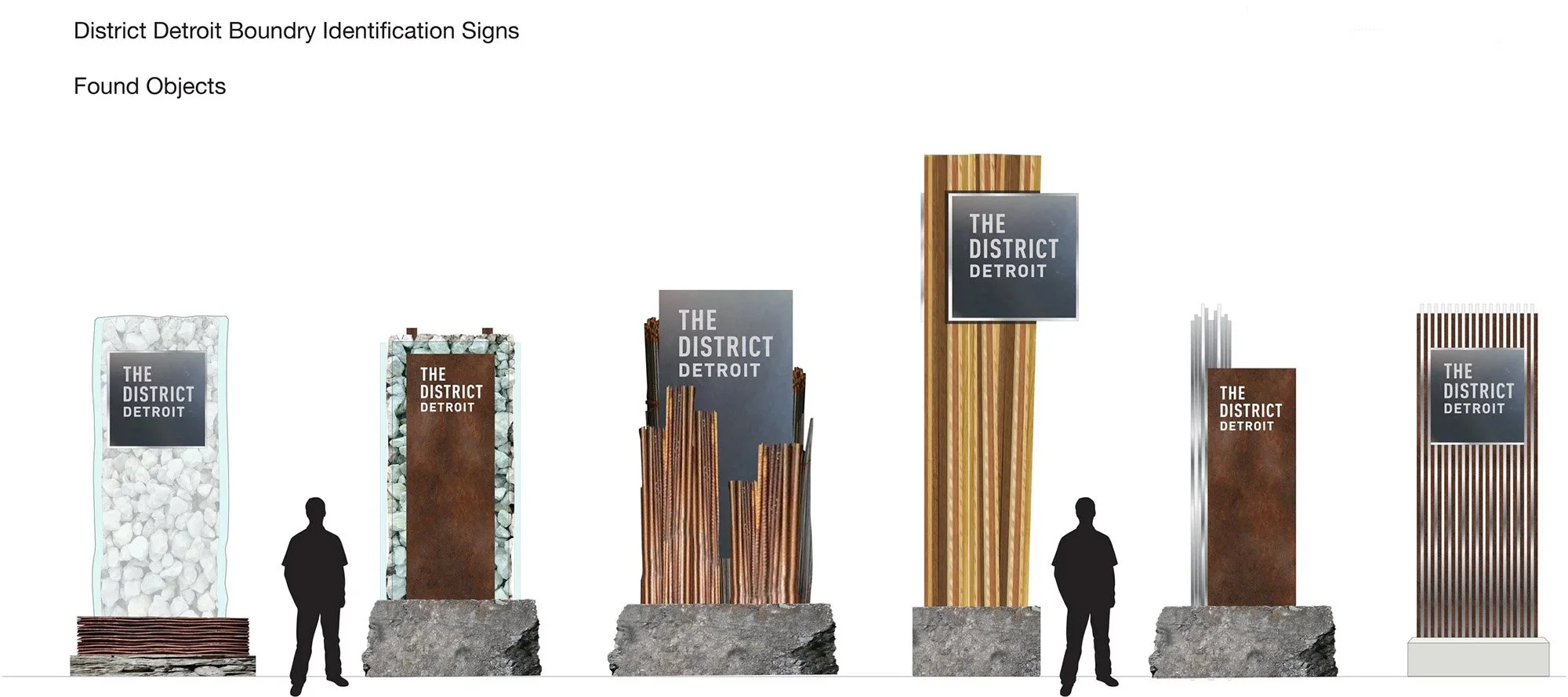
What Can a Signage Standards Manual Include?
The scope depends on the organization's size and complexity. A comprehensive manual often addresses:
Wayfinding Standards: Guidance for directional signs, destinations, message hierarchies, arrows, terminology, and route communication.
Identification Standards: Rules for building, department, room, floor, tenant, entrance, and destination identification.
Sign Family Guidelines: Documentation that defines each sign type, its intended purpose, visual characteristics, and appropriate spatial applications.
Graphic Standards: Directives for typography, color palettes, symbols, maps, visual hierarchy, and other elements that ensure system-wide consistency.
Placement Principles: Guidance managing sightlines, viewing conditions, decision points, mounting locations, and other factors dictating where signs belong.
Accessibility Considerations: Standards that document accessibility-related design requirements and help project teams apply them consistently across all relevant sign types.
Documentation & Implementation: The manual establishes a definitive shared reference for project teams as they draft future sign location plans, message schedules, design documents, and implementation packages.




Why Signage Standards Matter Across Multiple Locations
Signage systems grow increasingly difficult to manage as organizations expand.
New buildings introduce new terminology. Renovations spawn sign types that contradict the original system. Different project teams interpret the visual language subjectively. Over time, these minor inconsistencies severely weaken both navigation and visual continuity.
A signage standards manual provides teams with a common framework to definitively answer questions such as:
Which sign type should we use?
How should we name this destination?
Which typography and visual hierarchy apply here?
Where exactly should this type of sign appear?
How should a new sign integrate with the existing system?
Which design elements require strict consistency?
Clear standards eliminate unnecessary interpretation and empower organizations to protect the integrity of their signage system fiercely.

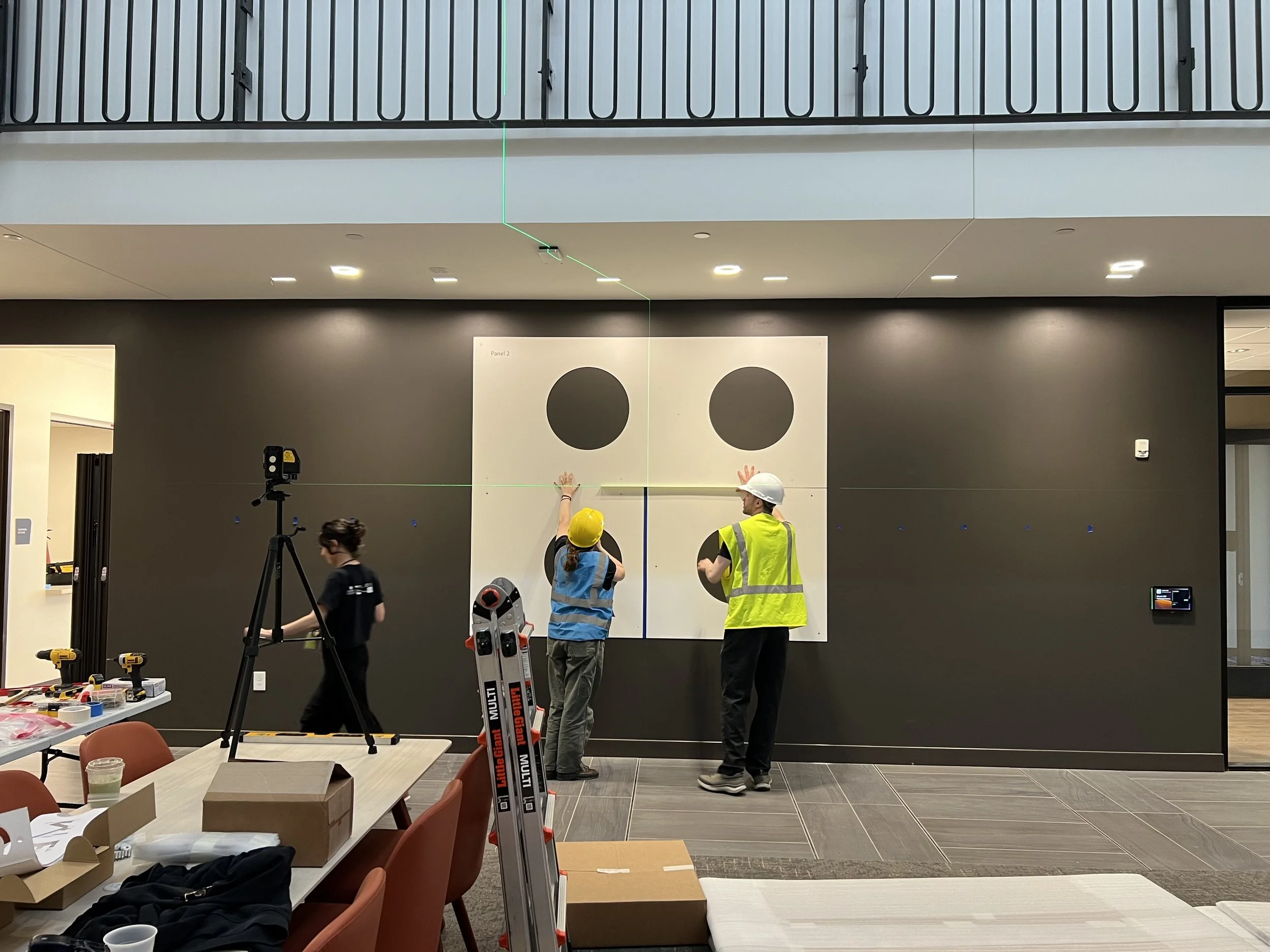
Guidelines That Support Wayfinding Strategy
Sign standards must document far more than mere appearance.
A sign can feature the correct colors, fonts, and dimensions, yet still confuse if teams install it at the wrong decision point or rely on inconsistent destination terminology. Therefore, Nicolson Associates intentionally connects signage guidelines directly to the underlying wayfinding strategy.
We evaluate how standards support:
Destination hierarchy
Naming conventions
Progressive information flow
Decision points
Route confirmation
Sign locations
User expectations
Consistent terminology
This integrated approach ensures future projects preserve how the system actually functions, rather than just dictating how it looks.
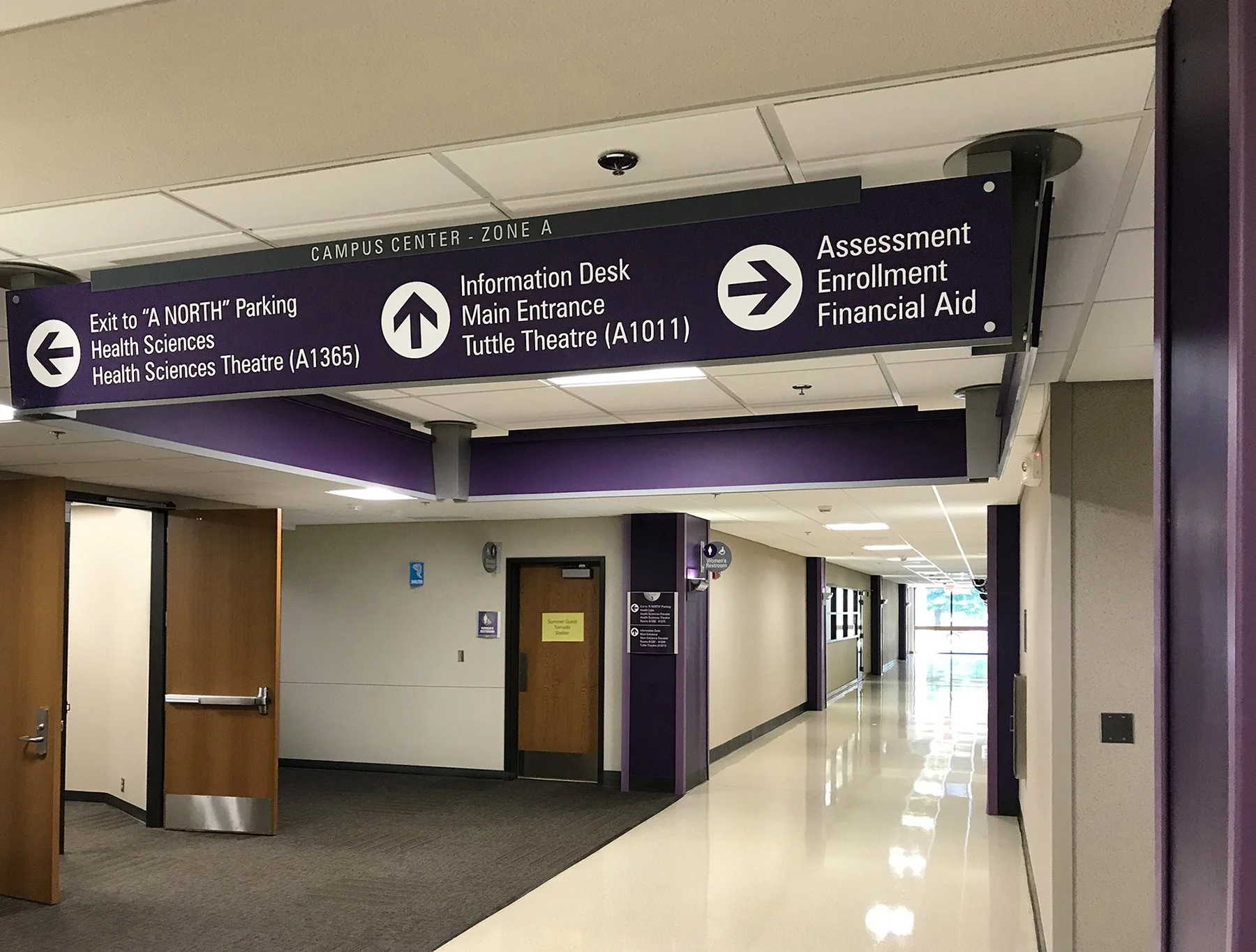

Supporting Architects, Facility Teams & Project Partners
Signage standards often serve several distinct audiences.
Architects reference them while planning major renovations. Facility teams consult them when replacing damaged signs. Designers rely on them for guidance when extending the sign family. Fabricators require them to understand clear design intent.
We structure standards so project teams can quickly grasp both the core design principles and the system's practical application. This shared reference also helps organizations drastically reduce conflicting decisions between departments, geographic locations, and individual projects.

Signage Standards for Growing & Changing Environments
Organizations rarely remain static. Departments relocate. Buildings expand. Campuses grow. Tenant spaces evolve. New facilities introduce radically different architectural conditions.
Strong standards require enough structure to maintain consistency without suffocating the system's ability to adapt. We develop signage design standards that lock in the system's core principles while giving future teams a highly adaptable framework for applying those principles to brand-new situations.

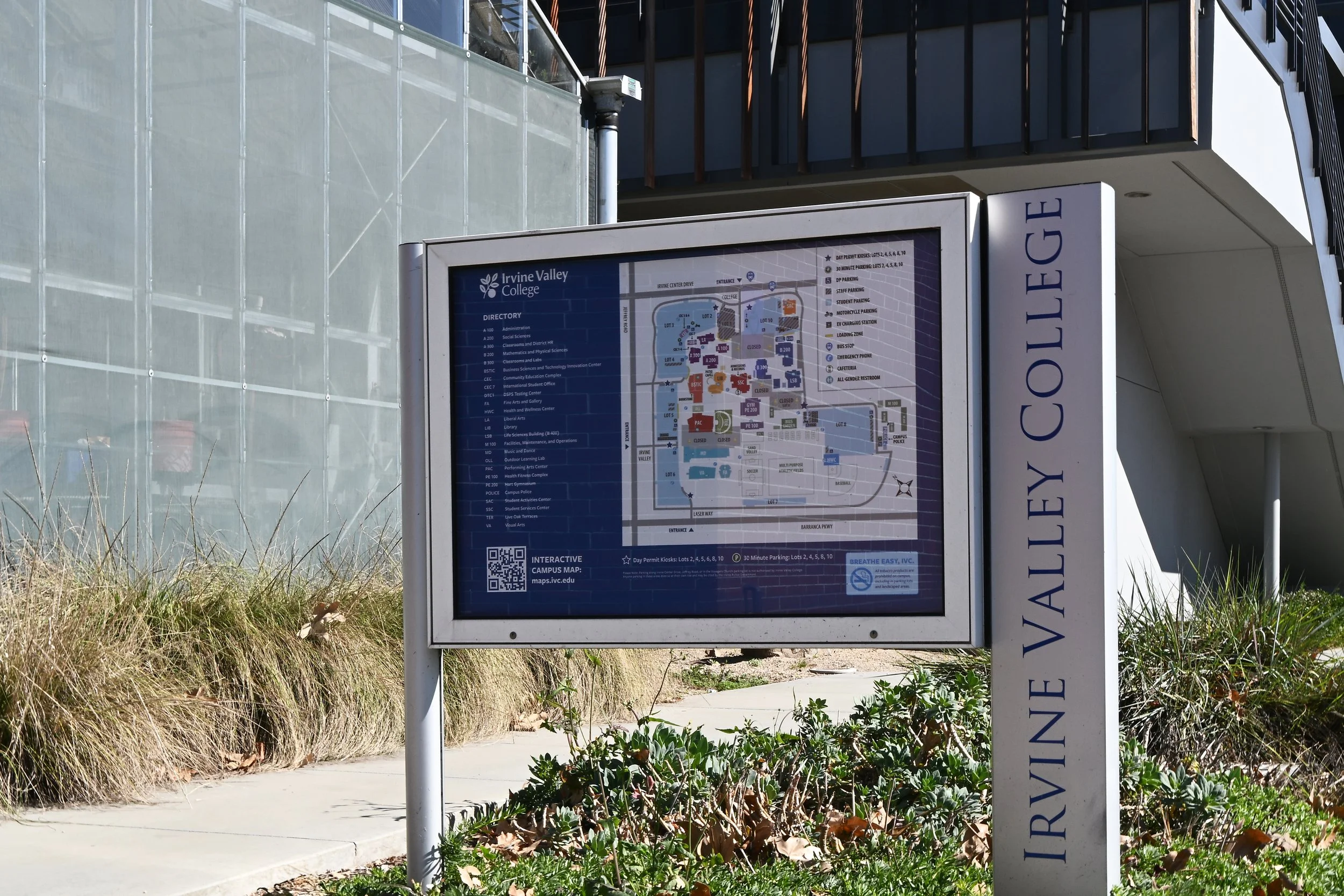

Updating an Existing Signage Standards Manual
Organizations do not always need to start from scratch.
An existing manual may no longer reflect current destinations, brand identity, accessibility codes, building conditions, or the way modern users navigate the environment. We thoroughly review the existing system and identify where standards require clarification, expansion, or realignment with modern wayfinding practices. This targeted process helps organizations salvage useful components of the existing system while closing gaps that developed over time.
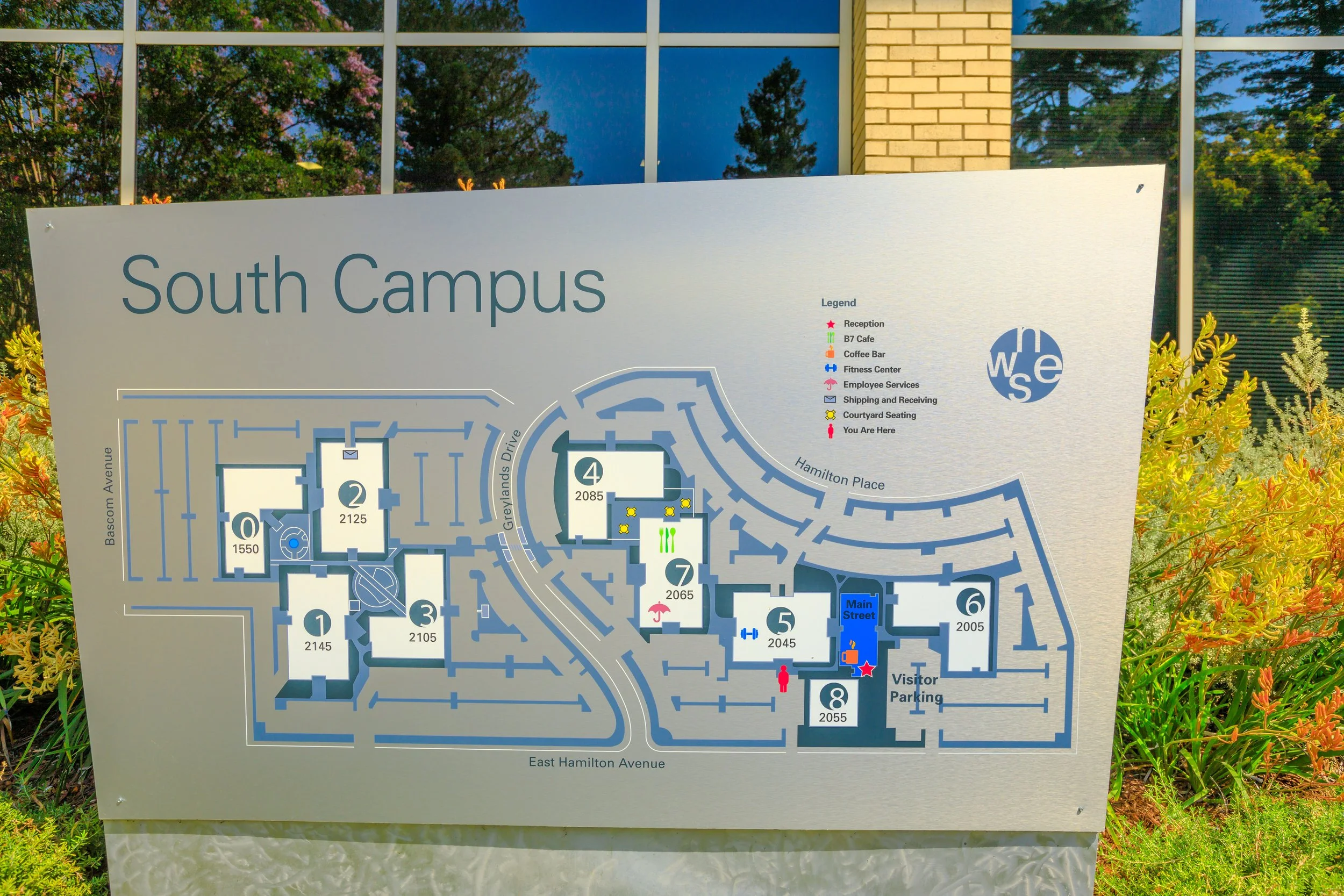
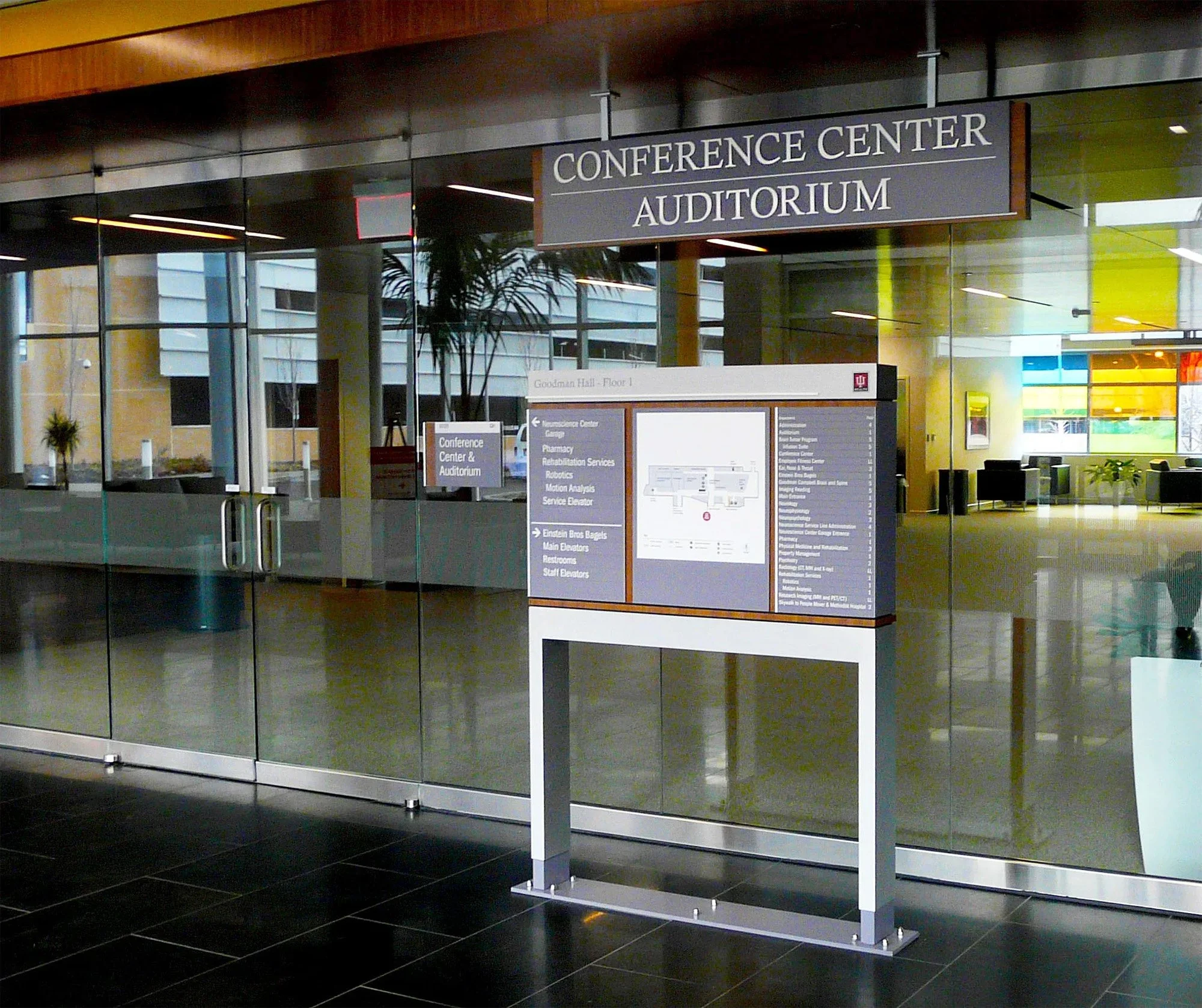
From Guidelines to Implementation
A signage manual proves valuable only when project teams actively use it. Nicolson Associates connects standards development directly to the documentation that drives real construction projects, including:
Sign families
Sign location plans
Message schedules
Design intent documentation
Bid documentation
Implementation coordination
This vital connection ensures organizations carry the same wayfinding and design principles from the standards manual into future signage projects.


Why Work With Nicolson Associates?
We treat signage standards as a living extension of the broader wayfinding system.
We evaluate:
How people actually navigate the environment
How destinations and messages interrelate
How distinct sign families function together
Which visual elements demand absolute consistency
How architecture influences signage
How future teams will utilize the standards
How design intent transitions into physical implementation
The final result delivers far more than a collection of sign drawings. We create a highly practical framework that equips organizations to maintain a clear, cohesive, and perfectly coordinated signage system as their physical environments evolve.
Frequently Asked Questions
-
Organizations require standards when they manage multiple buildings, execute recurring renovations, expand campuses, or oversee signage projects involving several disparate design and facility teams. A manual establishes a single, consistent framework for all future signage decisions.
-
Brand guidelines dictate how an organization presents its overall visual identity. Signage standards govern exactly how that identity functions within a physical sign system, detailing sign types, information hierarchies, terminology, placement logic, wayfinding strategies, and physical design applications.
-
The level of detail must precisely match the complexity of the signage system. A highly effective manual provides enough guidance for teams to apply the system consistently without inventing unnecessary rules that prevent adaptation to varying architectural conditions.
-
Standards establish non-negotiable rules for sign types, typography, terminology, visual hierarchy, placement, and messaging. Future project teams apply these rules instead of reinventing an approach for every building.
-
A robust manual must address both. Because visual consistency alone cannot generate effective navigation, standards must also document destination hierarchies, terminology, decision-point logic, message structures, and placement principles.