
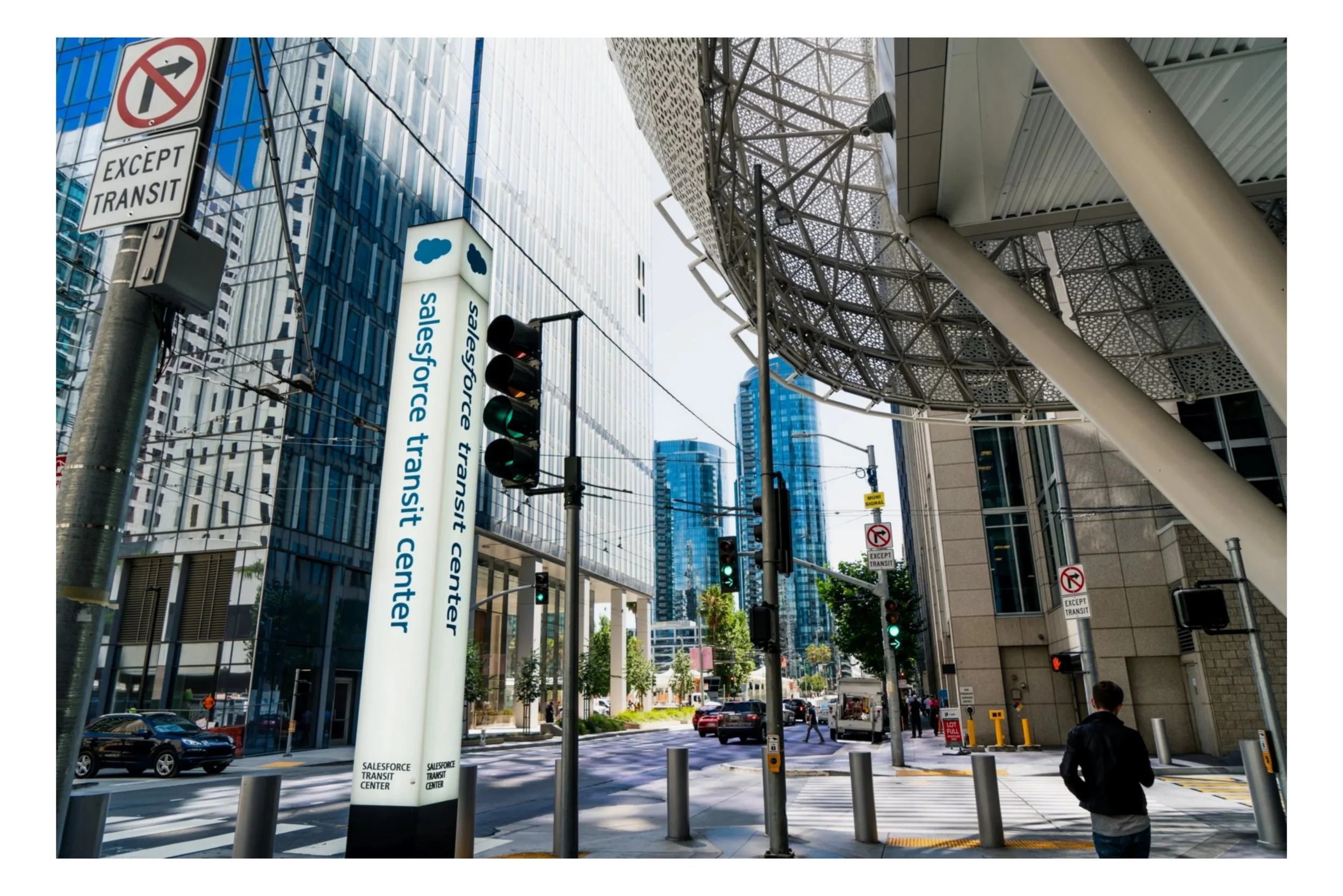
Signage Programming & Design Documentation
Signage projects become difficult to price, coordinate, and build when project teams fail to define locations, messages, quantities, and design requirements as a single, cohesive system.
At Nicolson Associates, we develop signage programming and design documentation that translates wayfinding strategy into clear, actionable project information. We define the signs the environment requires, where each sign belongs, what it must communicate, and how the complete family functions. Our team prepares coordinated schedules, location plans, message plans, and design intent drawings that help owners, architects, contractors, and fabricators move from planning to implementation with confidence.

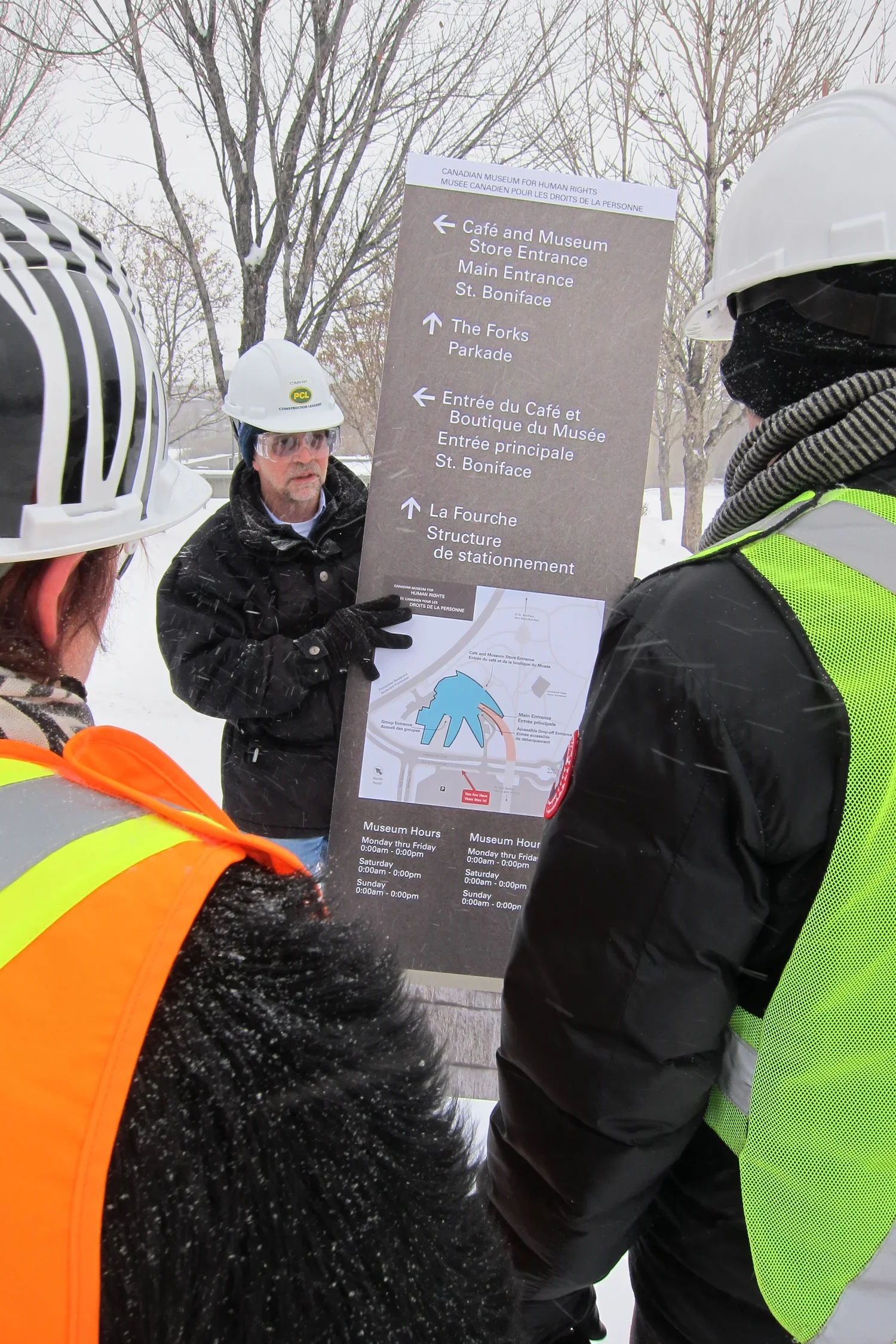
Clear Signage Programming: From Strategy to Implementation
A wayfinding strategy establishes how people navigate an environment. Signage programming turns that strategy into specific locations, messages, sign types, and project requirements.
We study user routes, entrances, destinations, intersections, vertical circulation, architectural conditions, and operational needs. We then determine where people require information and what each sign must communicate at that critical point in the journey.
We develop coordinated signage programs that support the complete system. Our capabilities include:
Signage programming
Sign schedule development
Sign location plans
Destination and terminology planning
Message hierarchy development
Sign-type planning
Design intent drawings
Bid and fabrication documentation
Sign Schedules That Organize Every Project Detail
A sign schedule creates a central record for the complete signage program. It connects each sign’s location, message, type, quantity, and project requirements within one coordinated document.
We assign each sign a unique identification number and connect it to the corresponding location plan and design drawing. This enables project teams to review the scope consistently, track revisions, coordinate approvals, and reduce conflicting information between documents.
A detailed sign schedule includes:
Sign identification numbers
Sign types
Building, floor, or area locations
Destination names
Directional messages
Arrows and symbols
Mounting conditions
Accessibility requirements
Quantities
Coordination notes
Every entry supports a specific function within the overall wayfinding system.




Design Documentation That Reduces Uncertainty
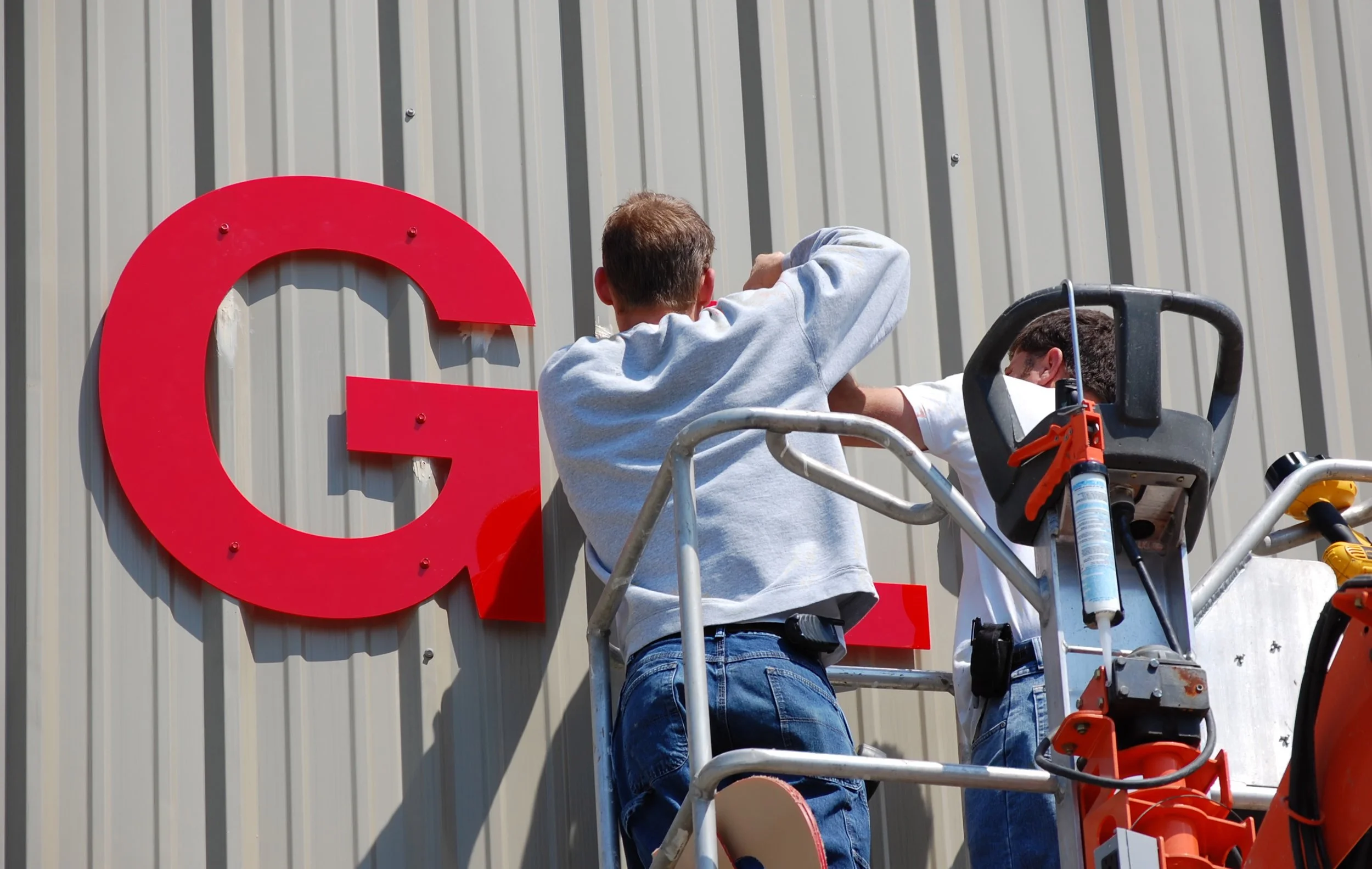
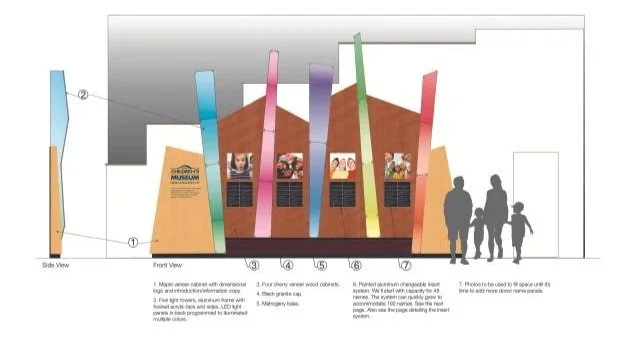
Clear design documentation gives project teams the exact information they need to price, fabricate, and install the approved system.
We document the visual, dimensional, and functional requirements for each sign type. Our drawings establish how typography, colors, symbols, materials, proportions, messages, and mounting methods work together.
This documentation prevents fabricators from pricing different assumptions, eliminates unanswered questions during production, and gives owners a consistent baseline for reviewing bids and submittals.
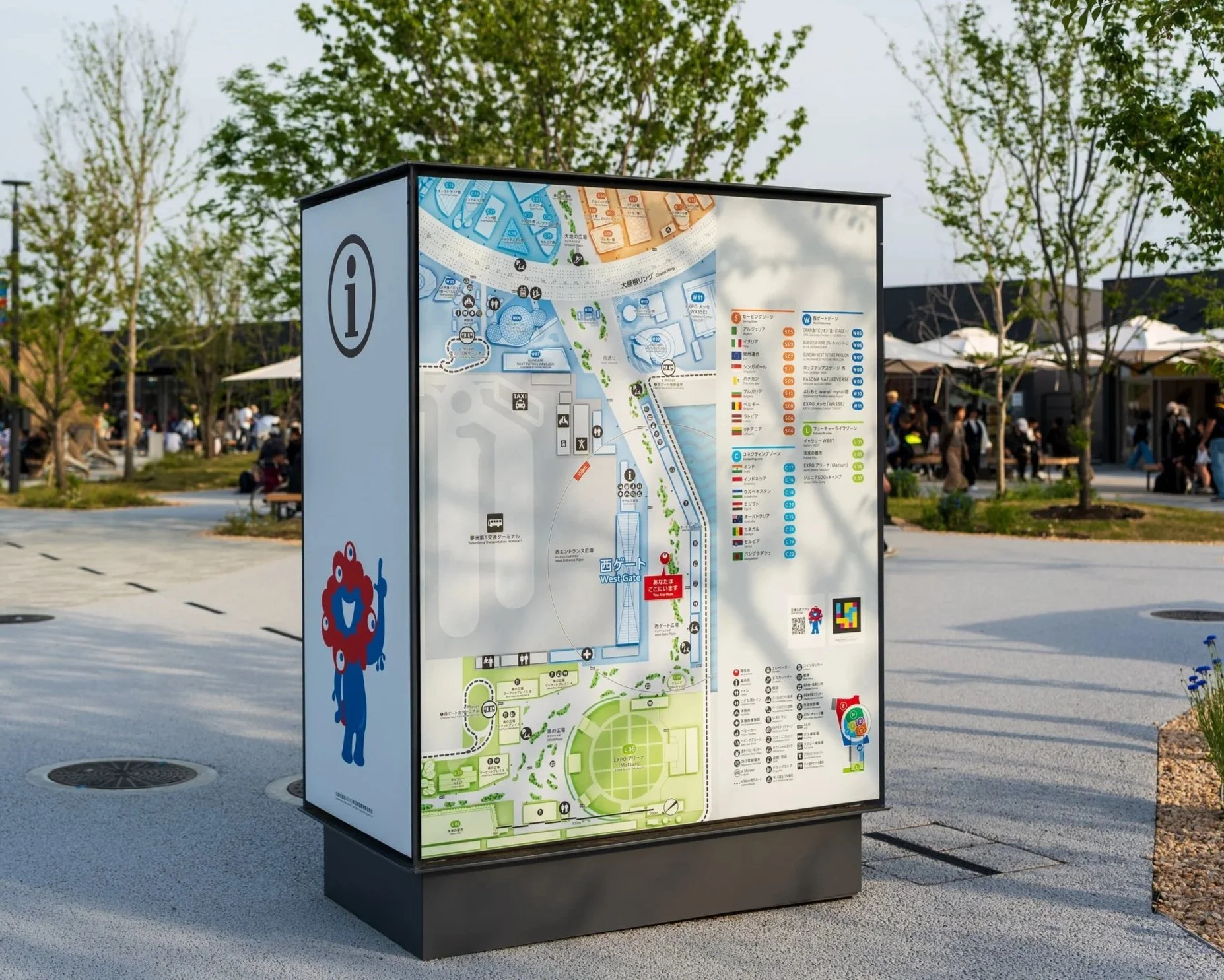
Signage Programming for Complex Environments
A strong signage program responds directly to the environment it serves—whether a hospital, university, civic building, residential development, mixed-use property, cultural institution, corporate campus, or public destination.
We help project teams organize massive amounts of information into a clear, manageable system. We handle destination terminology, sign hierarchies, directional messages, identification signs, regulatory information, accessible signage, and future update requirements.
Our programming process connects every sign to how people actually enter, navigate, and experience the space.
Our Process
-

1. Understand the Environment
We analyze how visitors, staff, residents, patients, and students move through the facility. We review architectural plans, entrances, circulation paths, destinations, decision points, existing signage, and operational requirements.
-
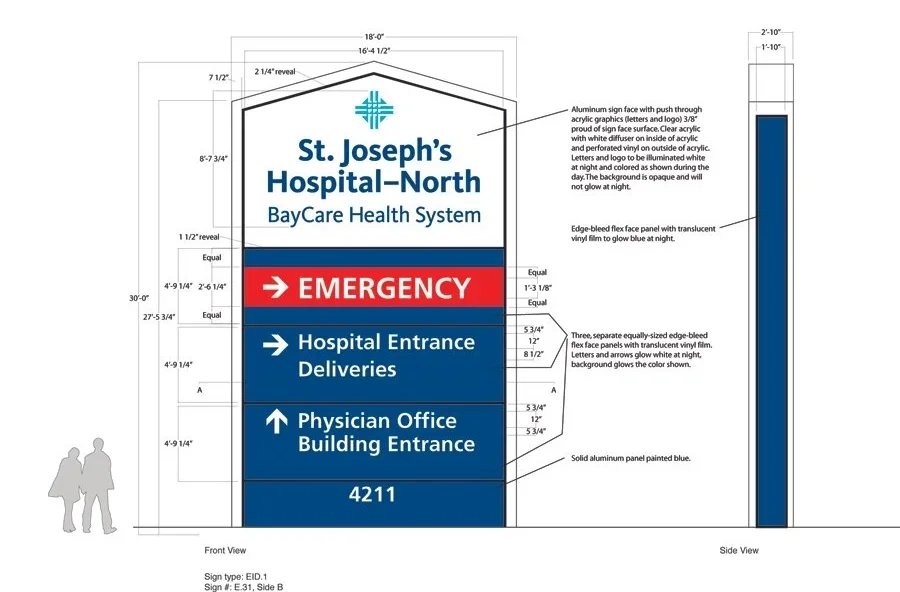
2. Develop the Signage Program
We determine which signs the project requires, where they belong, and what information users need at every stage of their journey. We also establish destination terminology, sign types, message hierarchy, and identification requirements.
-
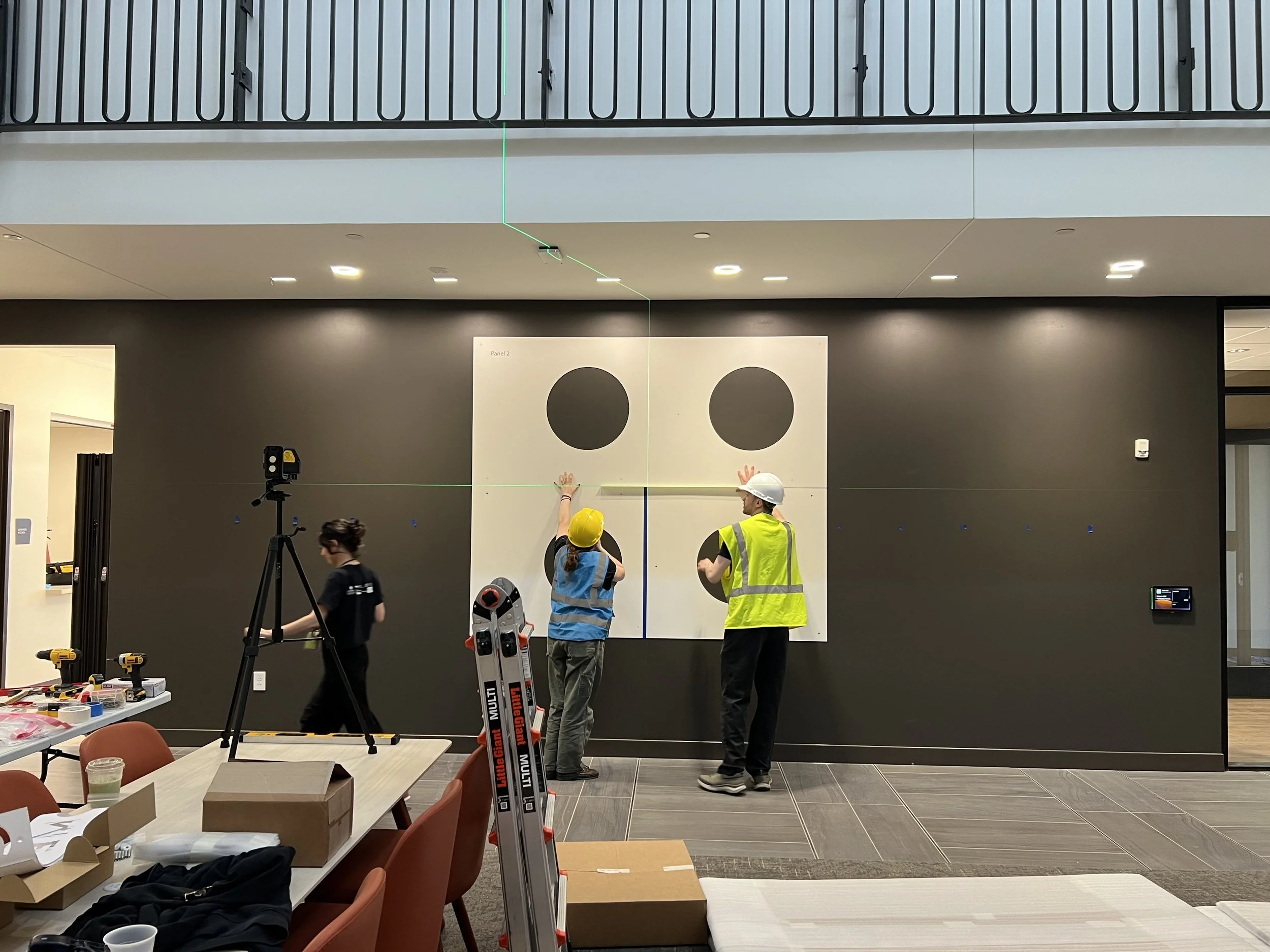
3. Build the Sign Schedule and Location Plans
We assign a unique number to each sign and document its type, location, message, and relevant project data within the schedule. We then place each sign precisely on coordinated architectural or site plans.
-

4. Prepare Design Documentation
We create design intent drawings that communicate the dimensions, layouts, typography, colors, symbols, materials, message configurations, and mounting approaches for the approved sign family.
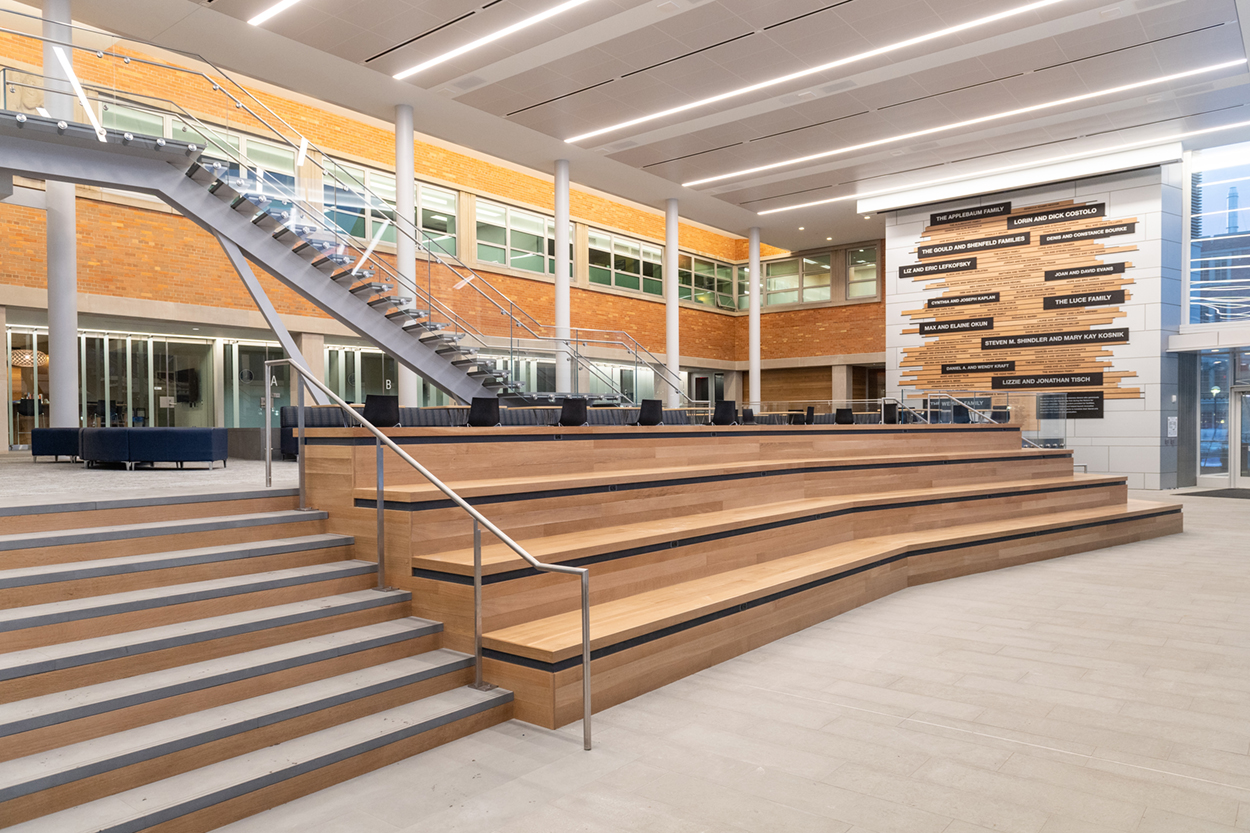
Coordinated for Owners, Designers, AND Fabricators
Project teams should never treat signage documentation as a collection of disconnected drawings and spreadsheets. Every location, scheduled message, and design requirement must align.
Nicolson Associates creates coordinated signage programming and design documentation that provides owners, architects, contractors, and fabricators a single source of truth. Our work helps teams define the exact scope, coordinate decisions, compare bids accurately, review changes, and carry the approved wayfinding system smoothly into fabrication and installation.

FAQs About Signage Programming & Design Documentation
-
Teams require a sign location plan the moment a project involves multiple entrances, floors, departments, or user groups. A location plan empowers the project team to confirm exact placements before fabrication begins, actively preventing missed signs, duplicate messages, and costly last-minute field changes.
-
A message schedule dictates the exact data printed on each sign. It captures destination names, directional arrows, room numbers, sign IDs, sign types, accessibility symbols, and specific fabrication notes. This document forces consistency, ensuring architects, contractors, and installers execute the same vision.
-
Placement dictates movement. If a sign appears too late, users miss turns and lose confidence. If signs appear too frequently, the environment feels cluttered. Strategic placement intercepts the user at the precise moment of decision, empowering them to navigate complex spaces without hesitation.
-
Finalized documentation locks in the logic of the entire signage system. Fabricators require exact quantities, sign types, messages, dimensions, and installation conditions to price and produce the system accurately. Rushing to fabrication without documentation guarantees pricing gaps, production errors, and structural inconsistencies.
-
Absolutely. Documentation establishes the permanent operational record of the system. When departments move, or campuses expand, facility managers use the original location plans and message schedules to update individual signs without having to rebuild the entire wayfinding strategy.