
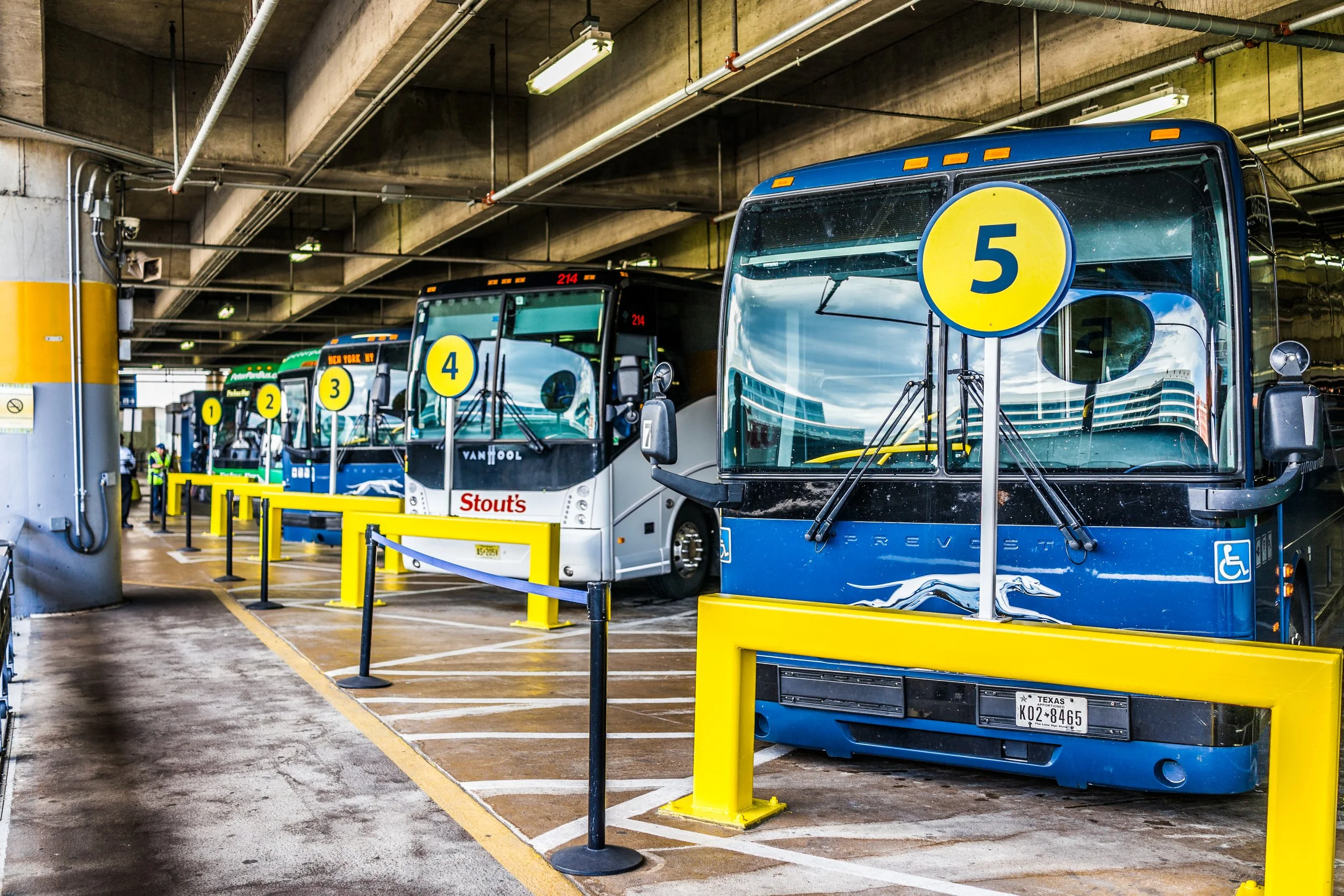
Transportation & Transit Wayfinding
Transportation environments move relentlessly. Riders, travelers, visitors, and staff require immediate, clear information to avoid missing a critical turn, platform, terminal, or connection.
At Nicolson Associates, we engineer transportation and transit wayfinding systems that support airports, rail stations, transit centers, bus terminals, and complex mobility hubs. We anchor our signage strategies to real user movement, critical decision points, accessibility mandates, and the overarching built environment.
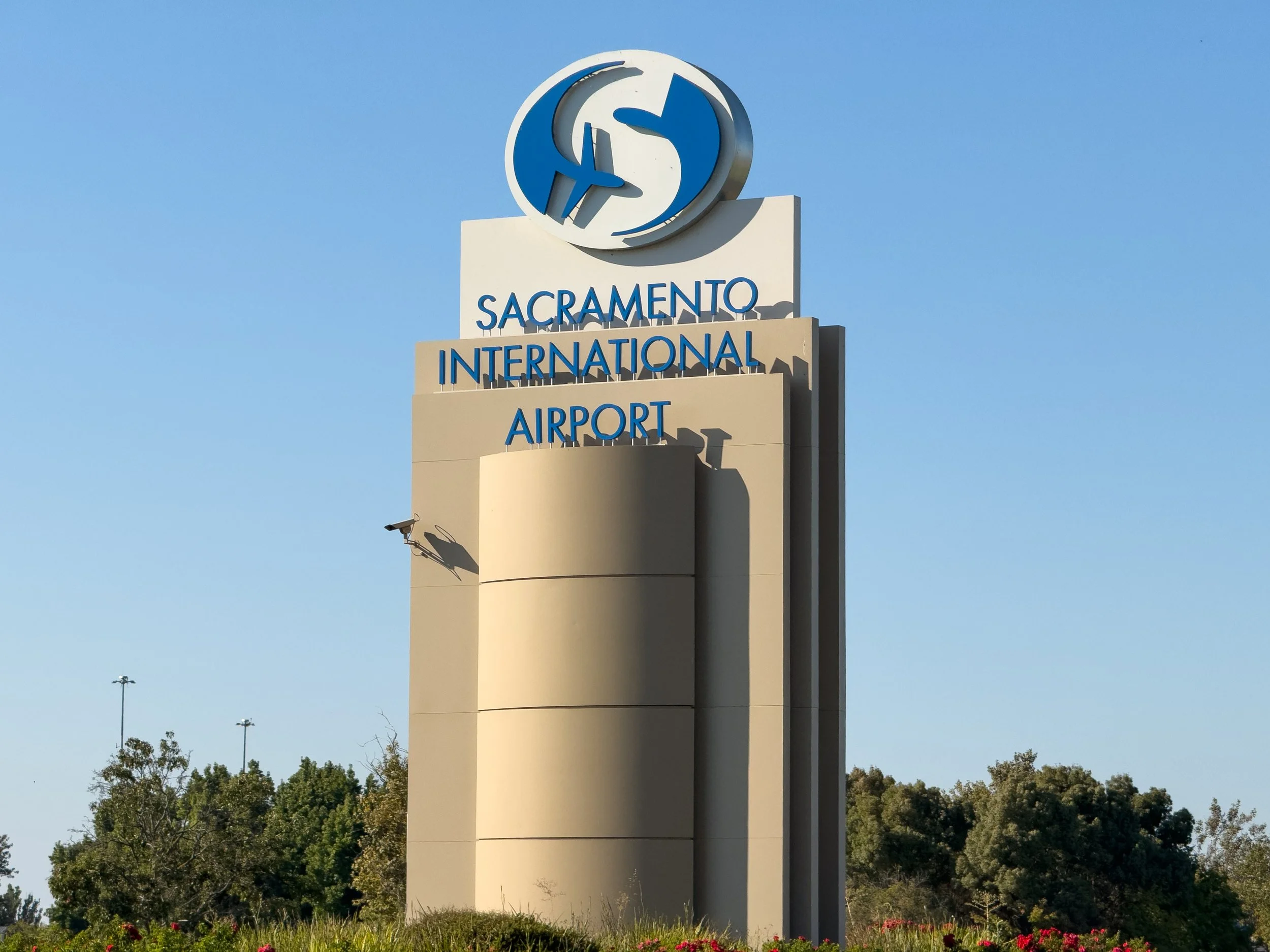
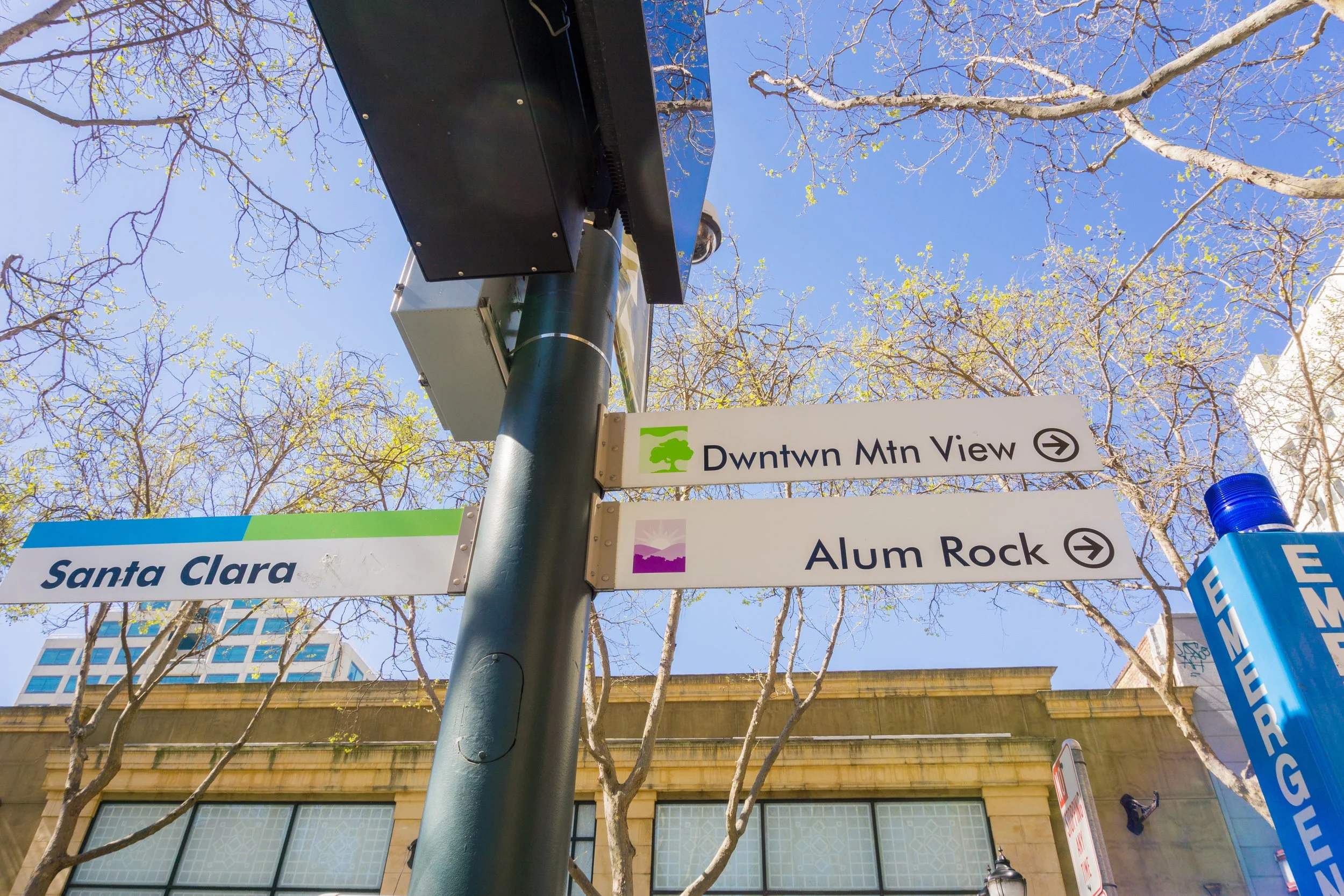
Clear Wayfinding for Complex Transportation Environments
Transit spaces force users to process multiple layers of information instantly. People must decipher entrances, ticketing, platforms, gates, terminals, transfers, elevators, schedules, and nearby destinations within seconds.
We design transit signage and transportation wayfinding systems that accelerate these decisions. Every map, message, color, and placement choice actively directs people, showing them exactly where they are and what they must do next.
Our comprehensive wayfinding systems support:
Airports, rail stations, and transit centers
Bus terminals and multi-modal mobility hubs
Platform, concourse, and terminal navigation
Exit and destination routing
ADA-compliant accessibility signage
Dynamic digital transportation displays
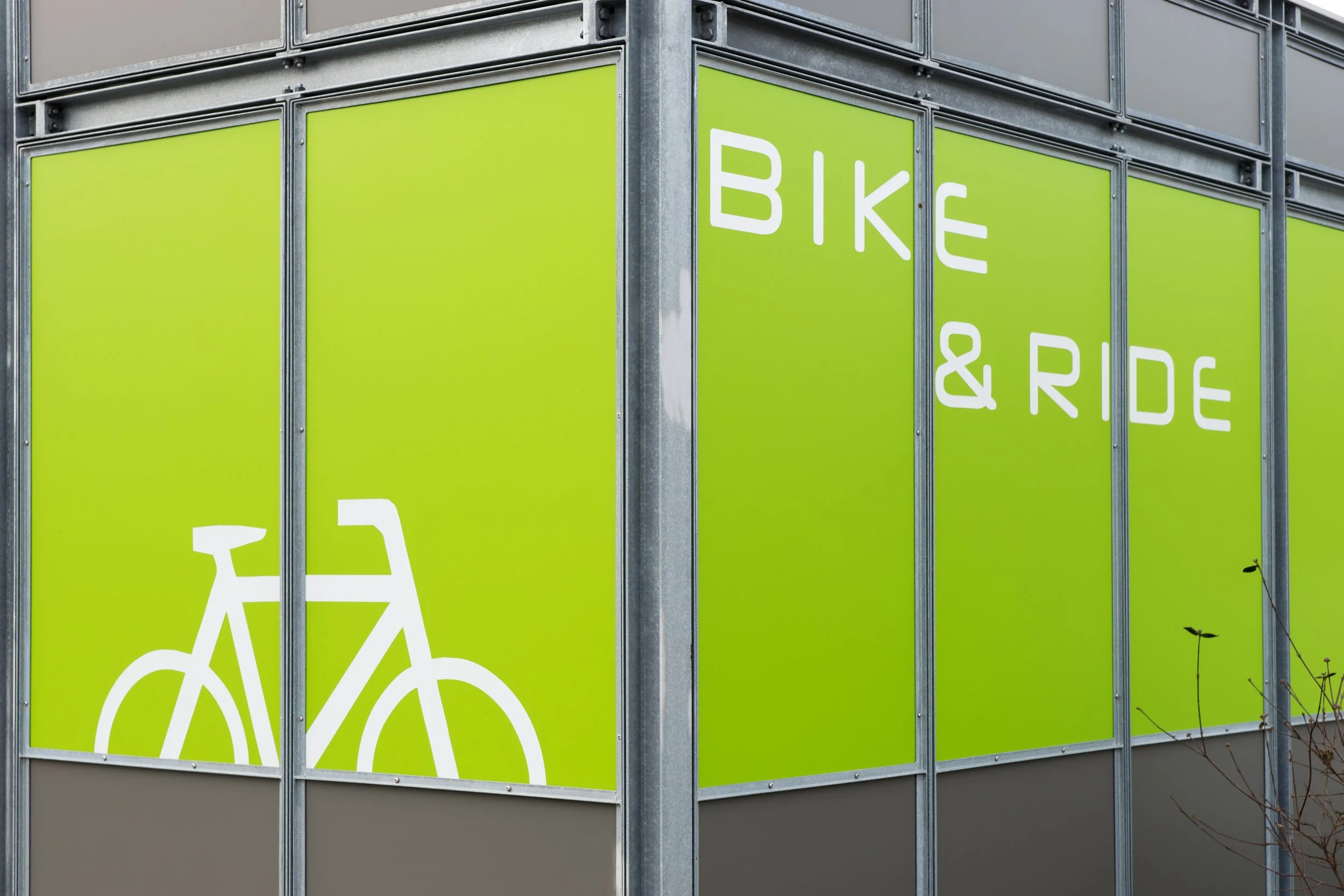
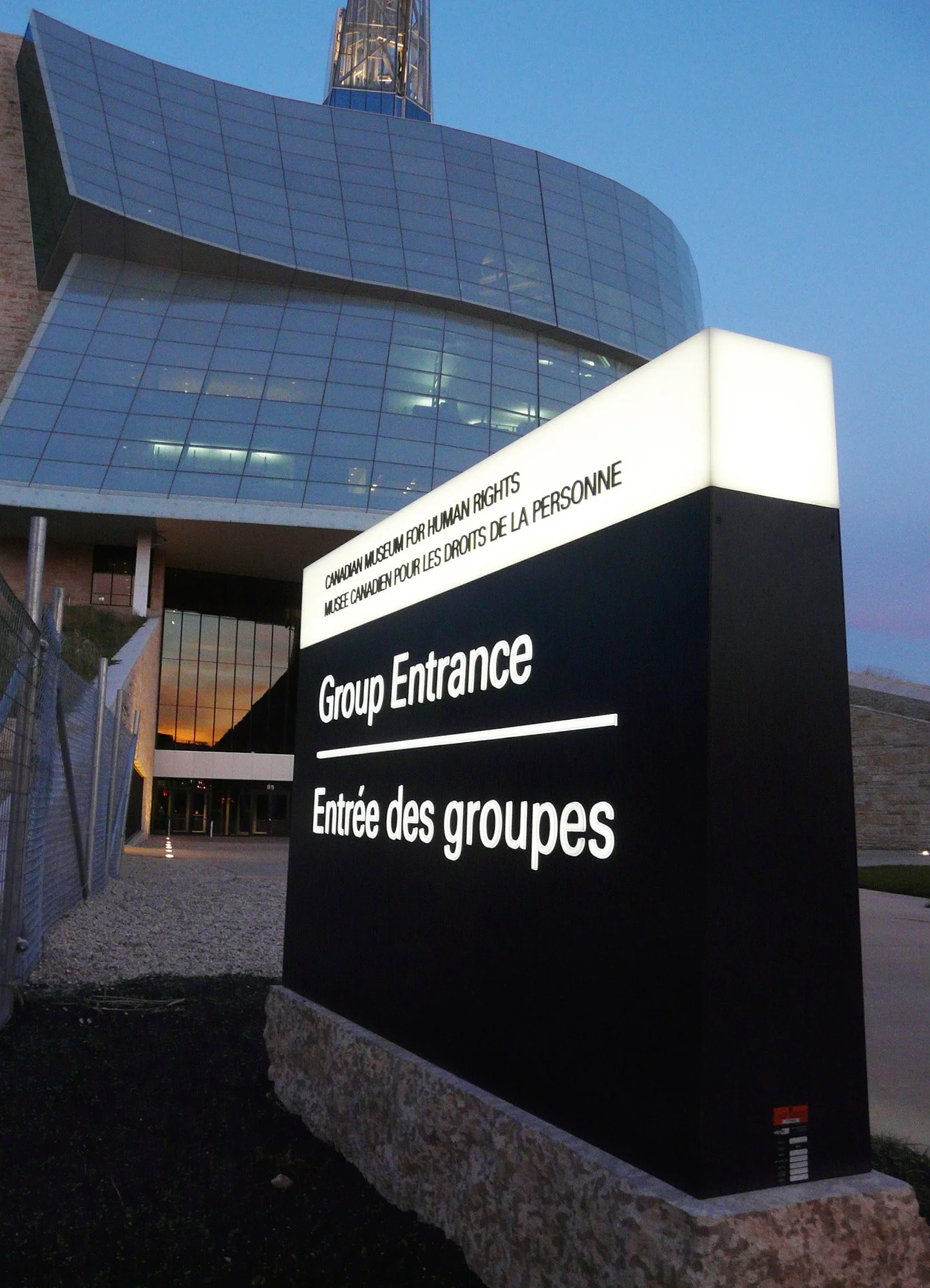
Transit Signage That Builds Rider Confidence
Transit wayfinding must perform under extreme pressure. Travelers routinely make navigation decisions in crowded, noisy, time-sensitive environments.
Clear transit signage eliminates confusion, accelerates foot traffic, streamlines transfers, and delivers a reliable passenger experience. Our systems empower daily commuters, first-time visitors, and users with accessibility needs to navigate complex facilities without friction.

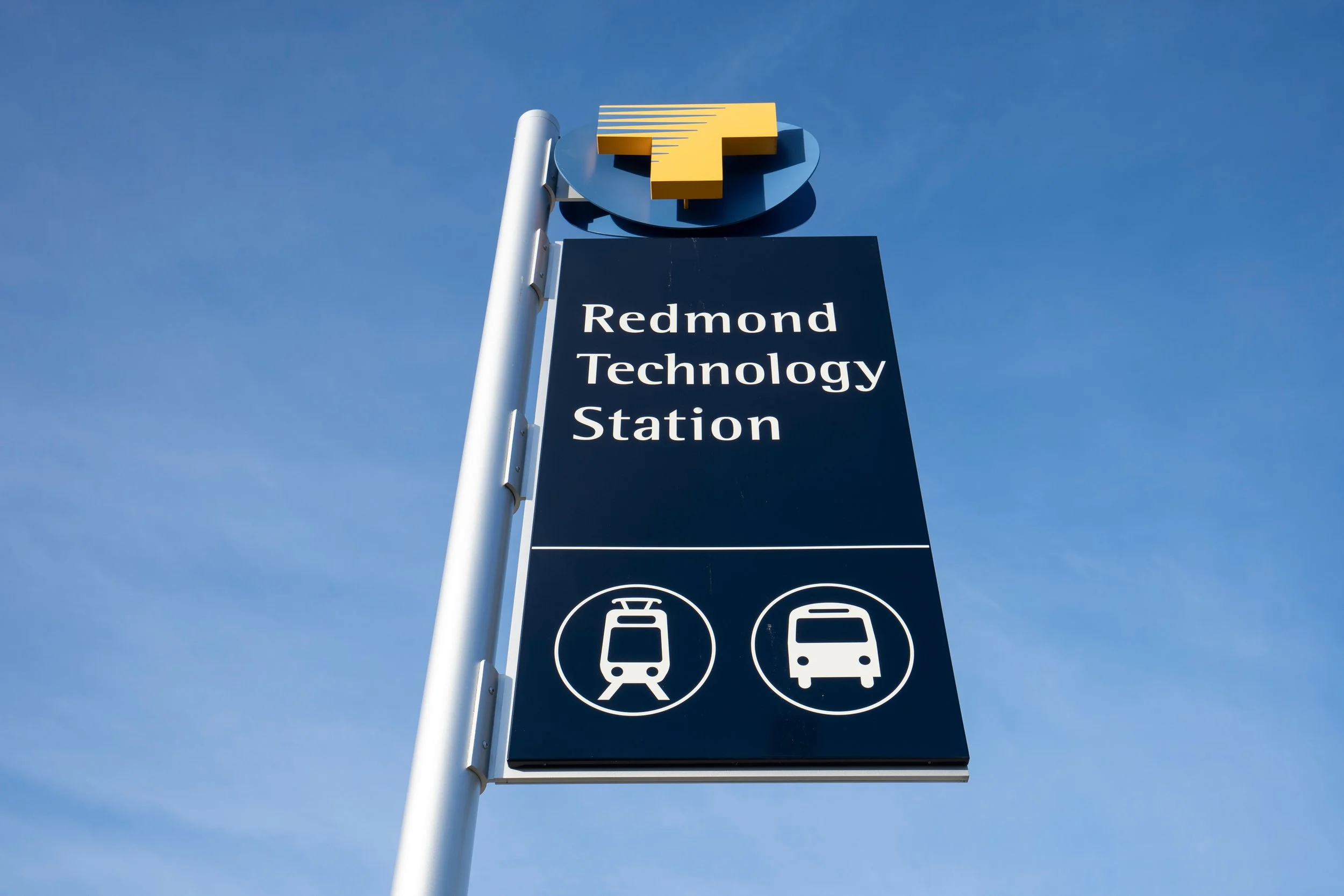
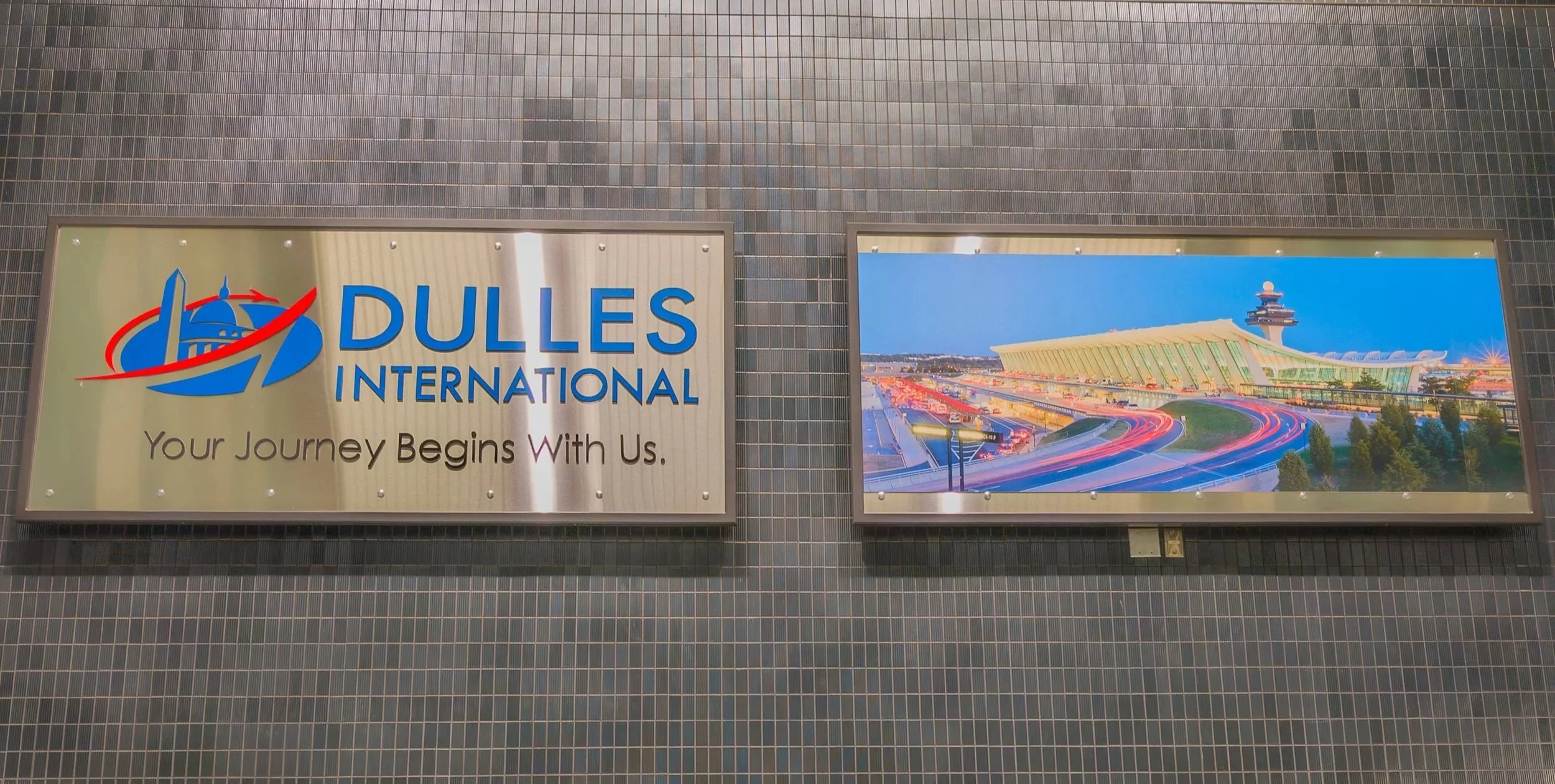
Multi-Modal Wayfinding for Connected Journeys
Modern transportation spaces frequently integrate multiple modes of travel. A single user journey might connect an airport terminal, a rail platform, a bus bay, a rideshare zone, and a pedestrian district.
We engineer multi-modal wayfinding systems that seamlessly link these journeys. We keep the navigation logic consistent, ensuring travelers move confidently between different transportation modes without losing their bearings.
Our Process
-

1. Understand the User Journey
We map exactly how people enter, navigate, transfer, wait, board, exit, and connect within your specific transportation environment.
-
2. Plan the Wayfinding Strategy
We pinpoint critical decision points, establish the message hierarchy, and define sign locations, route logic, and accessibility solutions.
-
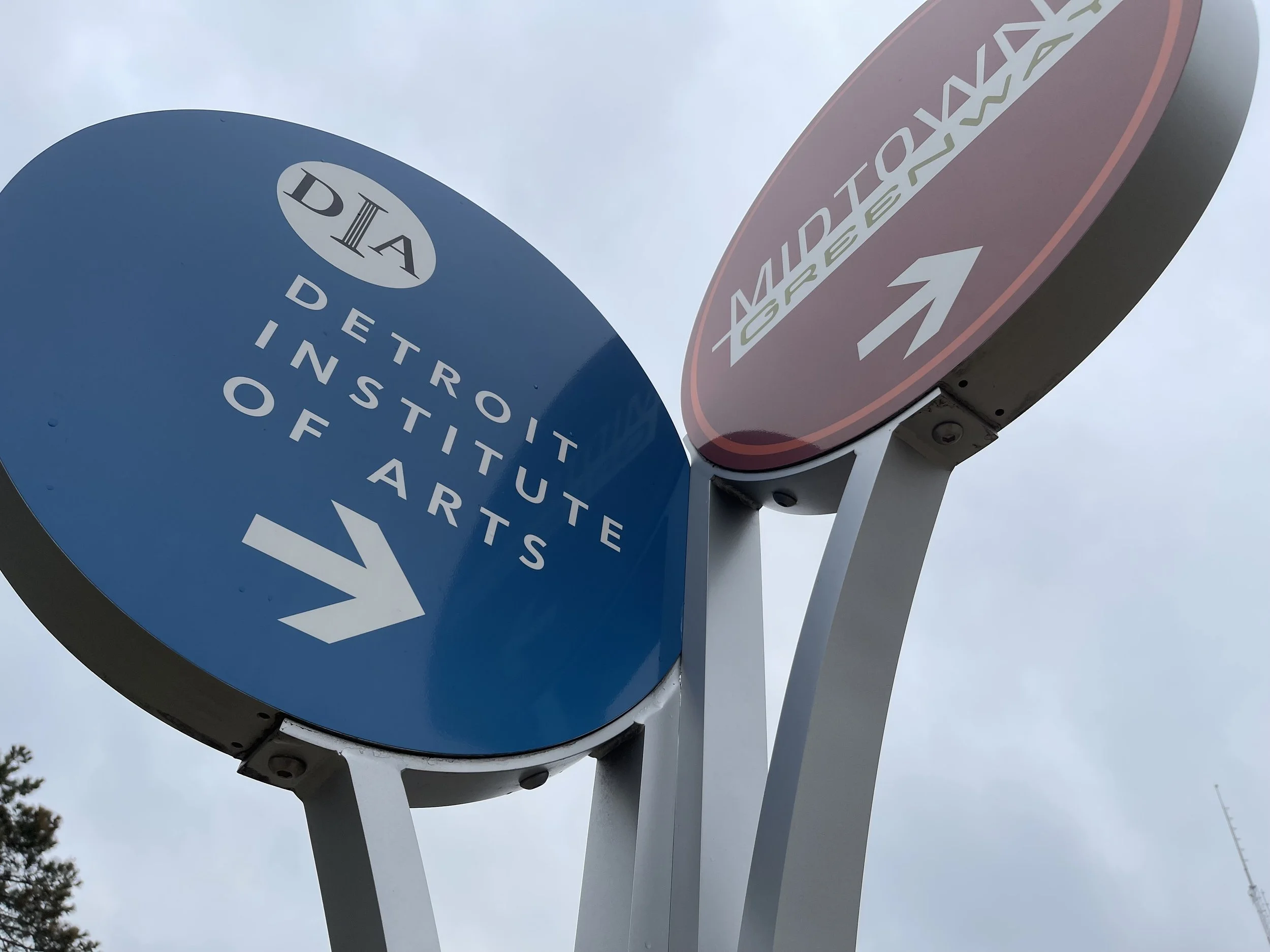
3. Design the Signage System
We design a cohesive sign family, selecting the typography, symbols, colors, maps, and digital elements so the system visually commands attention while integrating with the architecture.
-
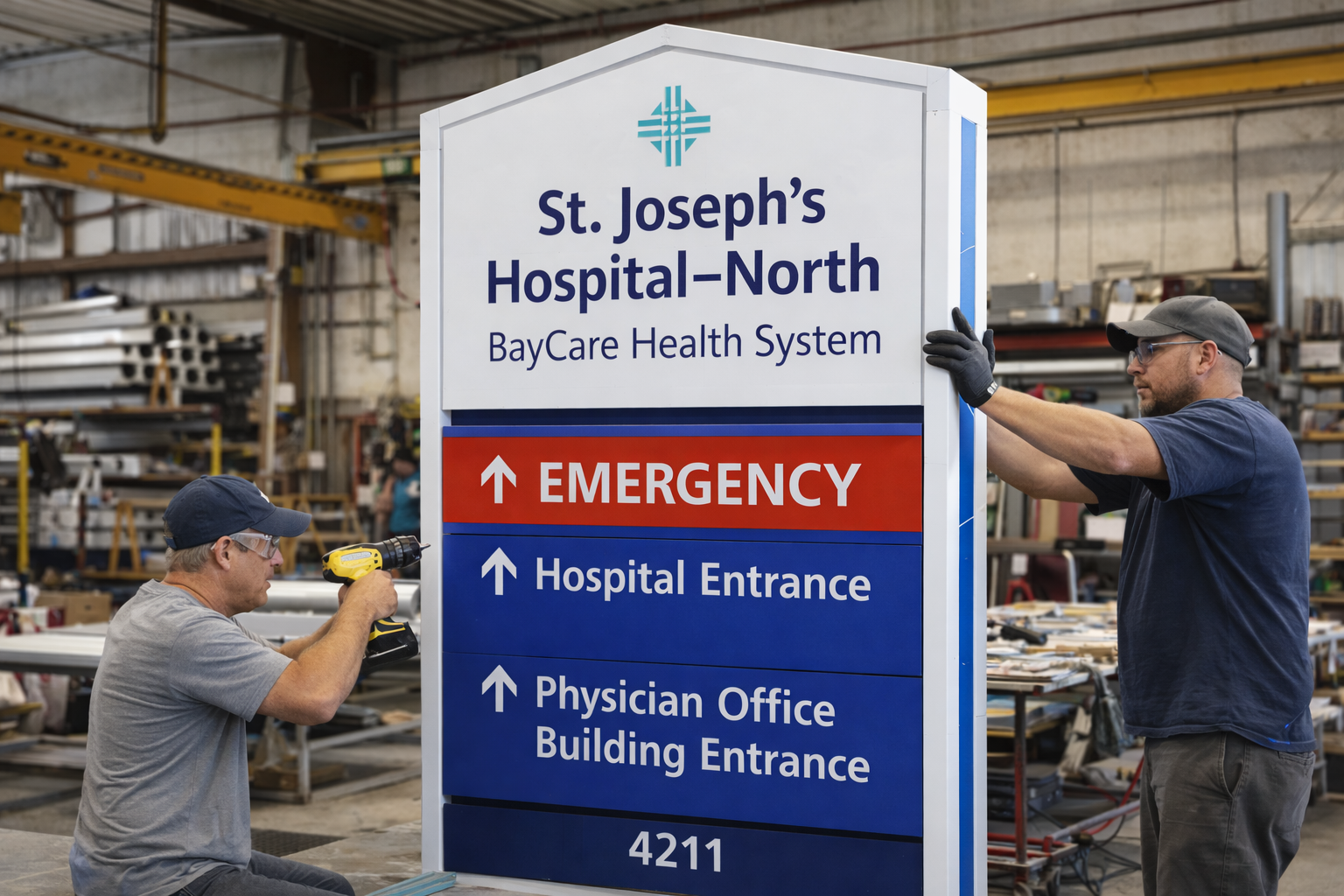
4. Prepare for Implementation
We deliver precise documentation to drive fabrication, installation, and long-term system maintenance. This includes sign location plans, message schedules, and comprehensive design intent drawings.

Designed for Airports, Rail, Transit Centers, and Mobility Hubs
Transportation signage does far more than point people in the right direction. It dictates operational flow, guarantees accessibility, drives rider confidence, and defines the facility's identity.
At Nicolson Associates, we equip project teams with transit wayfinding systems that transform complex transportation environments into intuitive, easy-to-use spaces.
FAQs About Transportation & Transit Wayfinding
-
Teams must integrate transit wayfinding early in the design phase, long before signage turns into a hurried installation task. Early planning aligns entrances, ticketing areas, platforms, transfers, and accessibility routes into one cohesive system.
-
Any environment managing multiple routes, users, entrances, exits, or modes of travel requires a strategic wayfinding system. We support airports, rail stations, transit centers, bus terminals, mobility hubs, and large-scale public transportation facilities.
-
Transit wayfinding must facilitate split-second decisions amid high foot traffic, route changes, and stressed travelers. It requires flawless, consistent logic across vast networks of entrances, platforms, terminals, and connection points.
-
A comprehensive system integrates station identification, entrance and platform markers, concourse and terminal navigation, route maps, exit directionals, accessibility markers, and real-time digital displays.
-
Multi-modal wayfinding bridges the gap between different travel methods, guiding people smoothly from an airport terminal to a rail link, or a bus bay to a rideshare zone. It maintains a unified navigational language even as the user changes their mode of transit.