
Wayfinding & Experiential Design For Government & Public Services
Government and civic environments present complex navigation challenges. Citizens, visitors, and staff often move through unfamiliar facilities where clarity, accessibility, and efficiency are essential.
We partner with government agencies and public service organizations to design wayfinding systems and experiential environments that bring structure to these spaces. Our approach supports clear navigation, improves access to essential services, and aligns perfectly with the operational needs of civic buildings.
Overcoming Navigation Challenges In Civic Environments
Government facilities house complex ecosystems of departments, layered services, and security zones. When these buildings lack a clear wayfinding strategy, routine journeys break down, causing friction for both the public and your operations:
Citizens waste time locating specific departments, service counters, or offices.
Visitors struggle to navigate multi-step processes across different service areas.
Confused citizens frequently interrupt administrative and security staff for directions.
Inconsistent signage across municipal campuses creates widespread confusion.
We design clear, structured systems that eliminate these barriers. By planning wayfinding that intuitively guides the public, we improve access to vital services while allowing your staff to focus on their primary responsibilities.
Why Wayfinding Matters In Government & Public Service Environments
Government wayfinding goes beyond simple signage; it helps people access essential services efficiently in unfamiliar or complex environments. We plan wayfinding systems that improve both public access and internal operations by:
Reducing confusion when locating departments, offices, and service counters.
Streamlining movement across multi-building civic campuses and facilities.
Minimizing directional interruptions for administrative and service staff.
Supporting clear navigation through processes that involve multiple steps or locations.
Creating a consistent and organized experience across government buildings and agencies.
In public service environments, navigational clarity directly affects how easily people can access services and how efficiently facilities operate.

Our Work In Government & Public Services
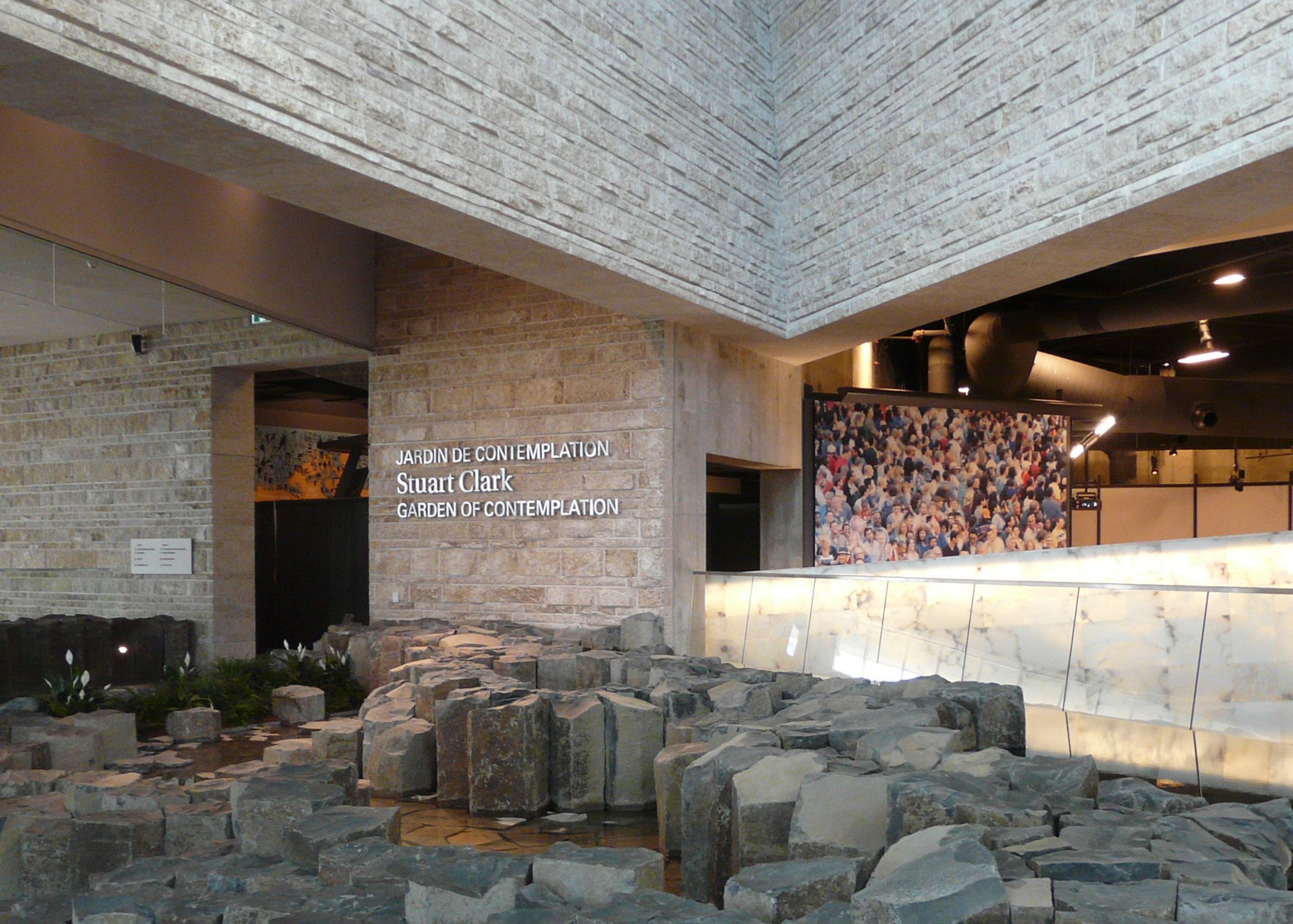
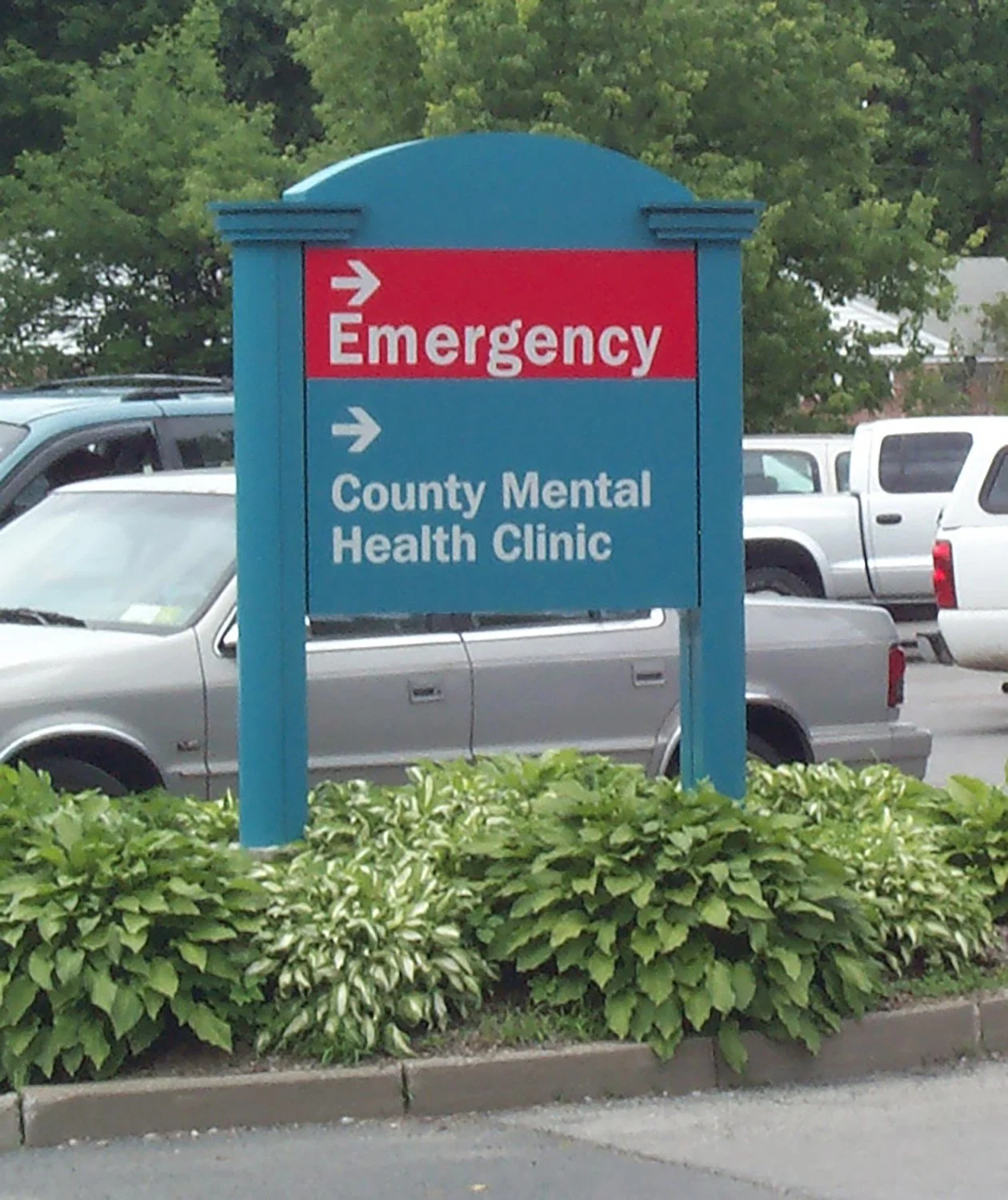
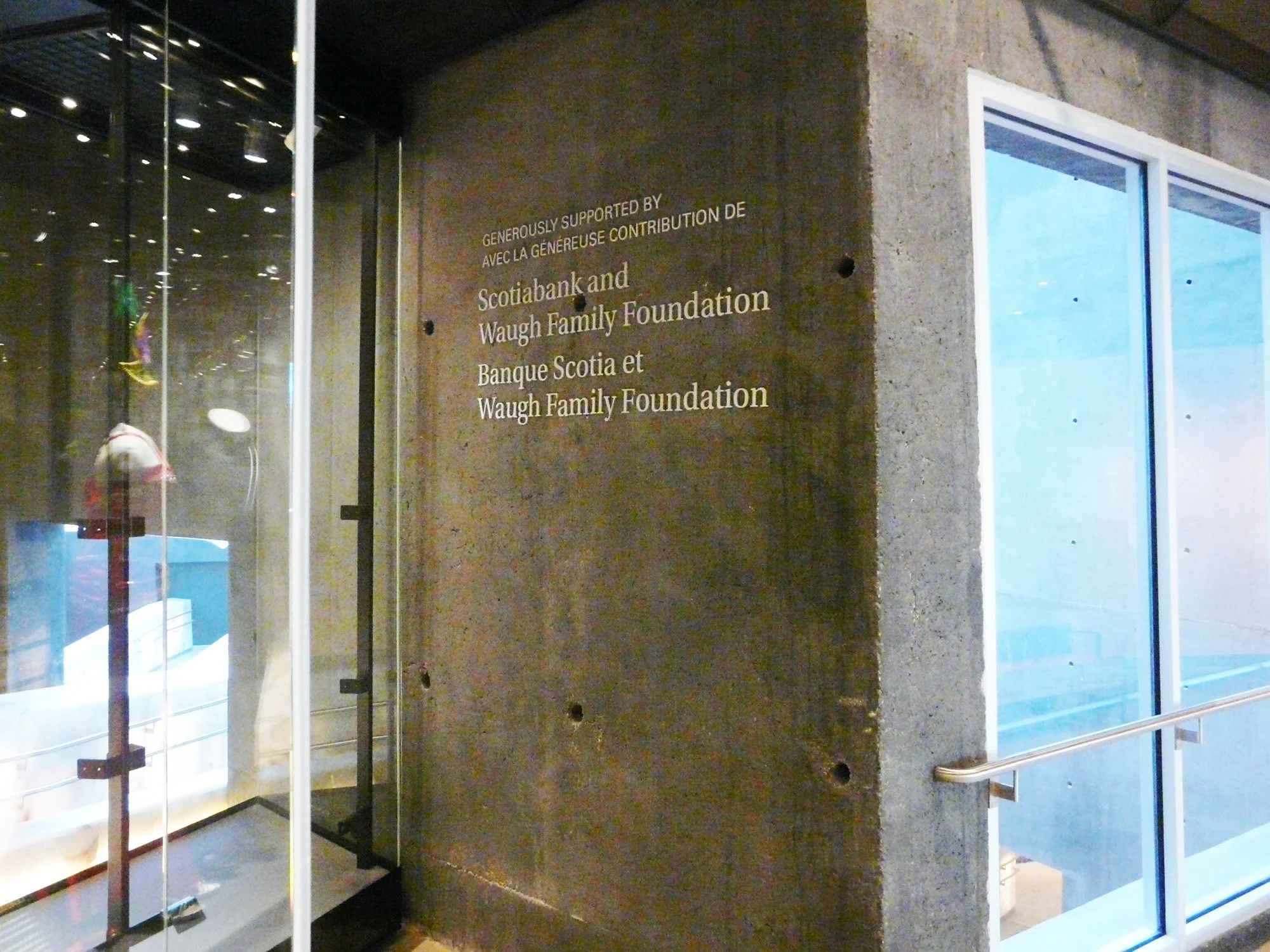
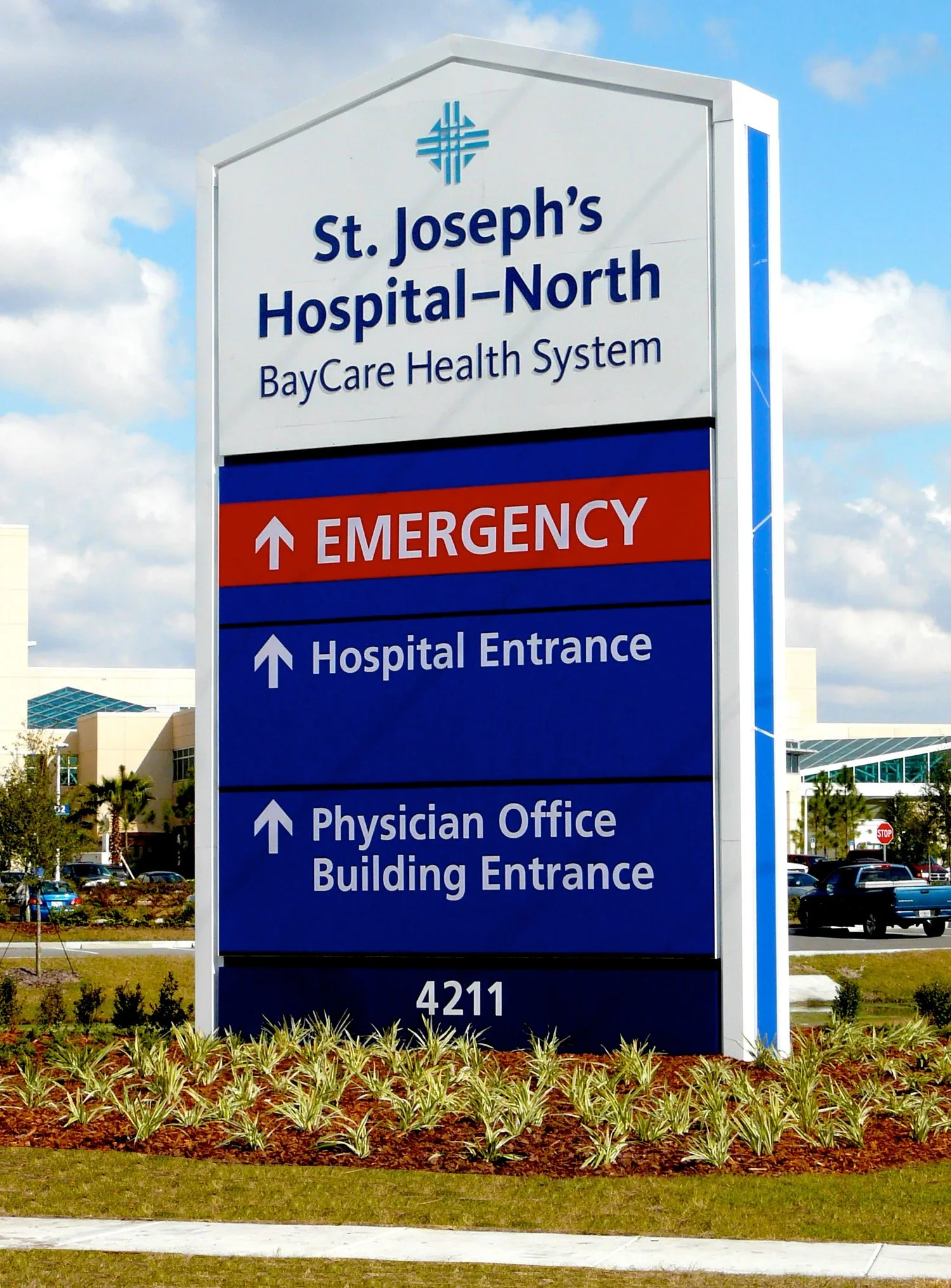
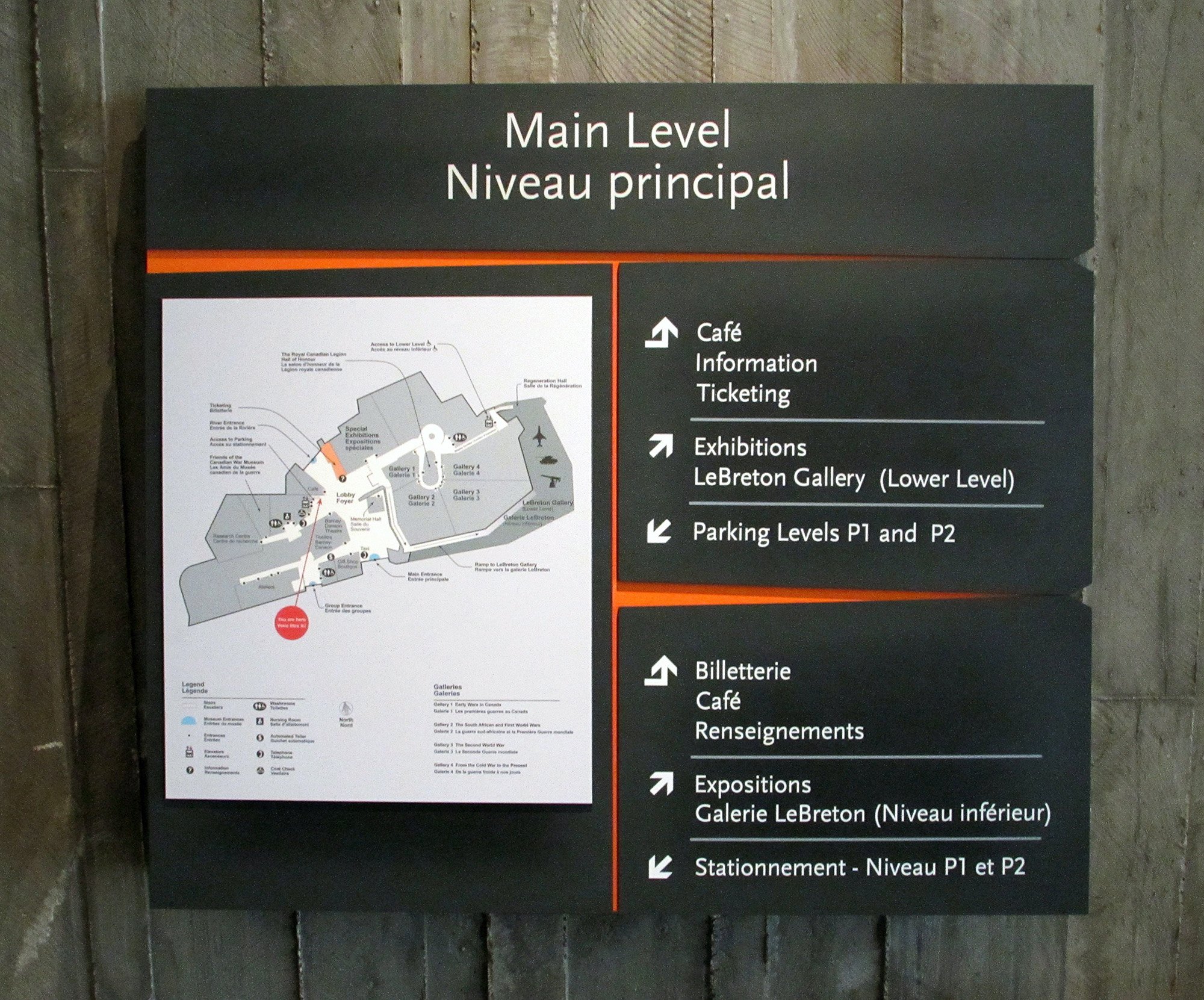
We partner with municipalities, state agencies, and federal organizations to design navigation strategies for complex civic environments. Whether you manage a single municipal building, a multi-department facility, or a sprawling public campus, our team develops systems that ensure clear access to services, enhance the public experience, and comply strictly with regulatory requirements.
Comprehensive Signage & System Components
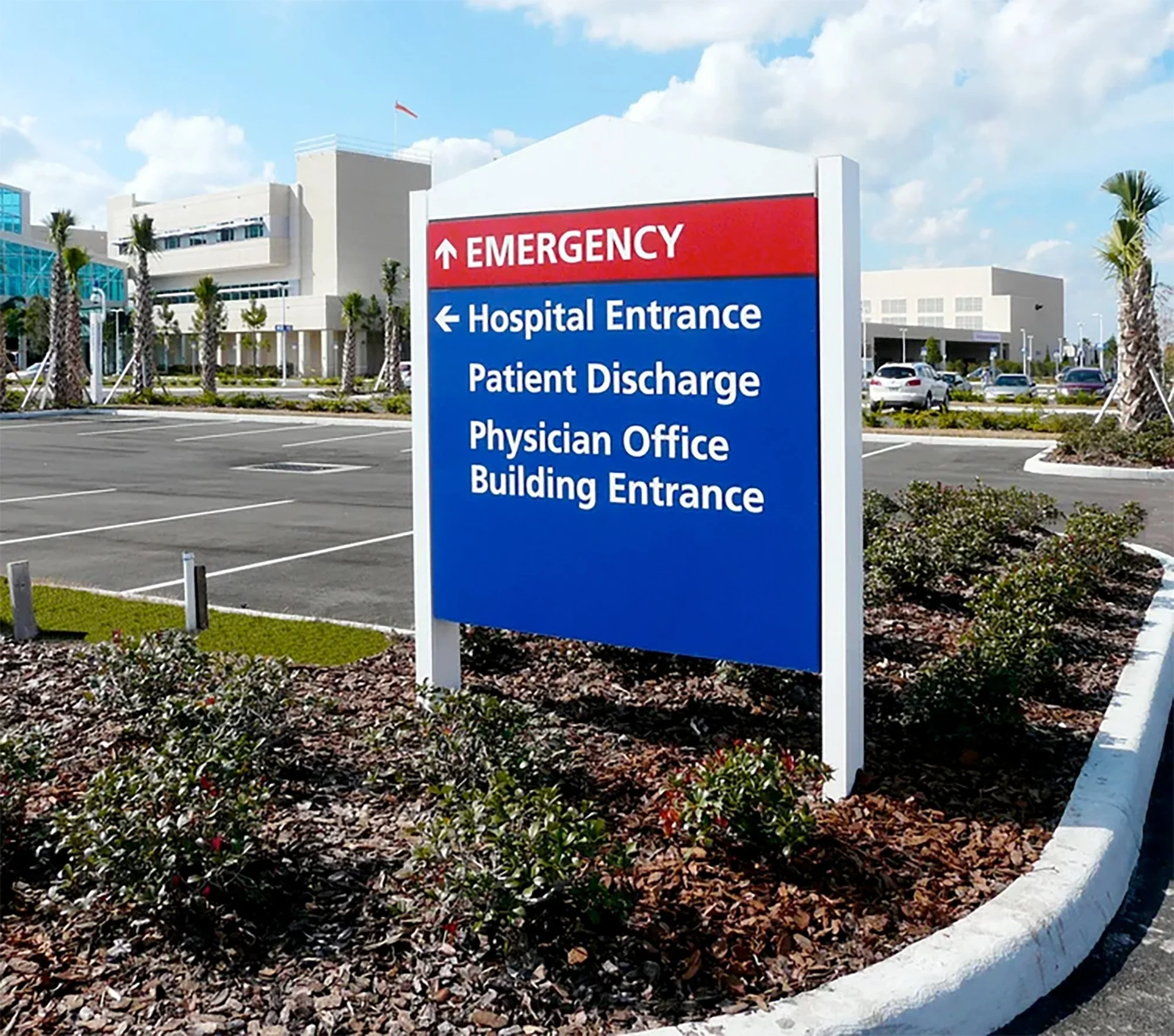
Rather than placing isolated signs, we design unified wayfinding systems based on how people actually access services and move through multi-department environments. We integrate multiple functional layers to guide citizens clearly through your facilities:
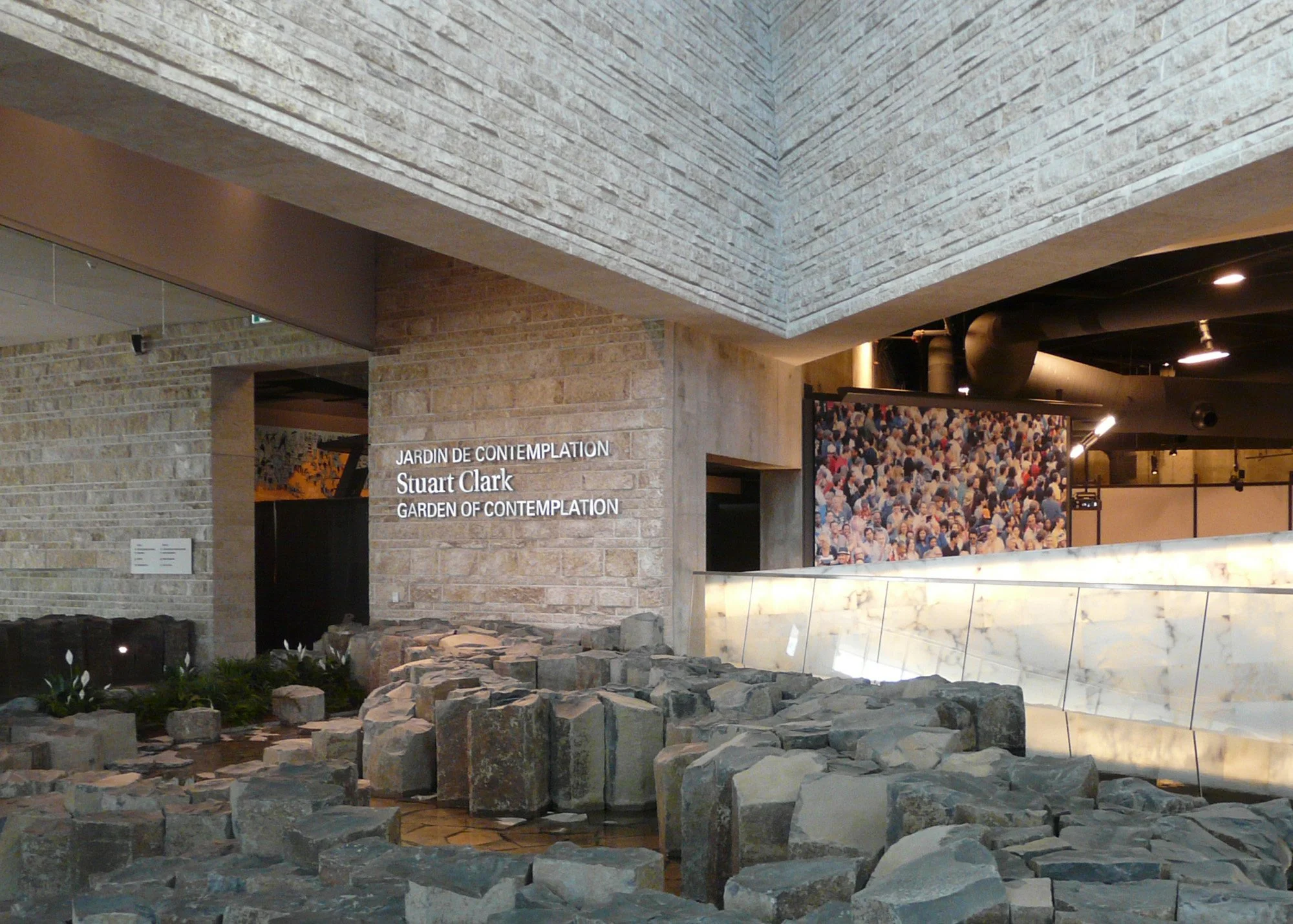
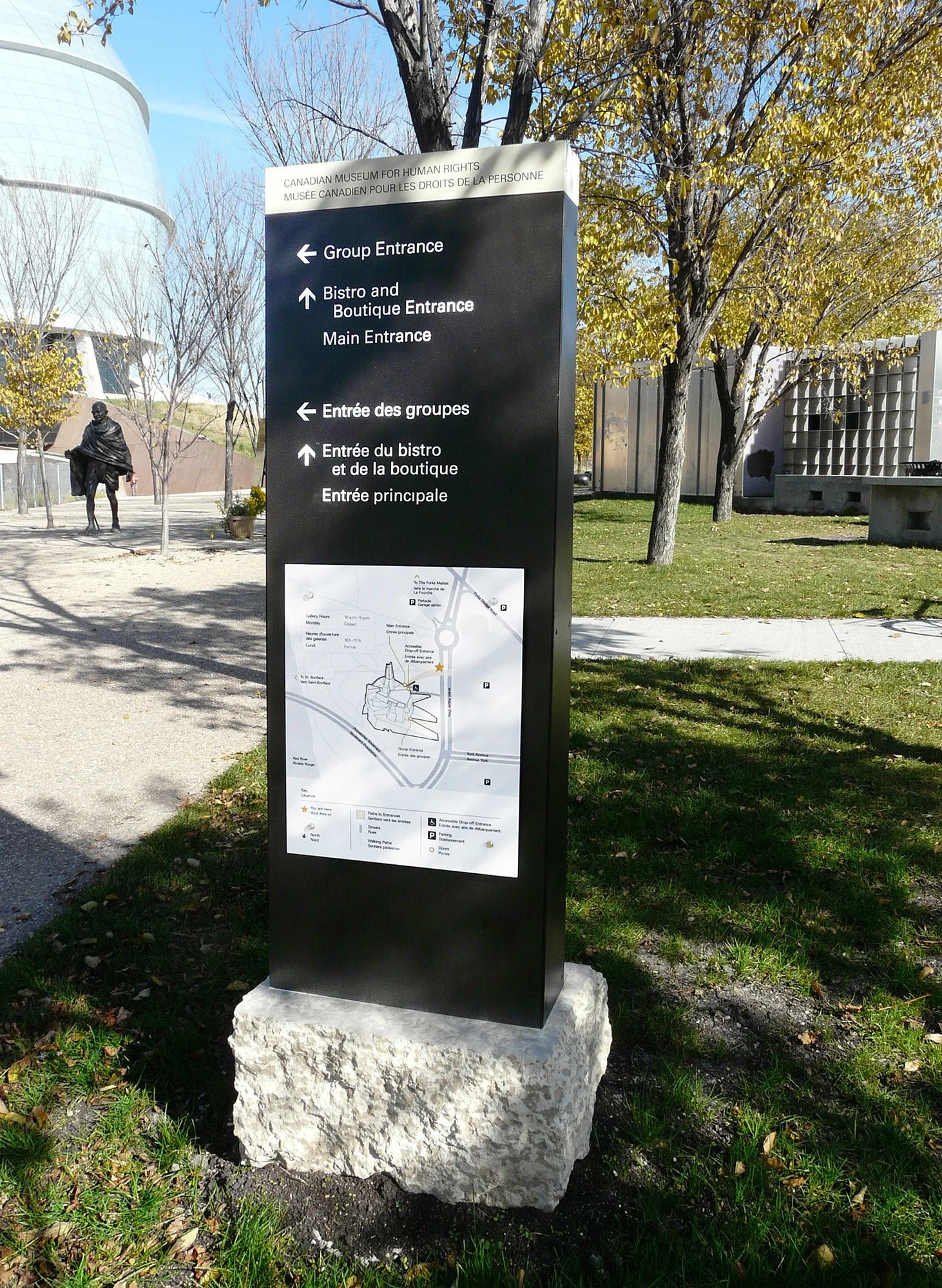
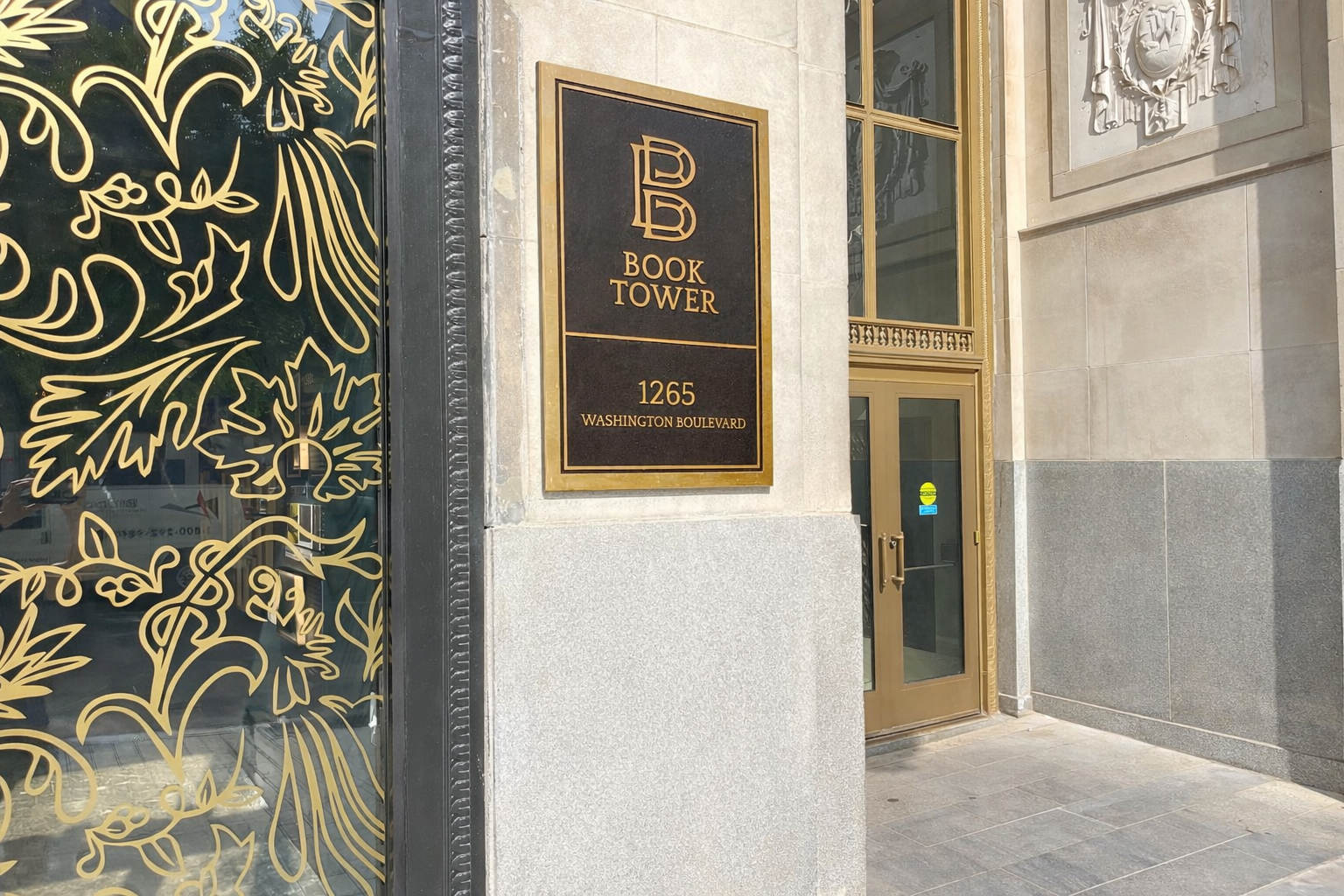
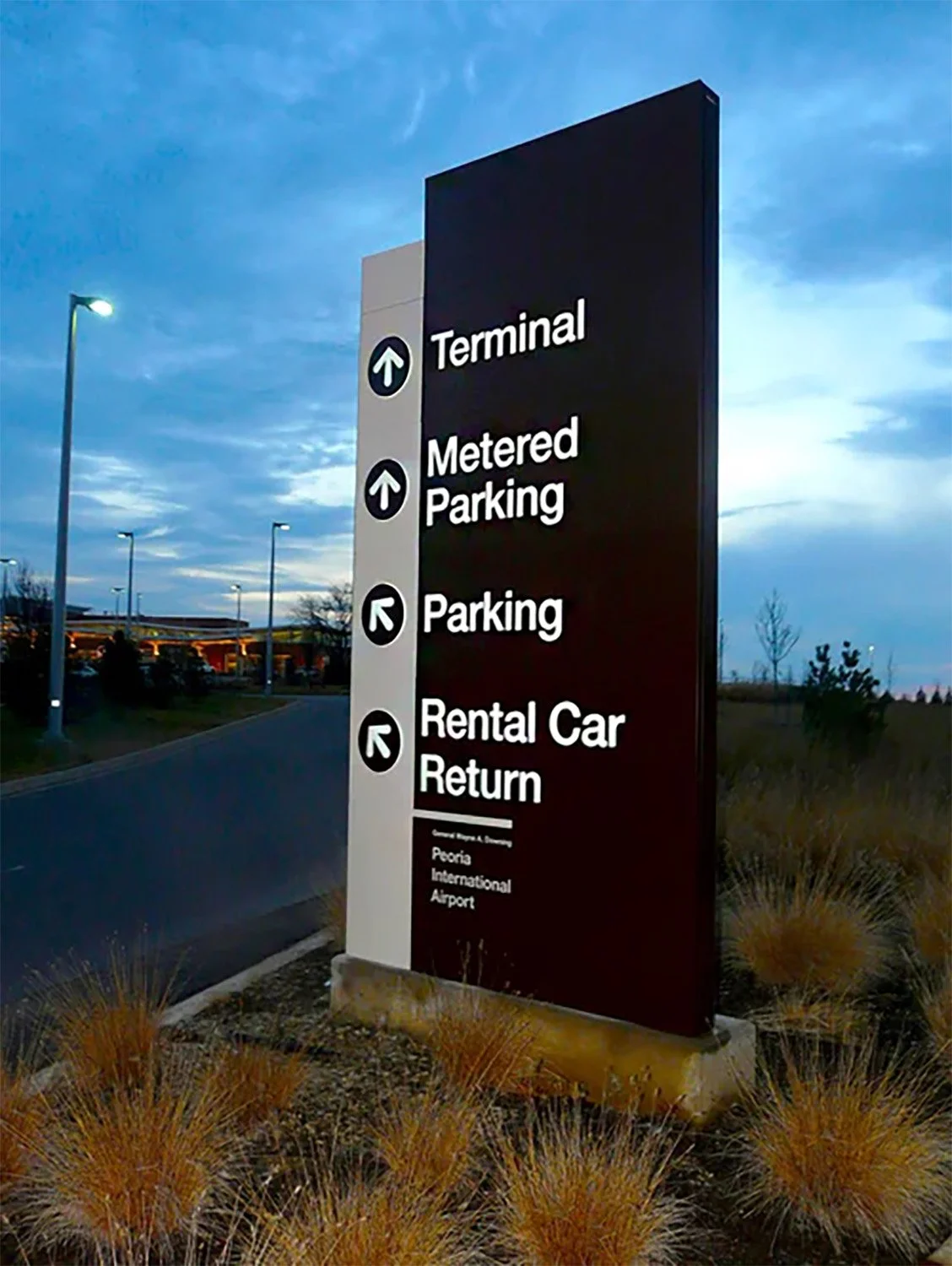
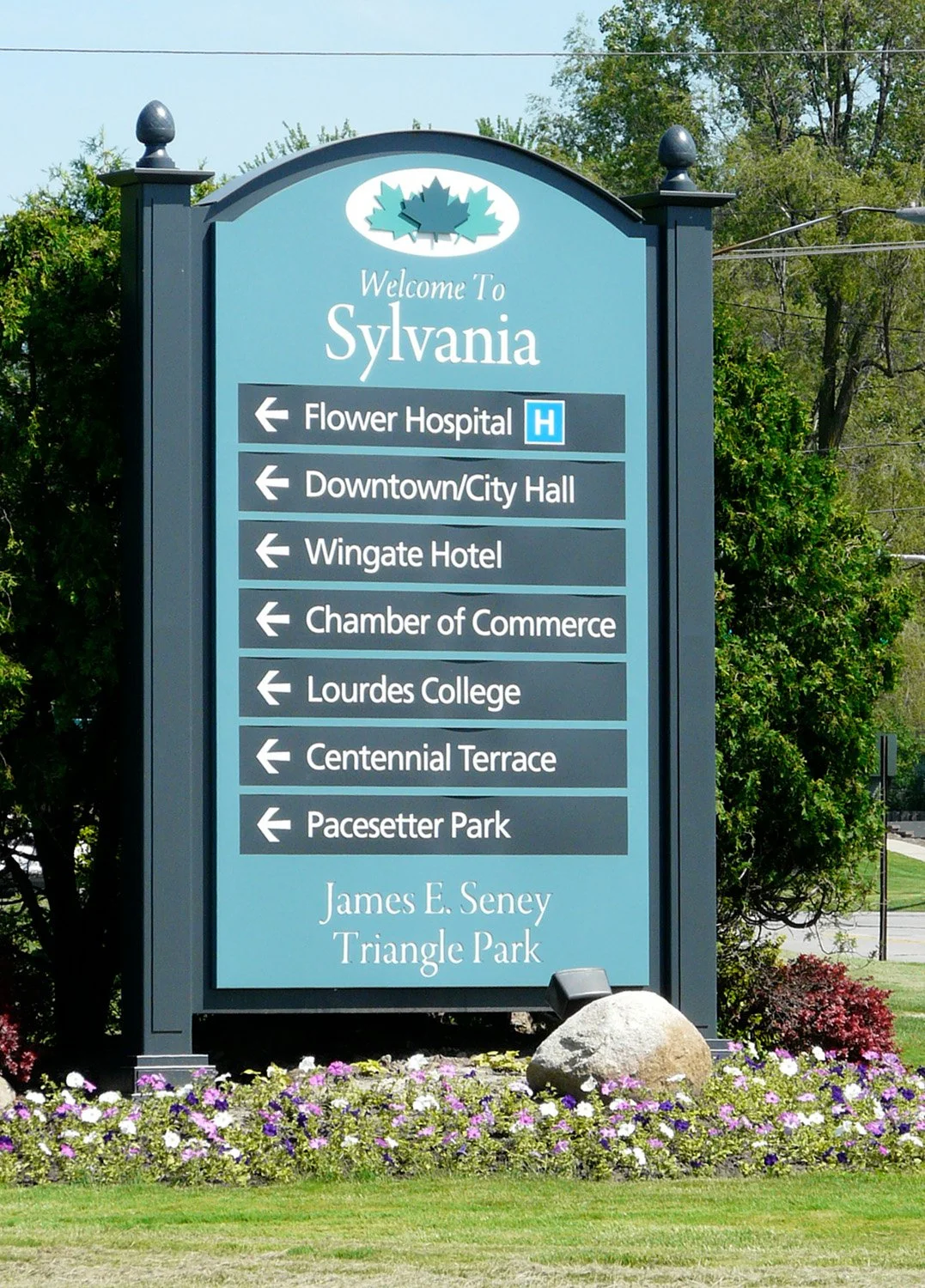
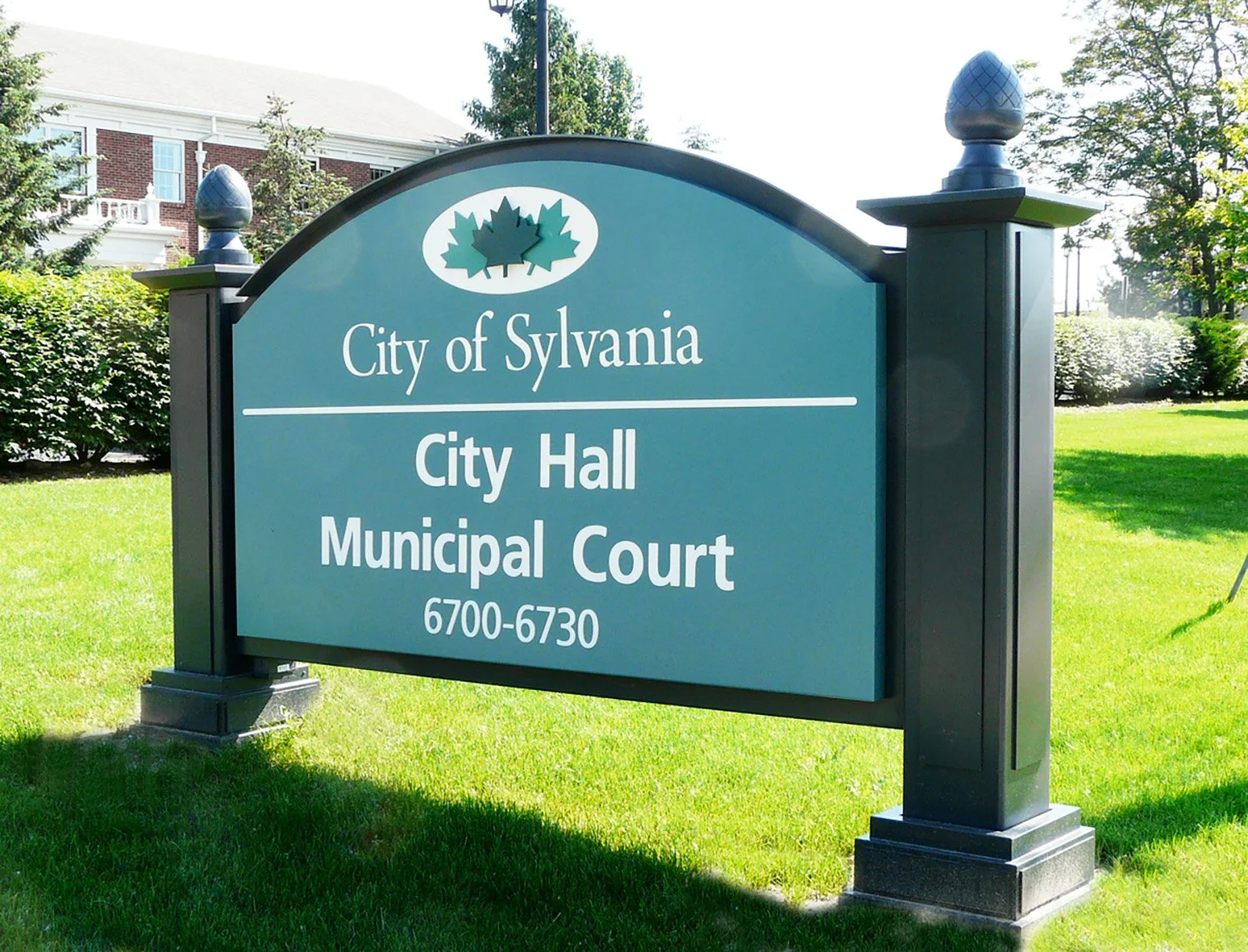
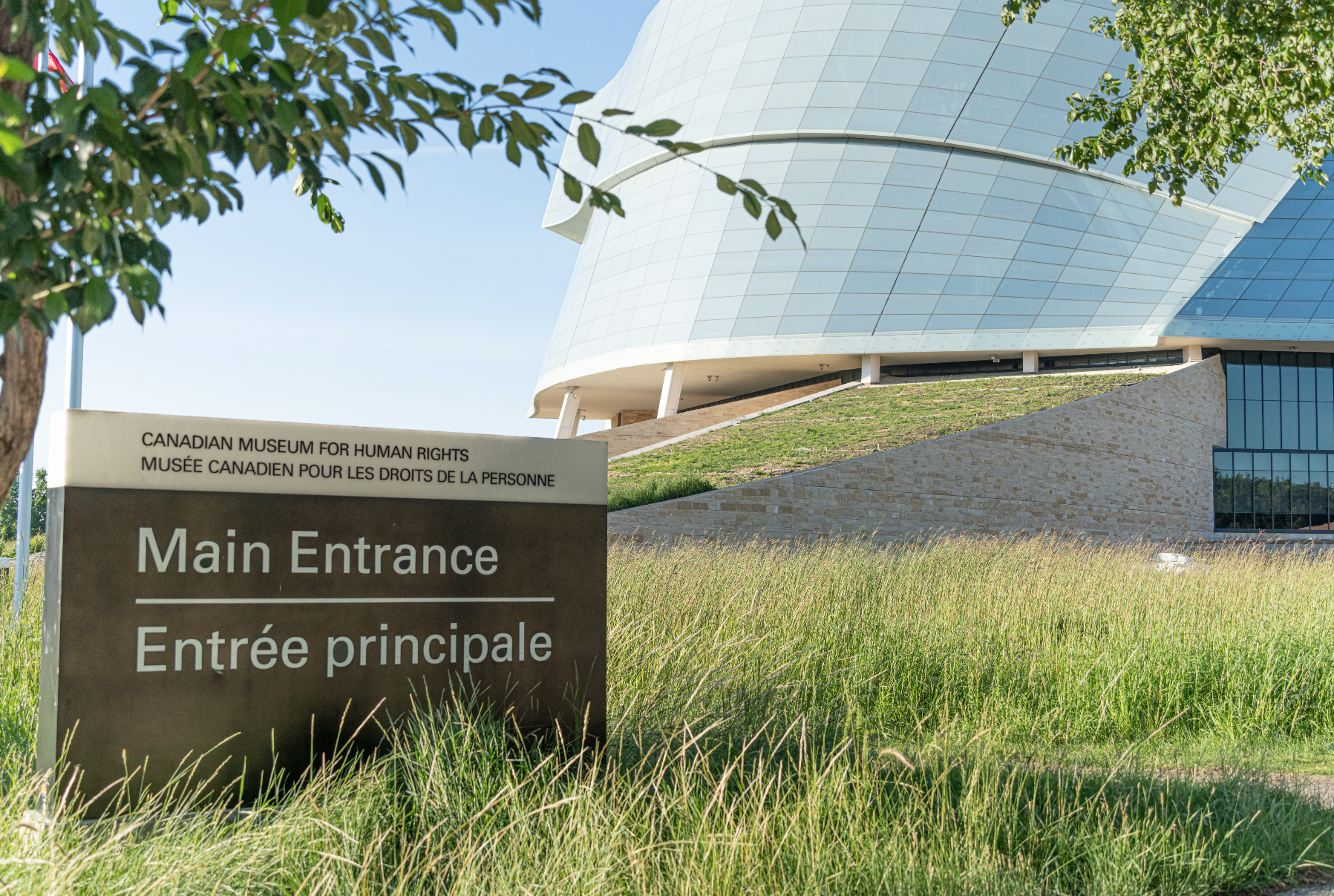
Exterior Wayfinding: We design site-entry signage, parking and access navigation, and clear identification of buildings, departments, and public entrances.
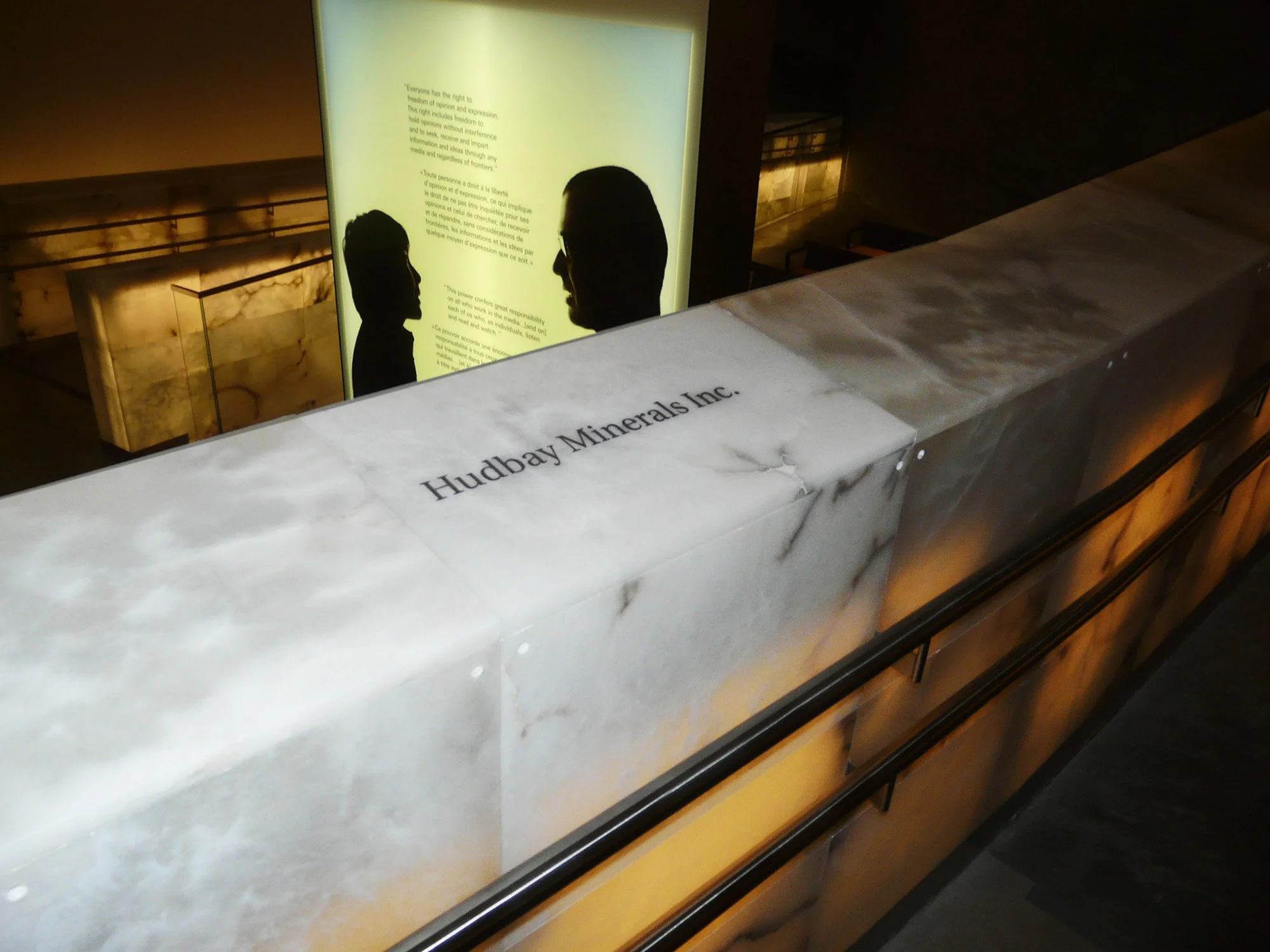
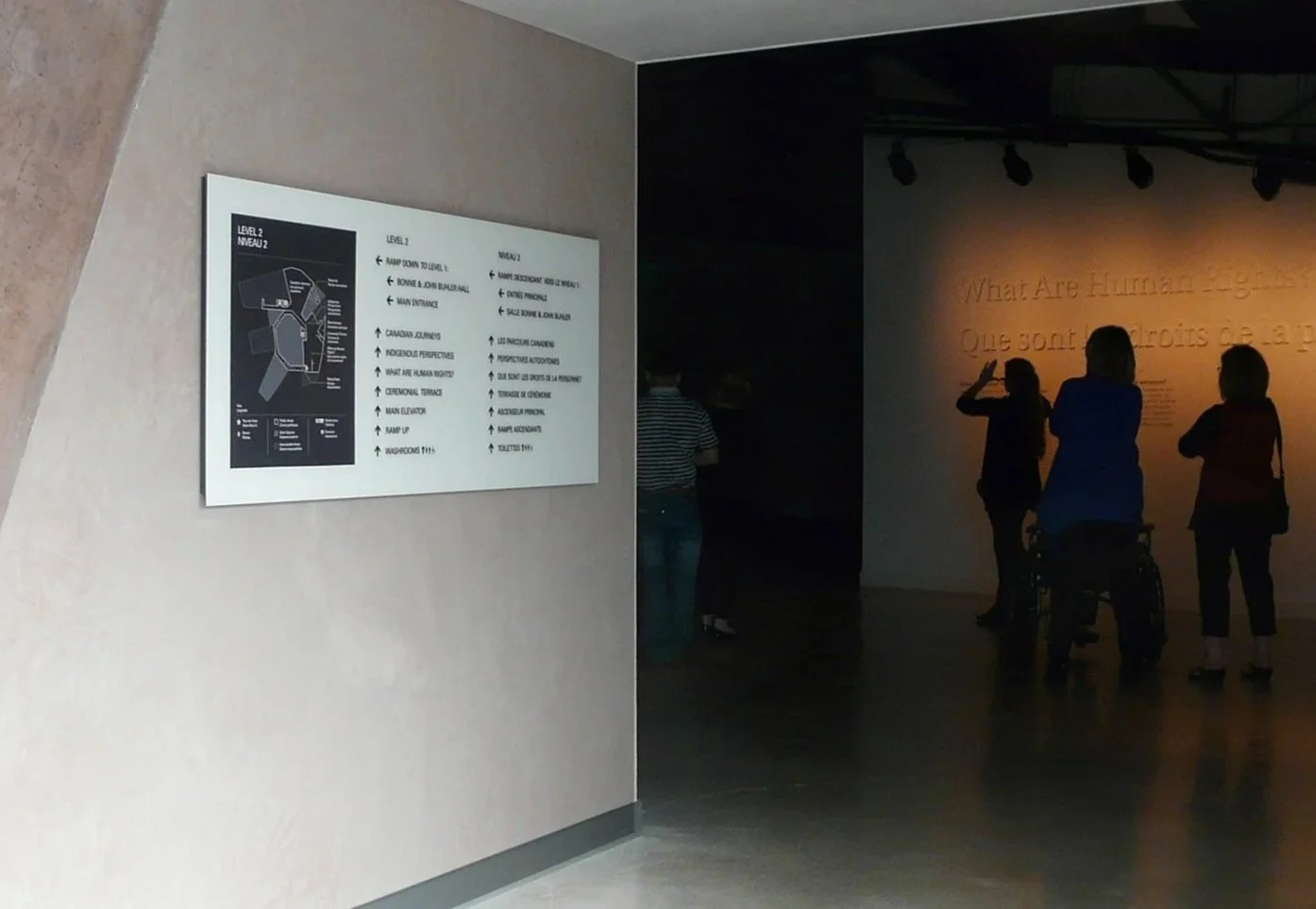
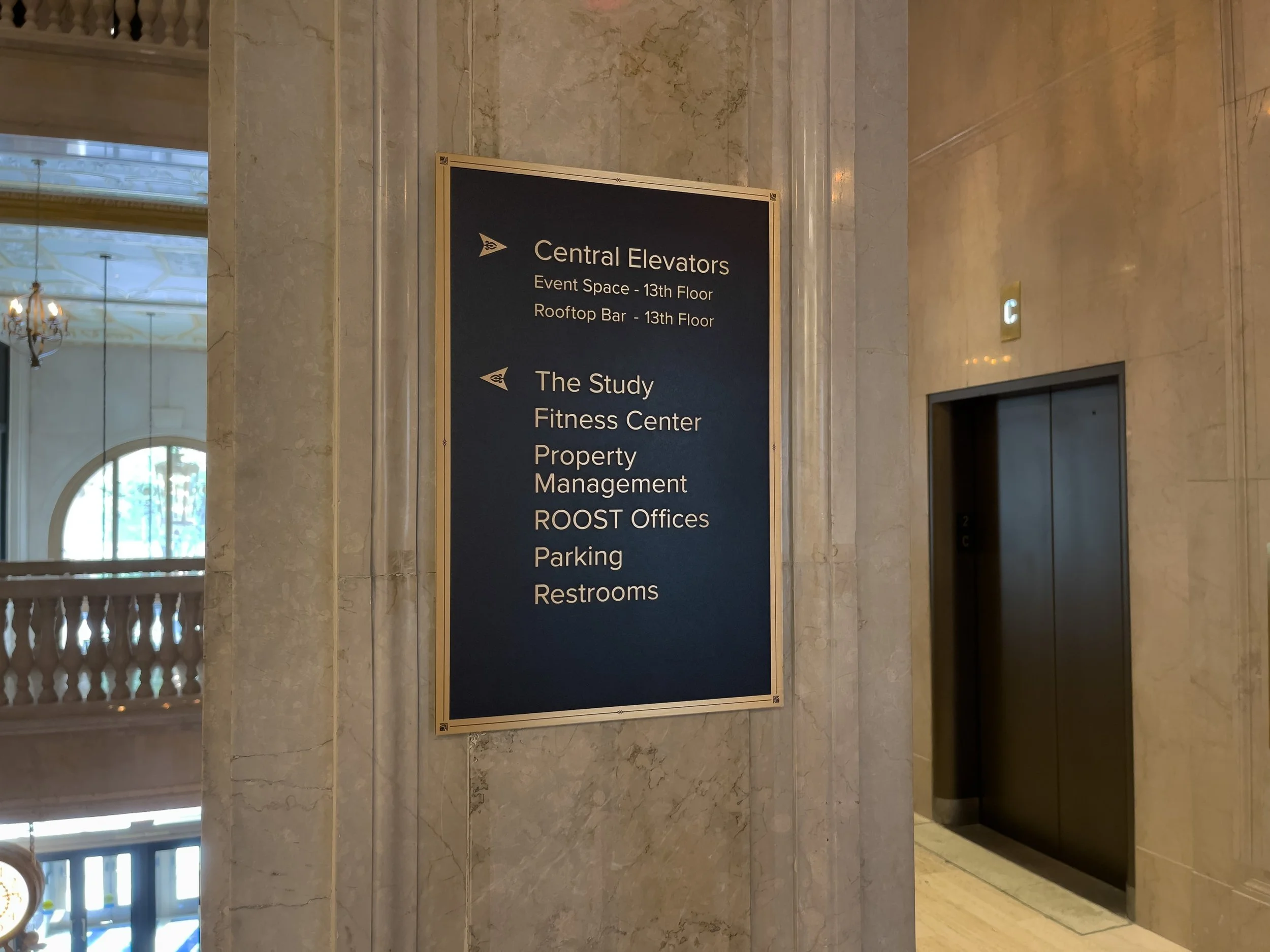
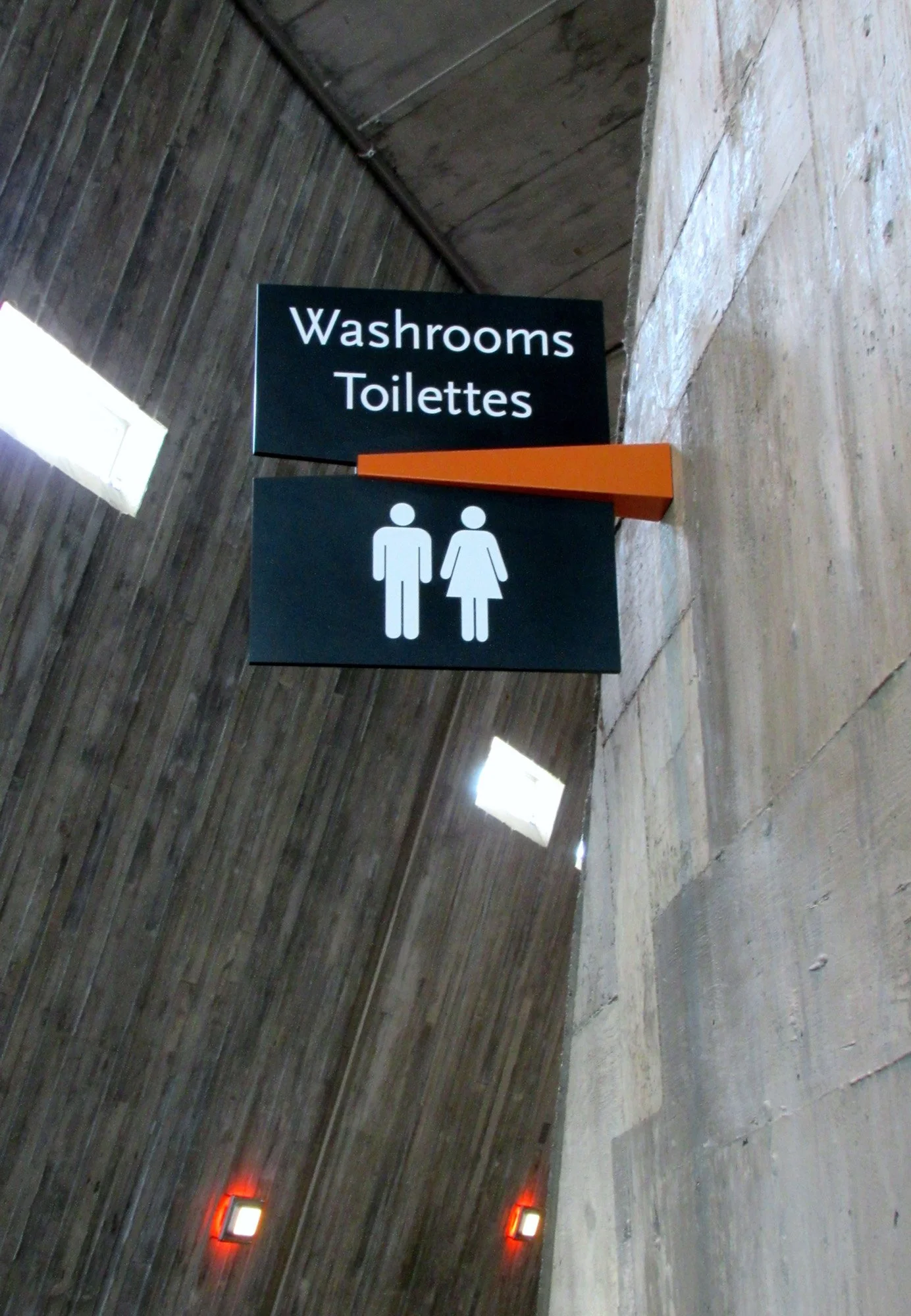
Interior Wayfinding: We develop directional signage for departments, service counters, waiting areas, and offices, as well as intuitive directories and room-identification systems.
Accessibility & Compliance: We implement fully code-compliant signage systems, including braille and tactile elements, high-contrast typography, and clear placement standards to support all accessibility needs.
Digital Wayfinding: We integrate interactive directories, queue and service information displays, and adaptable messaging systems to support evolving public needs.
We plan each component to align seamlessly with your facility layout, service structure, and regulatory requirements, creating a reliable navigation experience across all public-facing environments.

FAQs
-
Wayfinding for government facilities starts with mapping how services are structured, not just how spaces are laid out. We analyze how people move between departments, where decisions are made, and how processes unfold across different locations. We then build the system to guide users step by step, helping them move from entry points to the appropriate service areas without requiring prior familiarity with the facility.
-
Common challenges include unclear service hierarchies, multiple entry points, security checkpoints, and inconsistent naming across departments. Many facilities also evolve, leading to fragmented layouts and signage systems. These factors create confusion, longer wait times, and increased reliance on staff for directions.
-
Effective wayfinding supports accessibility by making navigation understandable for people with different needs, including non-native speakers, first-time visitors, and individuals with visual or cognitive impairments. We achieve this through clear language, logical organization of information, consistent visual cues, and strict compliance with ADA standards, including tactile and high-contrast signage.
-
We achieve consistency by developing a standardized wayfinding framework that defines naming conventions, visual hierarchy, typography, icon systems, and placement rules. This structured approach allows different buildings and departments to follow the same navigation logic, making it easy for users to move through various public service environments without having to relearn navigation in each new building.
-
Organizations typically need a redesign when facilities expand, departments reorganize, services consolidate, or user complaints about navigation increase. Other key indicators include outdated or fragmented signage, increased staff time spent giving directions, or the introduction of new security requirements that fundamentally alter how people move through the space.
Building Adaptable Navigation For Growing Communities
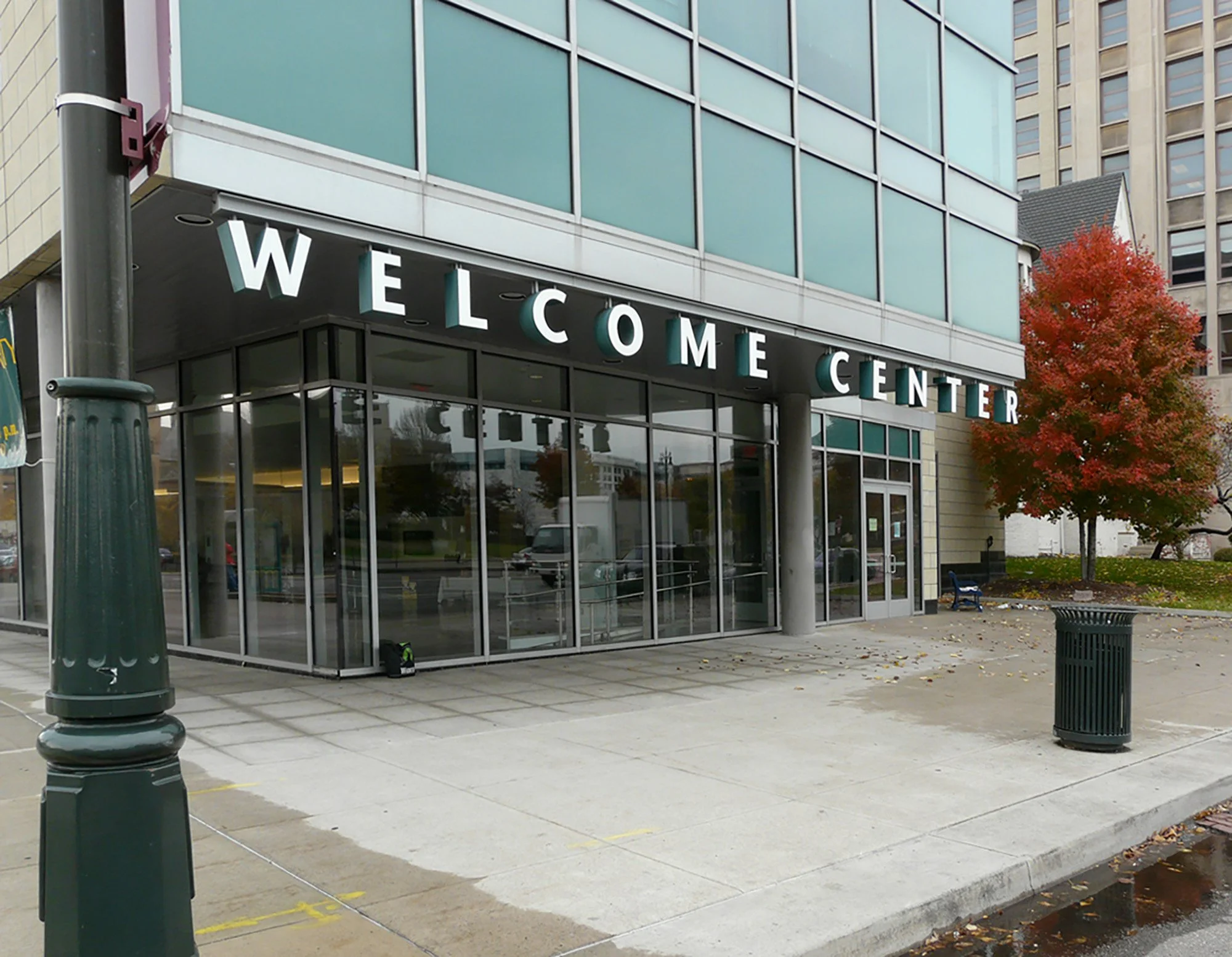
Civic environments constantly evolve as services expand, processes change, and facilities grow. Wayfinding systems must adapt to support clear access and consistent service delivery through these transitions.
Our approach focuses on building structured, easy-to-navigate systems tailored to your facility layout, service workflows, and compliance standards. Let’s build a system that works for your environment and the citizens who rely on it every day.