
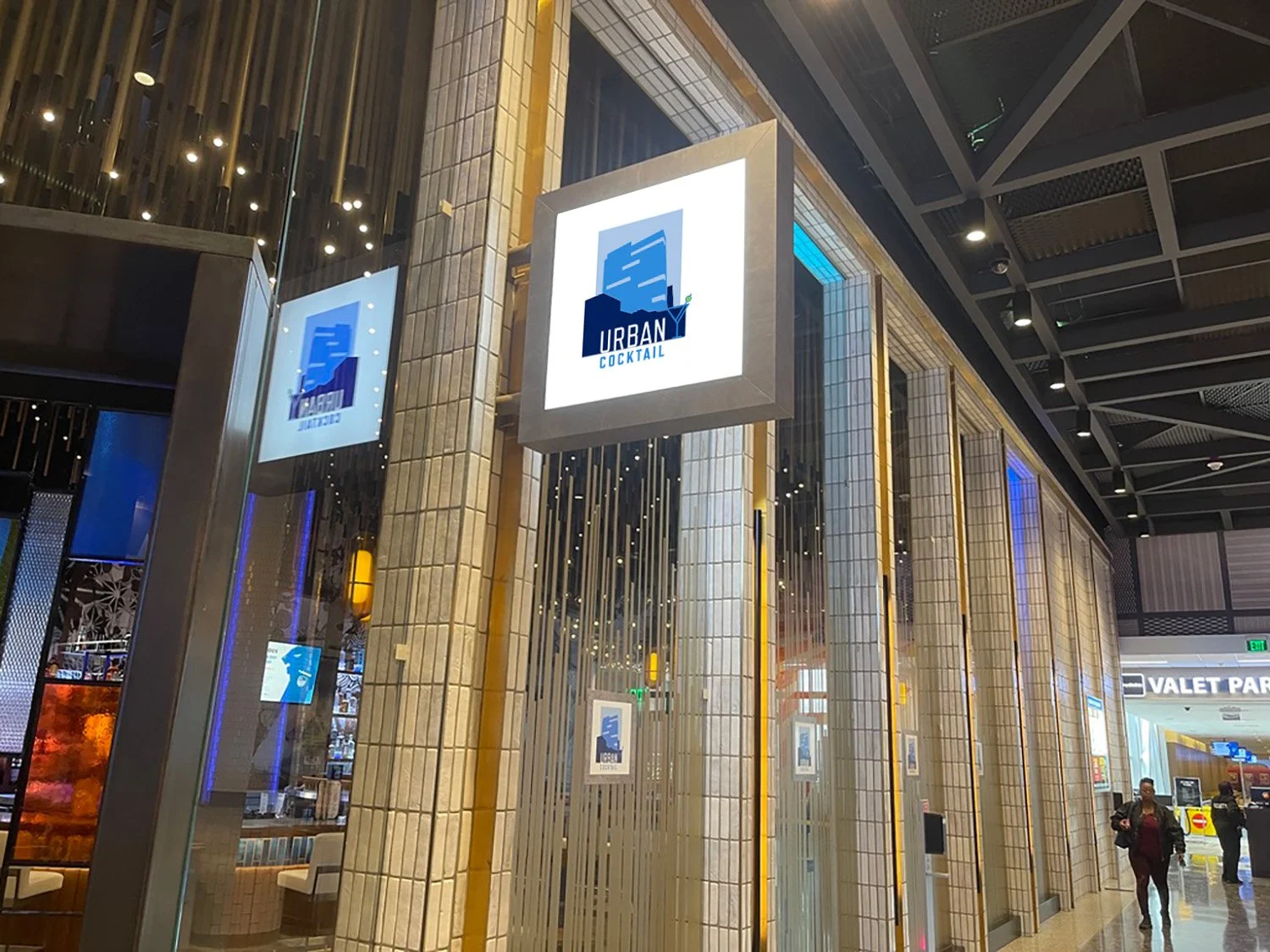
Wayfinding & Experiential Design For Hospitality & Travel
Movement drives hospitality and travel environments. Guests arrive from diverse locations, often on tight schedules, and must navigate unfamiliar spaces quickly and confidently.
We partner with hotels, resorts, airports, terminals, and transit hubs to design wayfinding systems and experiential environments that guide people clearly from arrival to departure. Our strategy reduces friction, improves orientation, and supports daily operations across complex, high-traffic spaces.
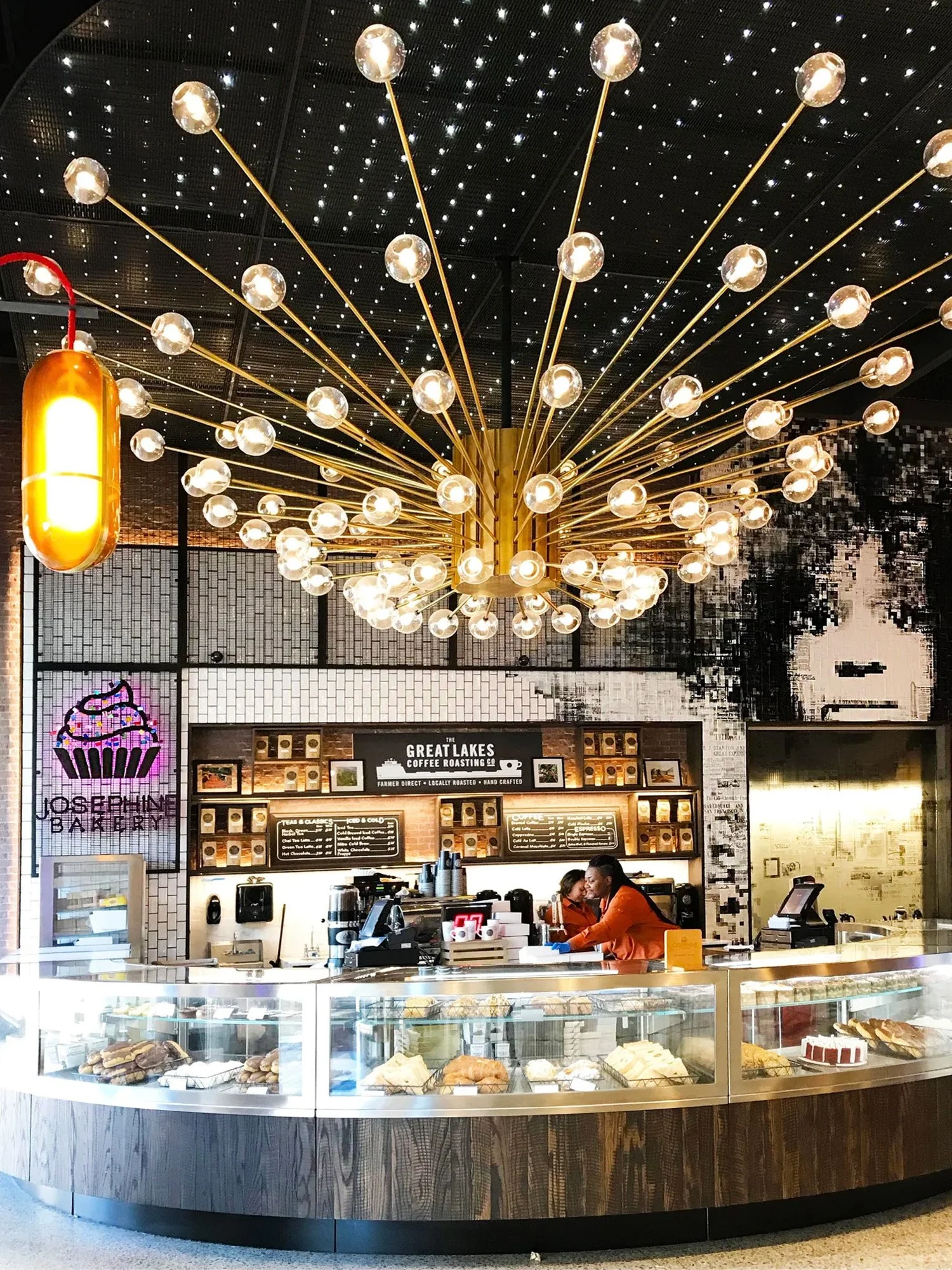
Overcoming Challenges In High-Traffic Destinations
Public transit and guest spaces create some of the most demanding navigation environments. Multiple entry points, layered guest services, public and restricted zones, and constantly shifting schedules create immediate friction.
When facilities lack a clear wayfinding strategy, routine journeys break down, causing a ripple effect across your operations:
Guests waste time searching for check-in desks, amenities, or event spaces.
Travelers miss vital transitions between terminals, gates, platforms, or pickup zones.
Confused visitors repeatedly interrupt the front desk, concierge, and operations staff for directions.
Inconsistent signage across multi-property portfolios creates brand confusion.
We design clear, intuitive systems that eliminate these bottlenecks. By planning wayfinding systems that support natural human movement, we improve the visitor experience while allowing your staff to focus on their primary roles.
Why Wayfinding Matters In Hospitality & Travel Environments
Hospitality and travel wayfinding go beyond simple signage; they support guests and travelers as they move through unfamiliar spaces under time pressure. We plan wayfinding systems that improve both the visitor experience and day-to-day operations by:
Reducing confusion at arrivals, check-in areas, and service points.
Streamlining movement across lobbies, guest floors, amenities, and event spaces.
Supporting smooth transitions between terminals, gates, platforms, and pickup zones.
Minimizing directional interruptions for front desk, concierge, and operations staff.
Creating a consistent navigation experience across properties, campuses, or travel hubs.
In hospitality and travel settings, navigational clarity directly affects how efficiently people move and how confidently they use the space.


Elevating The Guest Experience
We partner with facility owners, architects, and brand managers to bring structure and clarity to complex environments. Whether you operate a single boutique property, a multi-site portfolio, or a large transportation hub, our team builds navigation strategies that guarantee consistent guest experiences and day-to-day operational efficiency.

Comprehensive Signage & System Components
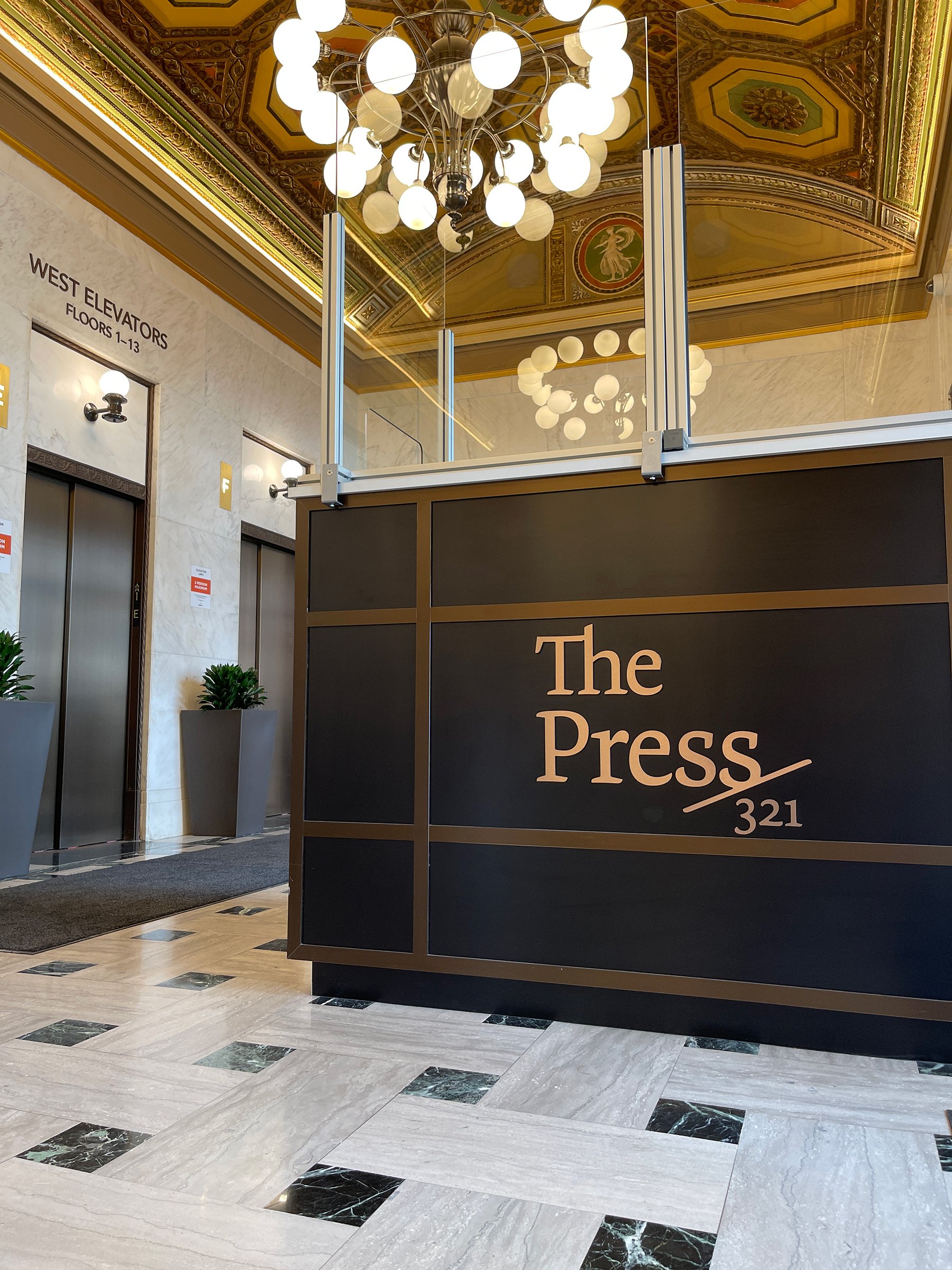
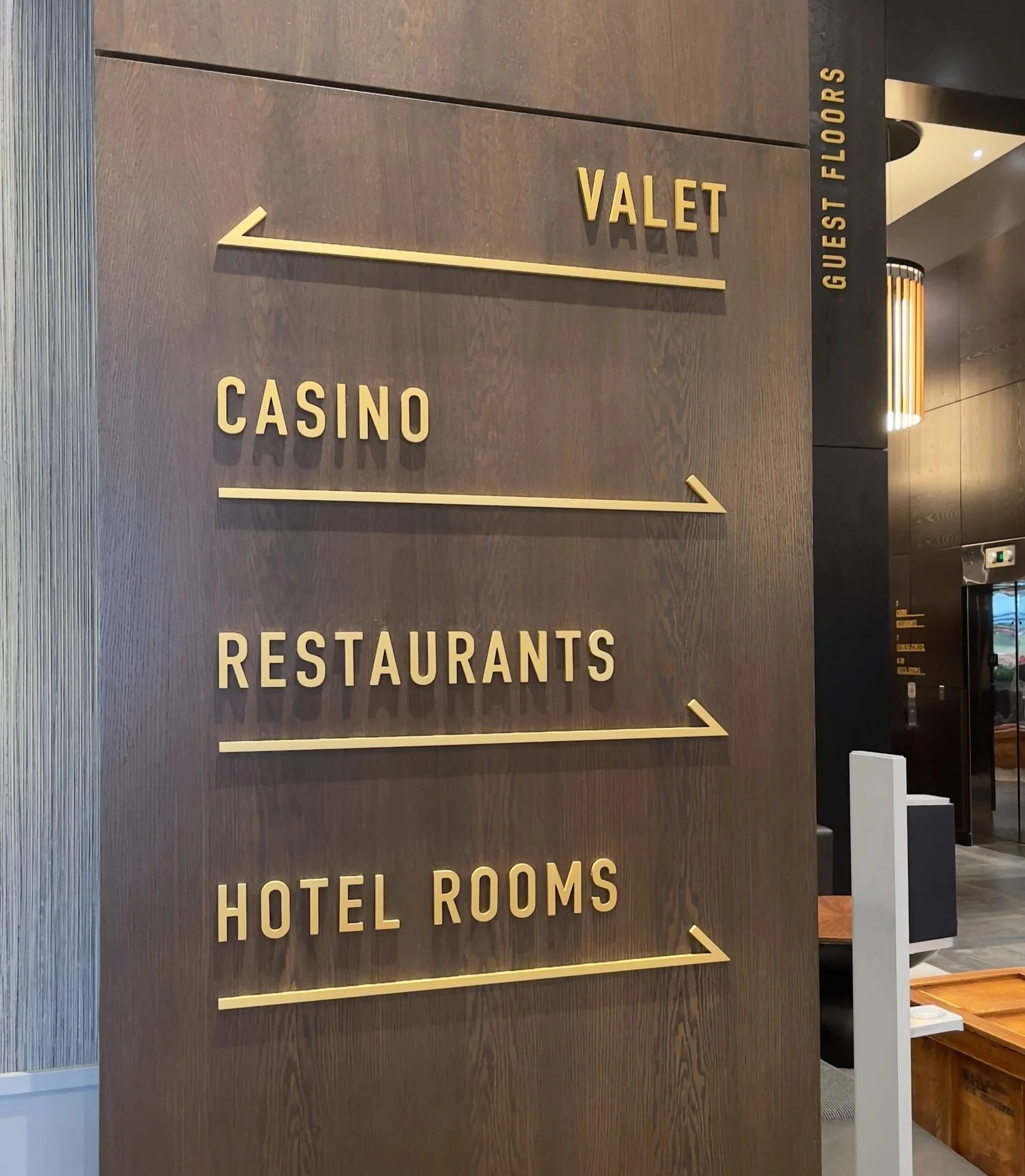
Rather than placing isolated signs, we design unified wayfinding systems based on how guests and travelers actually move and make decisions. We integrate multiple functional layers to guide people clearly through your environment:
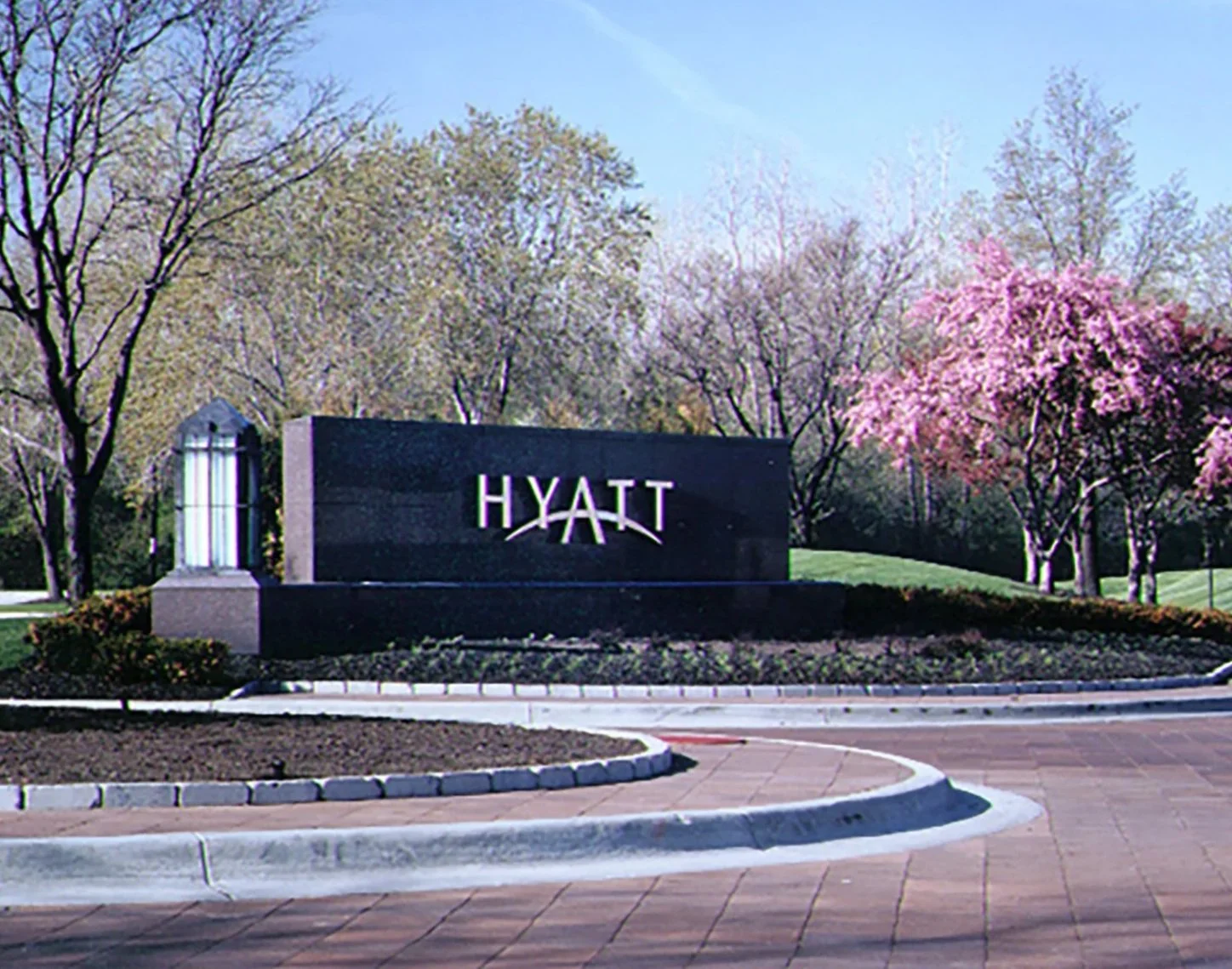
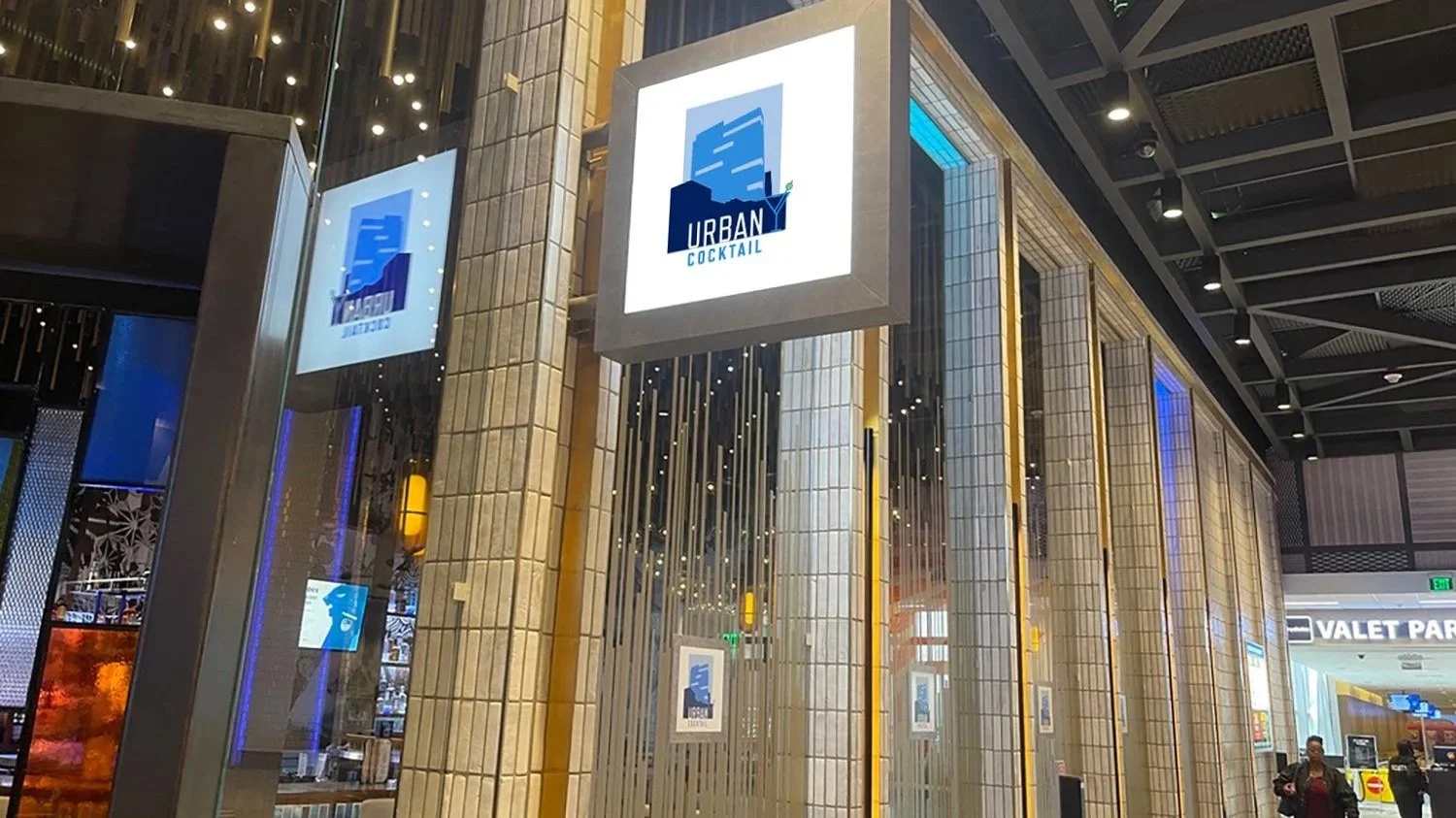
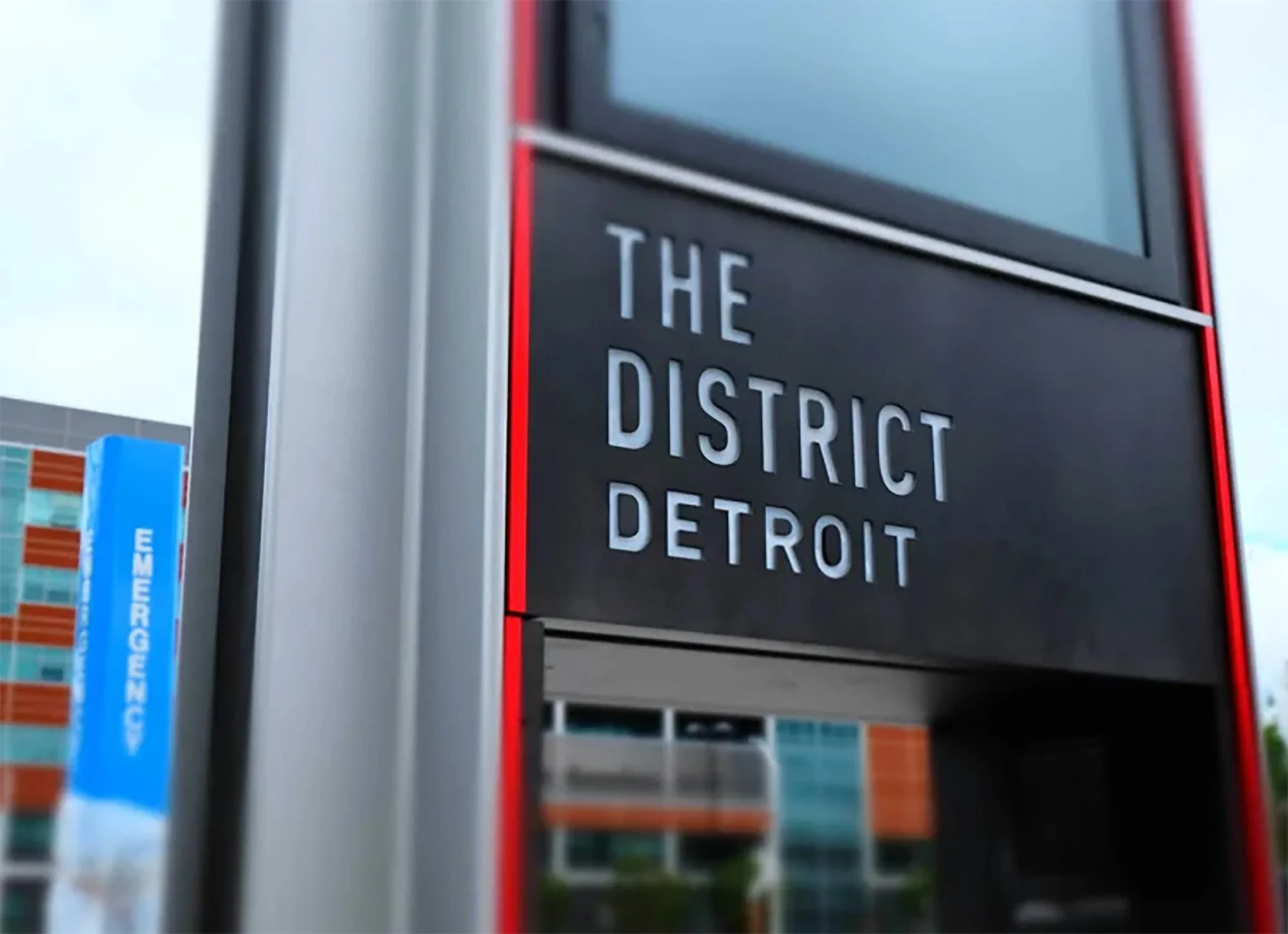
Exterior Wayfinding: We design arrival and entry signage, parking and drop-off navigation, and clear building or terminal identification.
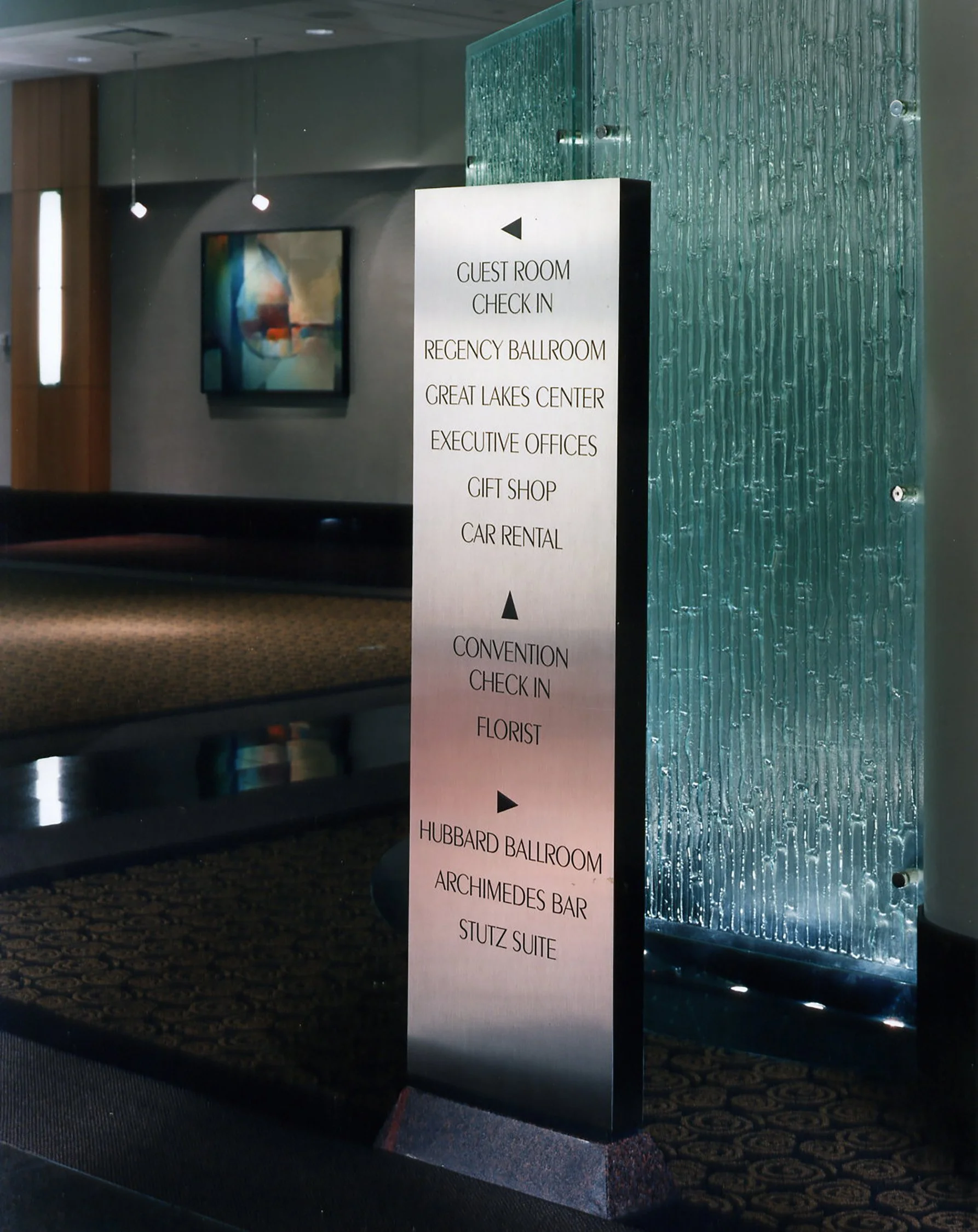
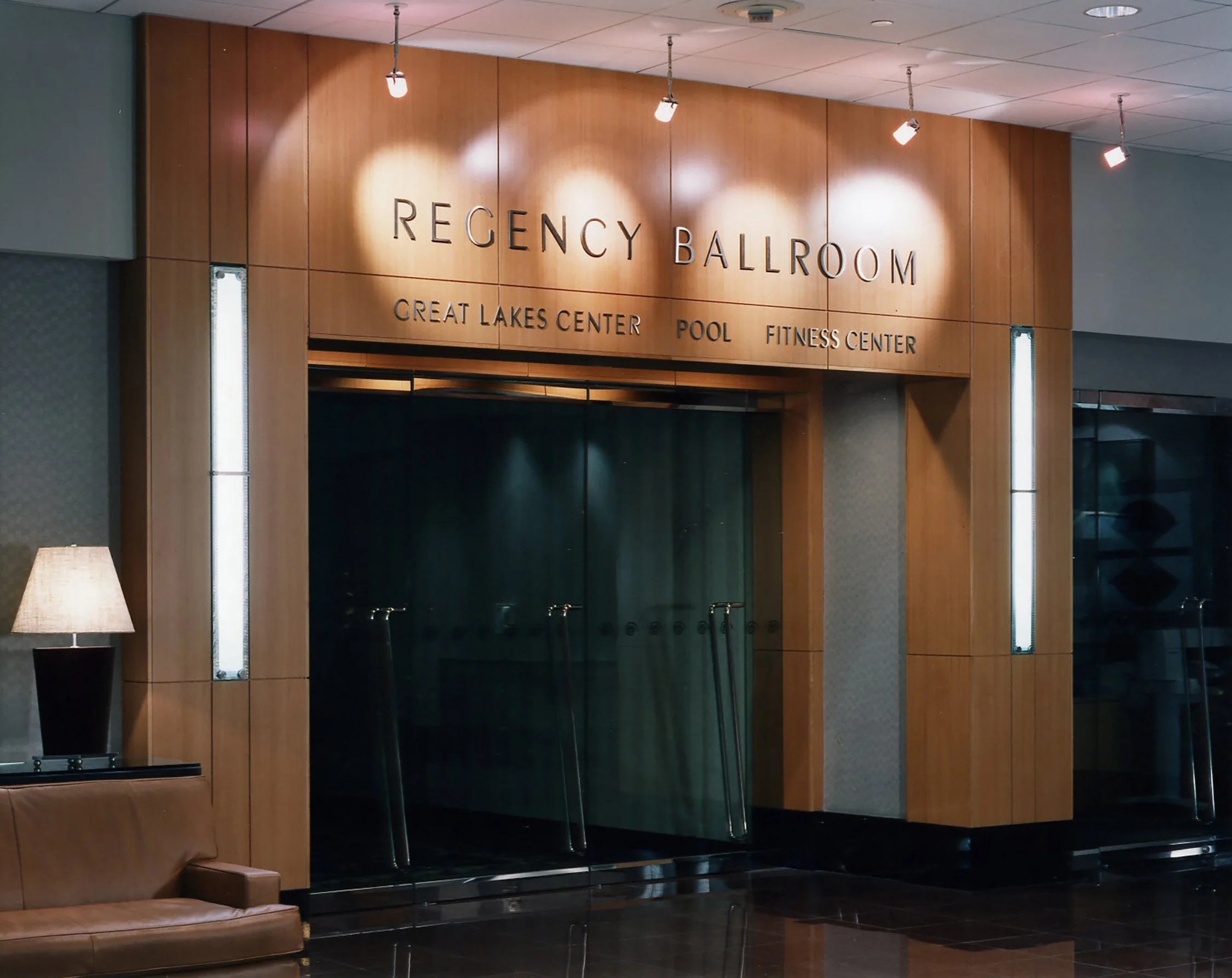
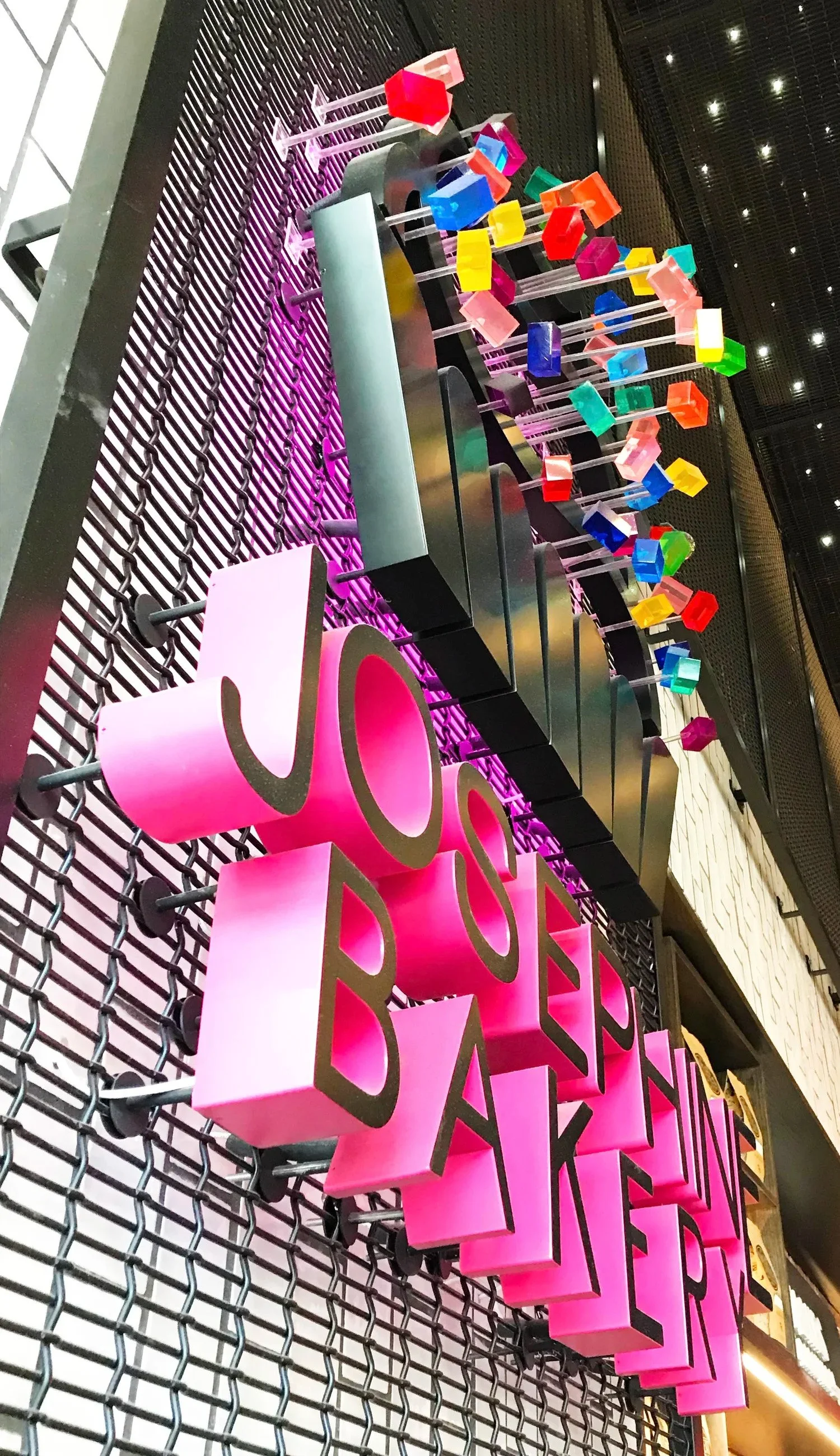
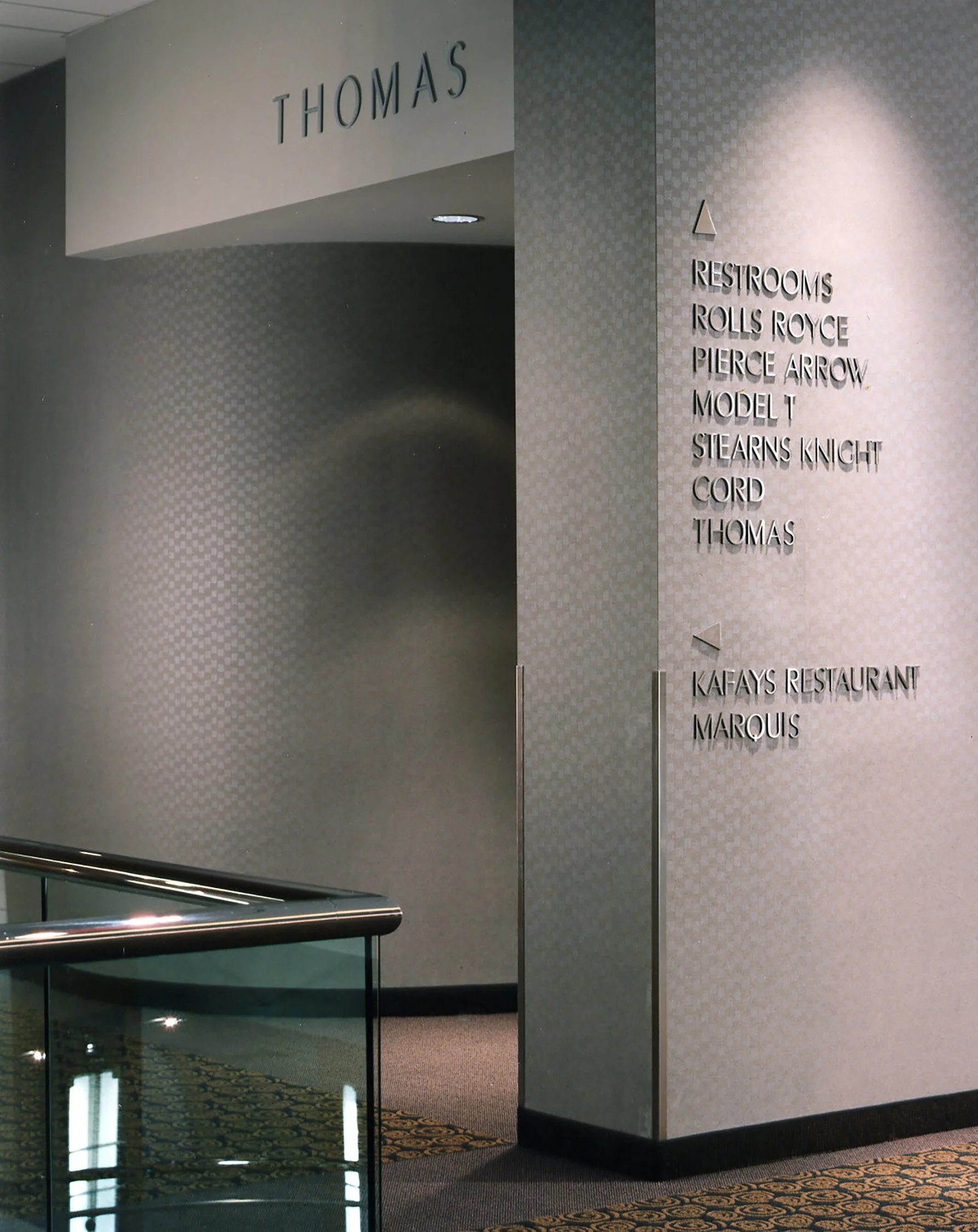
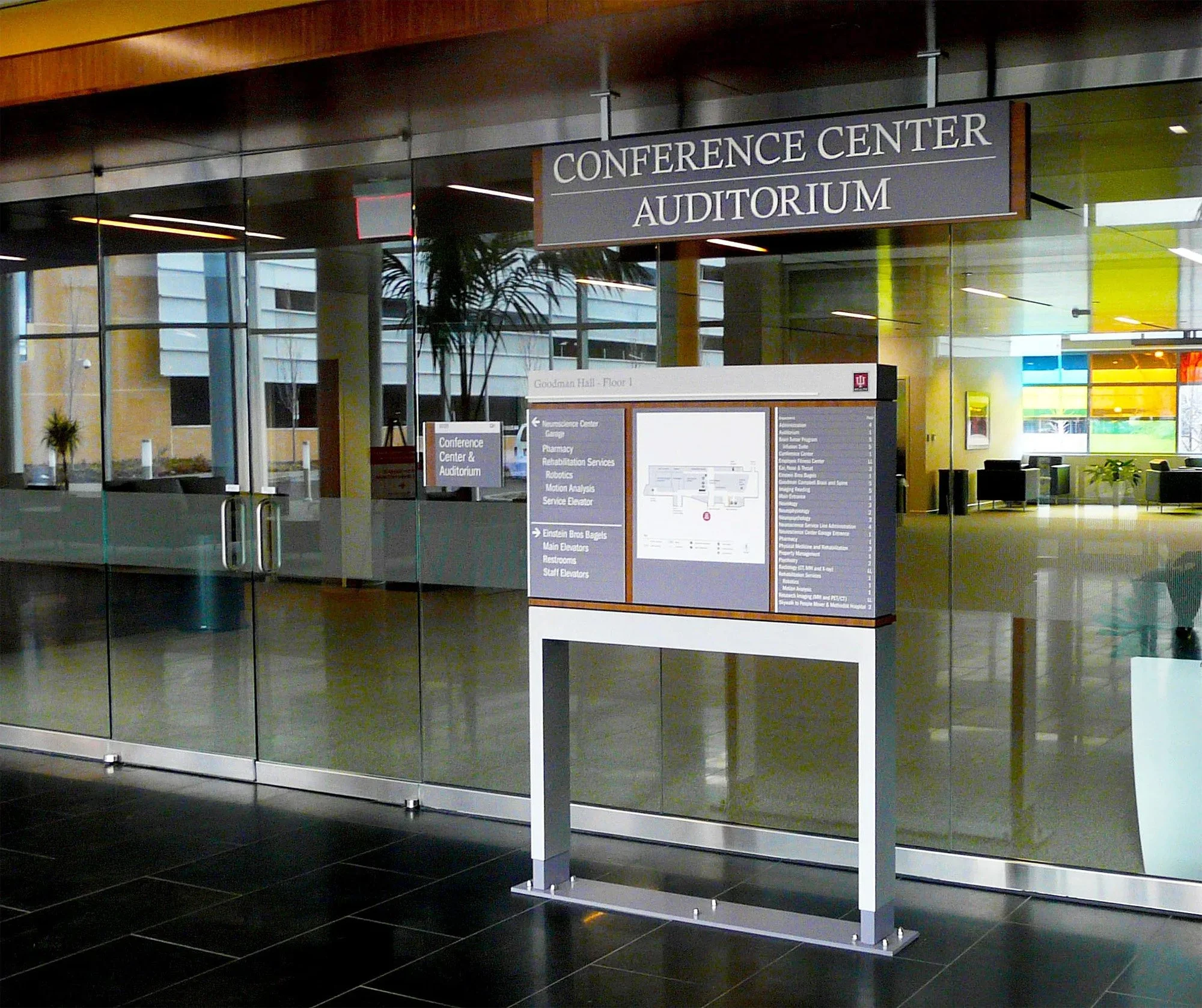
Interior Wayfinding: We develop directional signage for guest services, amenities, event spaces, concourses, and room or gate identification.
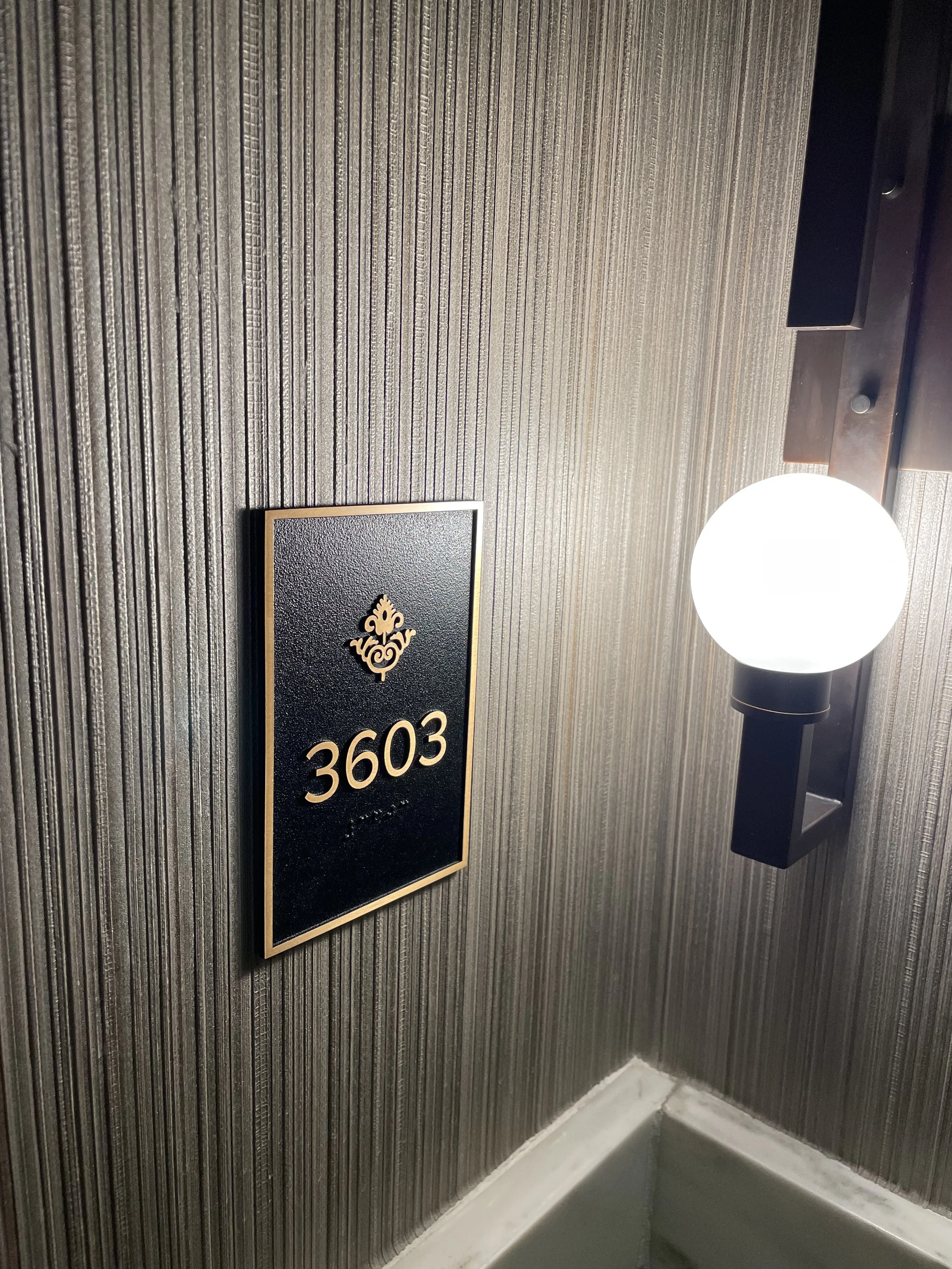
Accessibility & Compliance: We implement code-aligned signage systems, including braille and tactile elements, high-contrast typography, and readable placement standards.
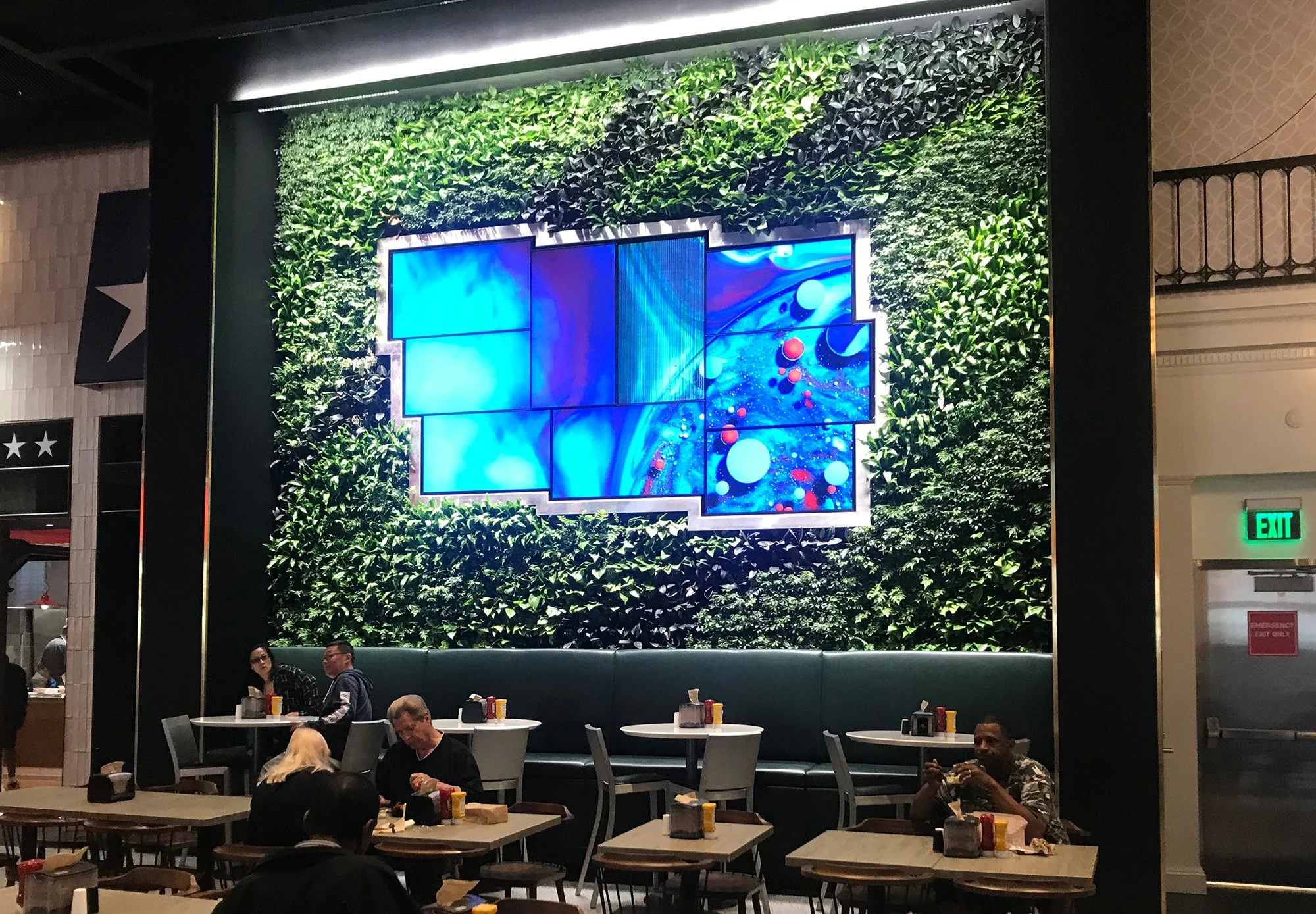
Digital Wayfinding: We integrate interactive directories, dynamic messaging, and real-time navigation tools for facilities requiring adaptable digital guidance.
We plan each component to align flawlessly with your architecture, operational flow, and brand standards, creating a seamless navigation experience from arrival to destination.

FAQs
-
These environments serve short-term users who are entirely unfamiliar with the space. Unlike office workers who learn a building over time, guests rely on immediate clarity for check-in, amenities, and room access. We plan these systems to address arrival sequences, peak check-in times, and multi-use spaces, ensuring brand consistency across all touchpoints while minimizing the need for staff assistance.
-
Common challenges include unclear arrival points, poorly defined transitions between public and private areas, and inconsistent signage across buildings or terminals. Transit hubs introduce the complexity of time-sensitive transfers between gates or platforms, where delays directly affect flight or train schedules.
-
A well-planned system drastically reduces the frequency of directional questions directed at your team. This allows front desk, concierge, and operations staff to focus entirely on guest service rather than acting as human signposts. It also manages congestion during peak periods by improving guest flow through check-in areas, elevators, and shared amenities.
-
Digital wayfinding supports dynamic conditions where static signage falls short. We integrate interactive directories in lobbies, real-time update screens in airports, and adaptable messaging for event spaces. We strategically pair digital tools with physical signage to provide flexible, up-to-date guidance without replacing the core wayfinding structure.
-
We achieve consistency by developing a comprehensive wayfinding strategy that standardizes naming conventions, visual hierarchy, typography, iconography, and placement rules. This structured framework ensures guests encounter familiar, reliable navigation patterns, whether they are walking through a single resort or navigating a massive transportation network.
Let’s Improve Navigation In Your Hospitality Or Travel Environment
Hospitality and travel environments are constantly evolving. As properties expand, services change, and guest expectations shift, wayfinding systems need to adapt alongside them. Our approach focuses on creating clear, structured navigation that supports both guest movement and operational efficiency.
Let’s build a system that works for your specific property, layout, and the people who rely on it every day.