

Wayfinding & Experiential Design For Recreation & Outdoor Facilities
Recreation and outdoor environments present unique navigation challenges. Visitors move through expansive open spaces where clear direction, orientation, and accessibility are essential.
We partner with parks, campuses, trails, and recreational facilities to design wayfinding systems and experiential environments that bring structure to these settings. Our approach supports intuitive navigation, improves visitor flow, and empowers people to engage confidently with the landscape while supporting your day-to-day operations.
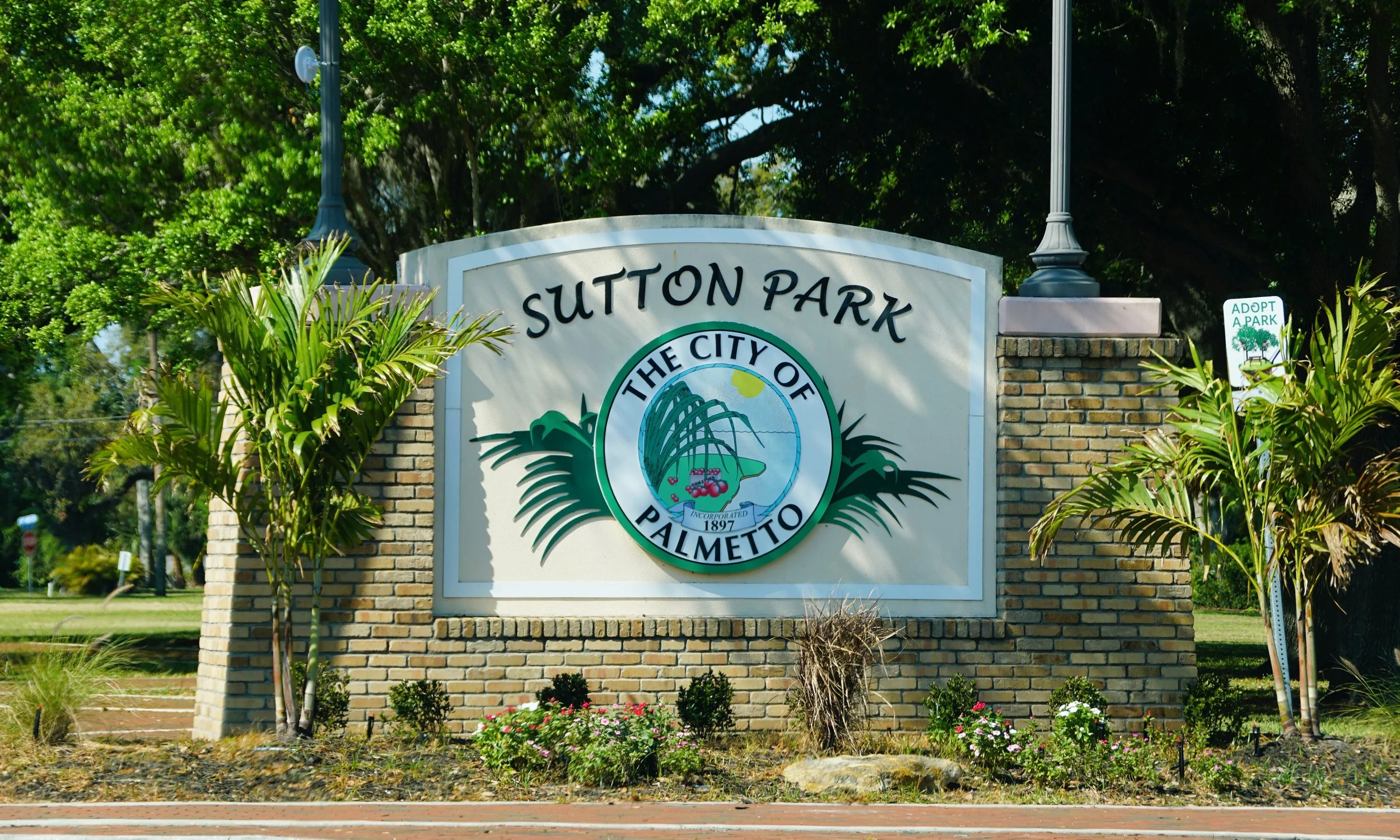
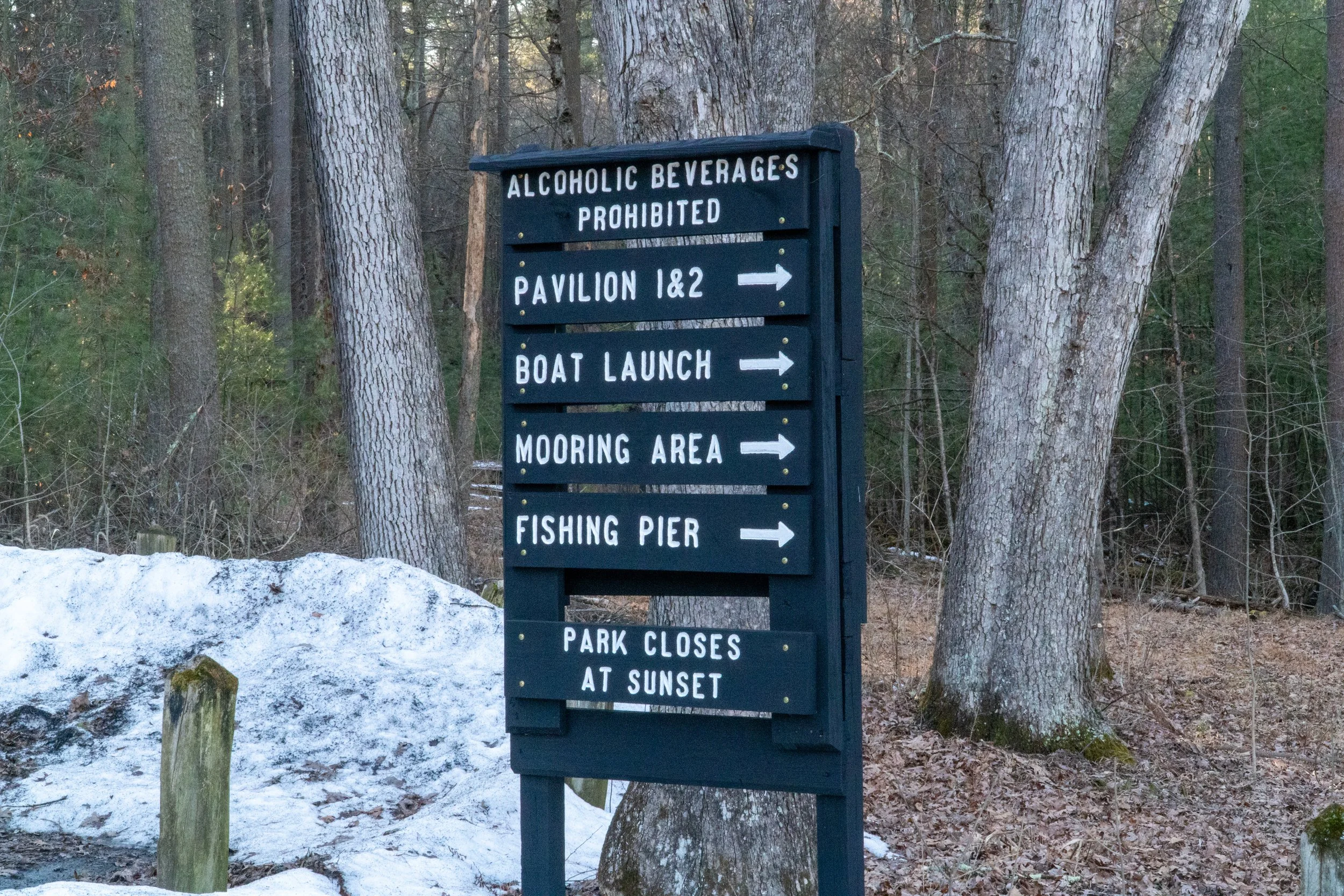
Overcoming Navigation Challenges In Open Landscapes
Open landscapes, dispersed destinations, and varied terrain make it incredibly difficult for visitors to orient themselves. When parks and trails lack a clear wayfinding strategy, visitor journeys break down:
Visitors waste time searching for trailheads, amenities, or key destinations.
Disconnected entry points and parking areas leave guests frustrated upon arrival.
Visitors constantly interrupt staff or rely on informal guidance to navigate unfamiliar terrain.
Inconsistent or missing signage reduces overall accessibility and creates safety risks.
We design clear, structured systems that solve these exact challenges. By planning wayfinding that supports natural orientation, we elevate the visitor experience and minimize reliance on your staff.
Why Wayfinding Matters In Recreation & Outdoor Environments
Recreation wayfinding goes beyond simple signage; it helps people navigate open and unfamiliar environments where clear orientation is essential. We plan wayfinding systems that improve both visitor experience and site management by:
Reducing confusion when locating trails, amenities, entrances, and facilities.
Supporting clear movement across large parks, campuses, and outdoor destinations.
Improving accessibility by making routes and destinations easier to understand.
Minimizing reliance on staff or informal directions in open environments.
Creating a consistent navigation experience across connected outdoor spaces.
In recreation and outdoor settings, navigational clarity directly impacts how easily people explore, access, and engage with the environment.
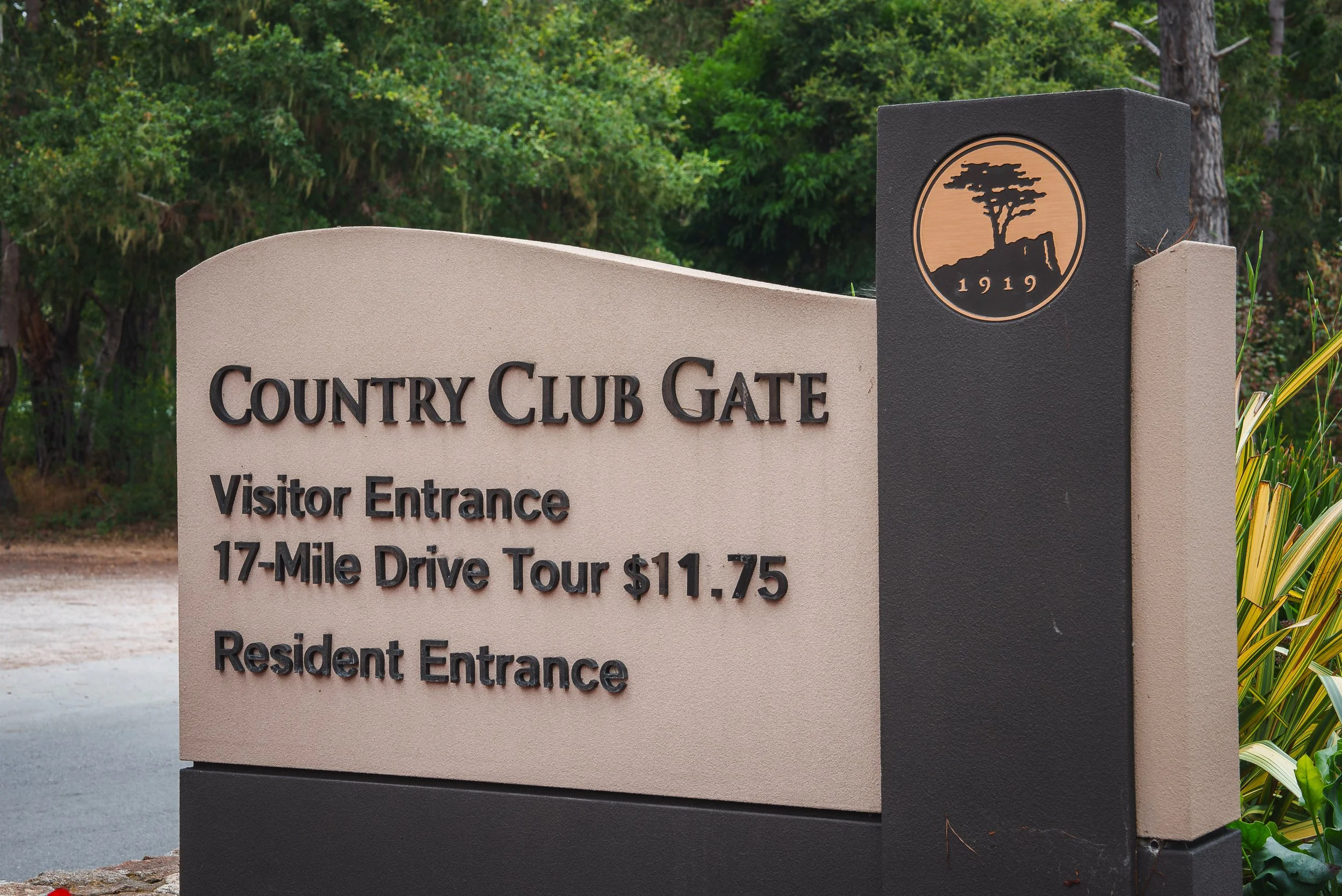
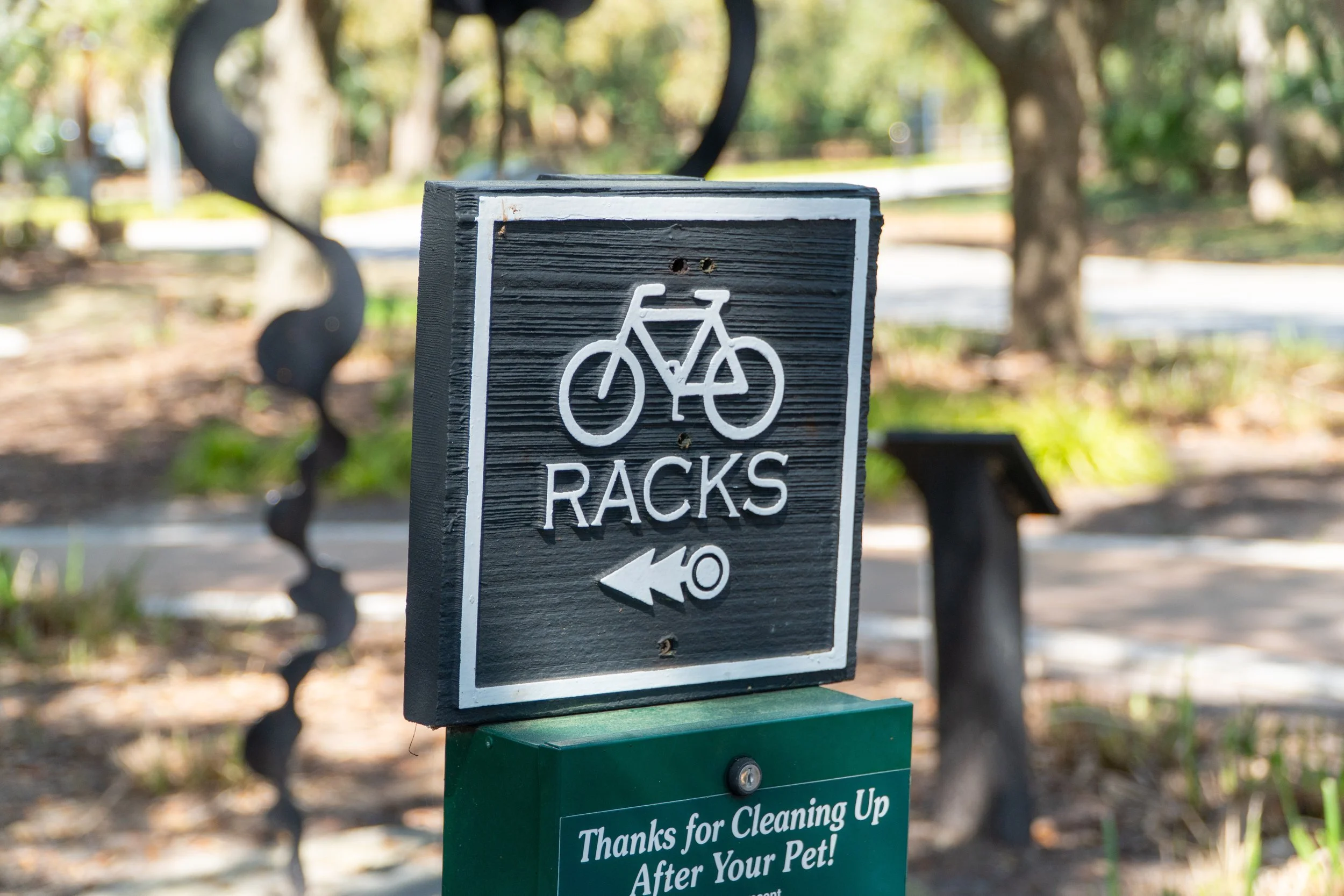

Our Work In Recreation & Outdoor Facilities
We partner with parks, municipalities, campuses, and recreation organizations to design wayfinding and experiential systems for open, large-scale environments.
Whether you manage a local park, a multi-site recreation system, or an expansive outdoor destination, our team develops navigation strategies that support clear orientation, improve visitor movement, and align with the operational needs of your space.
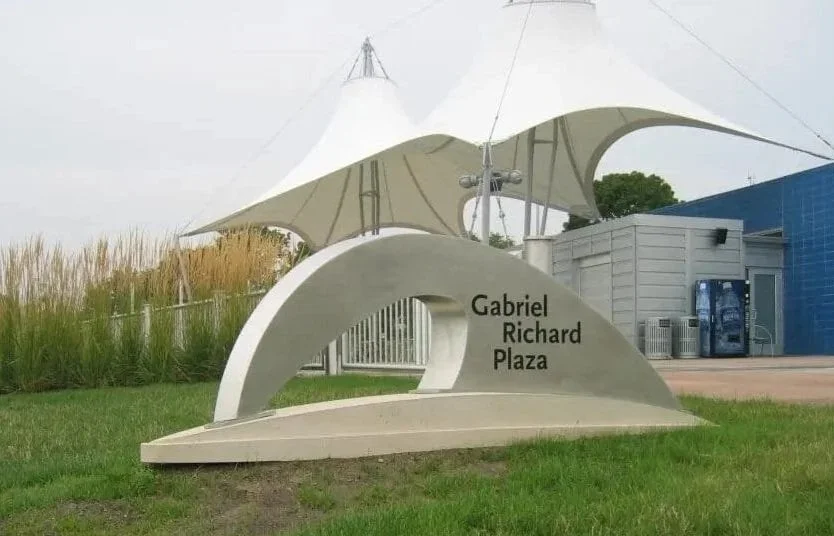
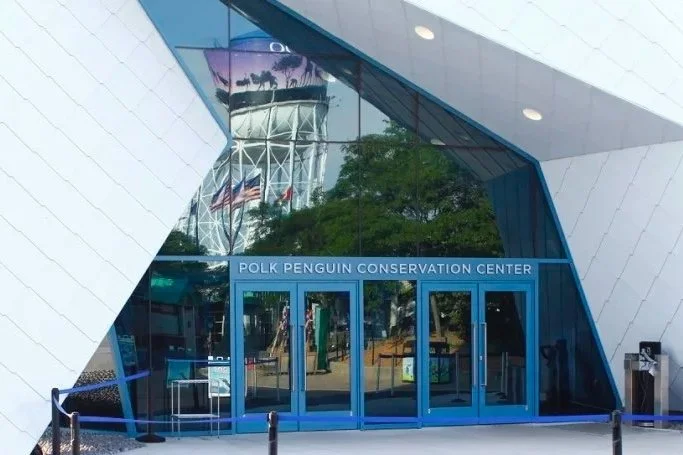
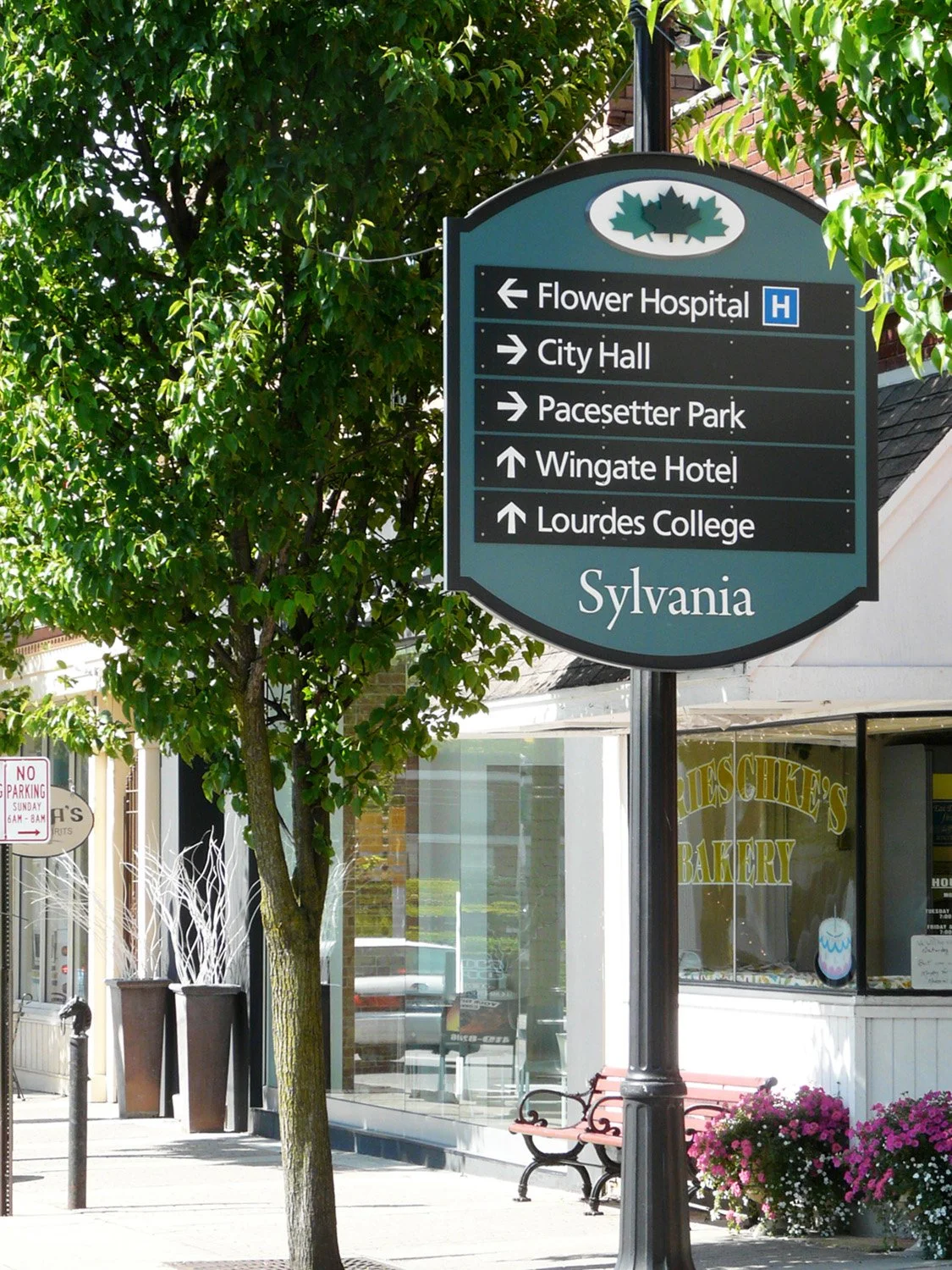

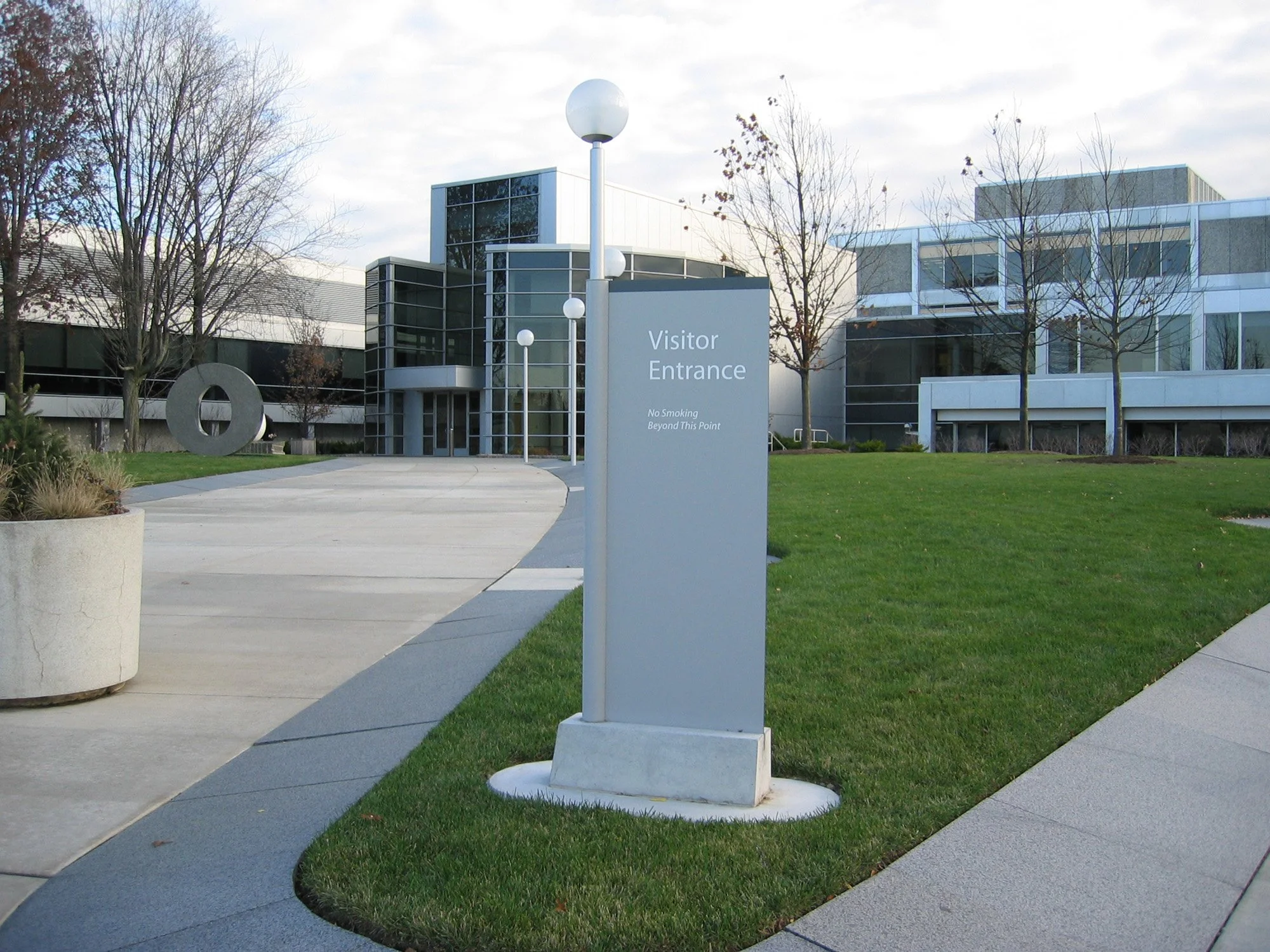
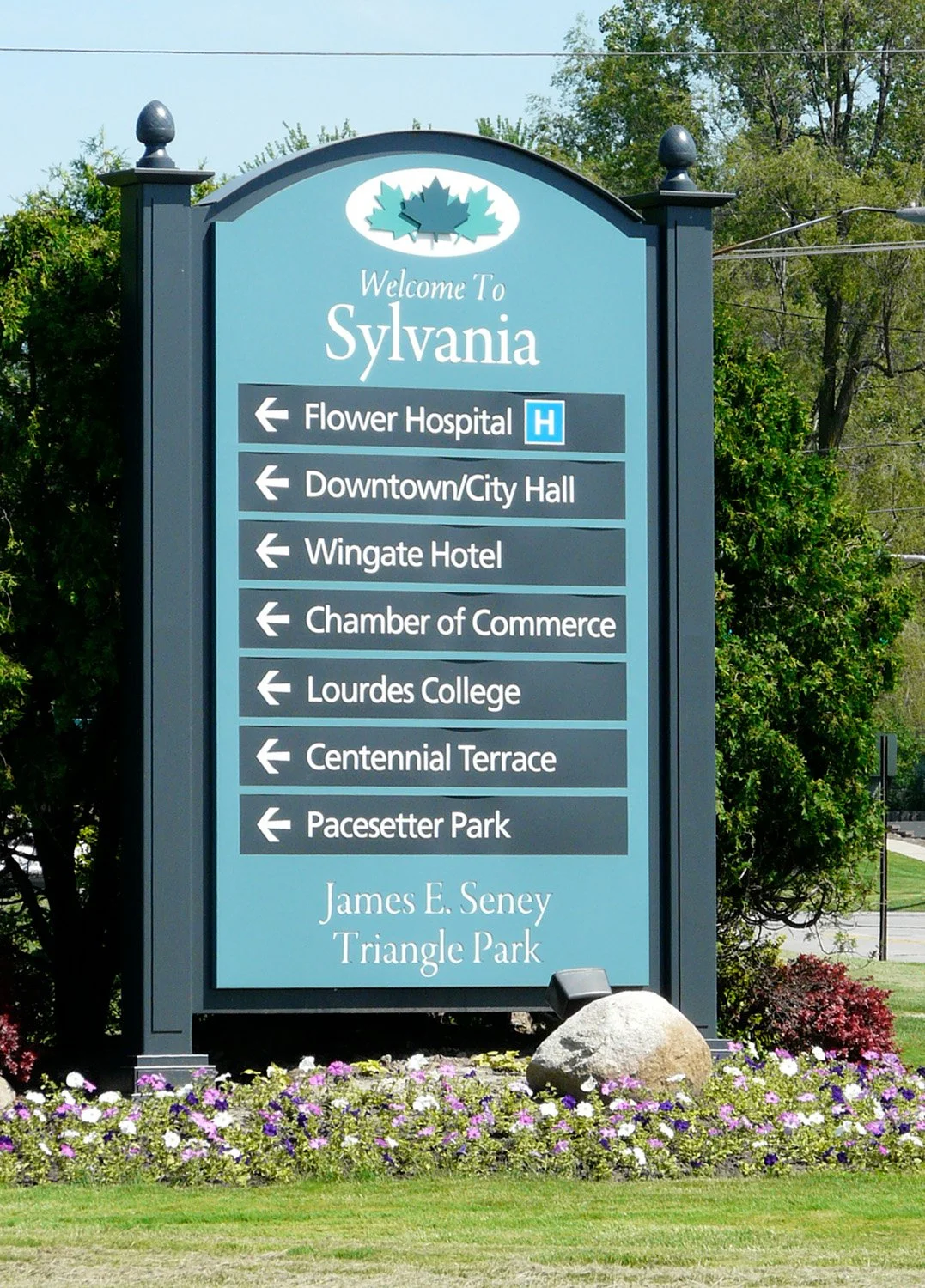




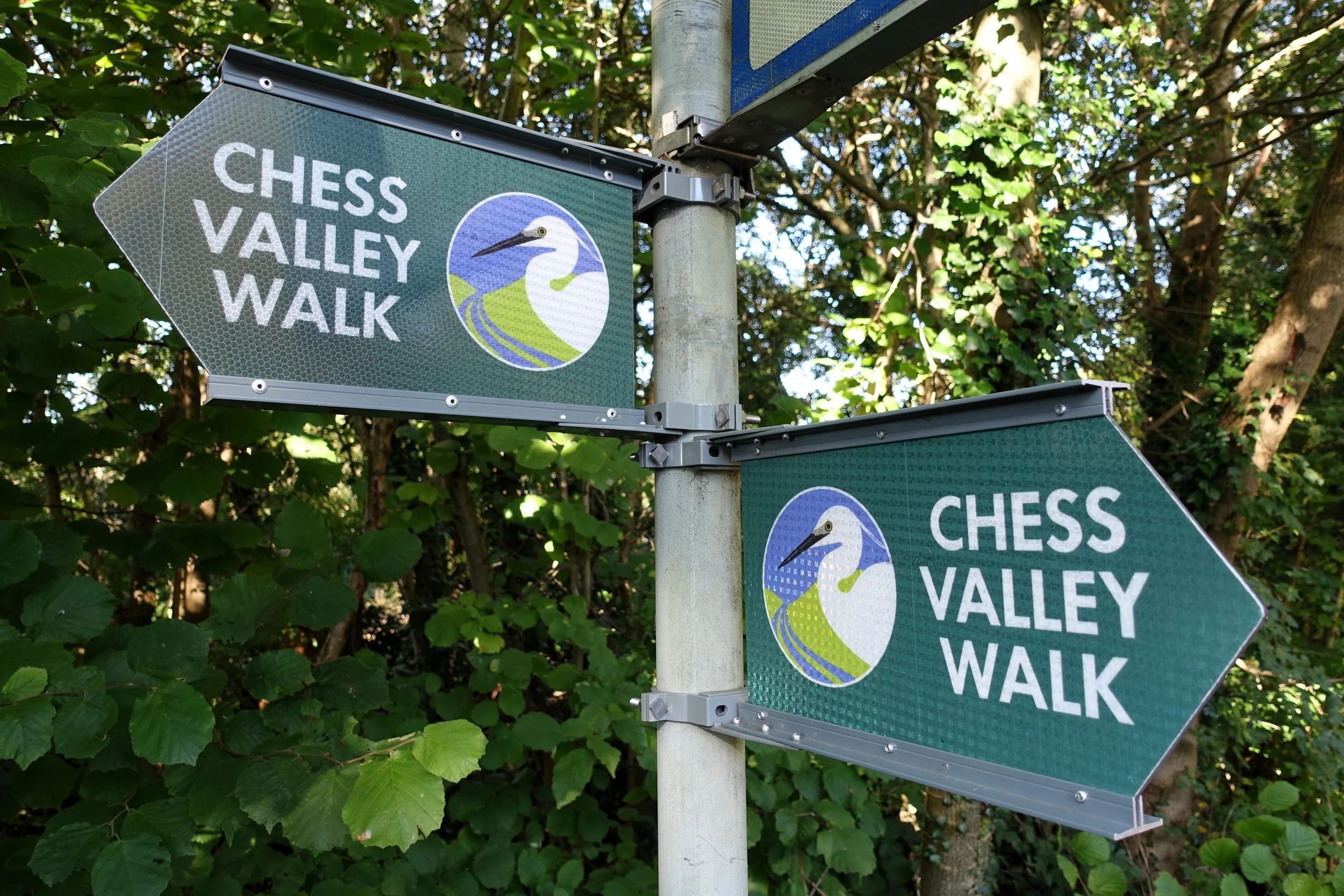
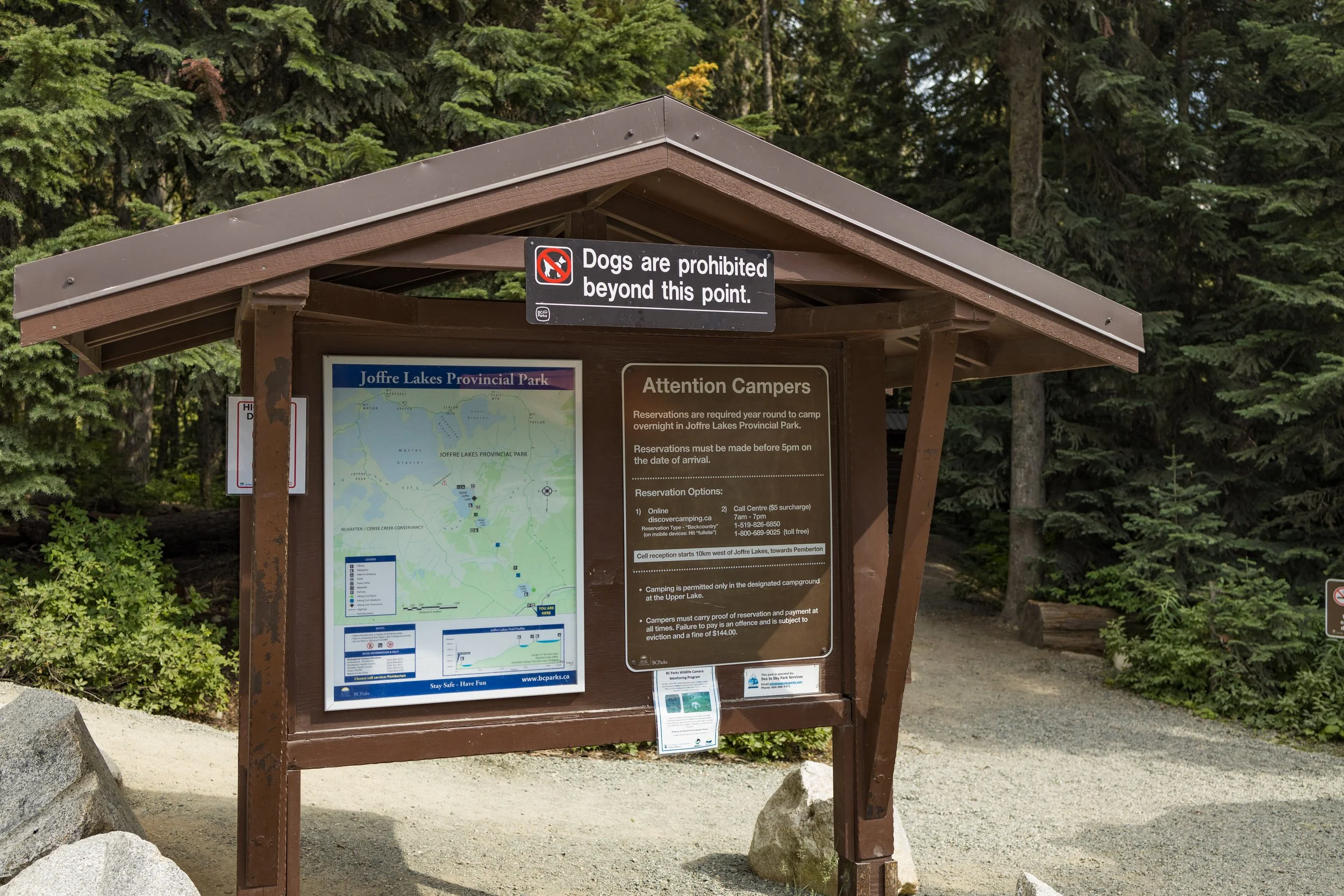
Comprehensive Signage & Experiential Components
Rather than placing isolated signs, we design unified wayfinding systems based on how people actually explore and move through outdoor spaces. We integrate multiple functional layers to guide visitors clearly:
Exterior Wayfinding: We design entry signage, trailhead signage, parking-area navigation, and clear identification of key destinations.
Pathway & Directional Guidance: We develop directional signage for trails, intersections, and connections between amenities.
Accessibility & Information: We implement clear, readable signage featuring maps, distance markers, and critical accessibility data to support all users.
Interpretive Elements: We integrate environmental graphics, educational displays, and place-based storytelling to deepen people's engagement with the environment.
We purposefully plan each component to integrate with the natural landscape, visitor flow, and your operational requirements, creating an intuitive navigation experience across the entire property.

FAQs
-
Wayfinding in open environments begins with analyzing how people naturally move through space. We map entry points, desire paths, key destinations, and decision points. Then we introduce clear orientation tools, such as trailhead signage, distance markers, and visual cues, to guide movement without cluttering the natural landscape.
-
Common challenges include unclear trail connections, poorly marked entry points, missing difficulty or distance metrics, and fragmented signage across different zones. These issues cause visitors to get lost, miss key amenities, or underutilize the space.
-
Outdoor wayfinding demands a careful balance between clarity and landscape integration. We utilize strategic placement, highly durable materials, and appropriate scale to ensure signage remains highly visible without disrupting the natural environment. We design the system to feel entirely intentional, never intrusive.
-
Wayfinding directly supports accessibility by clearly identifying ADA-compliant routes, trail conditions, distances, and facility locations. It empowers users by setting clear expectations before they begin a route, making the environment welcoming and usable for people with varying mobility levels and experience.
-
Facilities typically need updates when they add or reroute trails, expand amenities, or experience a surge in visitor numbers. Frequent complaints about confusion, outdated maps, or increased reliance on park staff for basic directions are clear indicators that the current system no longer serves the space well.
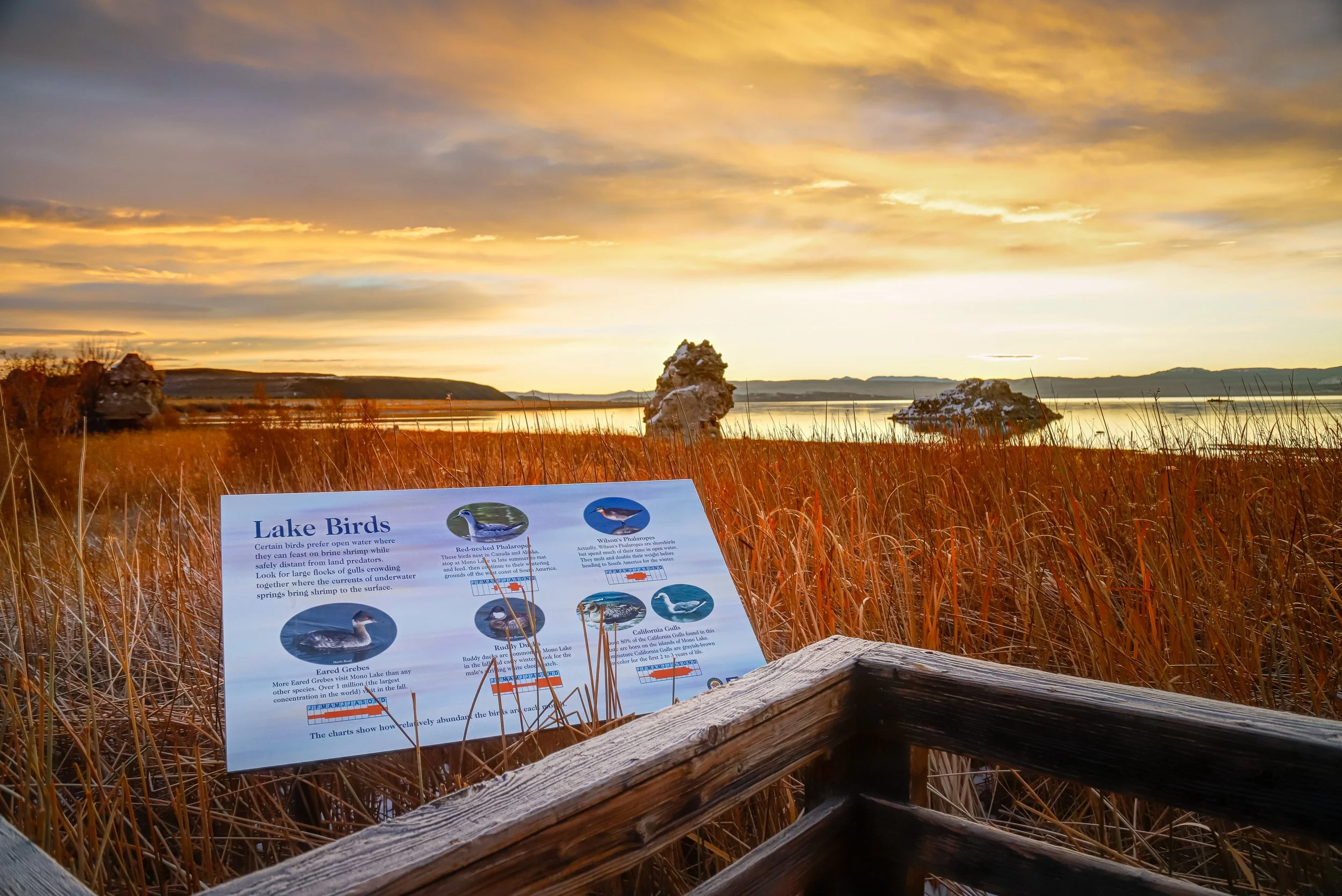
Adaptable Navigation For Growing Outdoor Spaces
Outdoor environments constantly evolve as trails change, facilities expand, and visitor needs grow. Wayfinding systems must adapt to support safe movement and consistent access.
Our approach focuses on building structured navigation tailored to your specific landscape, visitor patterns, and operational demands. Let’s build a system that works for your environment and the people who explore it.