
Wayfinding Systems for Higher Education & University Campuses
University campuses present complex, layered environments where students, faculty, alumni, and visitors navigate a dense mix of academic buildings, residence halls, and public spaces daily.
Nicolson Associates develops strategic wayfinding systems for higher education. We engineer coordinated signage programs that establish immediate orientation, define campus identity, and streamline movement across complex institutional footprints.
Solving Campus Navigation Challenges
Institutions evolve constantly. As universities add new buildings, relocate departments, and shift parking zones, the pedestrian and vehicular experience often fractures.
Without a cohesive directional logic, first-time visitors struggle to find admissions or event venues, students resort to informal shortcuts, and faculty waste time answering directional questions. Our higher education programs unify disparate buildings, pathways, vehicular routes, and landmarks into one logical, accessible campus experience.
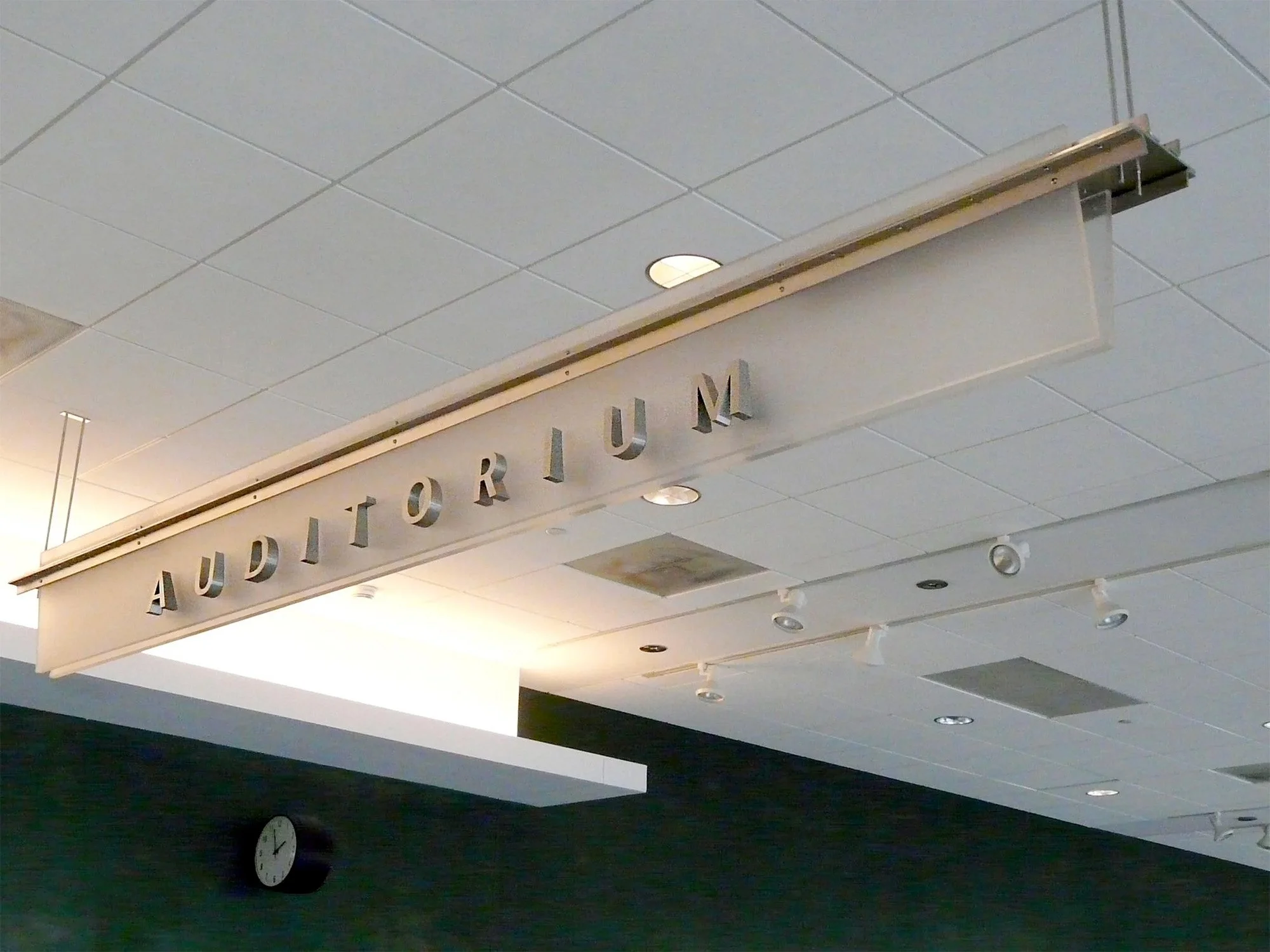
Why Strategic Wayfinding Matters in Higher Education
Campus navigation defines the institutional experience. Whether a guest arrives for a prospective student tour, a conference, or game day, a clear directional strategy ensures they feel oriented and confident.
Effective university wayfinding systems:
Clarify large, multi-district campuses for first-time visitors and new students.
Guide vehicular traffic seamlessly from arrival points to designated parking.
Unify diverse zones, including admissions, athletics, and student housing.
Exceed accessibility standards to define clear, compliant routes for all users.
Establish a consistent visual and architectural identity across the entire institution.
A well-planned system removes visual clutter, making the campus approachable and highly organized.

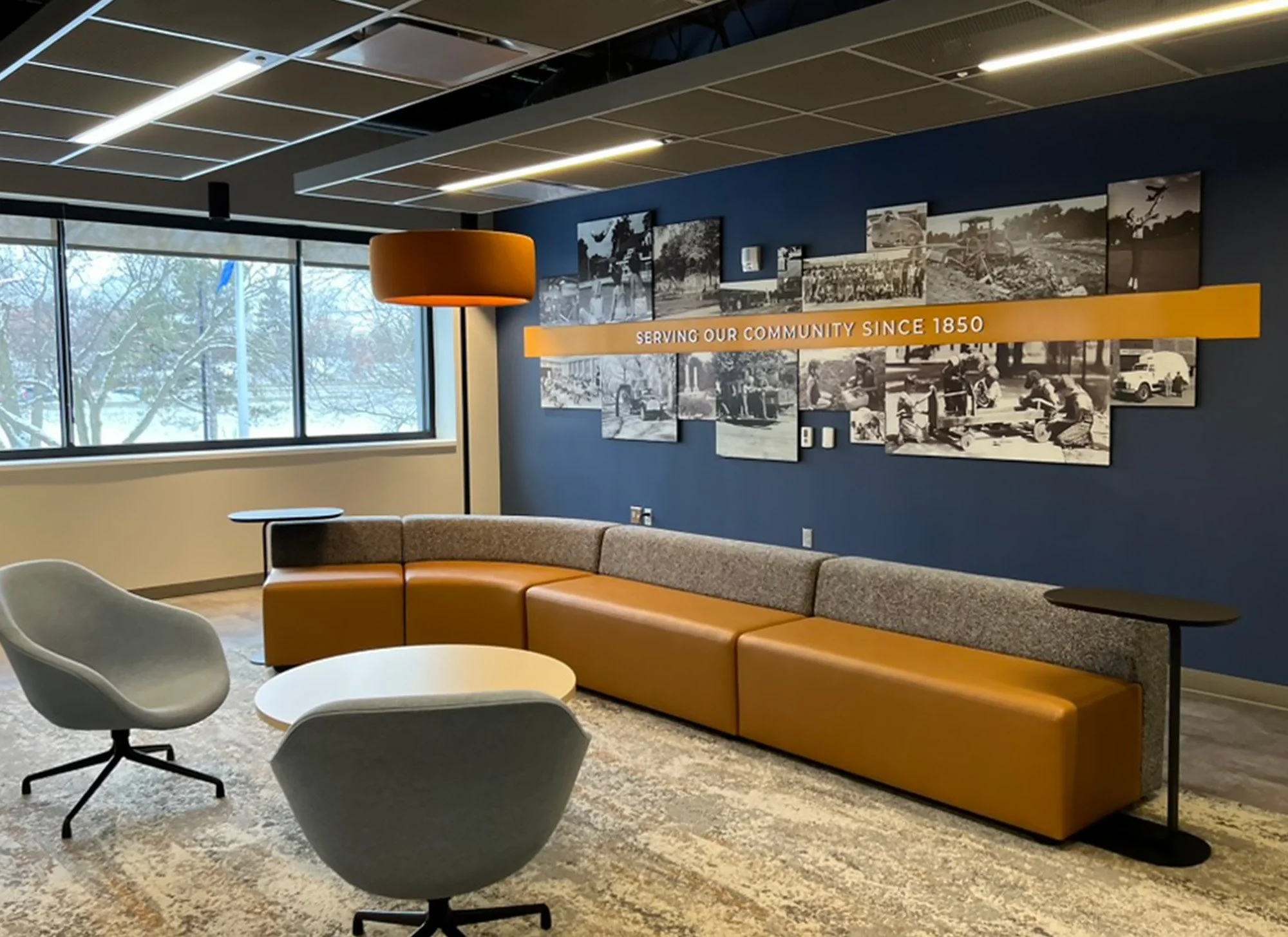
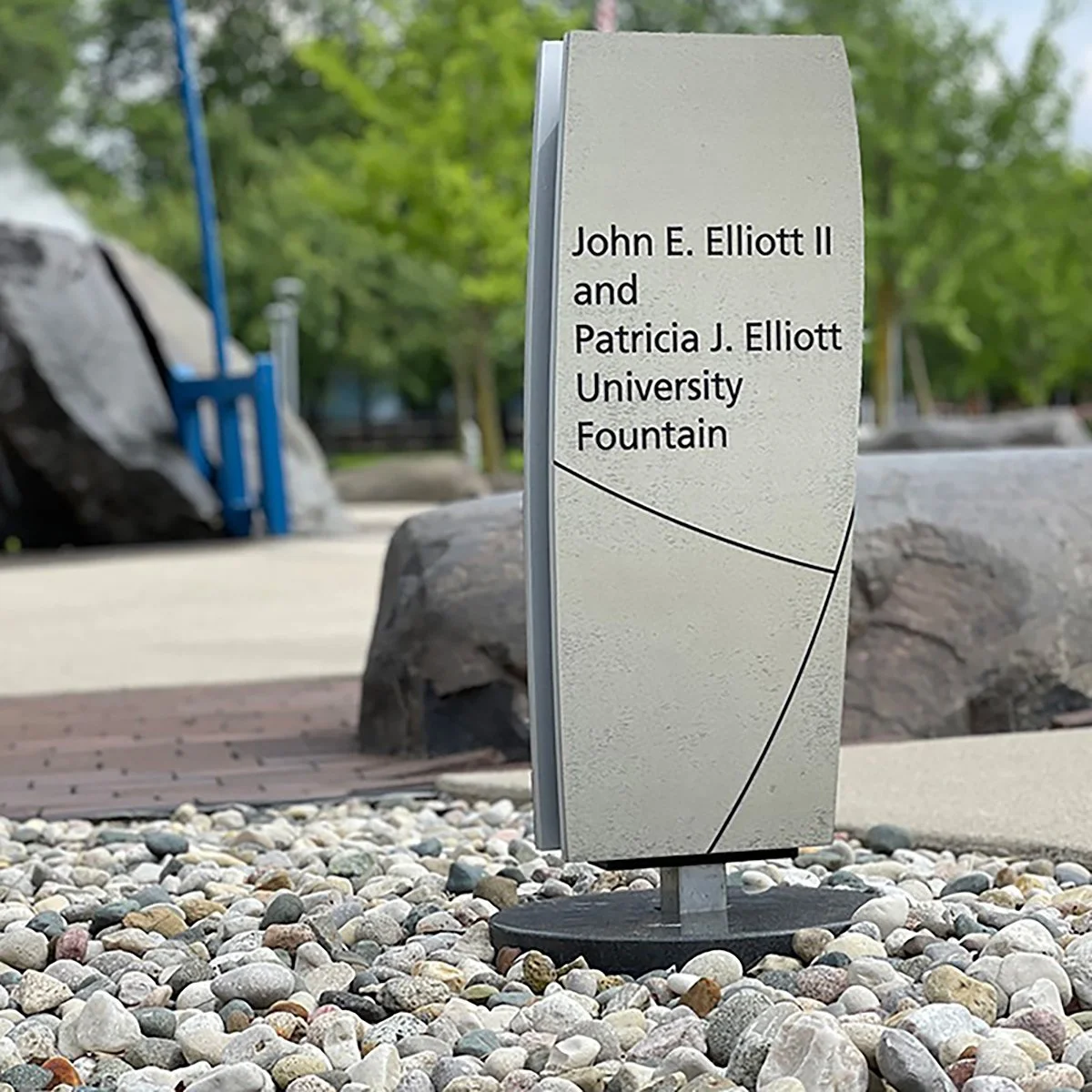
Tailored for Academic Environments
We design wayfinding strategies for diverse institutional scales, from compact urban campuses to sprawling multi-college universities.
Our expertise supports:
Colleges and major universities
Community college campuses
Academic and research facilities
Residence halls and student centers
Athletic complexes and performing arts venues
Admissions and visitor centers
Parking structures and pedestrian pathways
We build each system by analyzing how distinct audiences interact with the space—identifying primary arrival points, critical decision intersections, and ultimate destinations.
Core Campus Signage Components
A high-performing campus system integrates multiple sign types across exterior, interior, and vehicular environments.
-

Campus Entry Signage
Gateway monuments, arrival markers, and primary access identification.
-

Vehicular & Parking Signage:
Roadway directionals, parking structure logic, visitor guidance, and event traffic management.
-

Pedestrian Wayfinding
Map kiosks, pathway directionals, district markers, and route confirmation.
-
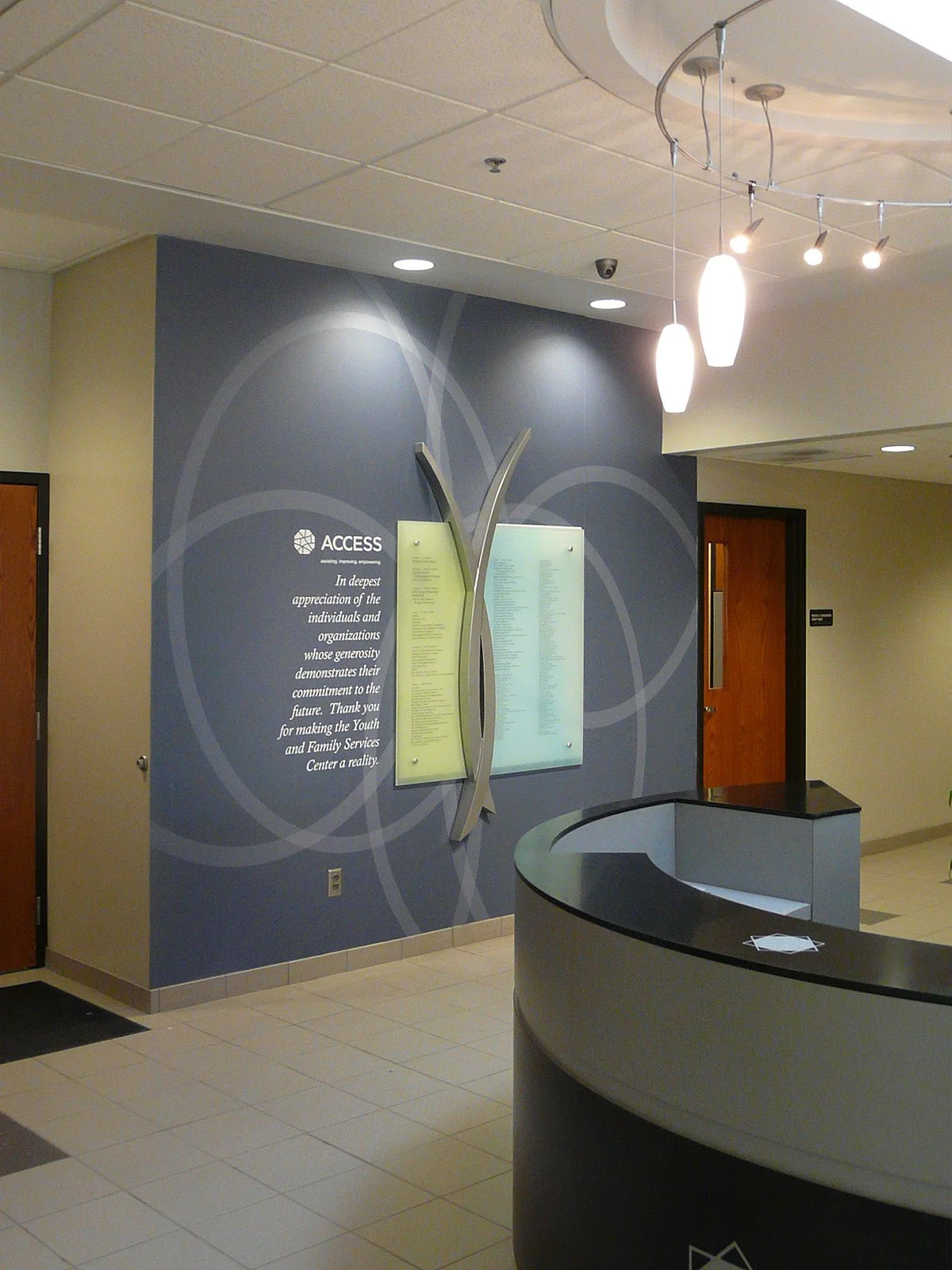
Building Identification
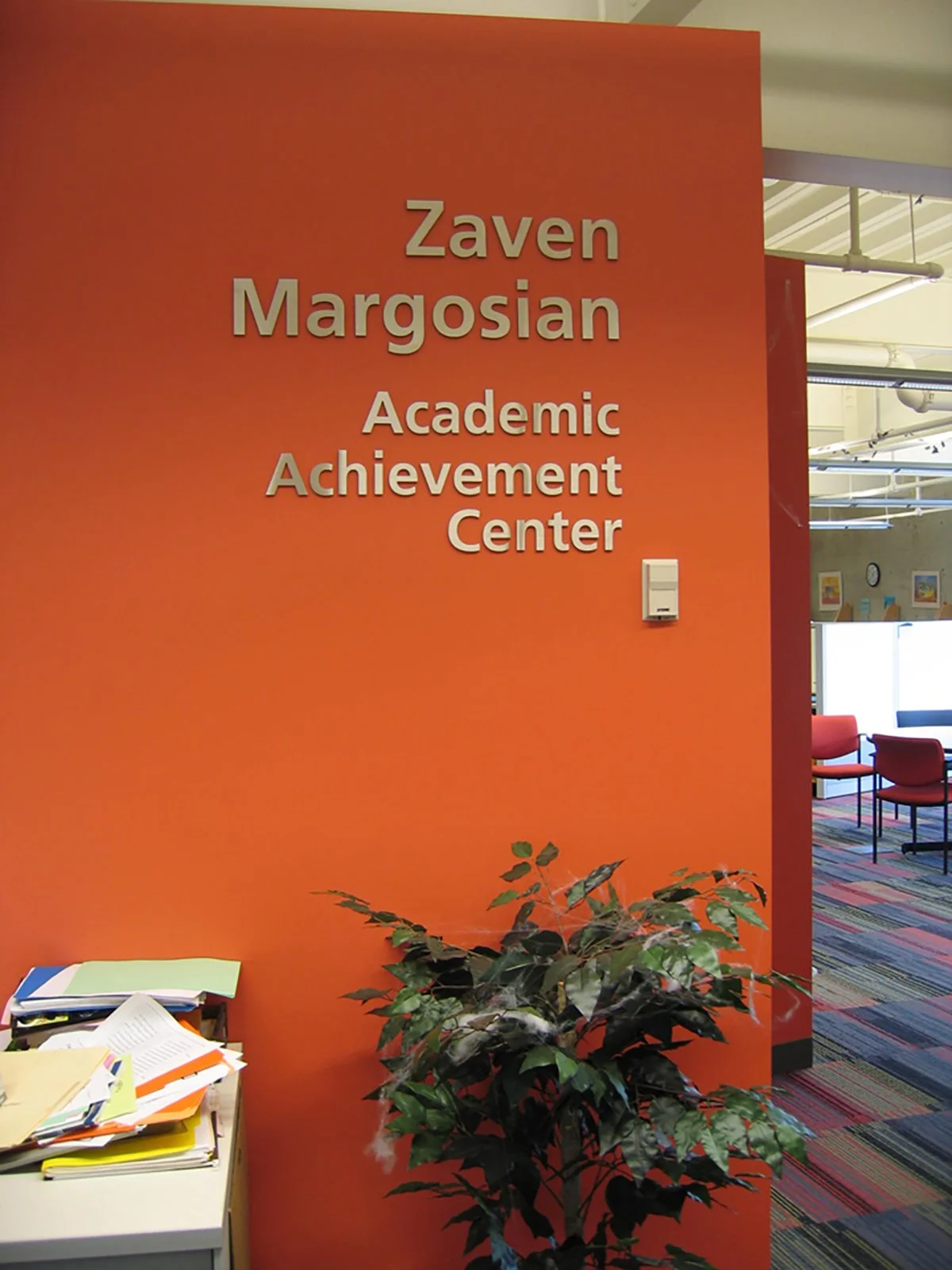
Academic building names, residence hall markers, and department entries.
-
Interior Directionals
Lobby directories, floor identification logic, department signs, and elevator signage.
-
Regulatory & Accessibility
ADA-compliant tactile signage, life-safety messaging, and code-required markers.
-
Digital Integration
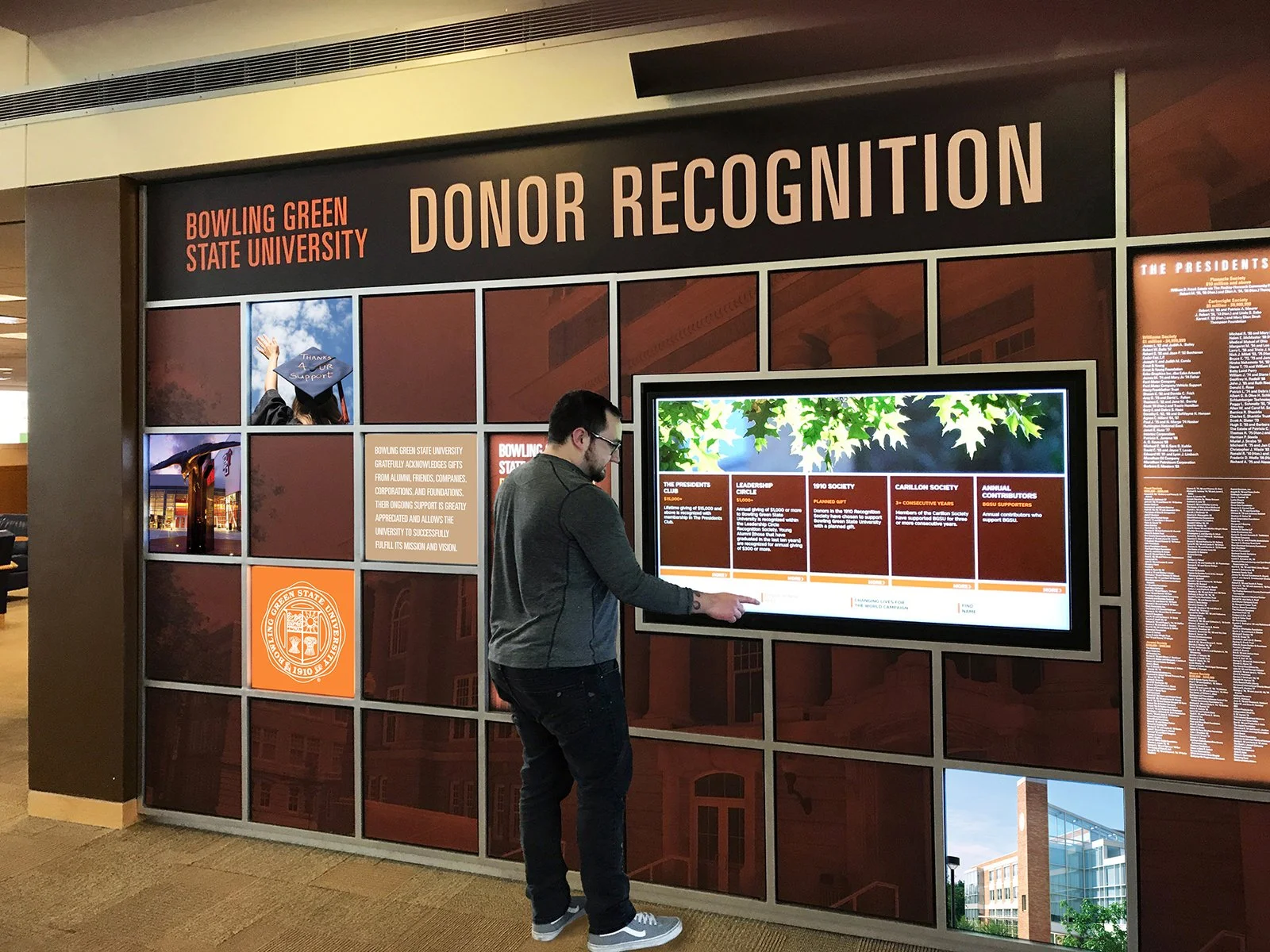
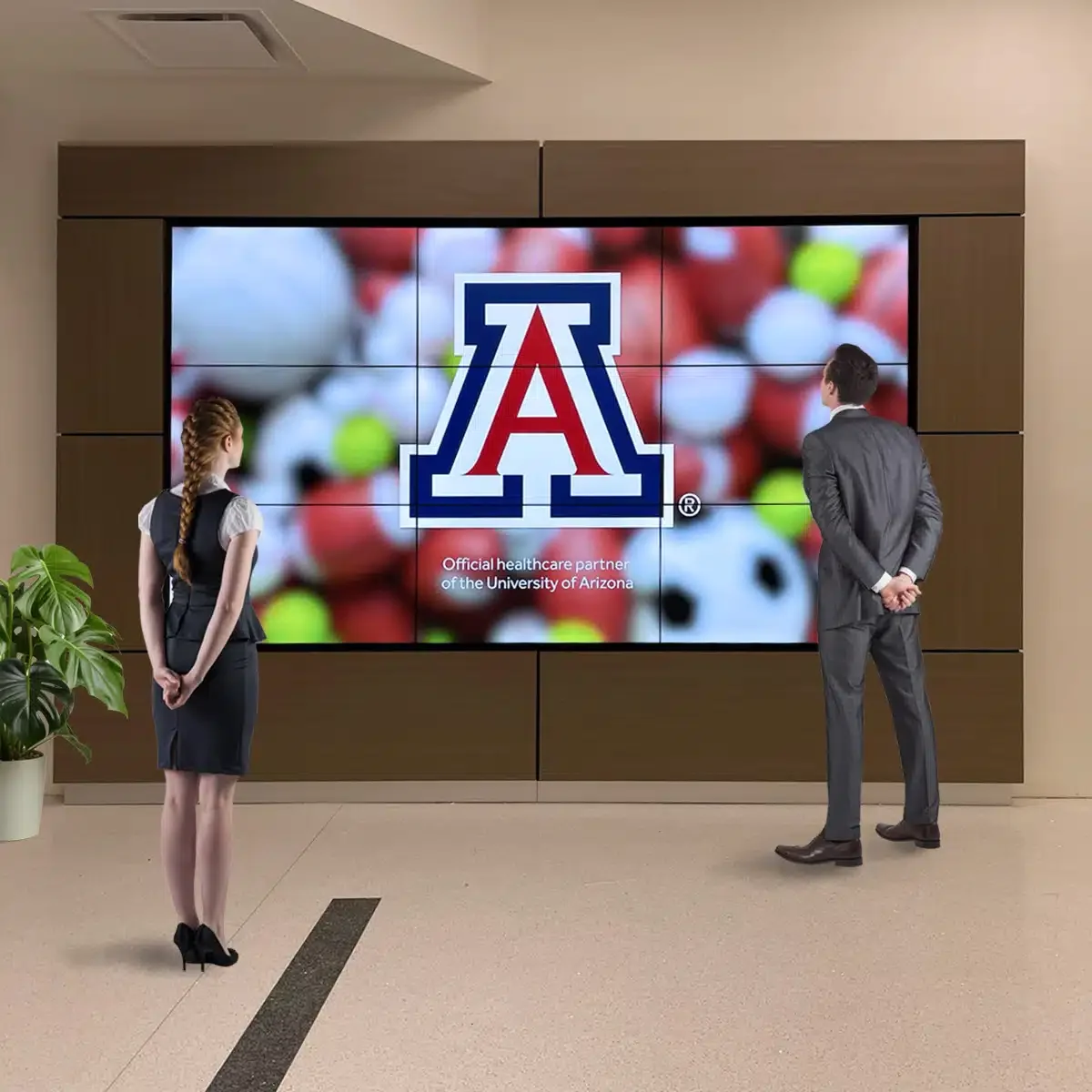
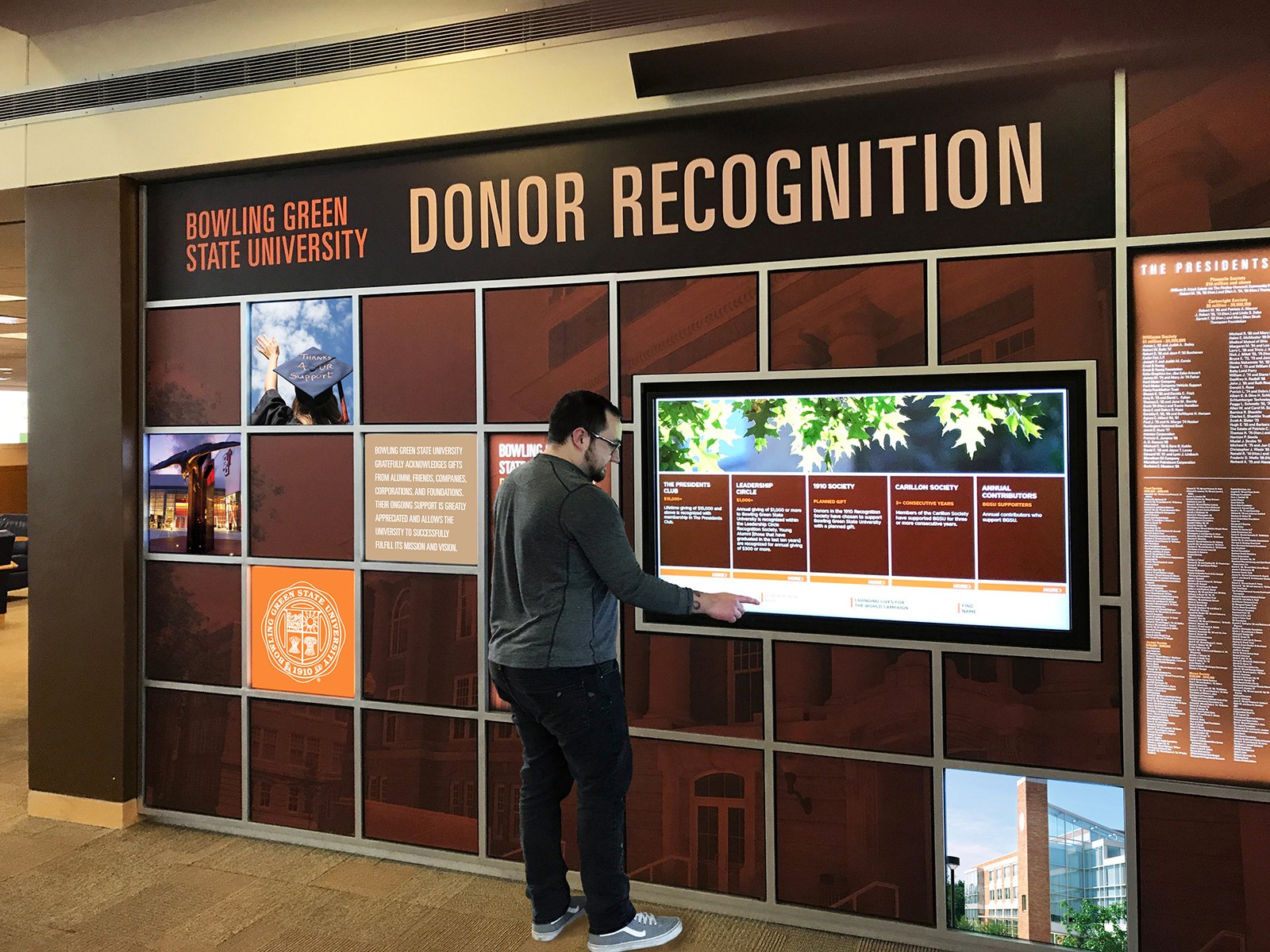
Interactive maps and dynamic displays that adapt to campus events or changing conditions.

Our Work in Education
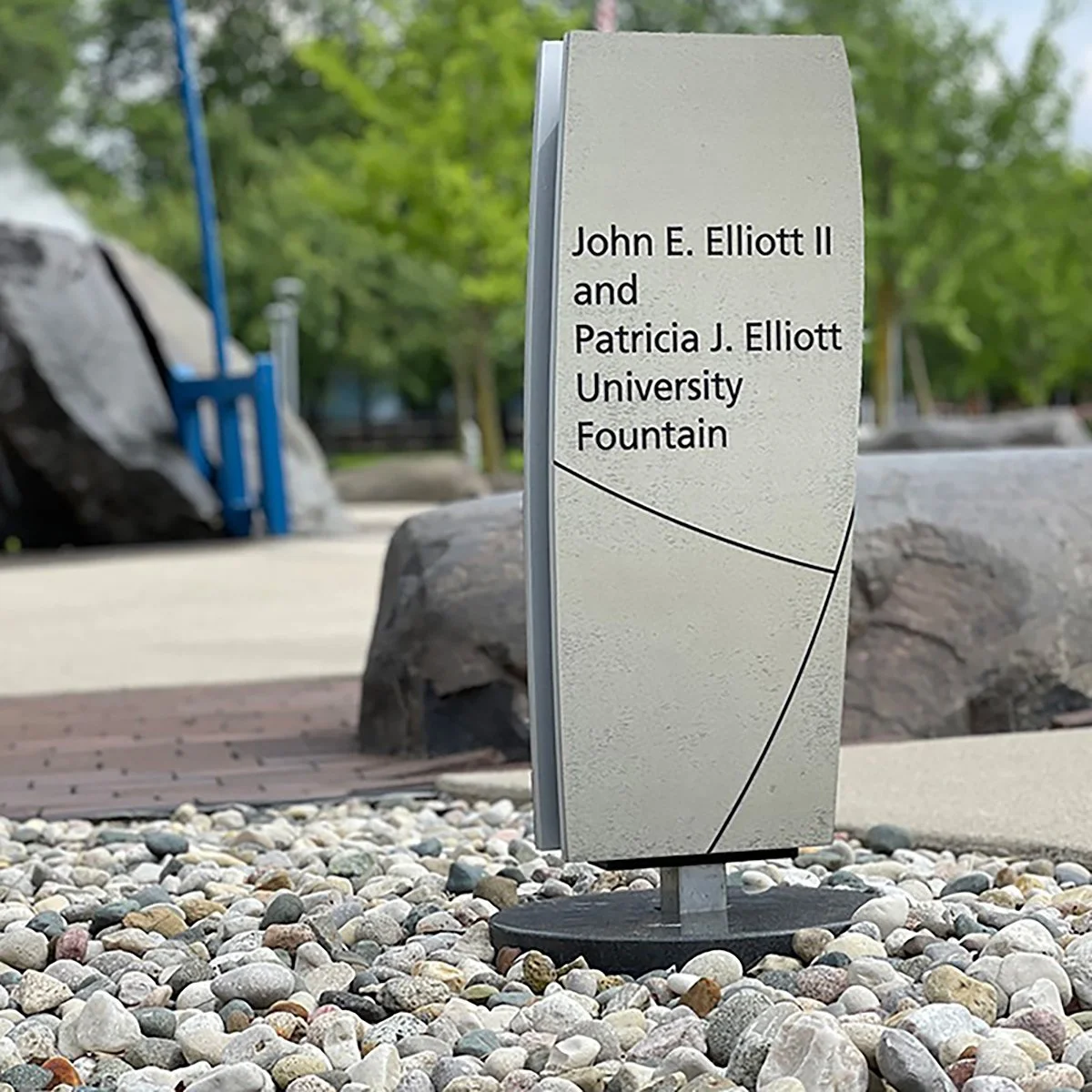
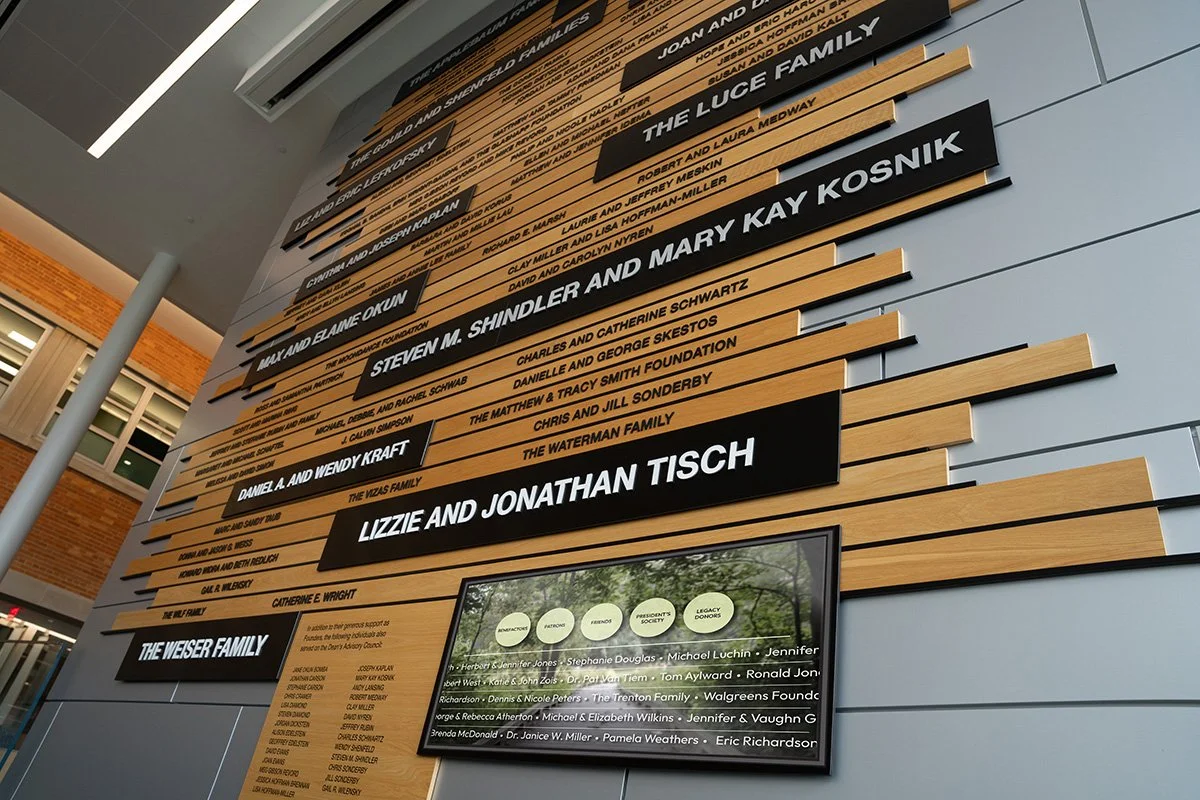
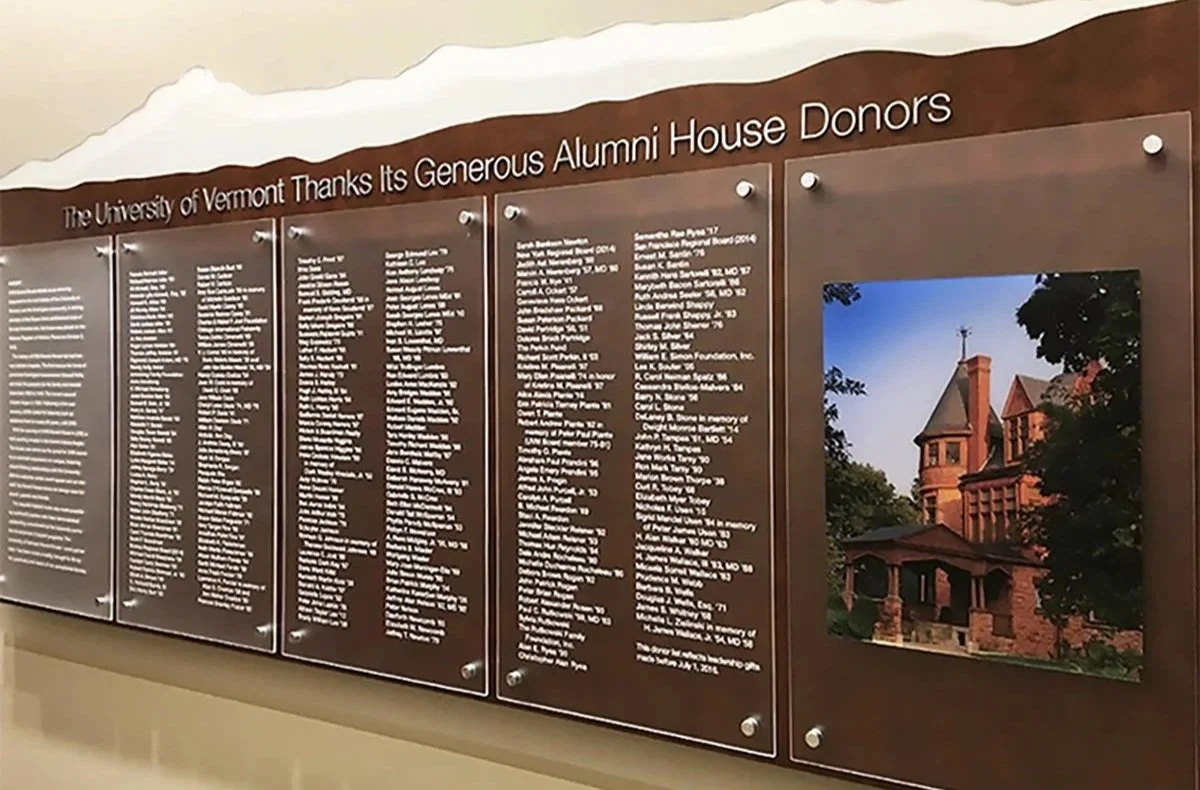
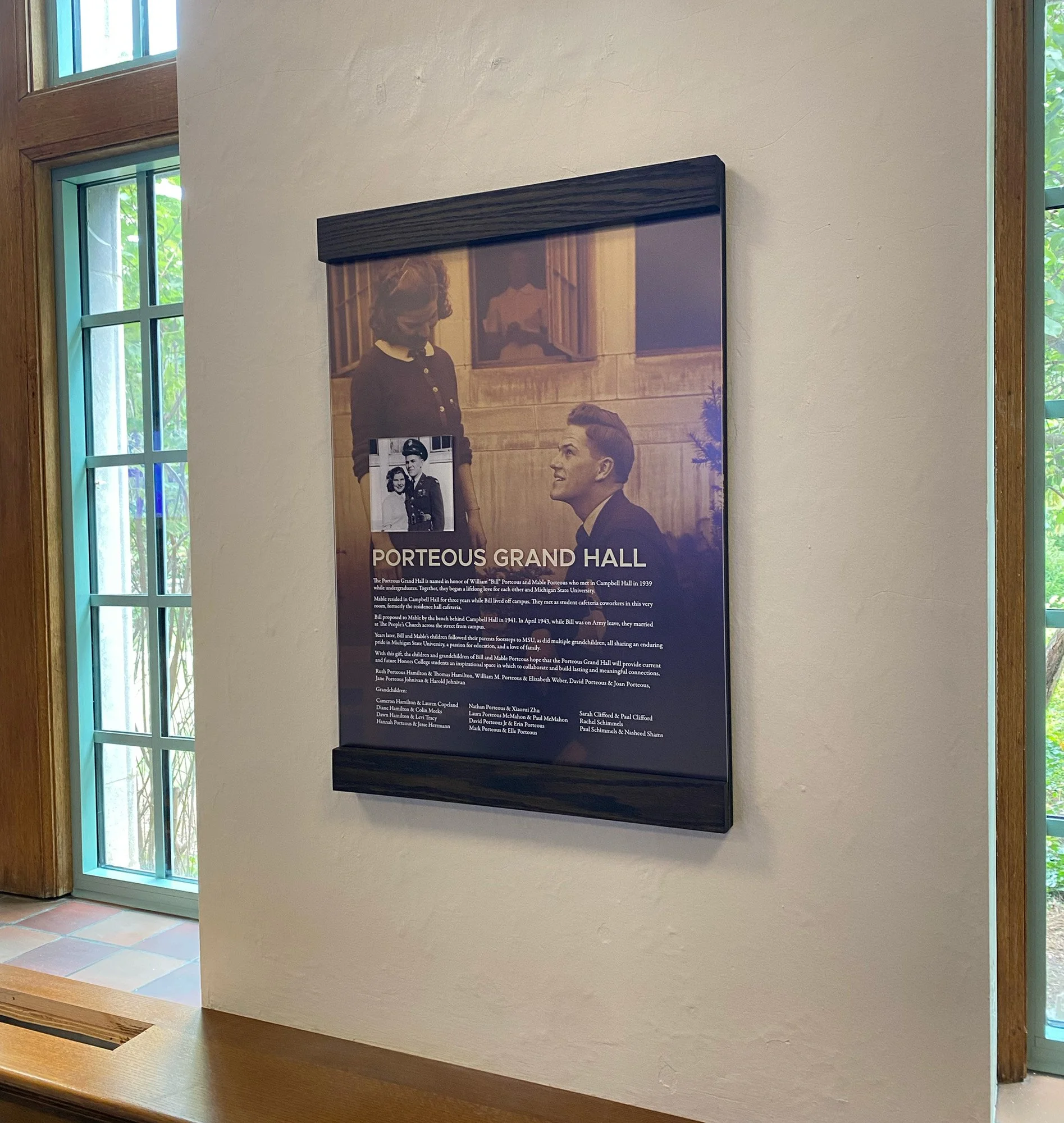
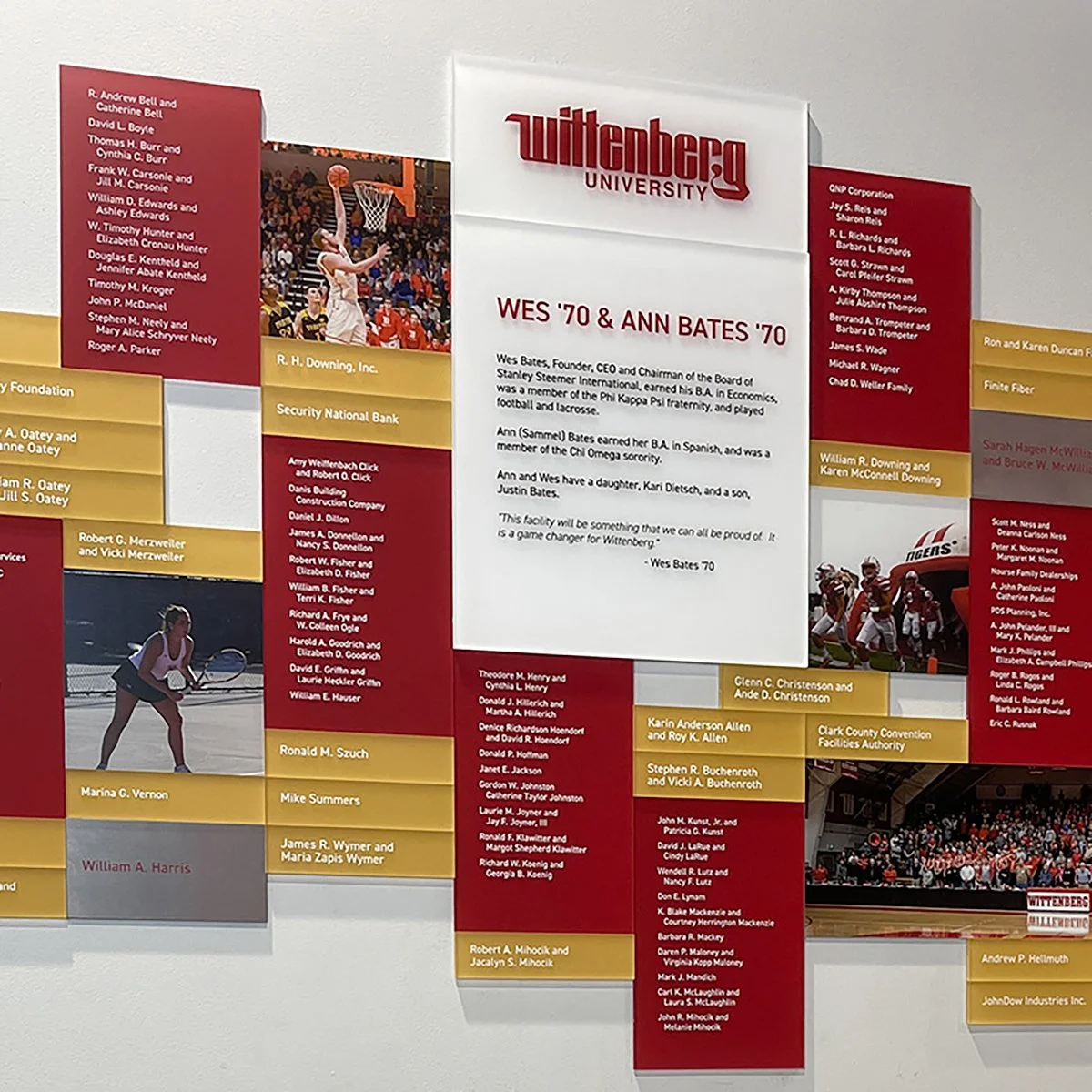

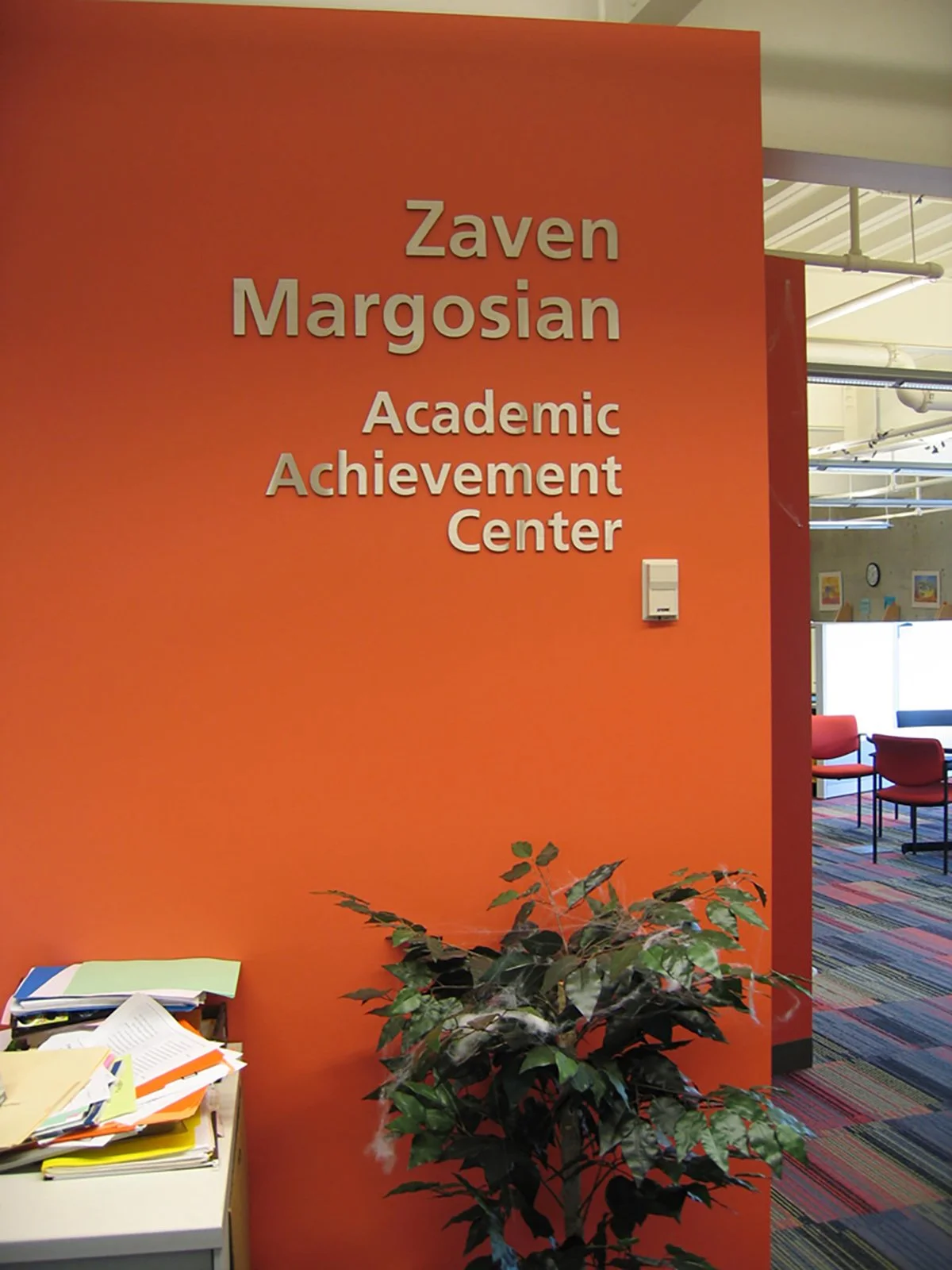
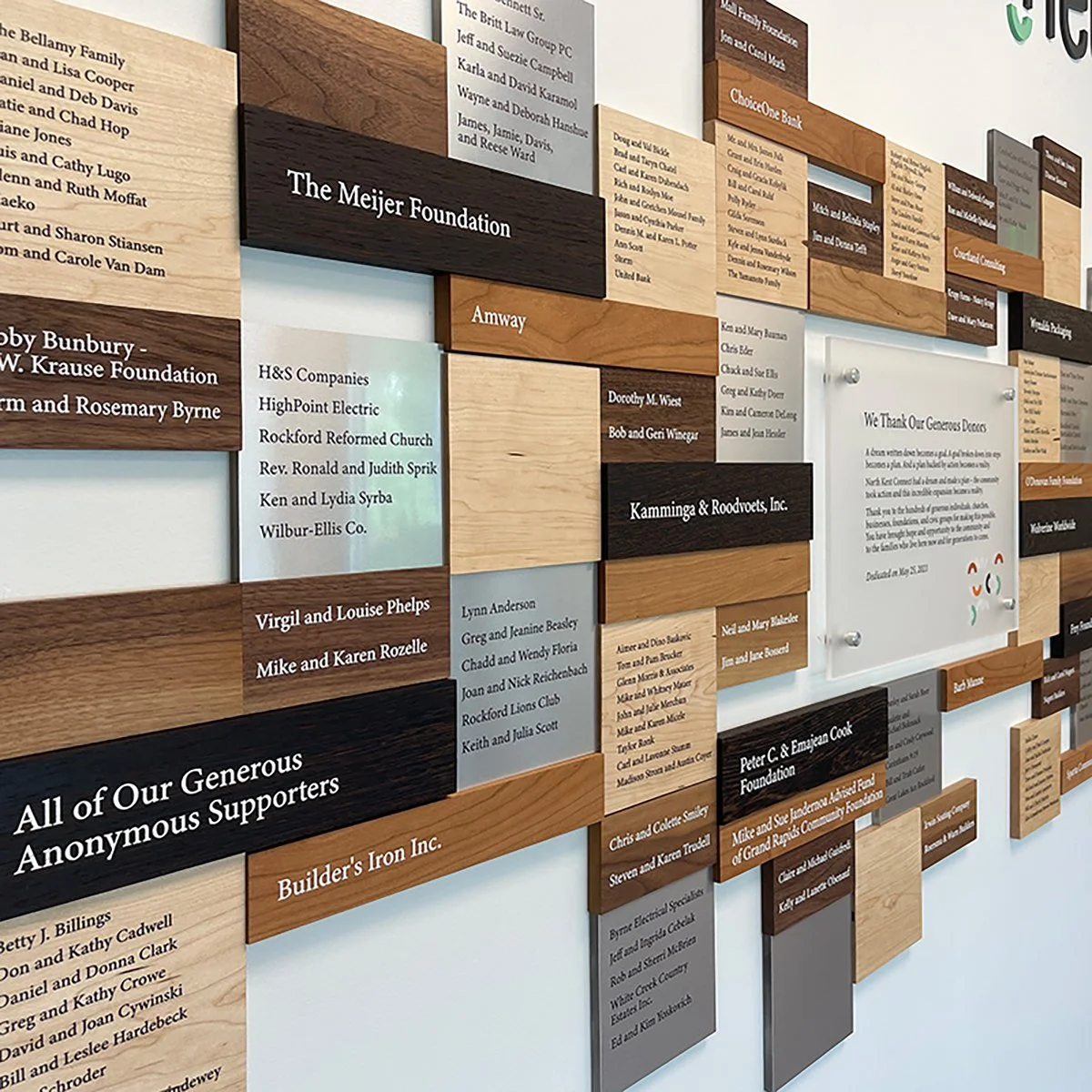
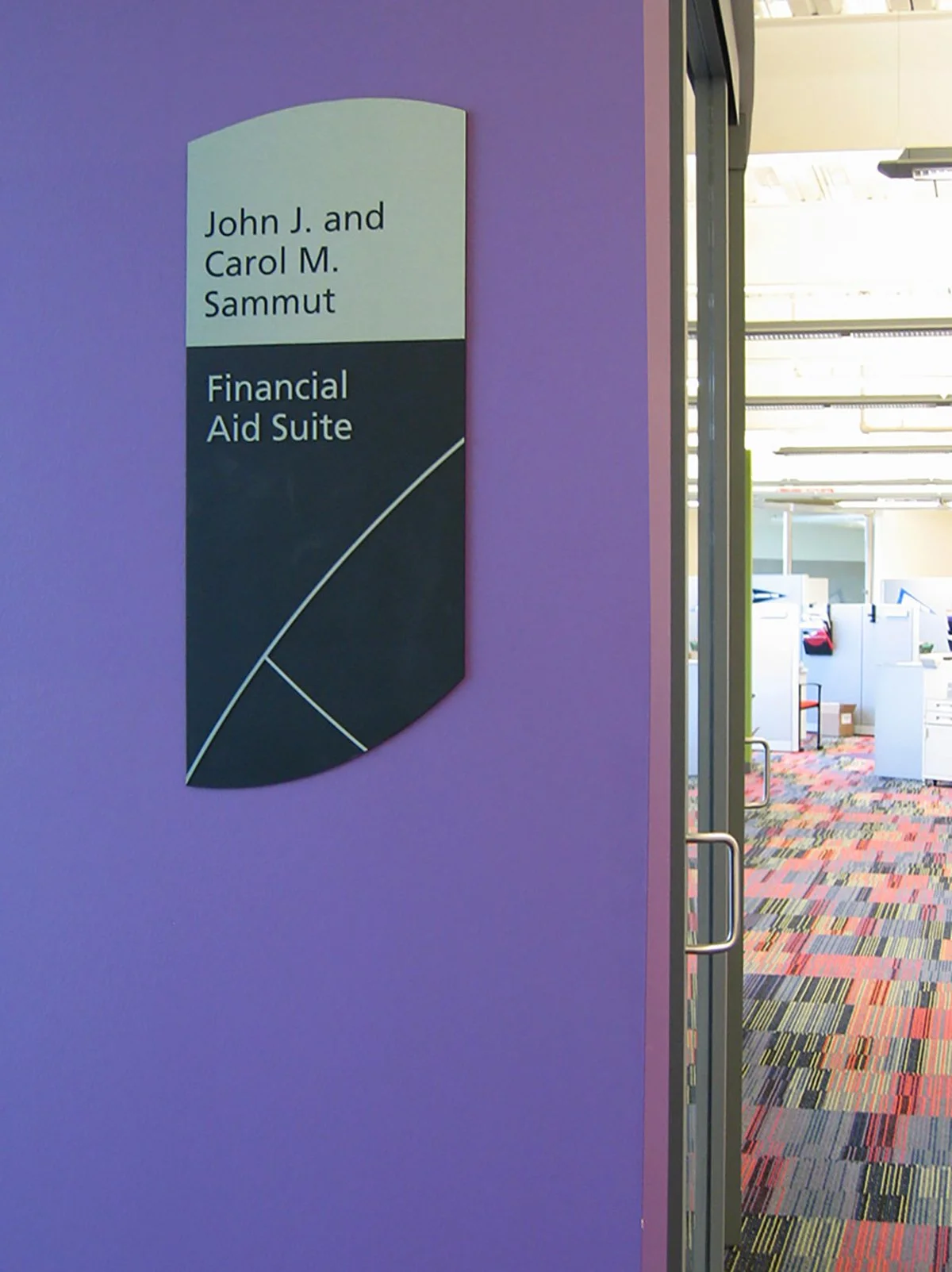
Frequently Asked Questions
-
It removes navigational friction. Clear logic guides prospective students, families, and event guests from the edge of the campus to their specific destination. This communicates institutional competence and makes the environment immediately welcoming.
-
Update your strategy when visitors frequently arrive late to appointments, building naming conventions lack consistency, temporary signs clutter the landscape, or existing pedestrian routes fail to align with recent campus master plans.
-
A complete program integrates vehicular arrival, parking identification, pedestrian mapping, building naming, and interior directories. For larger institutions, the system must also account for distinct academic districts, event routing, and future campus expansion.
-
Campuses require macro-level strategy. The system must guide diverse user groups across vast outdoor spaces, seamlessly transition them into interior environments, and remain adaptable to infrastructure changes over decades.
-
Effective design balances brand expression with institutional colors, typography, and architectural forms, while ensuring high-contrast readability and strict ADA compliance. The result reinforces the university's brand while prioritizing immediate legibility.
Build a Cohesive Campus Wayfinding System
Your campus should be intuitive for the people who use it every day, and effortless for those arriving for the first time. Nicolson Associates partners with colleges and universities to engineer wayfinding systems that bring order, clarity, and consistency to complex academic environments.