
Wayfinding Systems for Performing Arts & Cultural Venues
Cultural venues require intuitive navigation, especially during high-capacity events, shifting exhibitions, and peak performance times.
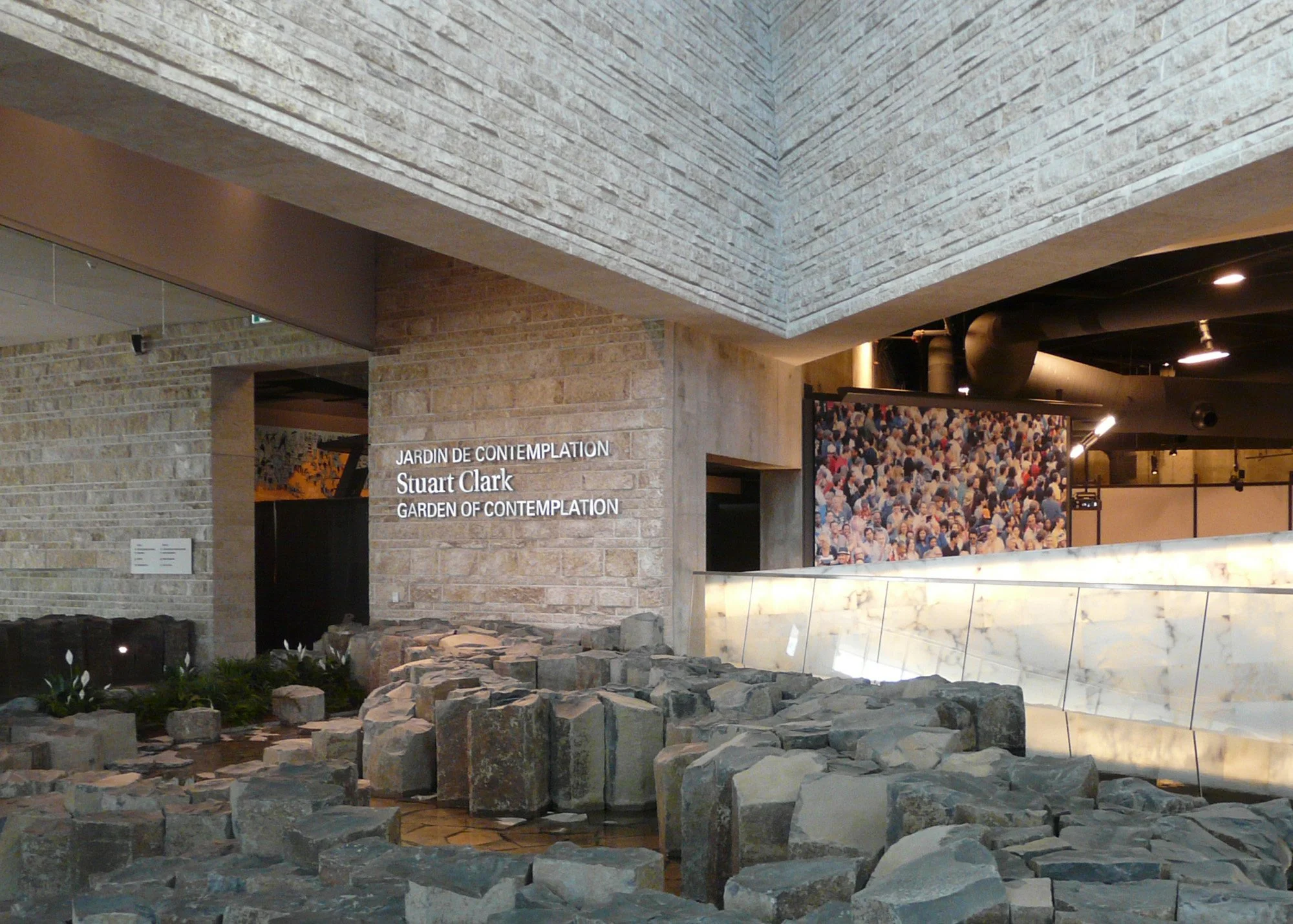
Nicolson Associates designs strategic wayfinding systems for performing arts centers, museums, galleries, and historic theaters. We orchestrate the movement of patrons, staff, artists, and donors through clear, coordinated directional logic. From museum wayfinding signage to a comprehensive performing arts center signage system, we create experiences that feel highly organized and native to your venue's architecture.
Solving Navigation Challenges in Cultural Spaces
Cultural venues present highly layered visitor journeys. A single guest must seamlessly transition from parking and ticketing to galleries, theaters, donor spaces, and amenities.
In museums and performing arts centers, navigation grows complex when facilities feature multiple entrances, temporary exhibitions, historic architecture, or shifting event layouts. Without a cohesive directional strategy, visitors arrive late, overlook key amenities, and overwhelm front-of-house staff with questions about directions. Our wayfinding programs clarify the venue layout without distracting from the art or performance people came to experience.
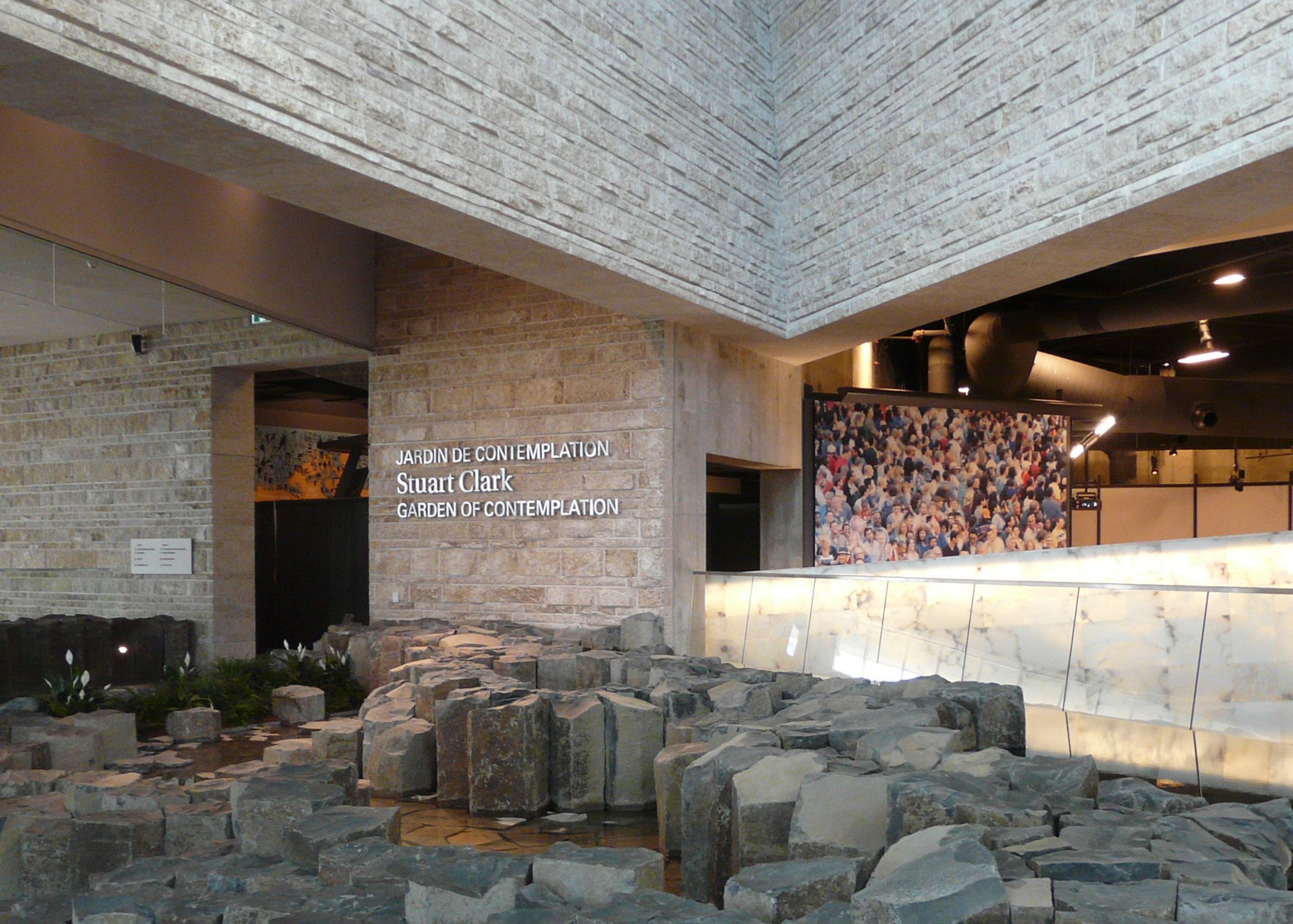
Why Strategic Wayfinding Matters for Cultural Spaces
Navigation defines the patron experience in any museum, theater, or cultural destination. Clear directional logic allows visitors to focus entirely on the exhibition or event rather than deciphering the building's layout.
Effective wayfinding systems:
Guide patrons seamlessly from arrival points to their specific entrance.
Streamline visitor flow during high-traffic showtimes and intermissions.
Highlight crucial amenities, including restrooms, cafés, and retail spaces.
Minimize repetitive directional inquiries for front-of-house and security staff.
Establish fully compliant, accessible routes for all guests.
Maintain a unified visitor experience across diverse architectural additions.
A deliberate approach to cultural venue wayfinding design ensures the system feels intentional, useful, and fully integrated into the space.
Tailored for Museums, Theaters, and Cultural Destinations
We engineer wayfinding solutions for cultural environments where navigation must accommodate both daily visitors and dense event crowds.
Our expertise supports:
Museums and fine art galleries
Performing arts centers and concert halls
Historic venues and exhibition spaces
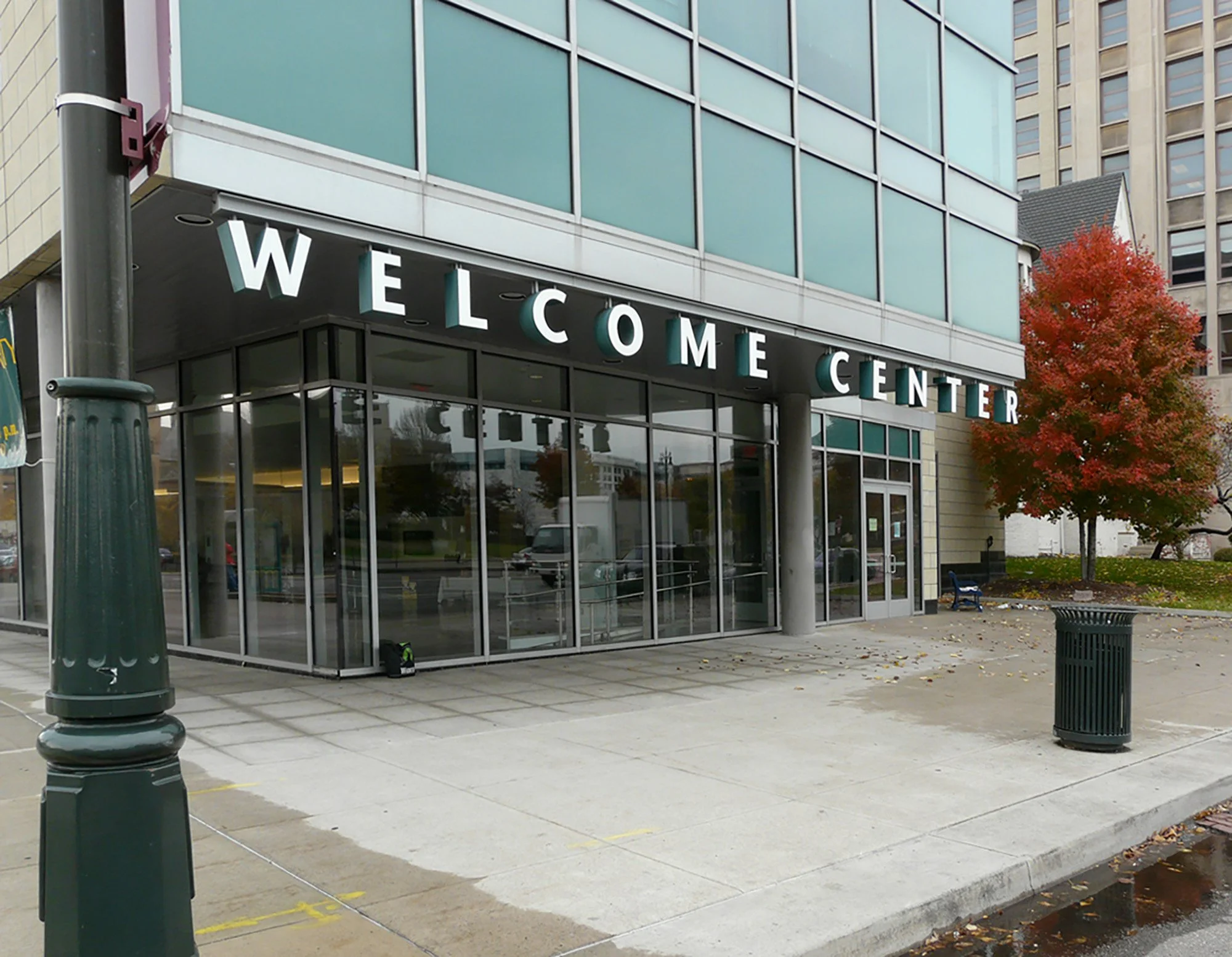
Visitor, cultural, and education centers
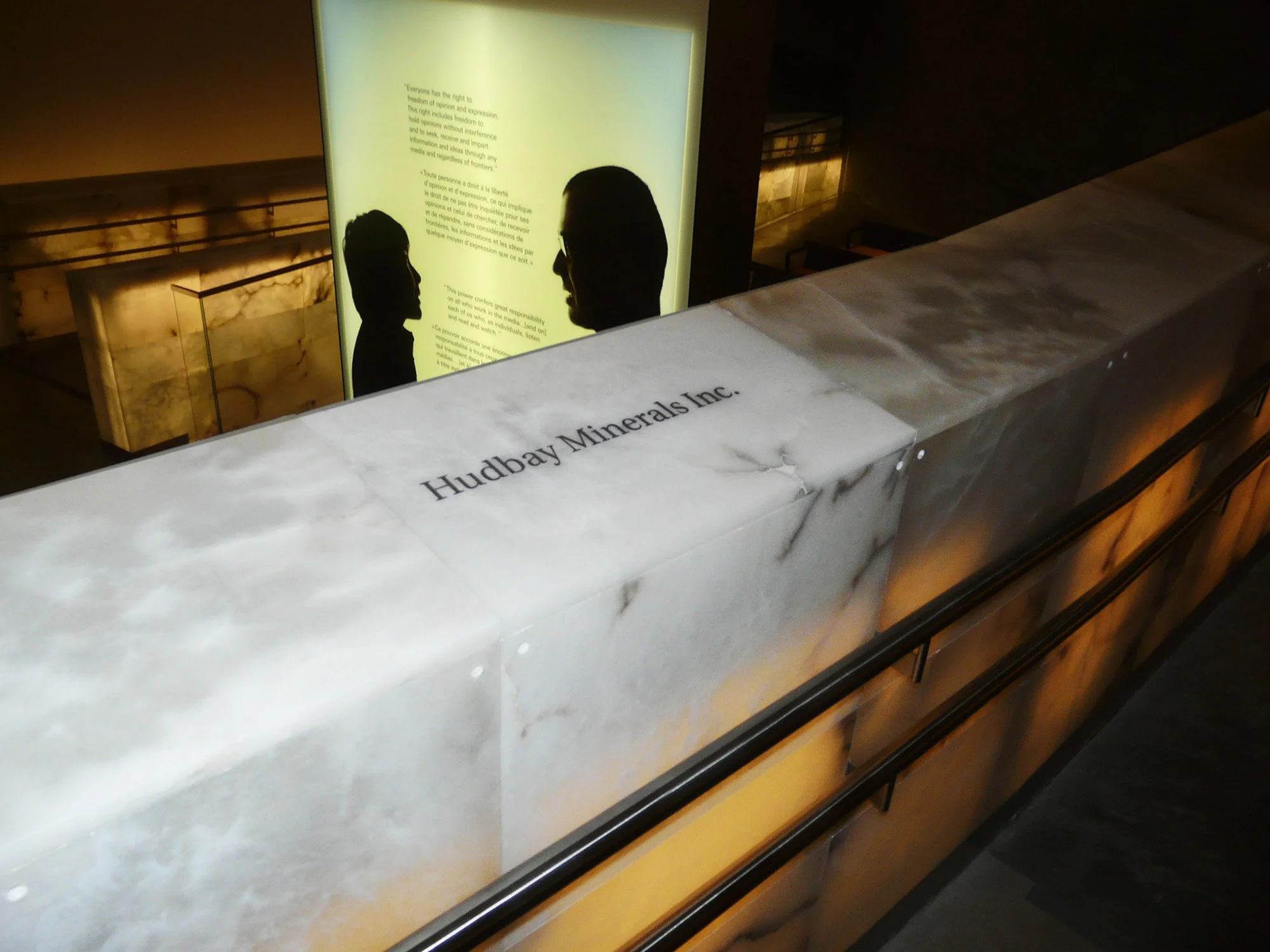
Donor recognition and public gathering areas
We map the entire visitor journey, analyzing arrival sequences, orientation points, decision intersections, and final destinations to provide clear support exactly where it is needed.

Our Work In Government & Public Services
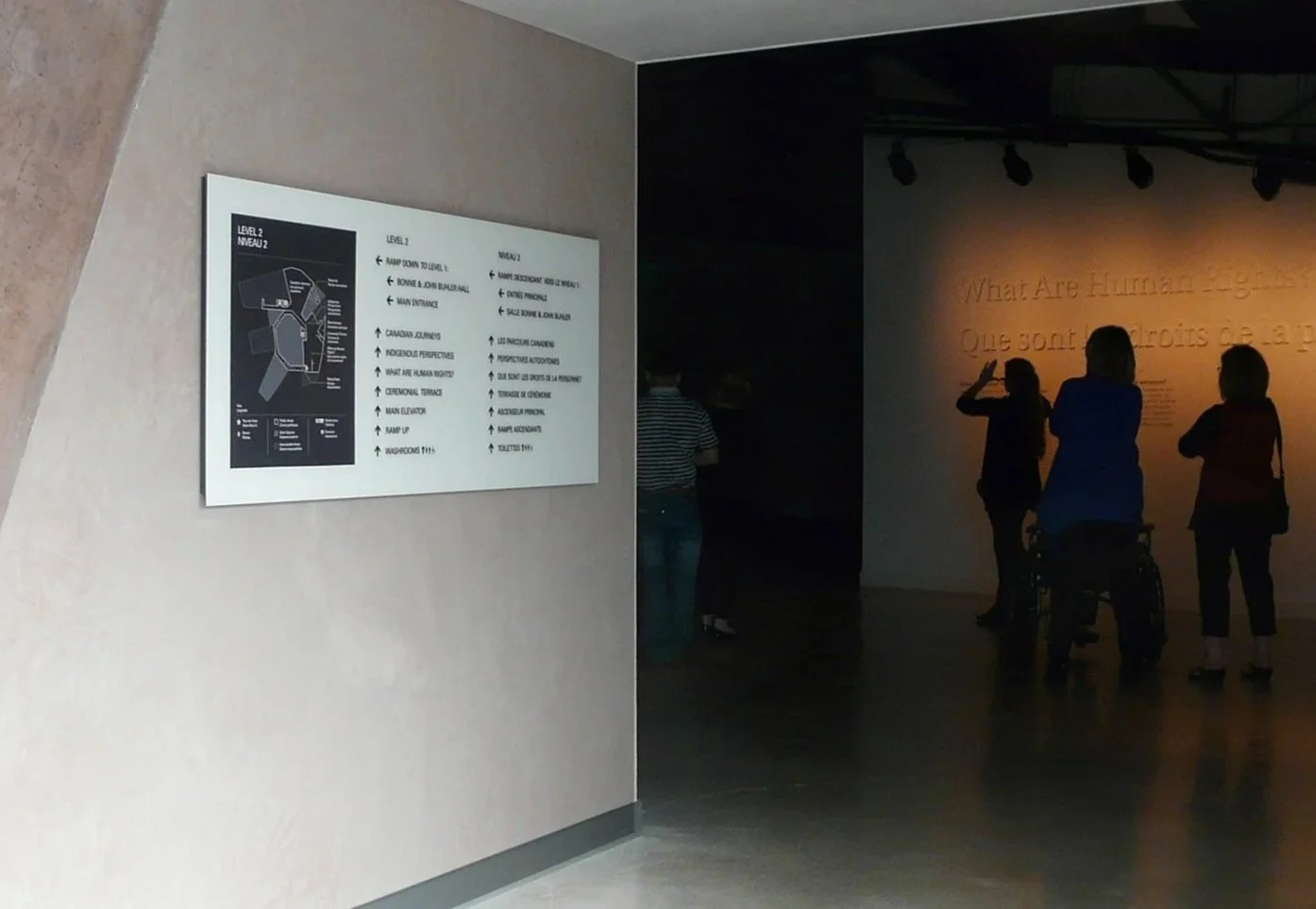
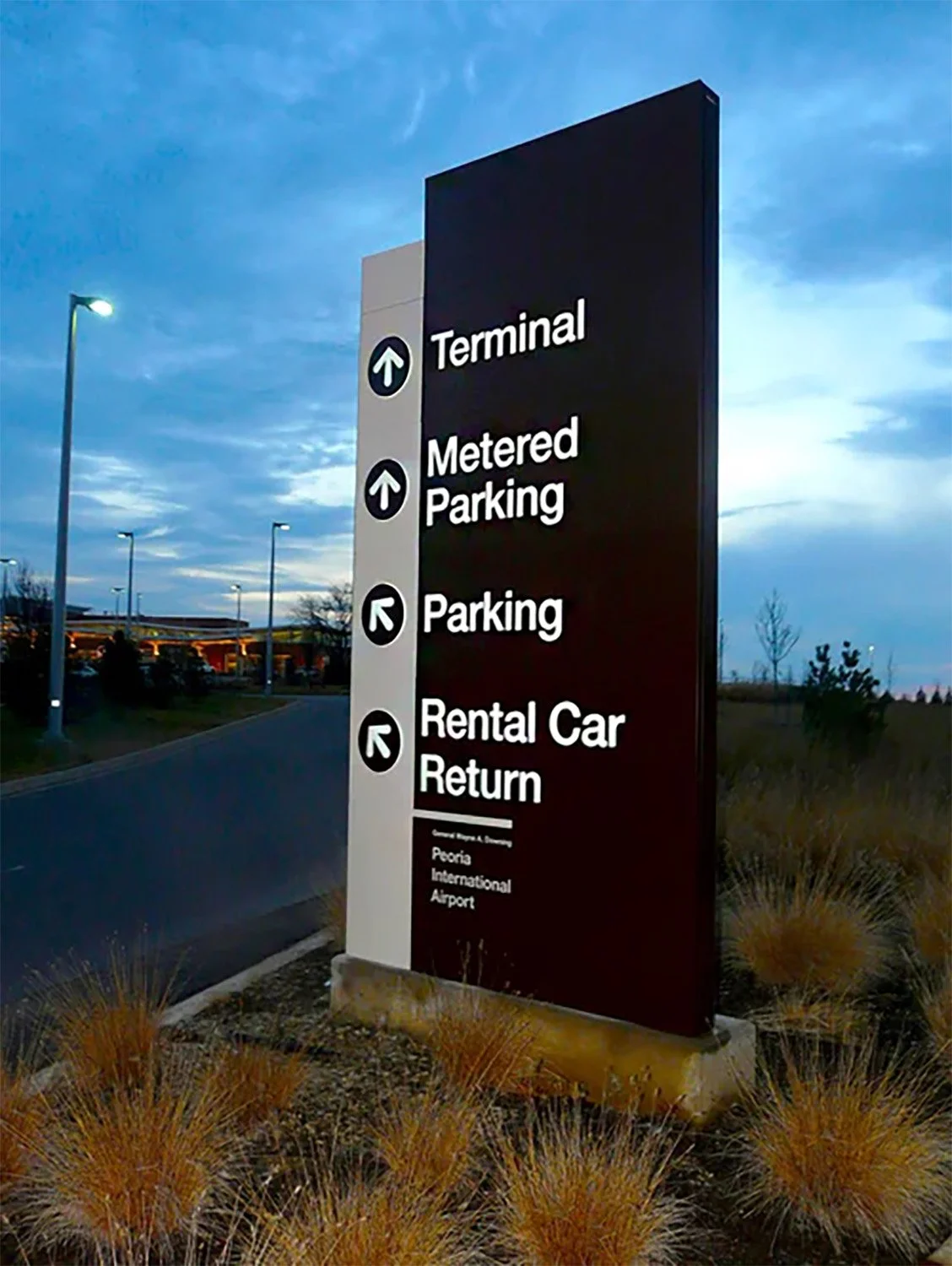
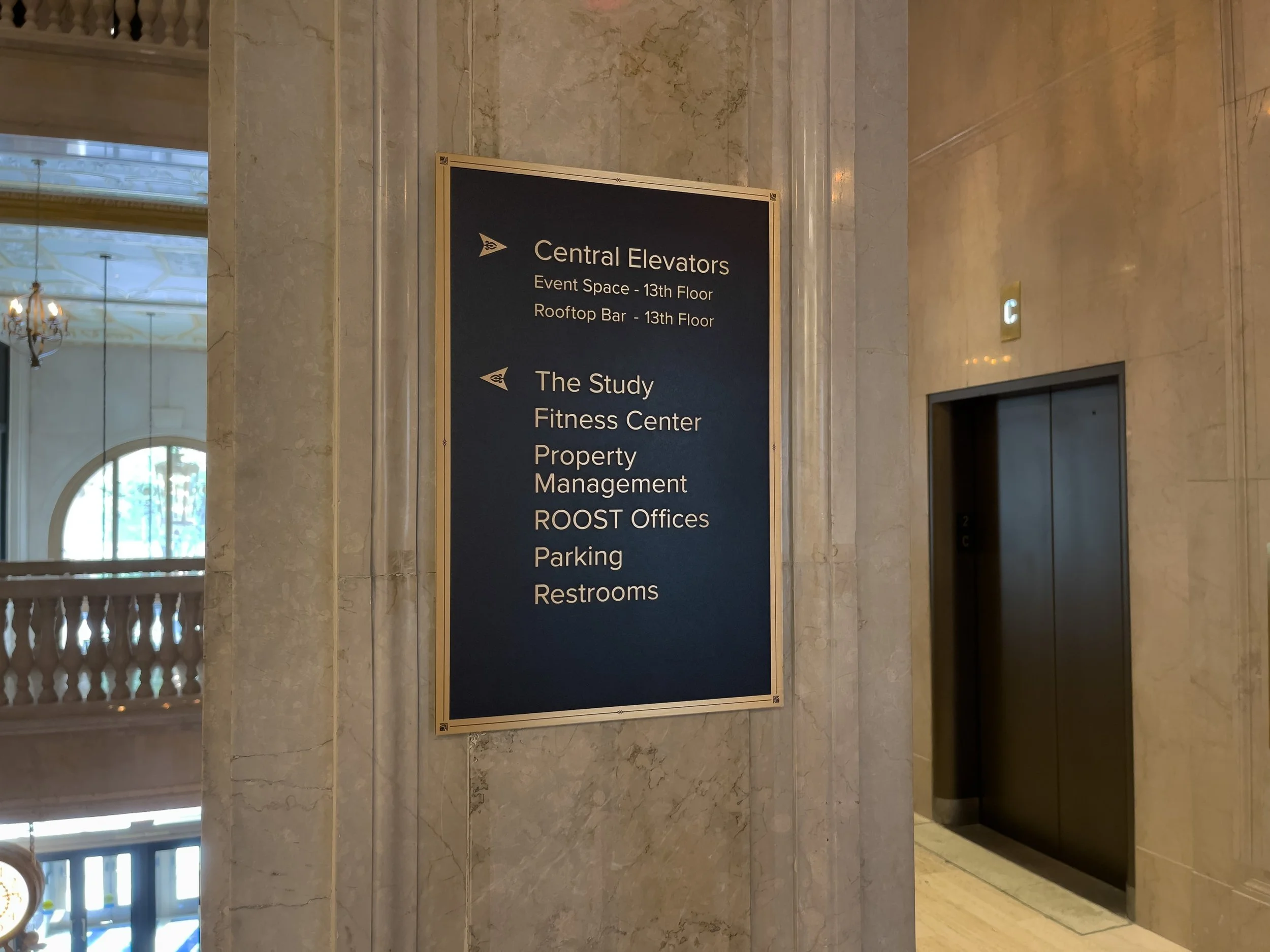
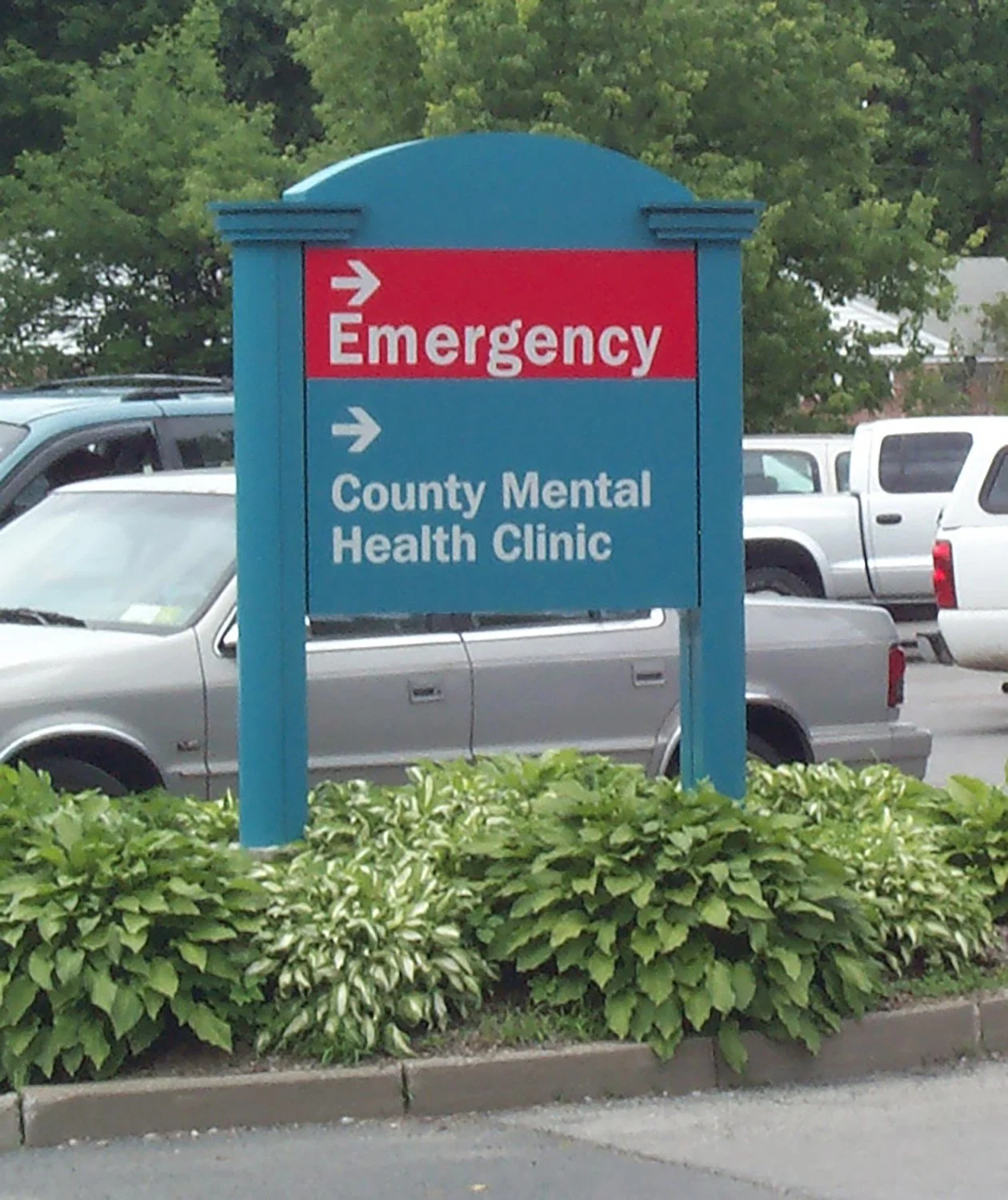
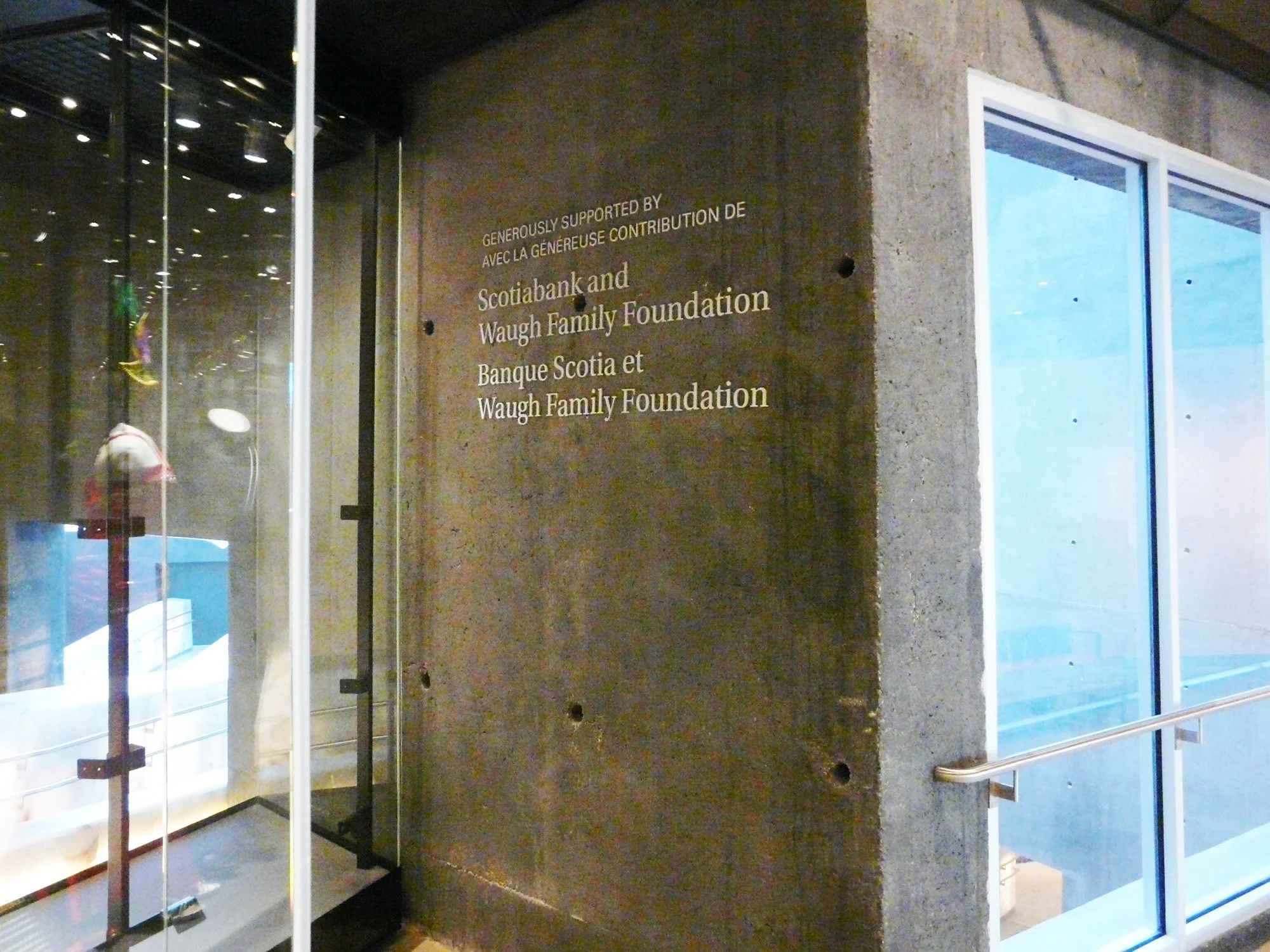
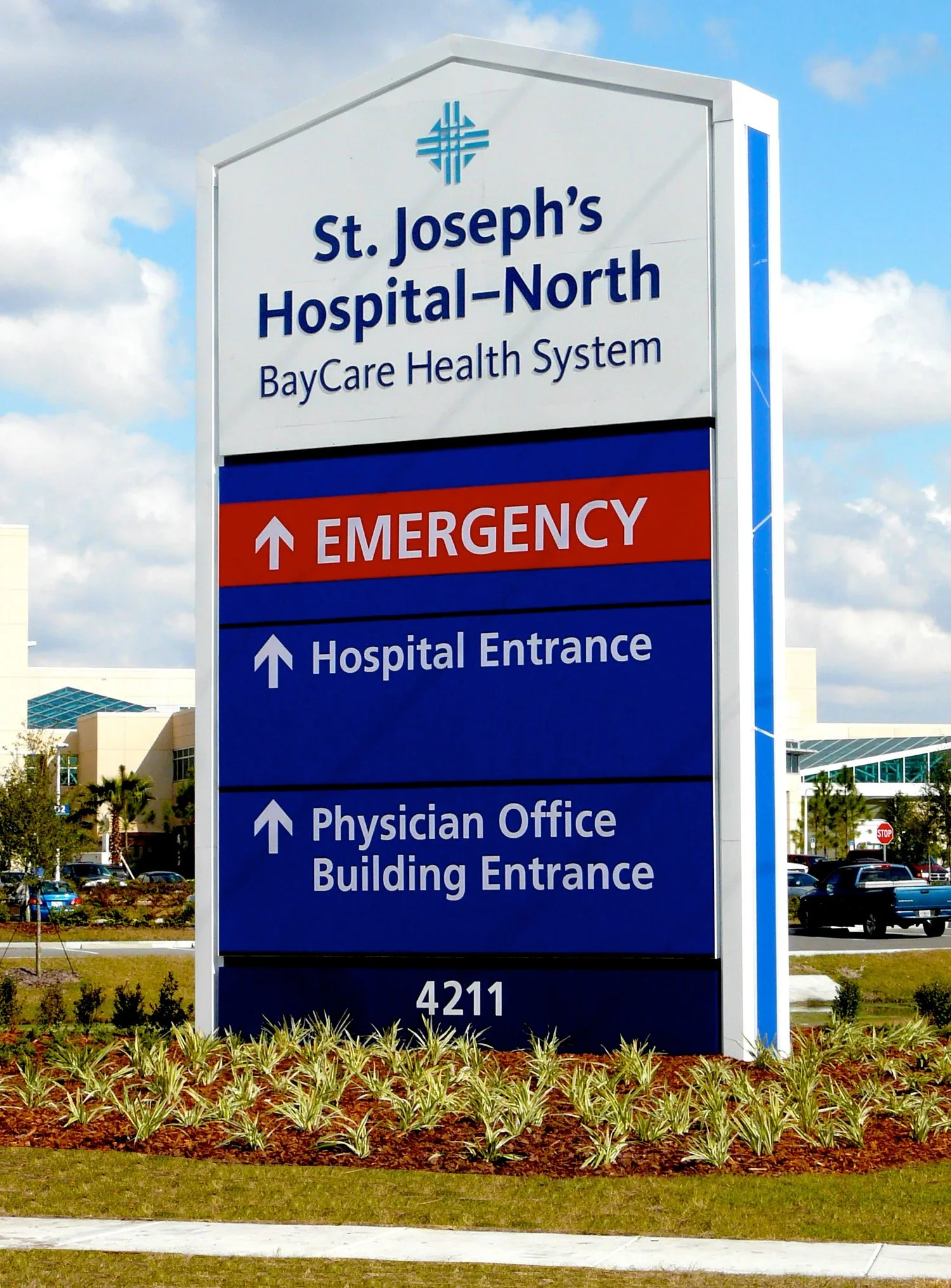
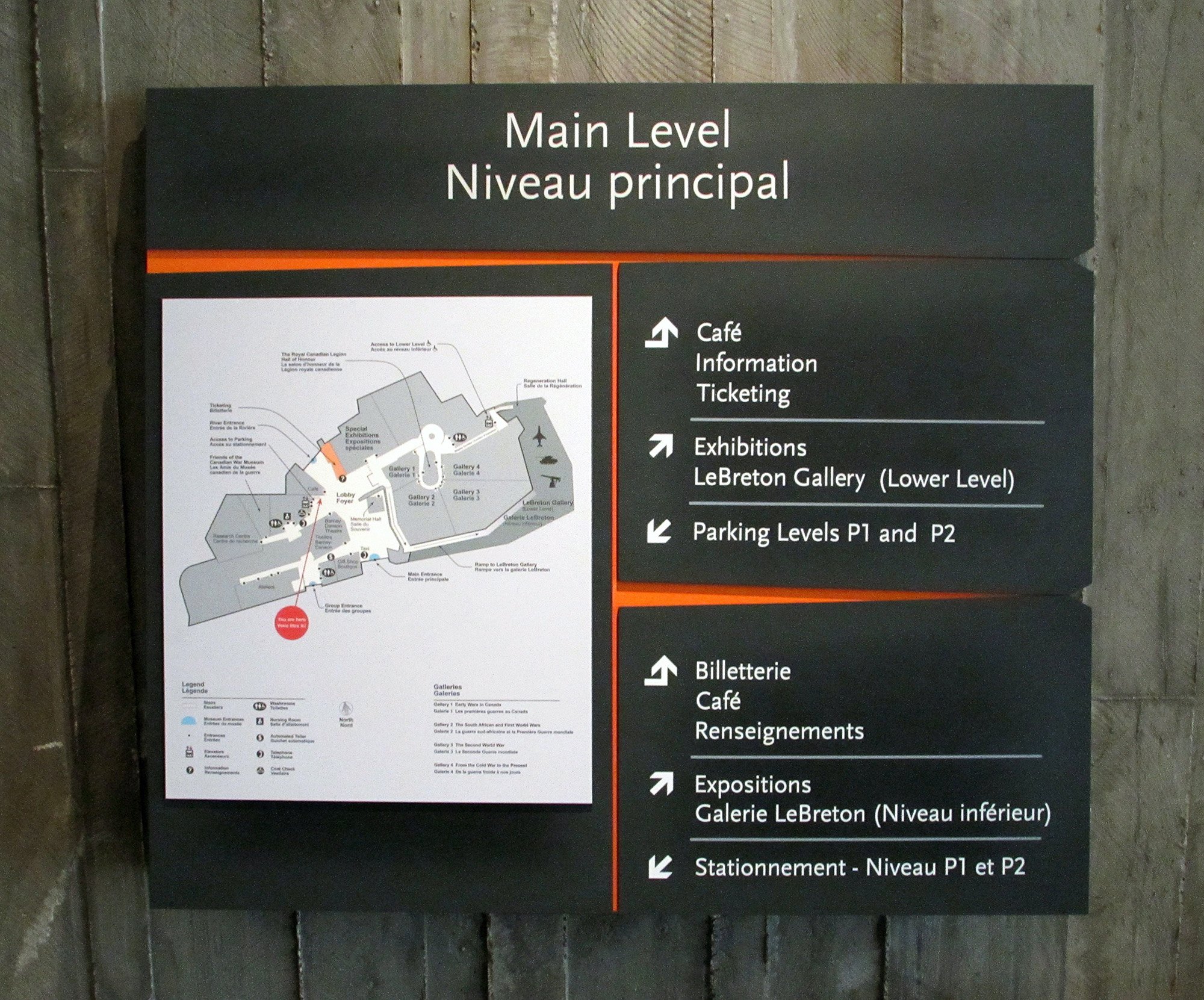
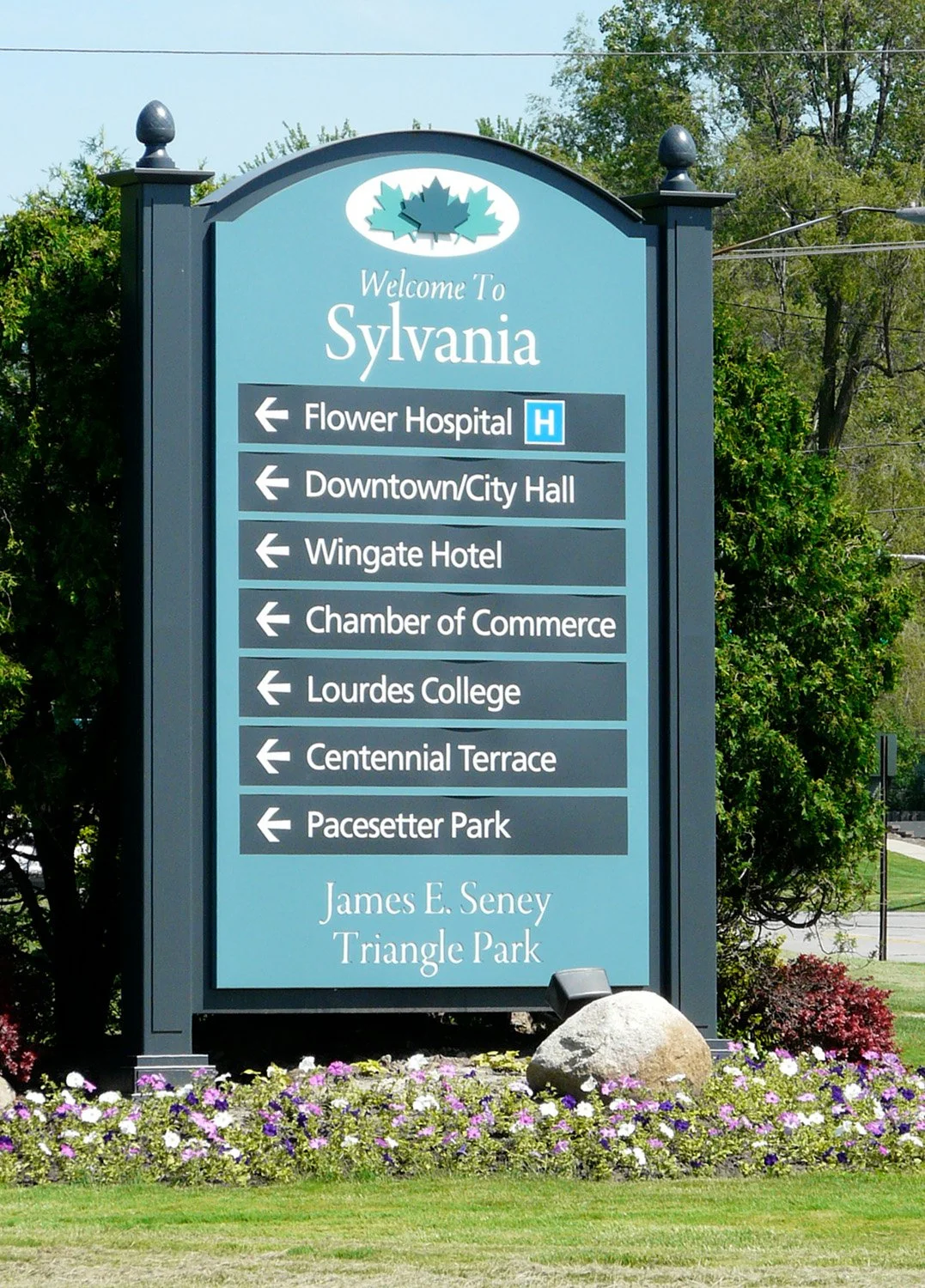
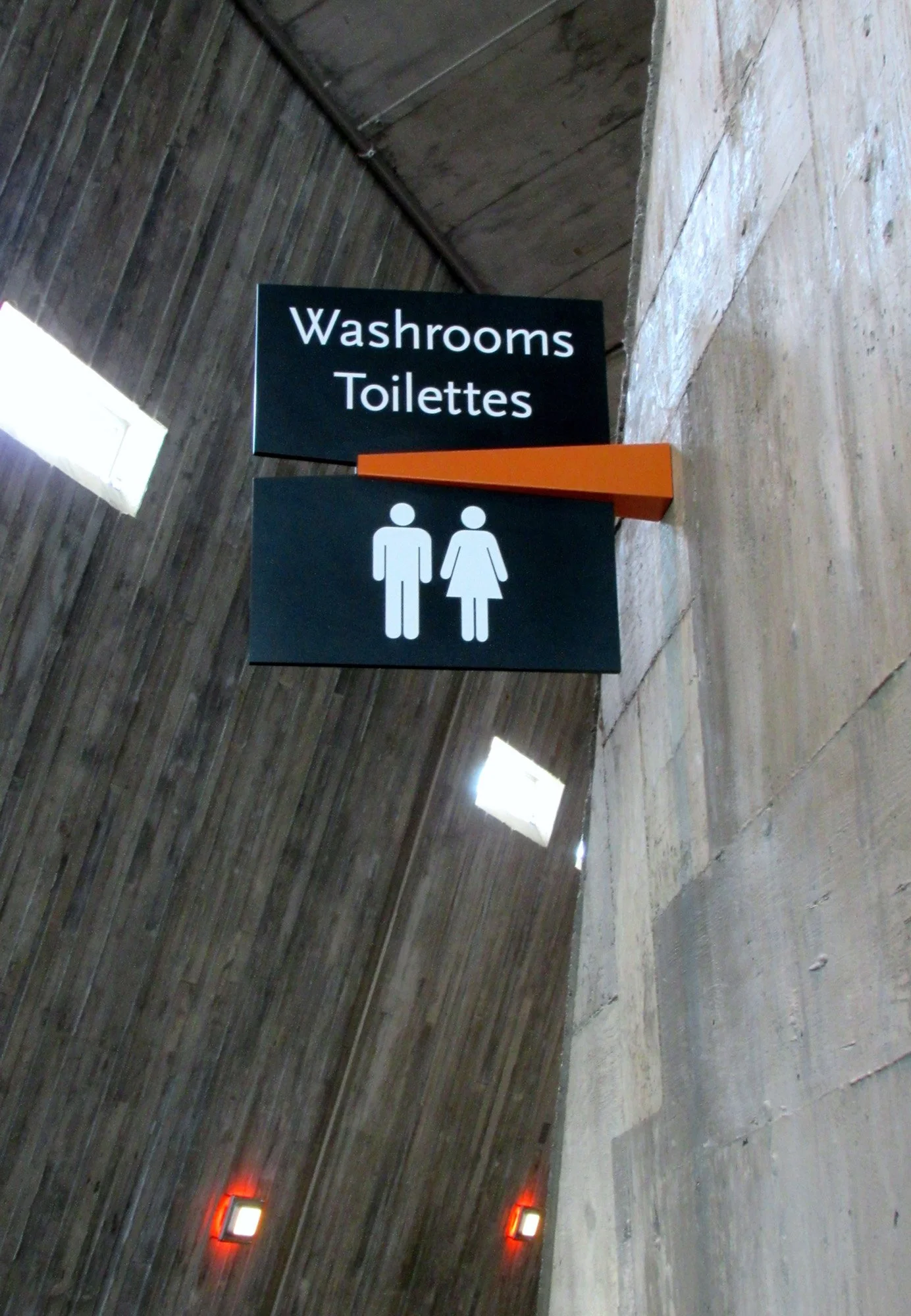
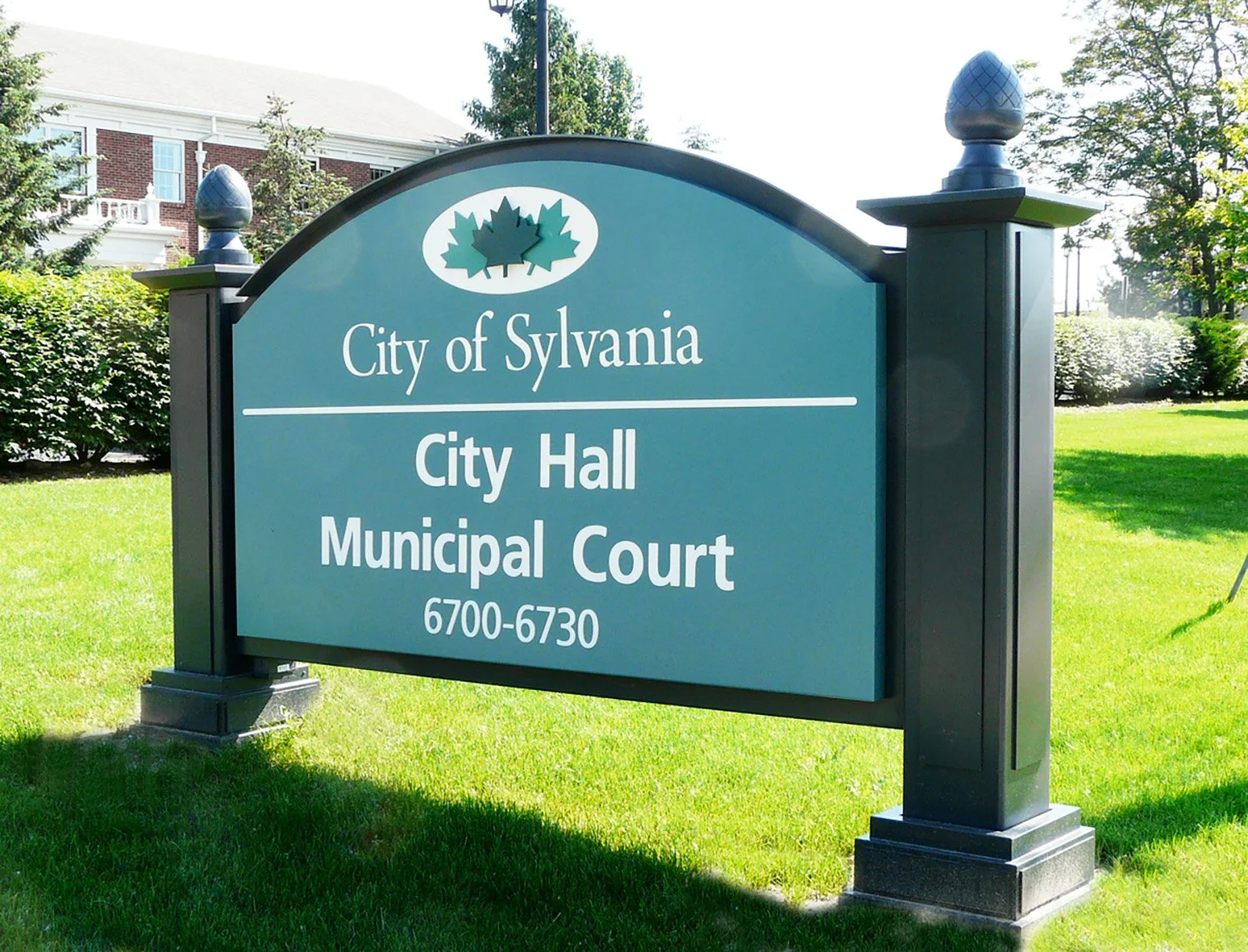
Core Venue Signage Components
A comprehensive system integrates multiple sign types across public, exterior, and operational spaces.
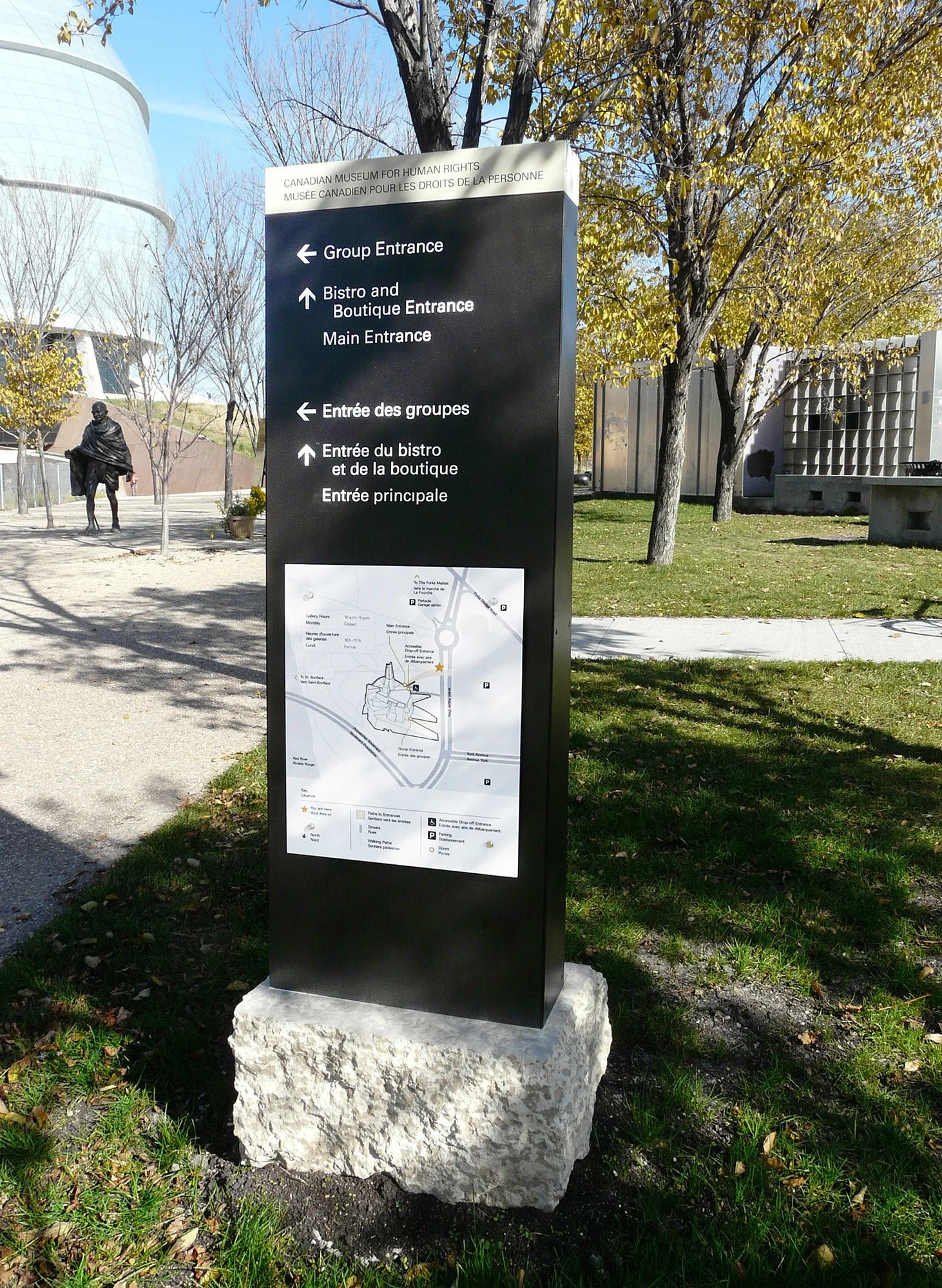
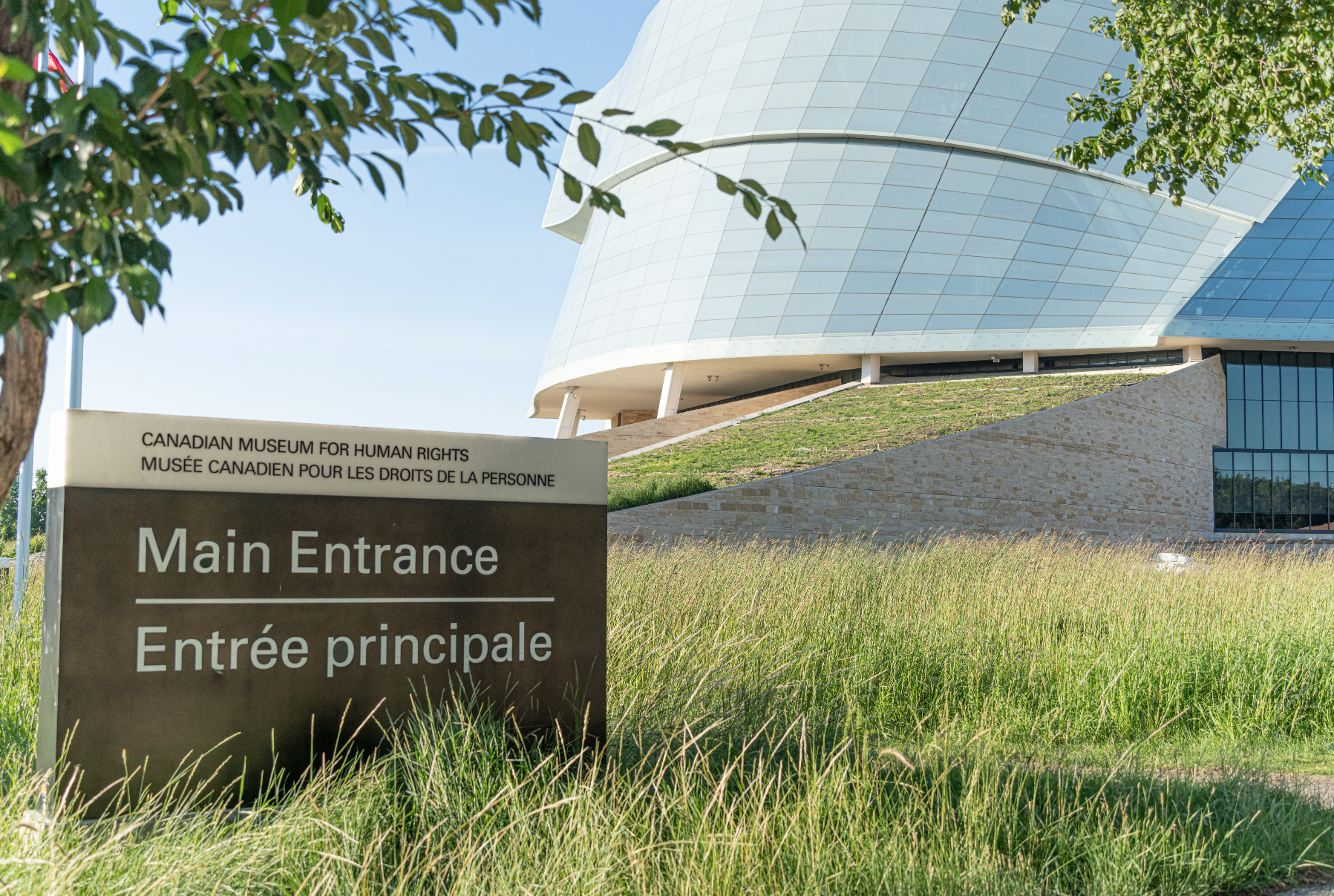
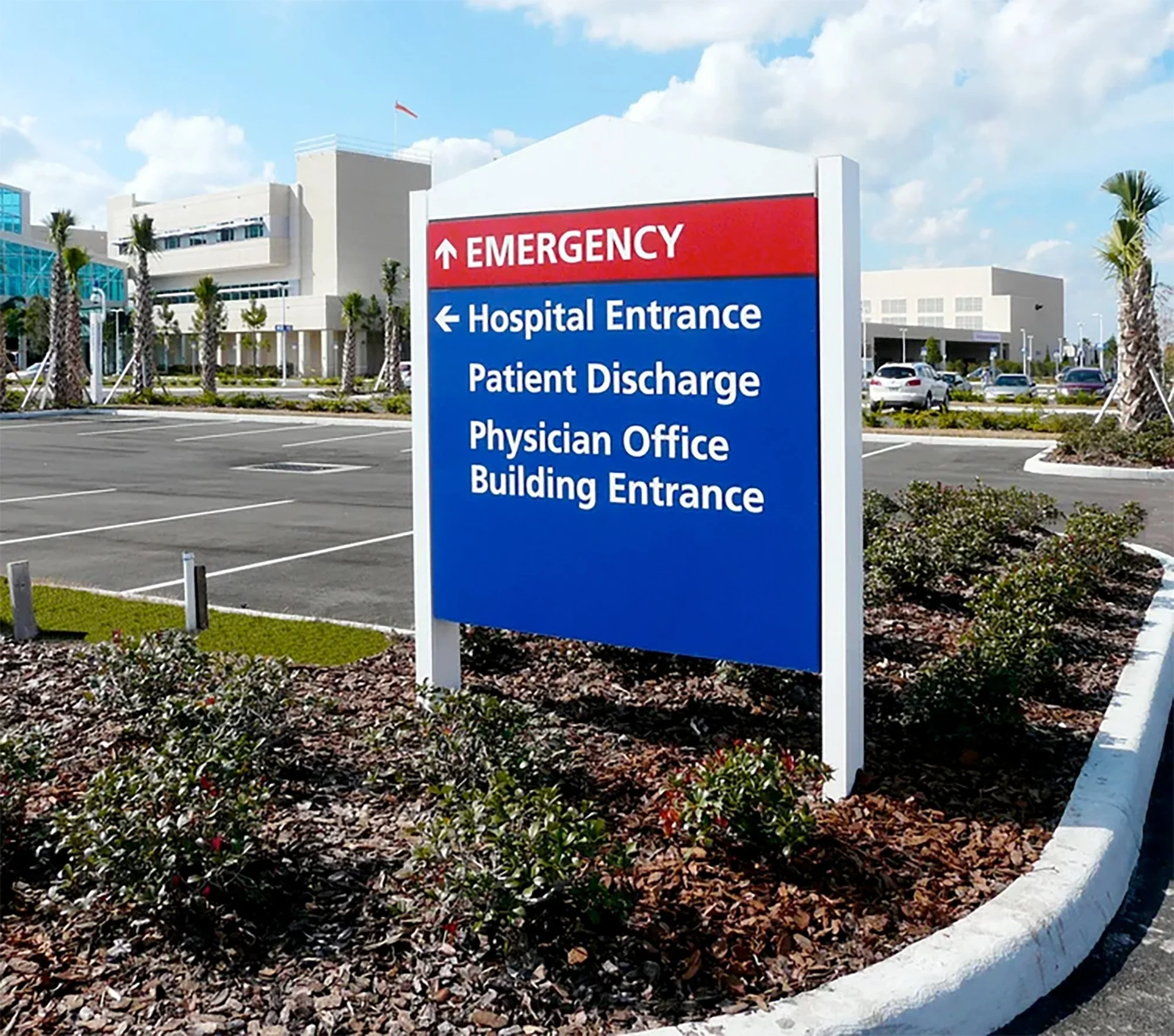
Exterior Arrival Signage: Venue identification, parking directionals, drop-off markers, and clear pedestrian guidance.
Lobby & Orientation Signage: Directories, ticketing guidance, and event mapping to establish initial understanding.
Interior Directionals: Routing for galleries, auditoriums, seating areas, concessions, and exits.
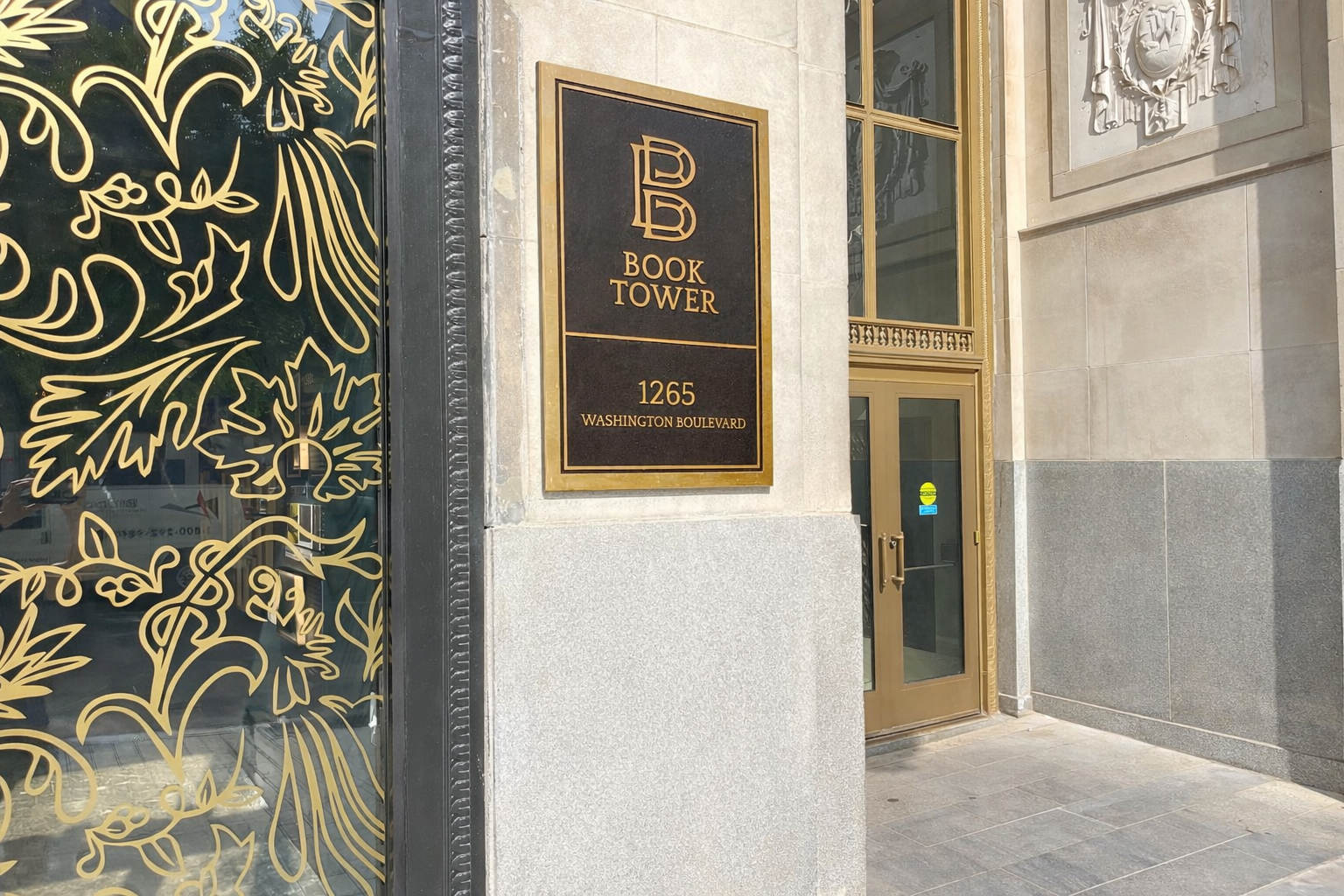
Destination Identification: Theater entrances, specific gallery names, donor rooms, and staff-only access points.
Regulatory & Accessibility Signage: ADA-compliant tactile markers, accessible route definition, and life-safety messaging.
Digital Integration: Dynamic event displays and interactive maps that adapt to changing daily programs or temporary exhibits.

FAQs for Performing Arts Center Signage
-
It empowers independent navigation. Visitors frequently manage timed tickets, intermissions, and complex gallery layouts. A coordinated system removes navigational anxiety, keeping the visitor's attention firmly on the cultural experience rather than on the building's logistics.
-
A successful program supports both everyday operations and high-traffic surges. It must include exterior vehicular guidance, ticketing directionals, auditorium identification, concession routing, and digital event displays, as well as strictly regulated accessibility and back-of-house signage.
-
Museum signage must respect the exhibition environment and the interpretive experience. It requires highly flexible systems to accommodate temporary exhibits, ticketed zones, and changing layouts, all while remaining visually subordinate to the art and architecture.
-
Consider a system overhaul when visitors frequently miss showtimes or ask for directions, when renovations alter historical circulation paths, or when digital event information feels visually disconnected from your static architectural signage.
-
We build the venue’s character into the design foundation through specific materials, typography, and scale. However, we strictly prioritize high-contrast readability, consistent placement, and concise messaging. This balance ensures the signage feels like a natural extension of the venue while delivering instant clarity.
Build a Clearer Wayfinding System for Your Cultural Venue
Your venue must provide effortless navigation without competing with the cultural experience. Nicolson Associates partners with museums, theaters, and cultural destinations to bring clarity to complex visitor journeys.
Whether you require targeted directionals or a full-scale master plan, we empower your patrons to move through the space with absolute confidence.