How Often Should a Wayfinding System Be Updated?
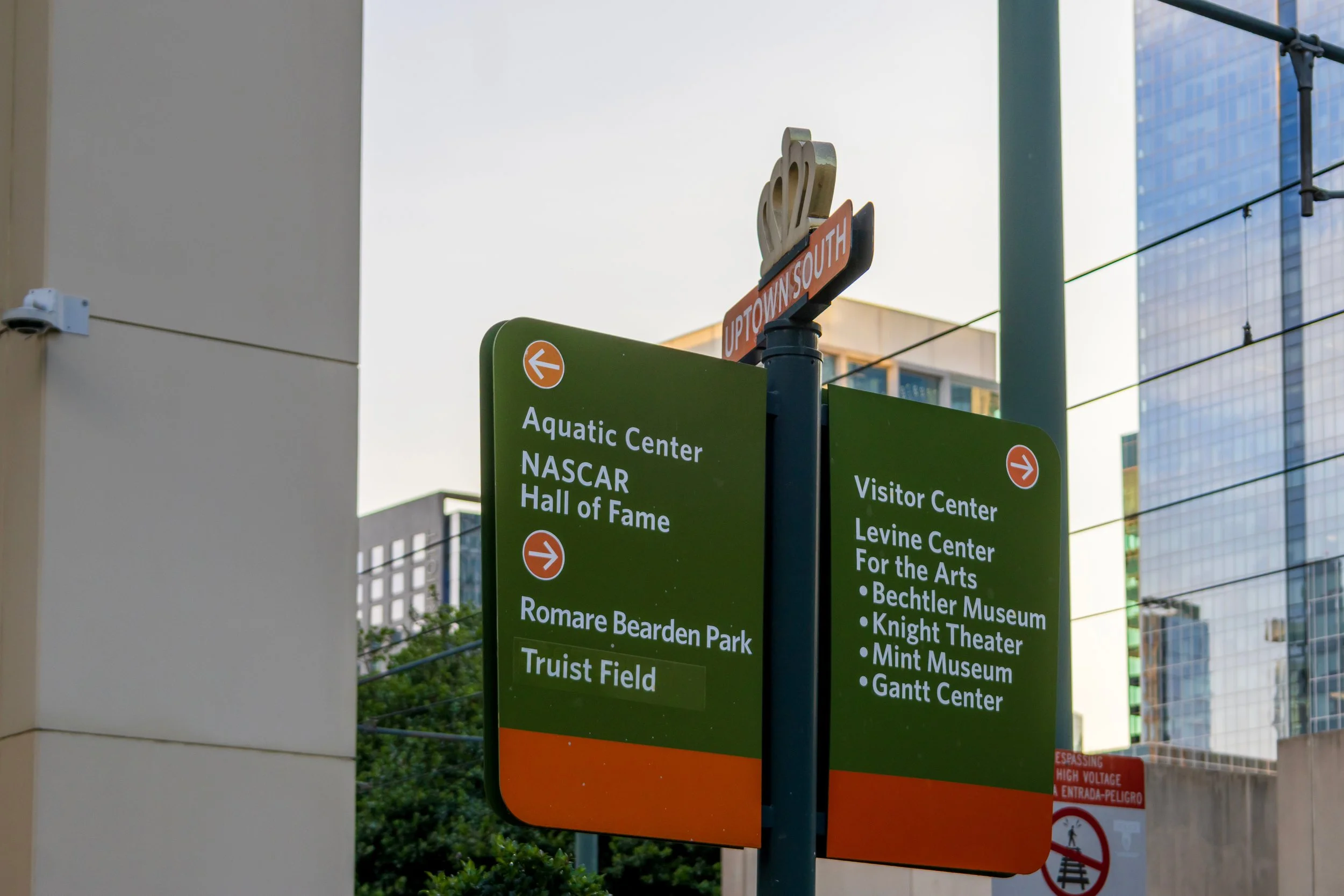
A wayfinding system solution does its best work when nobody notices it. Visitors find their way effortlessly. Staff stop giving directions—complaints about navigation drop. The system fades into the background because it functions exactly the way it should.
But buildings change. Departments move. New wings open. Tenants rotate. Branding evolves. And the wayfinding system that once guided people flawlessly begins to fall out of alignment with the environment it serves.
The question every facility owner, campus planner, and development team eventually faces is: how often should we update our directional signs and wayfinding systems? The answer depends on several factors, but the core principle holds across environments: a wayfinding system must evolve with the space it serves, or it stops serving that space effectively.
No Universal Timeline Exists, But Clear Triggers Do
Organizations often look for a simple rule: update every five years, or refresh signage every decade. Those rules provide rough guidance, but they miss the point. The right update schedule depends not on a calendar, but on what happens inside the building.
A hospital that completes a major expansion needs to update its hospital wayfinding signage systems the moment the new space opens, regardless of when the last update occurred. A university that renames a building or reassigns departments across campus must immediately update its strategic wayfinding systems for academic campuses to prevent visitor confusion. A corporate campus that rebrands after a merger needs every sign in the system to reflect the new identity, making a unified commercial building wayfinding strategy essential.
Triggers, not timelines, should drive update decisions. Understanding those triggers helps organizations plan proactively rather than reacting after visitors and staff have already experienced the consequences of outdated signage.
The 6 Major Triggers That Signal a Wayfinding Update
1. Construction, Renovation, or Expansion
Any physical change to the building or campus demands a wayfinding review. New wings, renovated floors, relocated entrances, added parking structures, and reconfigured corridors all change how people move through the space. The existing wayfinding system cannot guide visitors through spaces the original designers never intended.
Organizations that plan wayfinding updates as part of the construction budget, rather than as an afterthought, avoid the common problem of opening a new facility with directional signage that still points to the old layout.
2. Department or Tenant Changes
When departments relocate, tenants change, or services move to different floors, the wayfinding system must reflect those shifts immediately. Outdated directional signs that point visitors to a department that no longer exists in that location create frustration, increase staff interruptions, and undermine confidence in the facility.
3. Rebranding or Visual Identity Changes
A rebrand touches everything: logos, color palettes, typography, naming conventions, and brand language. When an organization updates its visual identity, its wayfinding system must follow suit. Signs that carry an old logo or outdated color scheme create visual inconsistency that weakens the brand and signals neglect.
4. Regulatory or Compliance Changes
ADA requirements, fire code updates, and building code revisions all affect signage specifications. When regulations change, organizations must audit their existing signage for compliance and update any elements that no longer meet current standards. A sign that met ADA standards ten years ago may not satisfy current requirements for contrast ratios, tactile elements, or mounting heights.
5. Visitor Complaints and Staff Feedback
The people who use the building every day provide the most direct evidence that the system needs attention. When reception staff reports that visitors constantly ask the same navigation questions, or when patient satisfaction surveys flag "difficulty finding departments," the system is communicating a clear message: it no longer works.
6. Physical Deterioration
Signs age. UV exposure fades colors. Surface impacts damage panels. Adhesives weaken. A wayfinding system with visible physical deterioration communicates that the organization does not maintain its facilities to a high standard, and visitors notice.
Building a Proactive Update Schedule
Rather than waiting for triggers to force reactive updates, forward-thinking organizations build proactive maintenance schedules that keep their wayfinding systems current.
Annual Wayfinding Audit: Walk the entire facility as a first-time visitor. Check every sign to ensure it points to current destinations, shows no physical damage, functions properly (if illuminated), and meets current ADA standards.
Quarterly Spot Checks: Walk through high-traffic areas, main lobbies, elevator banks, and key decision points to identify signs that need immediate attention due to recent department moves or unexpected damage.
Five-Year Strategic Review: Step back and evaluate the system as a whole. Does the design still align with the brand? Has the volume of visitors outgrown the system's capacity? Would integrating digital components reduce ongoing update costs?
The Hidden Costs of Neglecting Wayfinding Updates
Organizations that defer wayfinding updates save money in the short term but accumulate costs that far exceed the price of proactive maintenance:
Staff Time: Nurses, front-desk staff, and security personnel who spend time giving directions represent a significant drain on labor costs and operational efficiency.
Missed Appointments: Patients who miss appointments because they cannot find the right department cost the organization revenue and create scheduling nightmares.
Brand Perception: Faded, inaccurate signs signal that the institution does not invest in its environment, undermining donors', prospective students', and patients' perceptions of the brand.
Compounding Costs: Small updates become highly expensive when they accumulate over a decade.
Designing for Easier Updates from the Start
The smartest approach to wayfinding updates begins during the initial design phase. Organizations that plan for change from day one reduce the cost and complexity of every future update.
Using modular construction (changeable inserts and standardized mounting systems) allows facilities teams to swap individual components without replacing entire sign assemblies. Establishing standardized specifications ensures future vendors can match the exact design intent. Finally, incorporating digital components in high-traffic lobbies allows teams to update directories instantly through software rather than waiting for physical fabrication.
When a Full System Replacement Makes More Sense
Sometimes incremental updates can no longer keep pace with environmental changes. A full system replacement serves the organization better than continued patching when:
A comprehensive rebrand requires more than individual sign swaps.
Major construction has fundamentally altered the building's layout and traffic flow.
Years of incremental updates have created a confusing, inconsistent patchwork of different sign styles and materials.
A full system replacement represents a larger investment, but it resets the lifecycle clock and gives the organization a cohesive, current system designed for the facility as it exists today.
Start with an Assessment
If you cannot remember the last time your organization evaluated its wayfinding system, or if visitors and staff have started to signal that navigation has become difficult, the right first step is a professional assessment.
Nicolson Associates conducts comprehensive wayfinding evaluations that examine the physical condition, accuracy, compliance, and strategic effectiveness of existing signage systems. With more than 30 years of experience in healthcare, higher education, civic, and mixed-use environments, we help organizations understand exactly where their current systems stand and what they need to serve visitors effectively.
Contact our team to schedule a wayfinding assessment and build a proactive update plan to keep your system working as it should.
Frequently Asked Questions
1. Who is usually responsible for maintaining and updating a wayfinding system?
In most large facilities, wayfinding maintenance falls under the Facilities Management or Operations department. However, best practice involves a cross-functional approach in which Marketing ensures brand consistency, Guest Experience tracks navigation complaints, and Facilities handles physical implementation and audits.
2. Should wayfinding updates be budgeted as a Capital Expense (CapEx) or Operating Expense (OpEx)?
Most organizations budget a full system replacement or a major rollout tied to new construction as a Capital Expense. However, Organizations should build routine modular updates, replacement of damaged inserts, and annual audits into their annual Operating Expense budget to keep the system accurate year-round.
3. Can we just add a digital directory instead of updating all our static directional signs?
Digital directories are excellent for main lobbies and areas where tenant information changes constantly, but they cannot replace a static wayfinding system. Visitors cannot memorize an entire route from a lobby screen. They need continuous, static directional reinforcement at every decision point (like corridor intersections and elevator banks) to navigate successfully.
4. How does a professional wayfinding audit actually work?
A professional audit goes beyond simply looking at signs. Wayfinding strategists walk through the facility, acting as "first-time visitors" and attempting to navigate to key destinations using only the provided cues. They document sightlines, map out decision points, check ADA compliance, and cross-reference physical signs with architectural floor plans to identify where the cognitive map breaks down.
5. How long do physical signage materials last before they need replacing?
The physical lifespan depends heavily on the environment. Interior signs in climate-controlled spaces can last 15 years or more if undisturbed. Exterior signs exposed to UV rays, weather, and salt typically require replacement every 7 to 10 years due to fading and material degradation.