How Much Does Wayfinding Signage Cost? (Pricing Breakdown + What Impacts It)
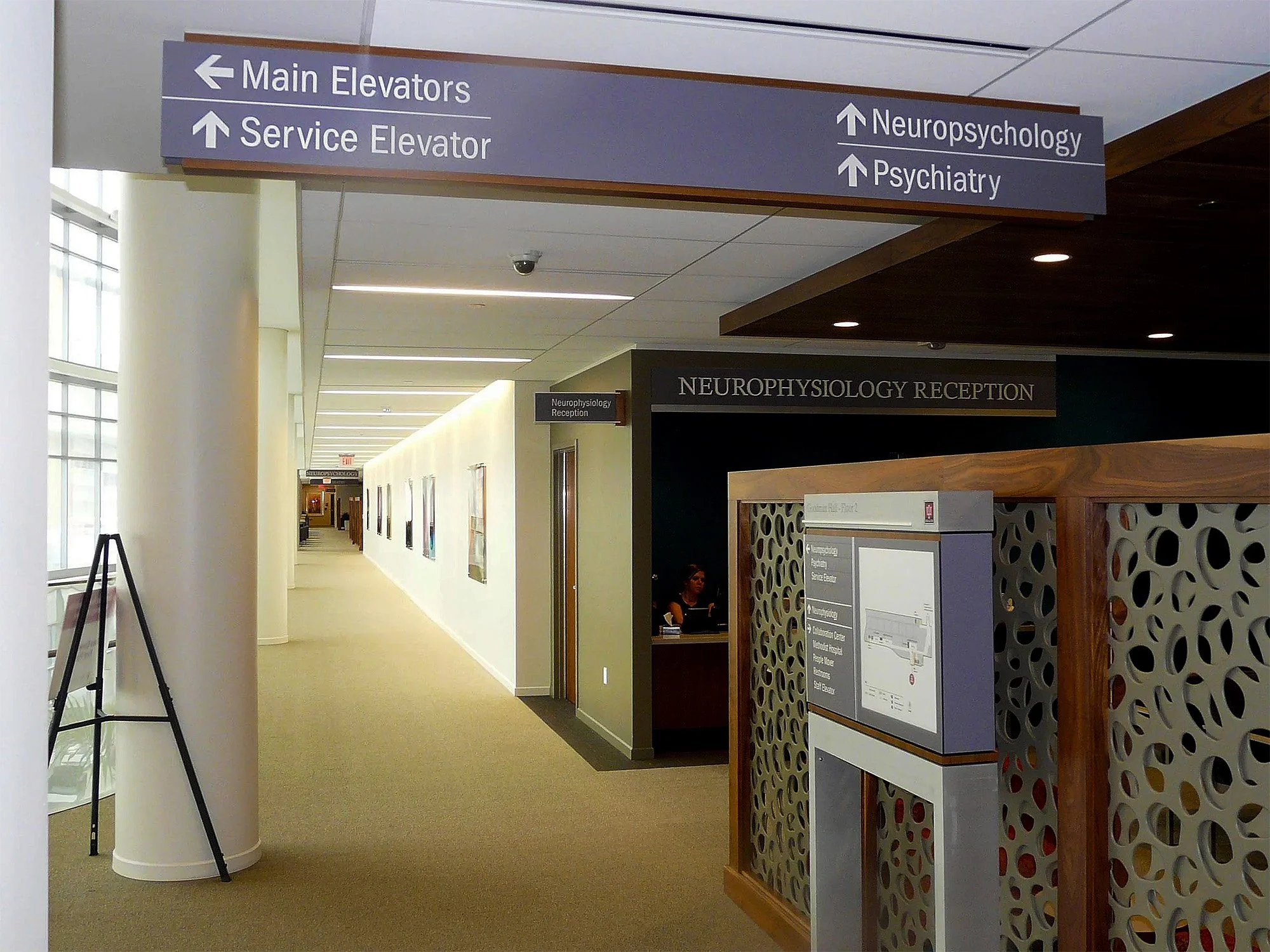
What Is the Typical Wayfinding Signage Cost in 2026?
Facility managers and architects frequently ask for a flat rate for wayfinding signage. However, the scale of your environment, the complexity of your architecture, and the depth of your strategic planning ultimately dictate your total investment. Buying a single custom sign costs very little, but deploying a cohesive, facility-wide navigational network requires a comprehensive budget.
Here are the baseline industry estimates for complete wayfinding systems in 2026:
Small Environments (Private Offices, Single-Building Clinics, Boutique Retail):$5,000 to $25,000
Mid-Size Facilities (K-12 Schools, Corporate Headquarters, Regional Museums):$25,000 to $150,000
Large Environments (Hospitals, University Campuses, Civic Centers, Mixed-Use Developments):$150,000 to $500,000+
These ranges account for end-to-end execution: behavioral strategy, visual design, custom fabrication, and final phased installation.
The Real Cost of Getting It Wrong
Before breaking down the specific costs of a successful system, organizations must understand the financial liability of a failed one. When facilities treat signage as an afterthought, they incur massive hidden expenses.
In a healthcare setting, confusing navigation causes patients to miss appointments. Confusing navigation disrupts physician schedules, creates billing bottlenecks, and directly impacts hospital revenue. In corporate environments, poor wayfinding forces highly paid receptionists and security personnel to abandon their primary duties to act as human directional signs. The operational cost of lost productivity quickly exceeds the cost of a professionally designed wayfinding system. Investing in strategic navigation permanently solves these spatial problems.
Signage Costs vs. Full System Costs
Focusing solely on the price of a physical sign inevitably creates navigational gaps. "Signage cost" simply refers to the raw materials, manufacturing, and labor required to produce individual markers.
Conversely, a "wayfinding system cost" encompasses the entire project lifecycle. A true system requires:
Initial behavioral research and spatial planning
Developing a strict messaging hierarchy and nomenclature
Establishing visual design standards that match the brand
Custom fabrication and multi-phased installation
Long-term scalability and maintenance plans
Wayfinding Signage Cost Breakdown: The Four Core Phases
1. Strategy, Planning, and Behavioral Research
Effective navigation begins long before a fabrication shop cuts a single piece of metal. This foundational phase covers site analysis, user behavior studies, and stakeholder interviews. Strategy defines exactly how people move through your space, identifies critical decision points, and determines the precise placement of every physical touchpoint. Planners must also account for diverse user demographics, ensuring the system accommodates varying levels of language proficiency, mobility, and visual acuity.
2. Visual Design and Environmental Graphics
During the design phase, teams build comprehensive visual systems. They establish strict typography rules, select high-contrast color codes for maximum readability, and ensure the signage integrates seamlessly with your existing architecture. A unified design language ensures visual consistency throughout the facility. This phase also includes the design of specialized environmental graphics design, such as large-scale wall murals or donor recognition displays, which serve as dual-purpose branding and navigational landmarks.
3. Custom Fabrication and Material Selection
Material selection directly impacts both upfront pricing and long-term durability. High-traffic environments demand resilient, commercial-grade materials.
Acrylics and Photopolymers: Frequently used for ADA-compliant interior room identifiers and tactile signs. These offer a balance of cost-effectiveness and design flexibility.
Architectural Metals: Brushed aluminum, stainless steel, and brass carry a premium price tag but offer unparalleled longevity and a high-end aesthetic, particularly for exterior monument signs.
Tempered Glass: Often used in corporate and donor recognition displays, glass requires specialized mounting hardware and careful handling, which can increase the installation budget.
While premium materials carry a higher initial price tag, they drastically reduce future replacement costs due to vandalism, weather damage, or general wear and tear.
4. Installation and Project Management
Installing a complex wayfinding system requires far more than a drill and a level. Complex environments require phased installations, specialized lifting equipment for large exterior pieces, and seamless coordination with general contractors. Dedicated project managers keep the timeline tight, enforce budget constraints, secure necessary municipal permits, and maintain rigorous quality standards throughout the build.
Factors That Exponentially Influence Wayfinding Pricing
Architectural and Spatial Complexity
Multi-level buildings with identical floor plans can easily disorient visitors, requiring denser signage. Sprawling campuses with complex pedestrian pathways and multiple parking structures exponentially increase the system's requirements.
Sign Quantity, Variety, and Modularity
Mixing diverse sign types, such as interactive digital kiosks alongside static exterior monuments and overhead interior directionals, increases both design requirements and fabrication costs. Furthermore, facilities with high tenant turnover (like mixed-use retail or corporate high-rises) require modular signage systems. Designing a sign that allows facility managers to swap out a single nameplate easily costs more upfront than a static sign. Still, it saves thousands of dollars in future replacement costs.
Custom Systems vs. Standard Off-the-Shelf Options
Custom systems align perfectly with your brand identity and architectural environment, but they require a greater design and engineering investment. Standard, off-the-shelf systems cost significantly less and deploy faster, but they sacrifice aesthetic integration and limit your flexibility.
Accessibility and Strict ADA Compliance
Meeting strict Americans with Disabilities Act (ADA) requirements is non-negotiable for public facilities. These federal guidelines dictate specific material choices, high-contrast color ratios, tactile elements (like Braille and raised lettering), and precise installation heights. Ensuring complete compliance requires specialized knowledge and specialized fabrication techniques, all of which factor into the final project scope.
Cost Dynamics by Industry Environment
Healthcare Facilities and Hospitals
Hospitals represent the most complex wayfinding environments in the world. Visitors often arrive under immense emotional and physical stress, which dramatically lowers their cognitive ability to process complex directions. Healthcare systems require dense, highly intuitive navigation networks that integrate overhead directionals, floor graphics, elevator directories, and ADA-compliant room identifiers. Because of this density and complexity, healthcare wayfinding commands the highest budgets.
Higher Education and University Campuses
Universities must guide diverse groups of prospective students, new staff, daily commuters, and event attendees across sprawling environments. Campus systems require large exterior monument signs, vehicular directional signage, parking lot identification, and distinct interior systems for each building.
Corporate Offices and Mixed-Use Developments
Corporate environments prioritize brand integration and high-end aesthetics. These spaces often use premium materials such as glass and architectural metals. Mixed-use developments face the unique challenge of blending residential, retail, and commercial zones into a single cohesive network, requiring strategic planning to separate private residential access from public retail pathways. Civic and government projects have unique procurement and compliance requirements learn more about our civic building wayfinding systems designed for public-sector budgets and timelines.
Industrial facilities often require durable, high-visibility materials see how our industrial wayfinding signage balances cost efficiency with operational safety requirements.
Pricing Models: The Design-Build Advantage
The traditional design-bid model separates the strategic design agency from the physical fabrication shop. This fragmented approach frequently creates intense friction. When a design agency creates a beautiful concept that ignores real-world manufacturing constraints, the fabrication shop must issue costly change orders to ensure the sign is structurally sound. This leads to budget overruns, timeline delays, and constant finger-pointing between vendors.
Conversely, the design-build model integrates strategy, design, fabrication, and installation under one roof. This unified approach guarantees structural feasibility from day one. It streamlines communication, accelerates production timelines, and provides clients with much tighter cost control.
Because every facility presents unique architectural and behavioral challenges, expert design-build firms use custom, project-based pricing rather than arbitrary flat rates.
Hidden Costs to Watch Out For
Municipal Permitting and Zoning: Exterior installations frequently require municipal permits, engineering stamps, and regulatory approvals. Navigating historic districts or strict city zoning laws adds administrative fees and extends the project timeline.
The Cost of Poor Planning Rework: Rushing the strategy phase results in ineffective signage. Tearing down, redesigning, and reinstalling failed signs costs far more than planning them correctly the first time.
Scalability Limitations: Facilities evolve. Departments move, wings expand, and buildings rebrand. If your design team fails to engineer a scalable, modular system, updating a single department directory will require an expensive, ground-up redesign.
How to Optimize Your Budget Without Compromising Quality
Engage Experts Early: Bring in wayfinding consultants during the initial blueprint phase of the architectural process. Integrating signs into the drywall or electrical grid during raw construction is vastly cheaper than retrofitting a finished, occupied building.
Standardize the Hardware: Establish a core family of sign types. Standardizing the physical hardware, material profiles, and mounting techniques speeds up fabrication and simplifies future updates across multiple campuses.
Avoid Temporary Band-Aids: Resist the urge to rely on temporary paper signs, whiteboards, or reactive printed solutions. Investing in a permanent, strategically designed system prevents constant, repetitive spending and protects your brand's professional image.
Key Takeaways
Scale Dictates Investment: A small clinic might spend $5,000 on basic routing, while a sprawling hospital campus can easily invest $500,000 or more in a comprehensive system.
Systems Over Signs: Pricing involves much more than physical materials; true wayfinding requires deep upfront strategy, architectural integration, and behavioral planning.
Design-Build Efficiency: Opting for an integrated design-build approach often reduces timeline delays and prevents the hidden costs associated with miscommunication between separate design and fabrication teams.
ROI is Measurable: Effective navigation systems deliver tangible returns by reducing operational disruptions, minimizing the need for staff-assisted directions, and elevating the overall visitor experience.
Conclusion: Understanding the True Value of Wayfinding
Wayfinding signage pricing depends on far more than the physical materials hanging on your walls. It reflects the depth of the behavioral planning, the quality of the visual design, and the seamless integration of the final product into your specific environment. Investing in a comprehensive, strategic system delivers vastly superior long-term results than simply shopping for the cheapest individual signs.
At Nicolson Associates, we bridge the gap between complex physical spaces and intuitive human navigation. We use a streamlined design-build approach to ensure your investment results in beautiful, functional, and highly efficient systems. By handling the strategy, design, custom fabrication, and final installation, we keep your project on time, strictly on budget, and perfectly aligned with your goals.
Ready to bring absolute clarity to your facility? Call Nicolson Associates today to start the conversation with a wayfinding expert and request a custom project consultation.
Frequently Asked Questions
1. What factors have the biggest impact on wayfinding signage cost in large facilities?
The biggest cost drivers include facility size, navigation complexity, number of decision points, and level of customization. Large environments like hospitals or campuses require a detailed wayfinding strategy, multiple sign types, and integration with architecture. These factors significantly increase the overall cost of the wayfinding system compared to smaller projects.
2. How do I estimate a realistic budget for a wayfinding signage project?
Start by evaluating the scale of your environment, the complexity of your user flow, and your long-term goals. A realistic budget should include planning, design, fabrication, installation, and future updates. Working with a wayfinding consultant early helps accurately define the scope and prevents underestimating the total signage cost.
3. Why does investing in a wayfinding strategy reduce long-term signage costs?
A well-planned wayfinding system reduces the need for rework, replacement, and additional signage. Strategy ensures correct sign placement, consistent messaging, and scalability. This prevents costly fixes later and improves overall lifecycle cost efficiency.
4. Is custom wayfinding signage worth the higher upfront cost compared to standard systems?
Custom signage systems align with architecture, branding, and user behavior. While the upfront cost is higher, they provide better clarity, durability, and long-term performance. Standard systems may reduce initial costs but often lack flexibility and require more frequent updates.
5. How does poor wayfinding design increase operational costs over time?
Poor wayfinding leads to confusion, increased staff interruptions, and inefficient movement within a space. Organizations may need to add temporary signage or redesign systems later. These indirect costs often exceed the initial savings from low-cost signage solutions.